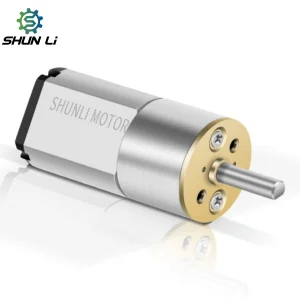
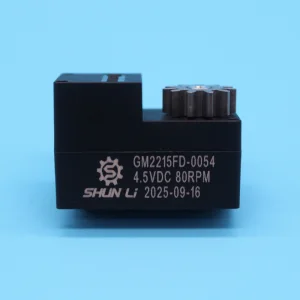
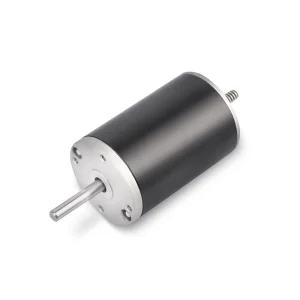
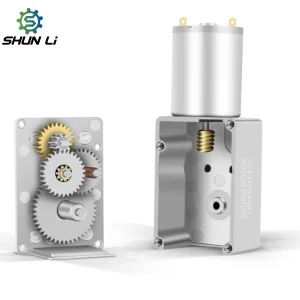
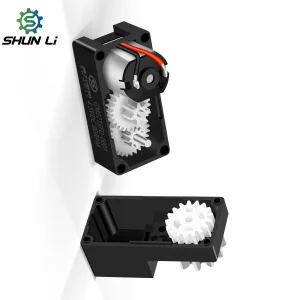
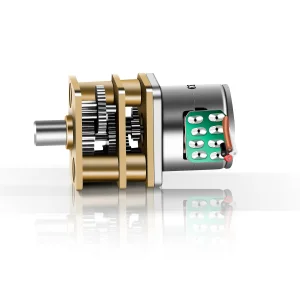
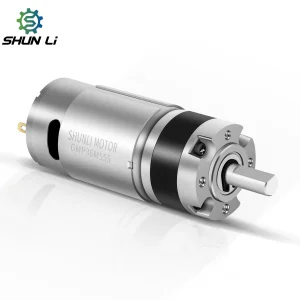
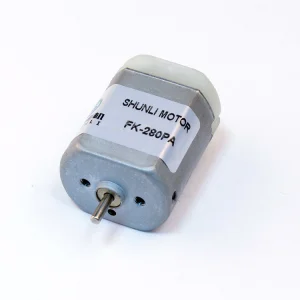
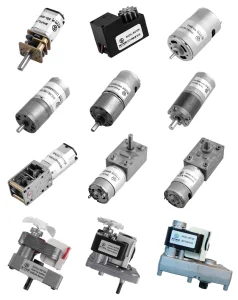
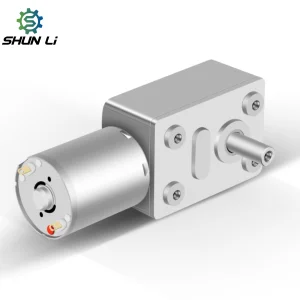
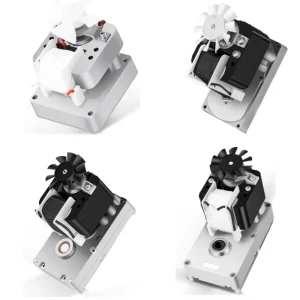
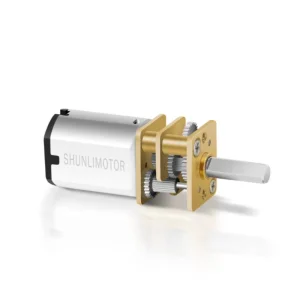
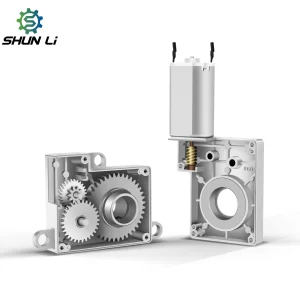
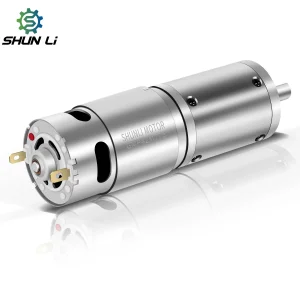
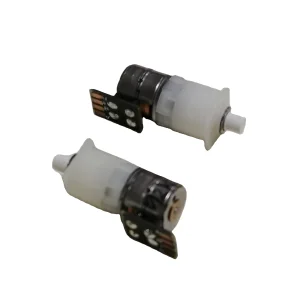
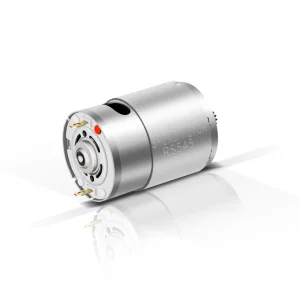
Explore our precision-engineered micro motors, tailored for gas valves, automotive seats, medical pumps, and extreme heating environments.
In modern thermomechanical engineering, a heating element motor (often comprising a high-temperature resistant micro motor integrated with specialized reduction gearboxes) functions as the key drive system regulating fluid dynamics, air-to-fuel ratios, exhaust dispersion, and raw fuel feedstocks. Unlike standard consumer motors, these drive units must operate continuously in close proximity to intense thermal generators.
Whether in pellet stove feed screws, gas valve controllers, industrial ovens, or HVAC dampers, a failure in the driving motor results in catastrophic system shutdown, carbon buildup, or severe safety hazards. This guide delivers a structured framework for identifying, vetting, and partnering with the world's leading suppliers.
Silent Power Behind the World’s Smartest Devices: Open up a premium smart door lock, a high-end medical pump, a robotic cleaner, or an automotive electronic seat—and you’ll likely find the silent, reliable pulse of a WICCA Motor. We don’t just build hardware; we power the user experiences that define your brand. Our micro DC and brushless motors are engineered to be invisible—operating with ultra-low noise, high energy efficiency, and a compact footprint that allows product designers to push the limits of their industrial design. When your product’s reputation relies on flawless, repeated mechanical motion, WICCA Motor delivers the precision engineering that keeps your customers happy.

The development of high-performance micro-motors for heating systems is undergoing a rapid evolution. Industrial design requirements are shifting away from traditional shaded pole AC motors to highly controllable, high-efficiency Brushless DC (BLDC) and Permanent Magnet DC (PMDC) gear motors.
Utilizing high-purity copper windings coated with Class H or Class N enamel insulation, modern heating motors resist internal coil breakdown up to 200°C+, extending operation lifespans in confined, high-temperature chambers.
Brushless motors replace mechanical commutators with electronic commutation, drastically decreasing EMI, removing brush-wear particulate issues, and enhancing variable-speed control accuracy.
By embedding Hall-effect sensors and thermal cut-offs directly into the motor casing, systems can provide real-time diagnostic telemetry to the central controller for predictive maintenance.
Industrial heaters and smart appliances utilize specialized micro motors to manage critical fluid flow, mechanical loading, and gas regulation. Key macro applications include:
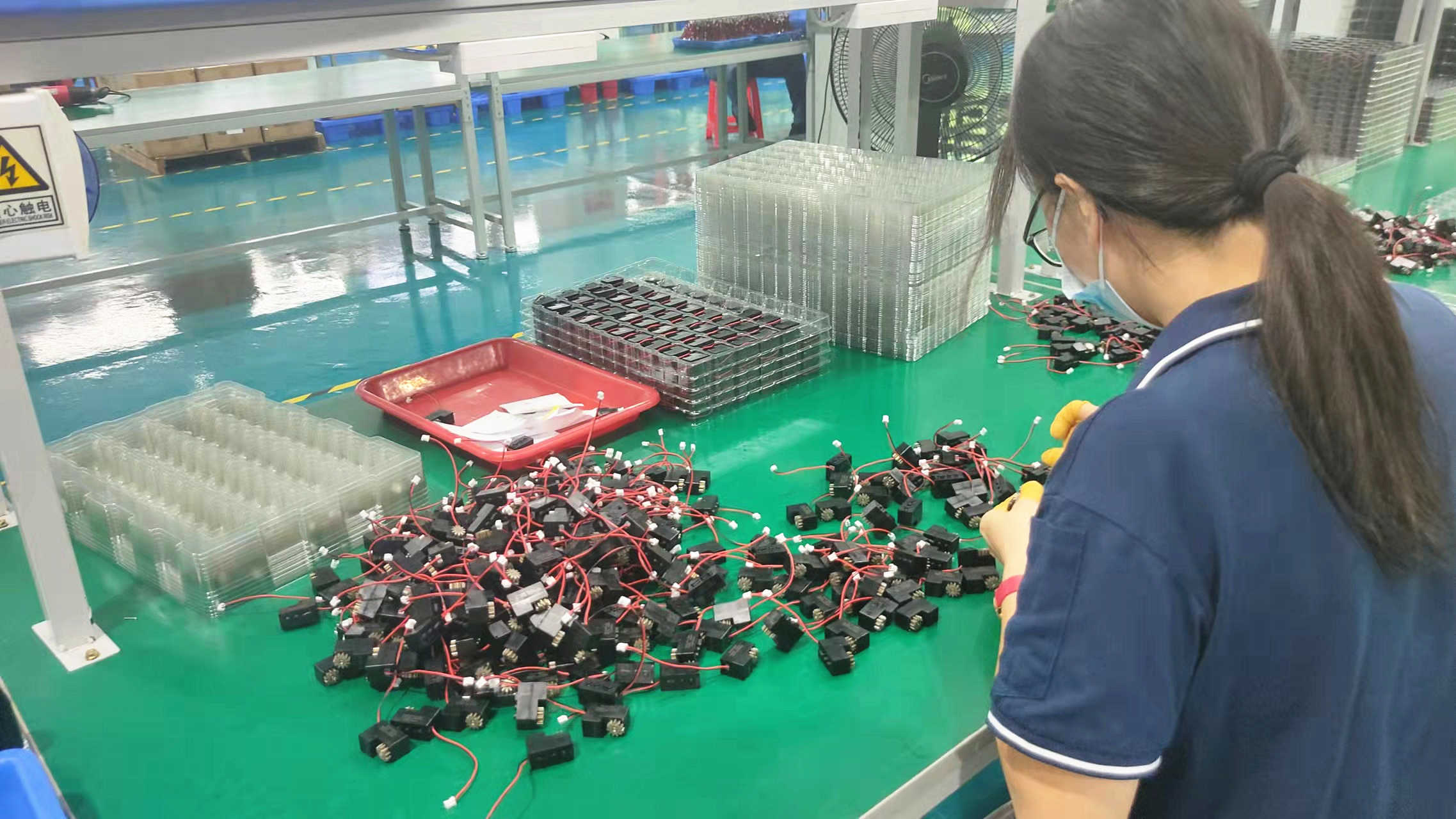
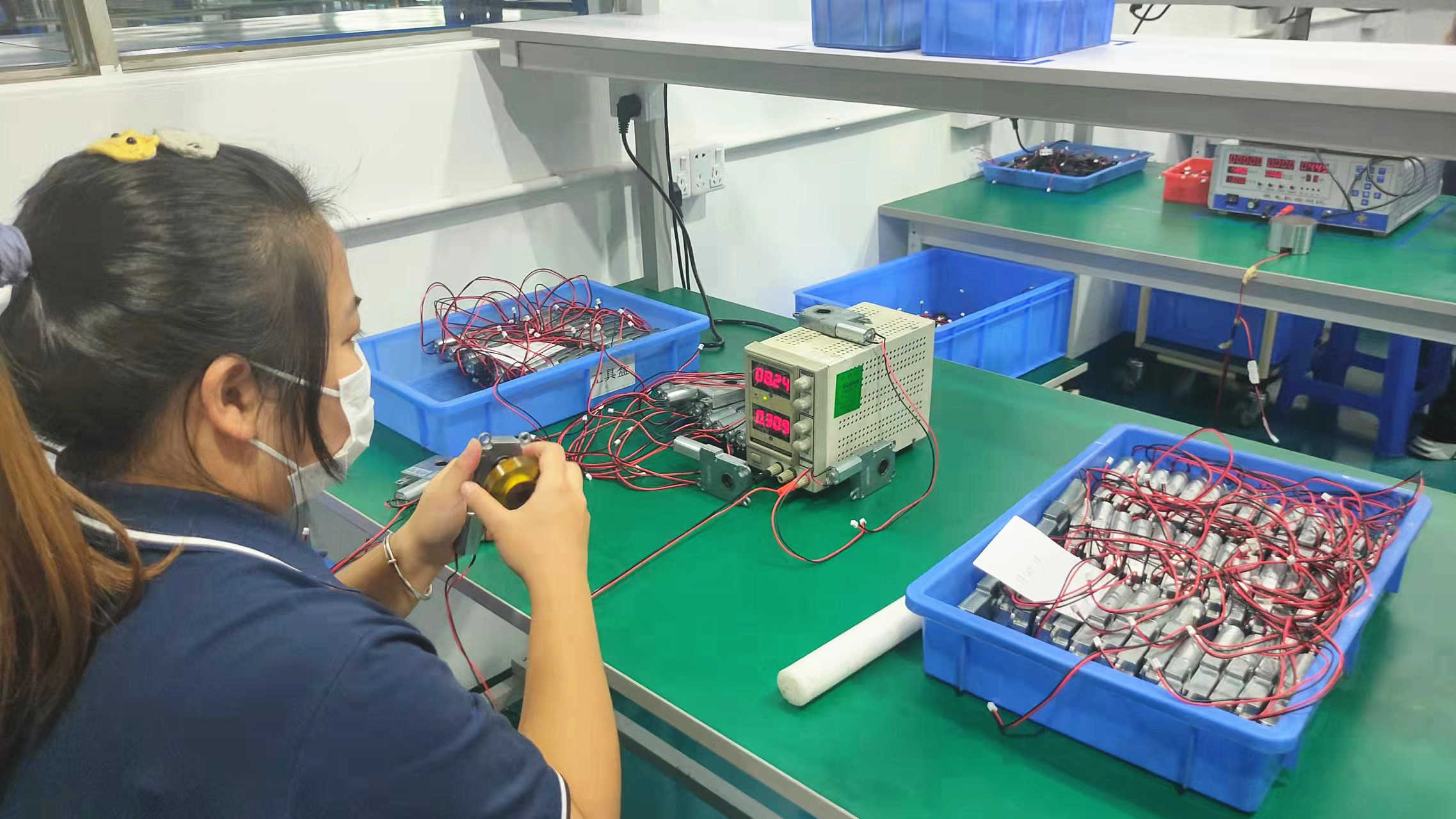
A visual blueprint of how raw materials are transformed into certified high-temperature micro motors, following strict ISO quality protocols.
 Raw Material
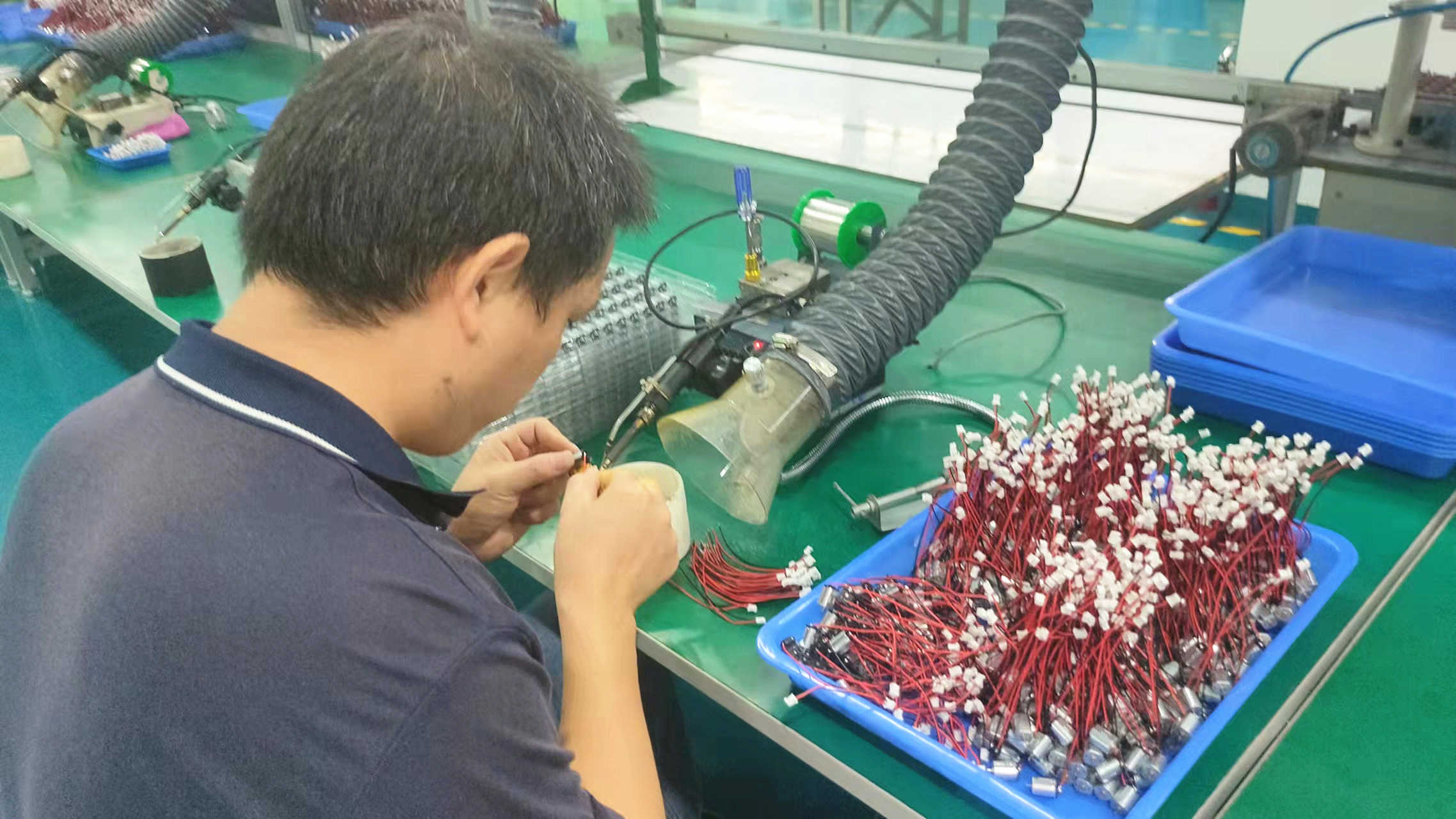 Soldering
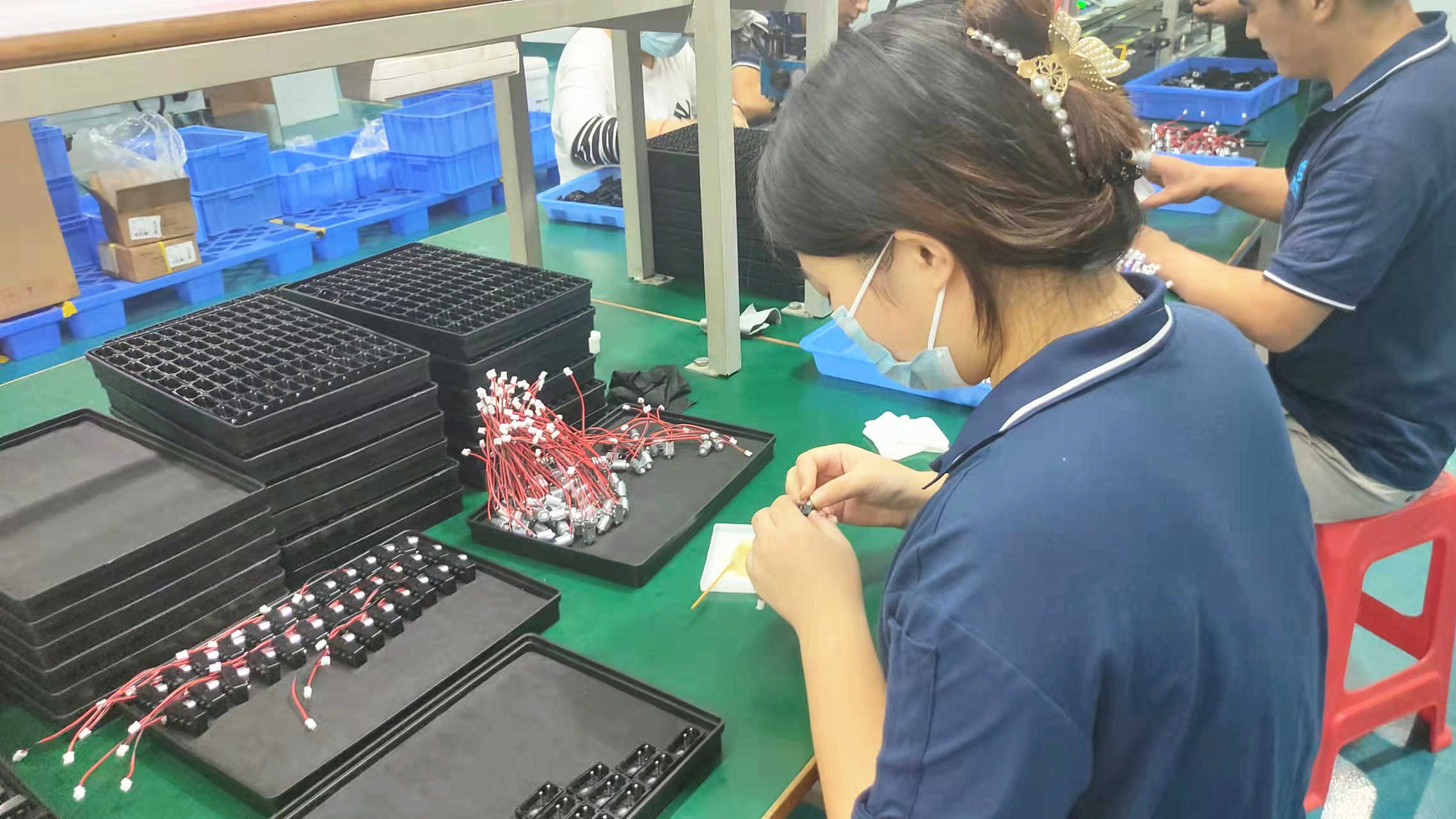 Assembling
 Testing
 Packing
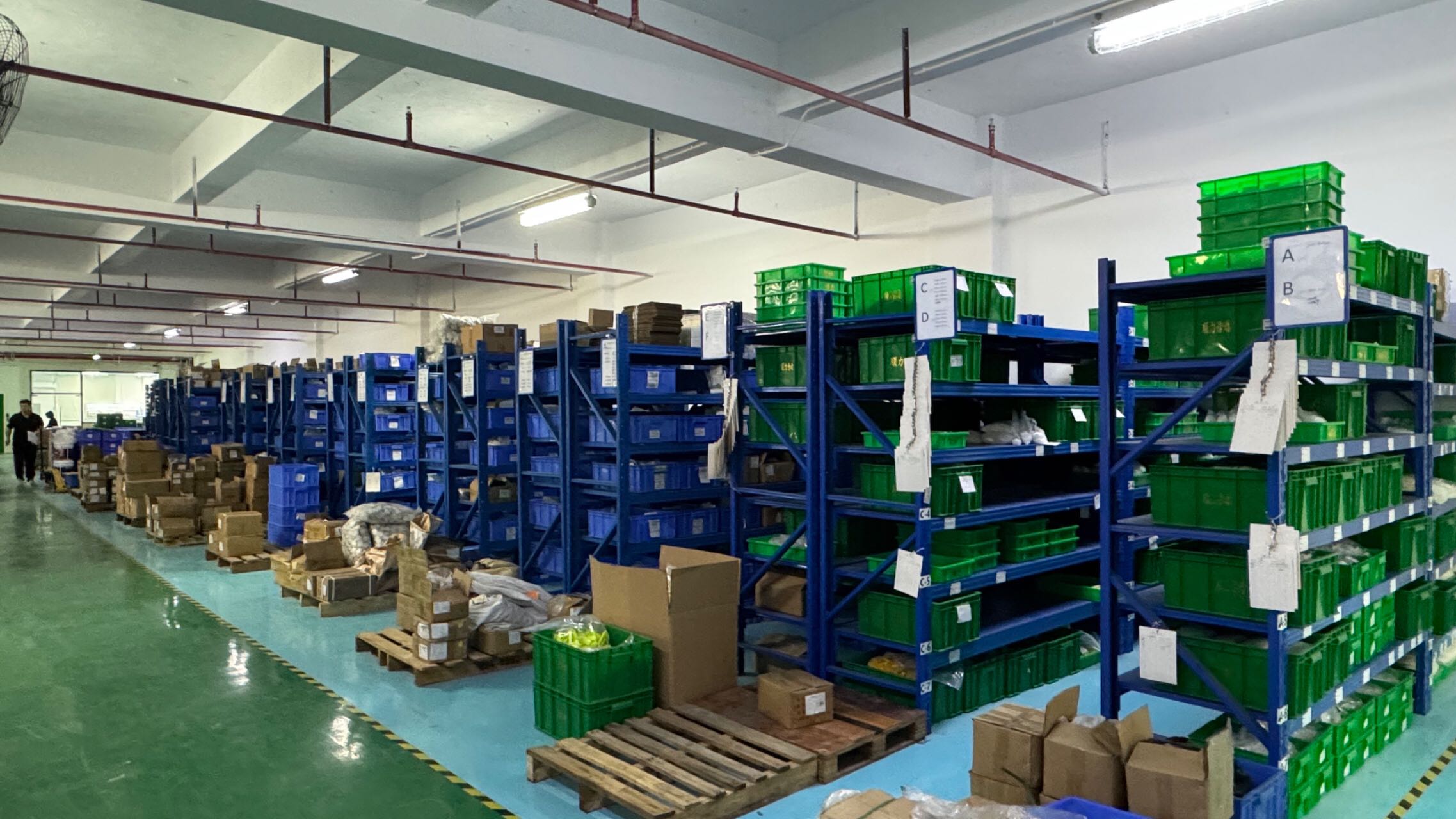
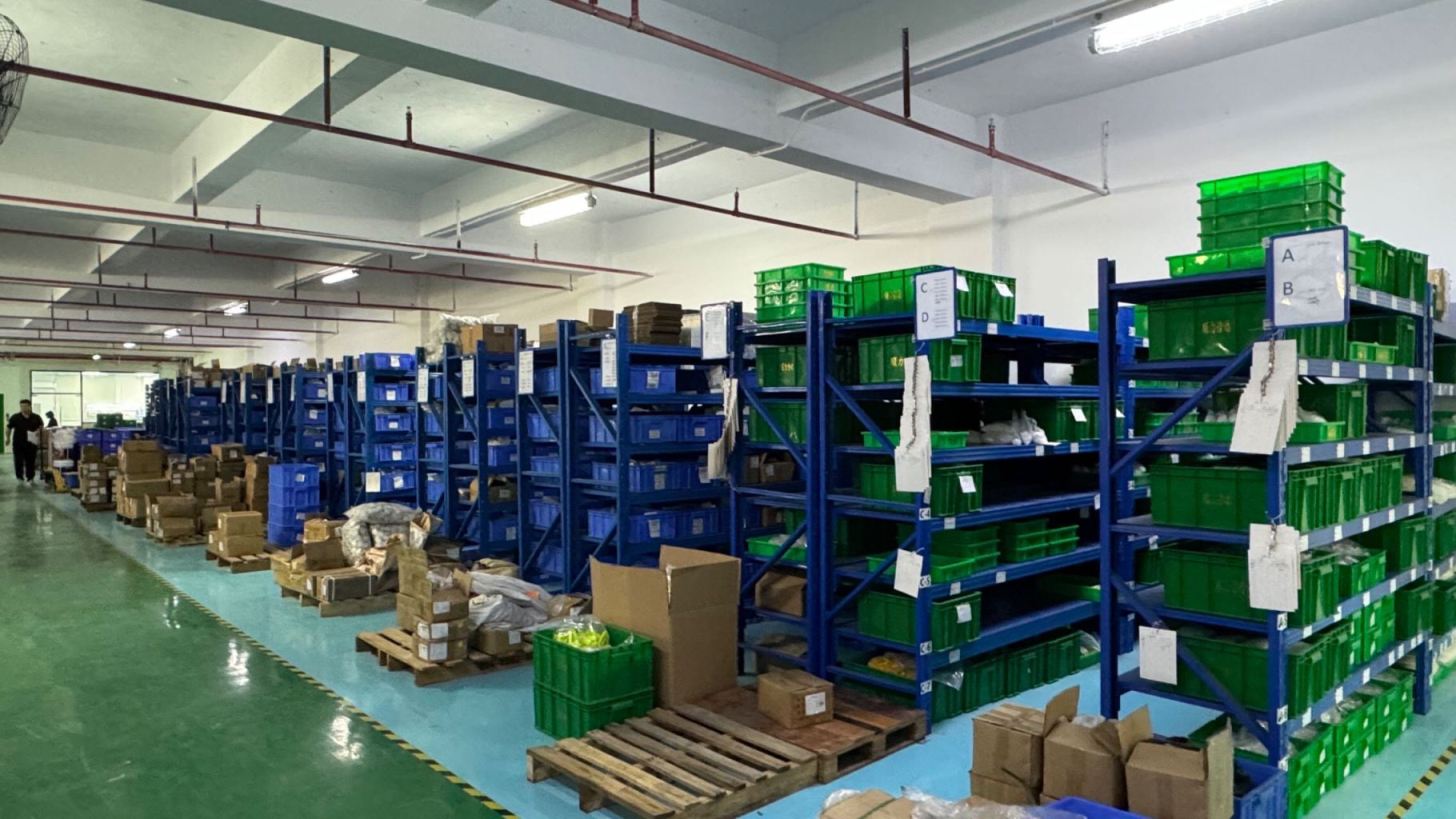 Storage
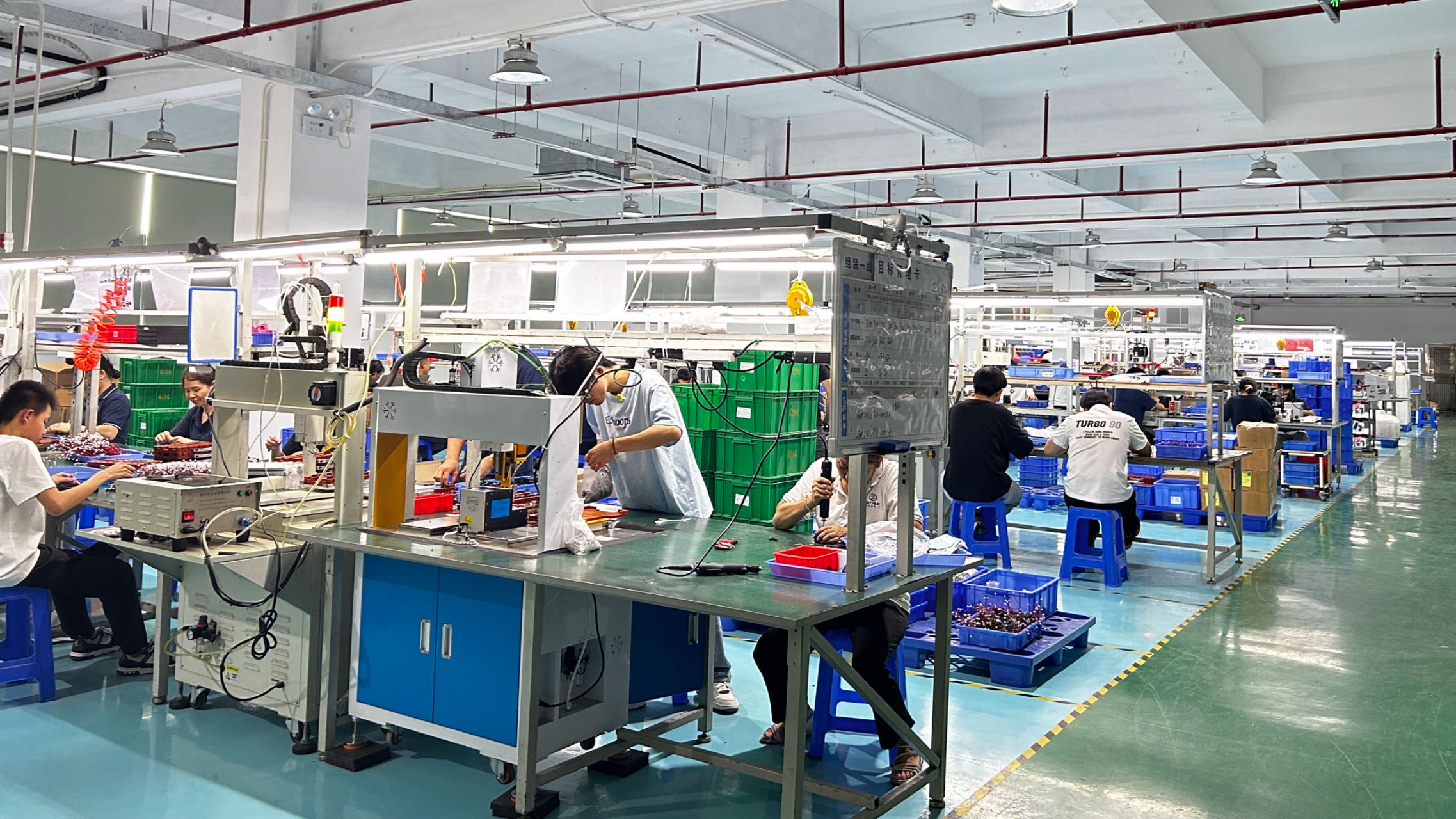
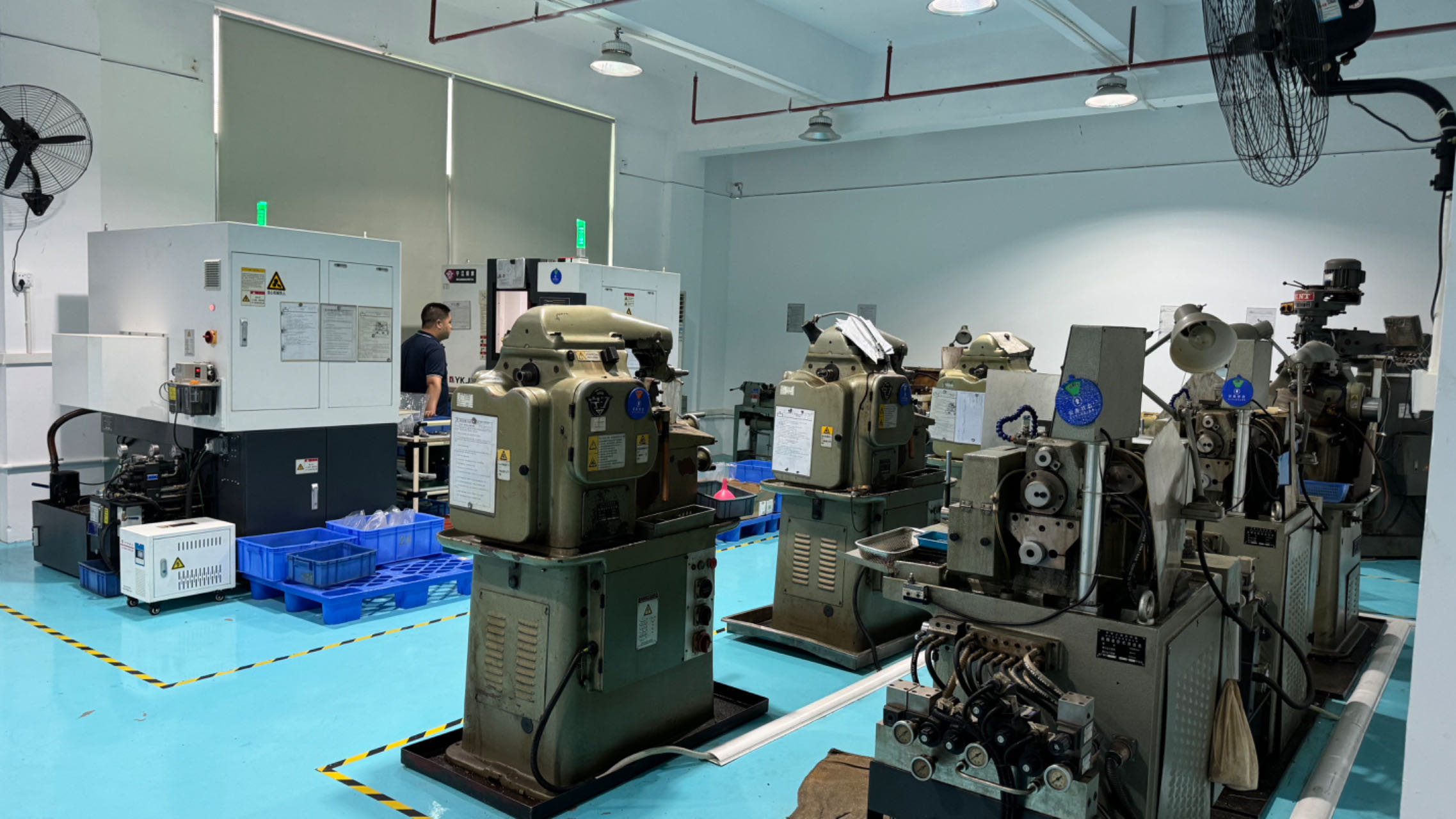
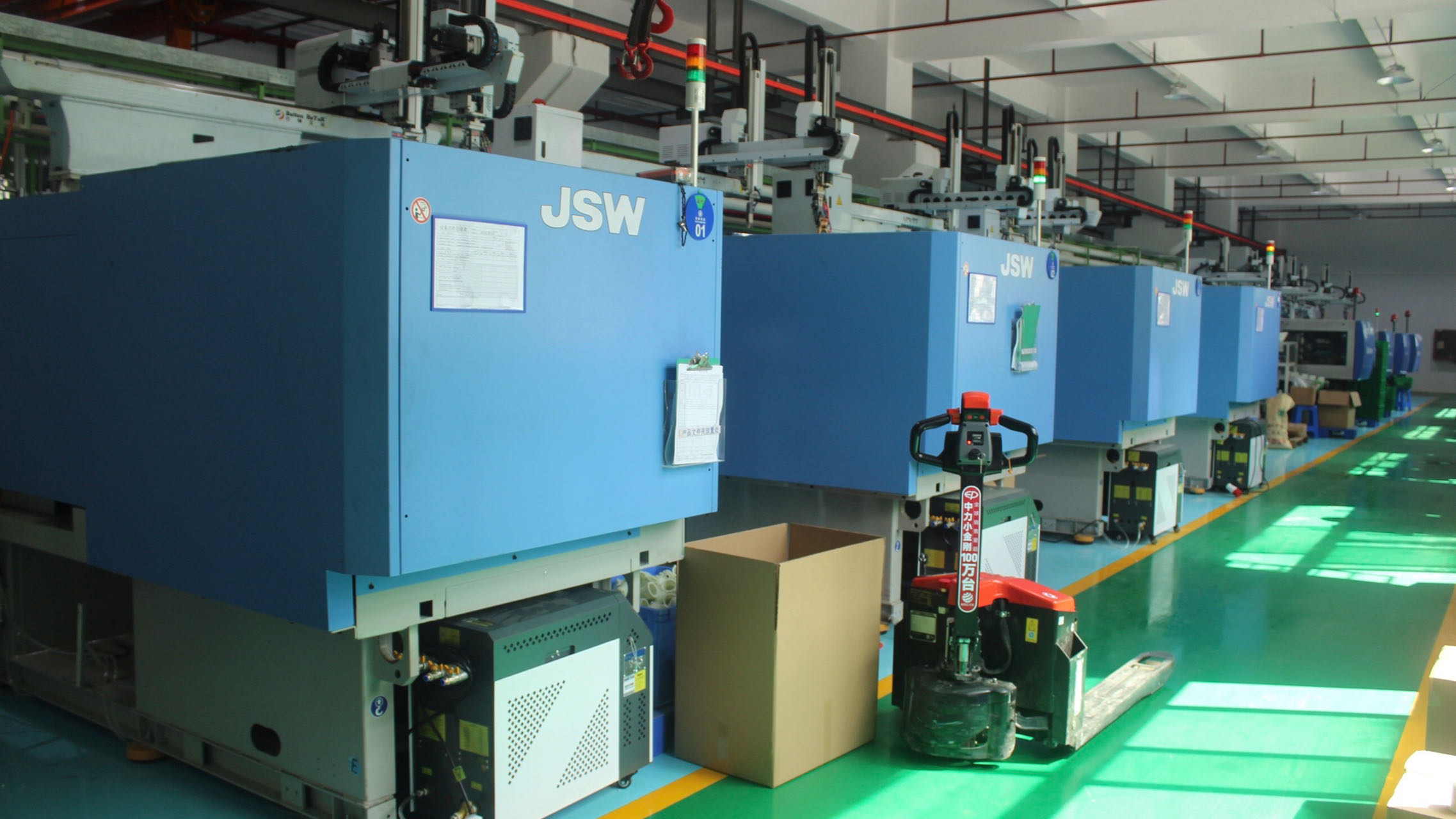
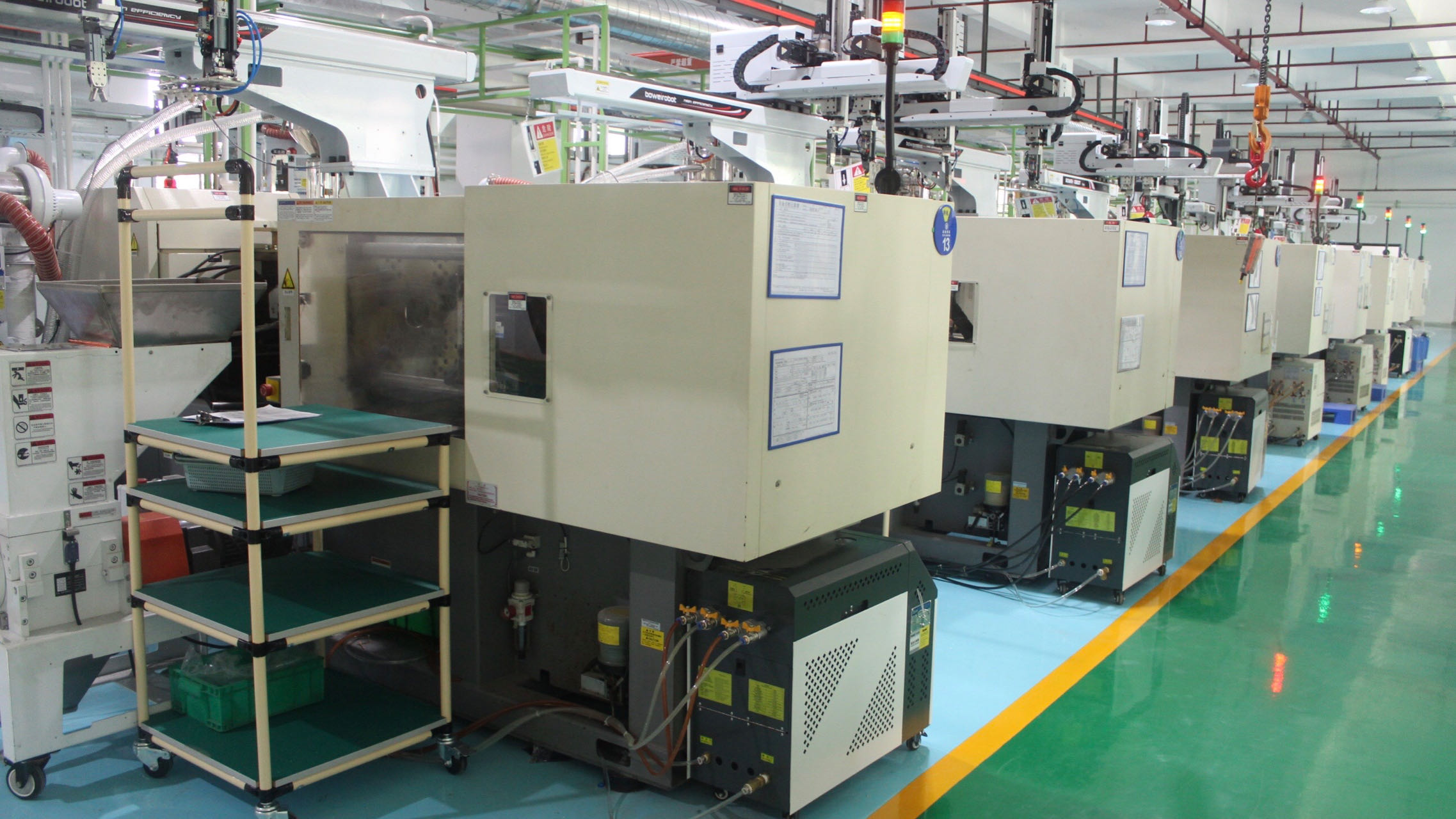
The leading edge of heating element motor manufacturing lies in Chinese automated Factory 4.0 facilities. By integrating CNC machinery, high-speed gear hobbers, and automated wire winding equipment, plants achieve maximum production throughput while maintaining dimensional tolerances down to ±0.002 mm.
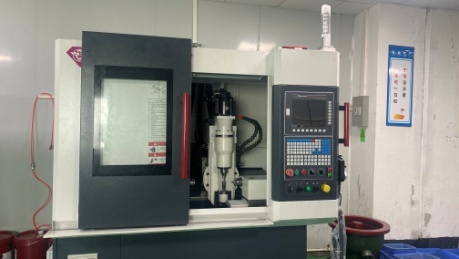 NINGJIANG MACHINE TOOL
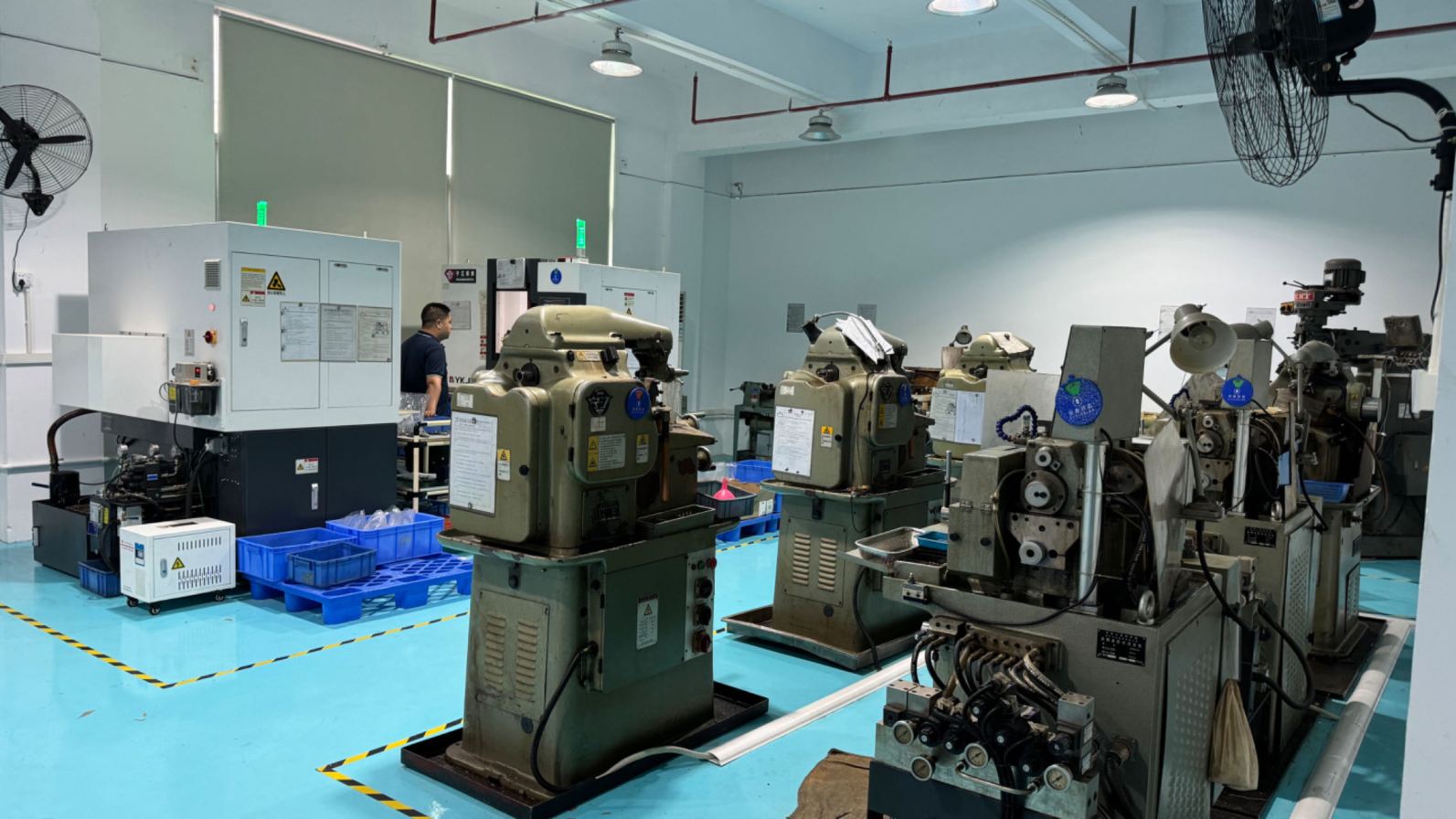 Horizontal Gear Hobbing
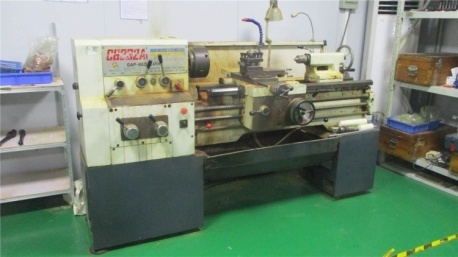 Lathing Machine
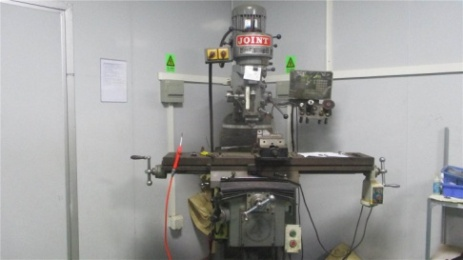 Milling Machine
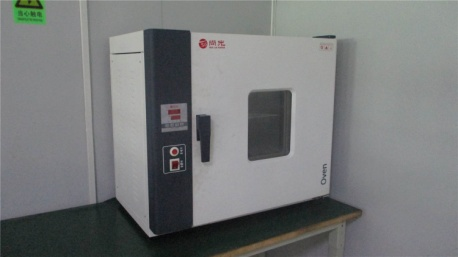 Drying Oven
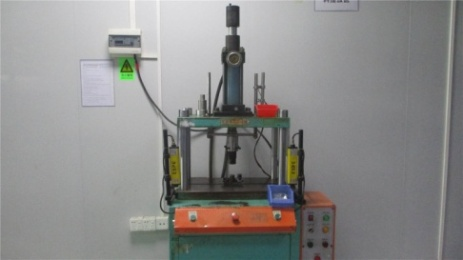 Gear Riveting Machine
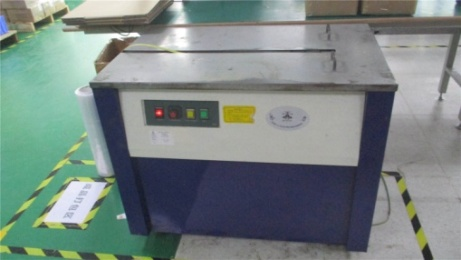 Packing Machine
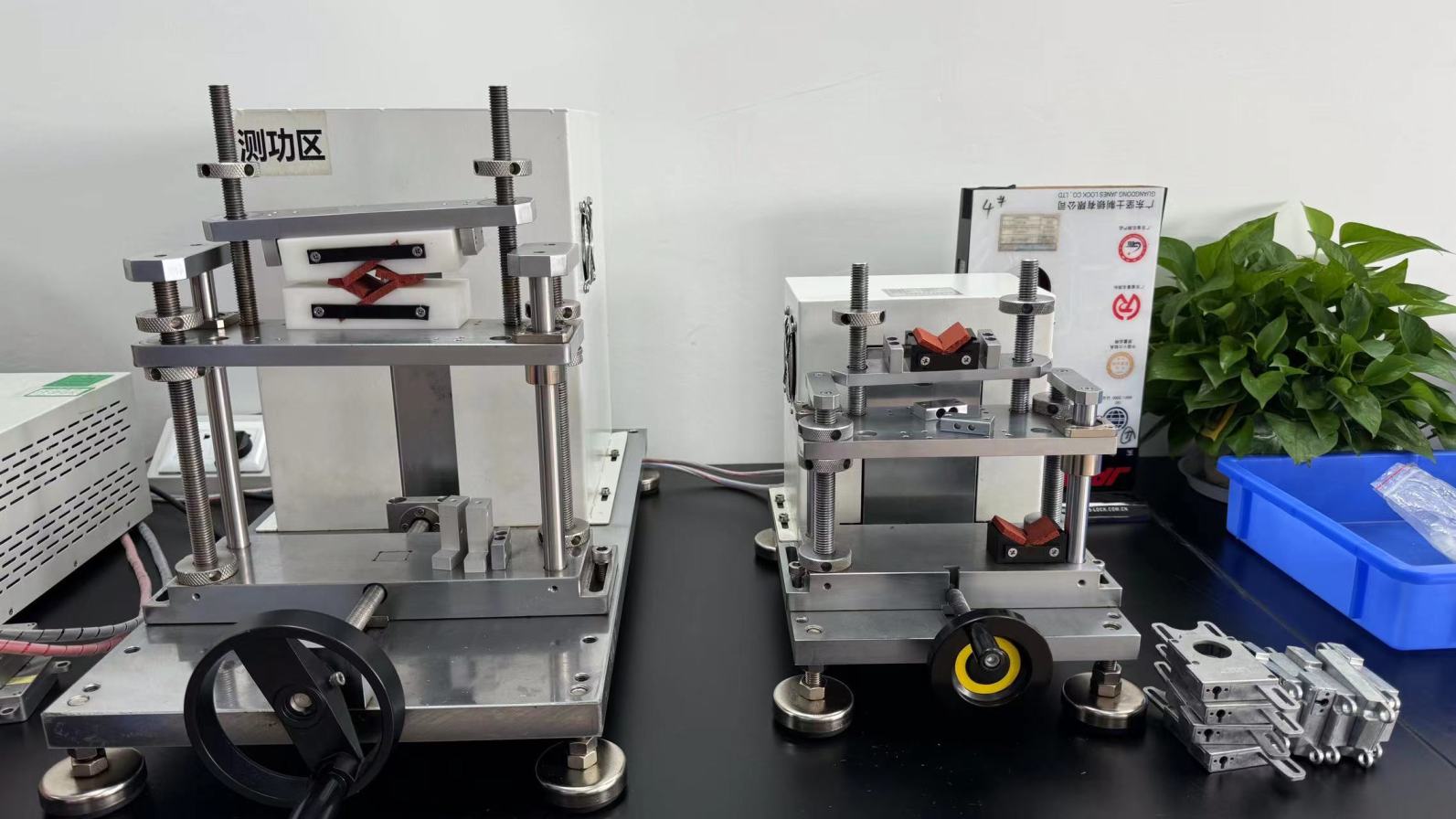 Pneumatic Pressing
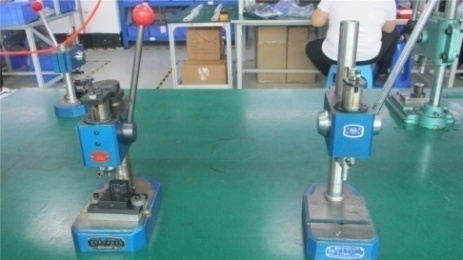 Manual Pressing
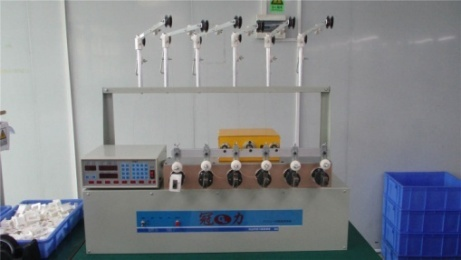 Wire Winding Machine
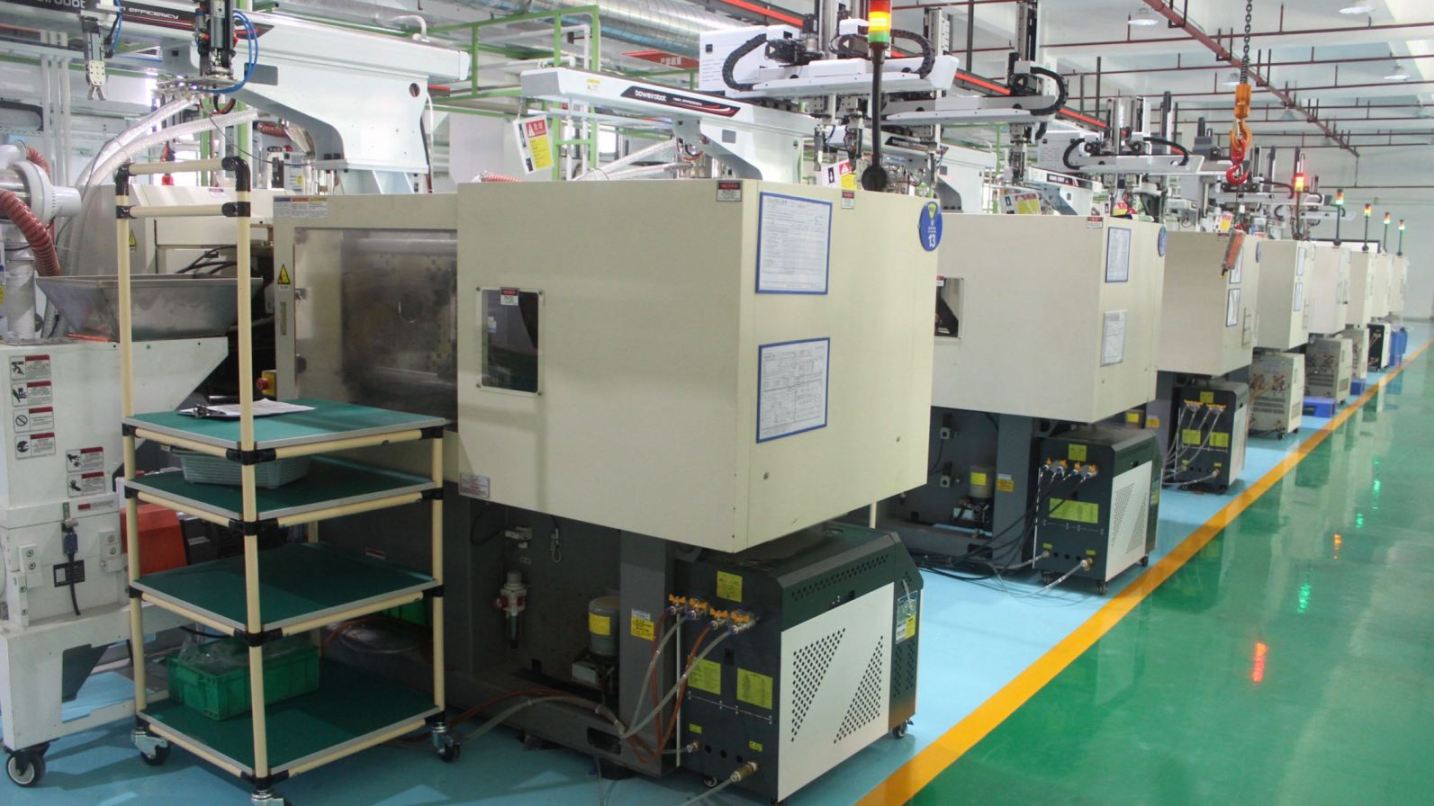 Injection Machine
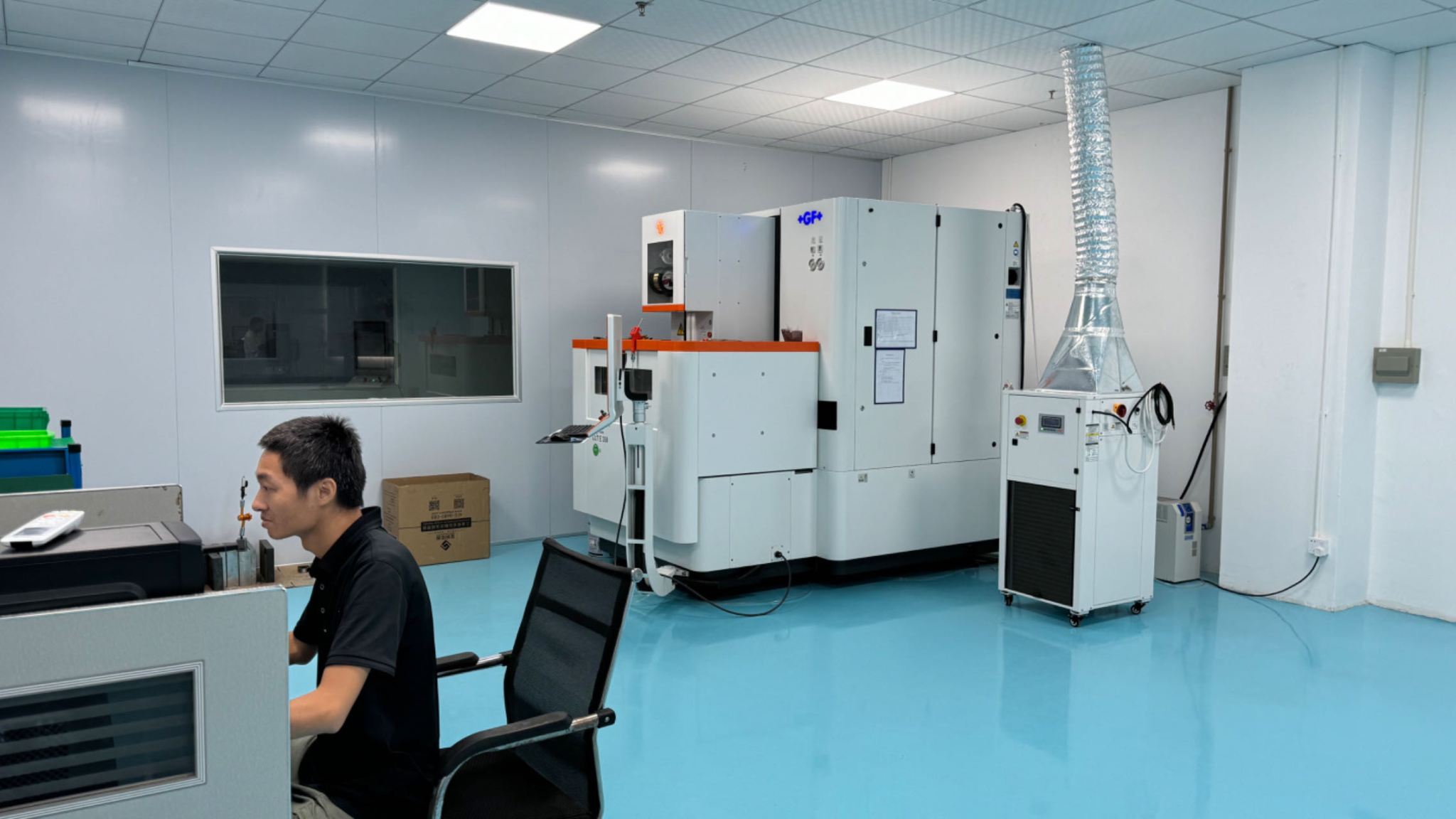 Slow-feed NC Wire-cut
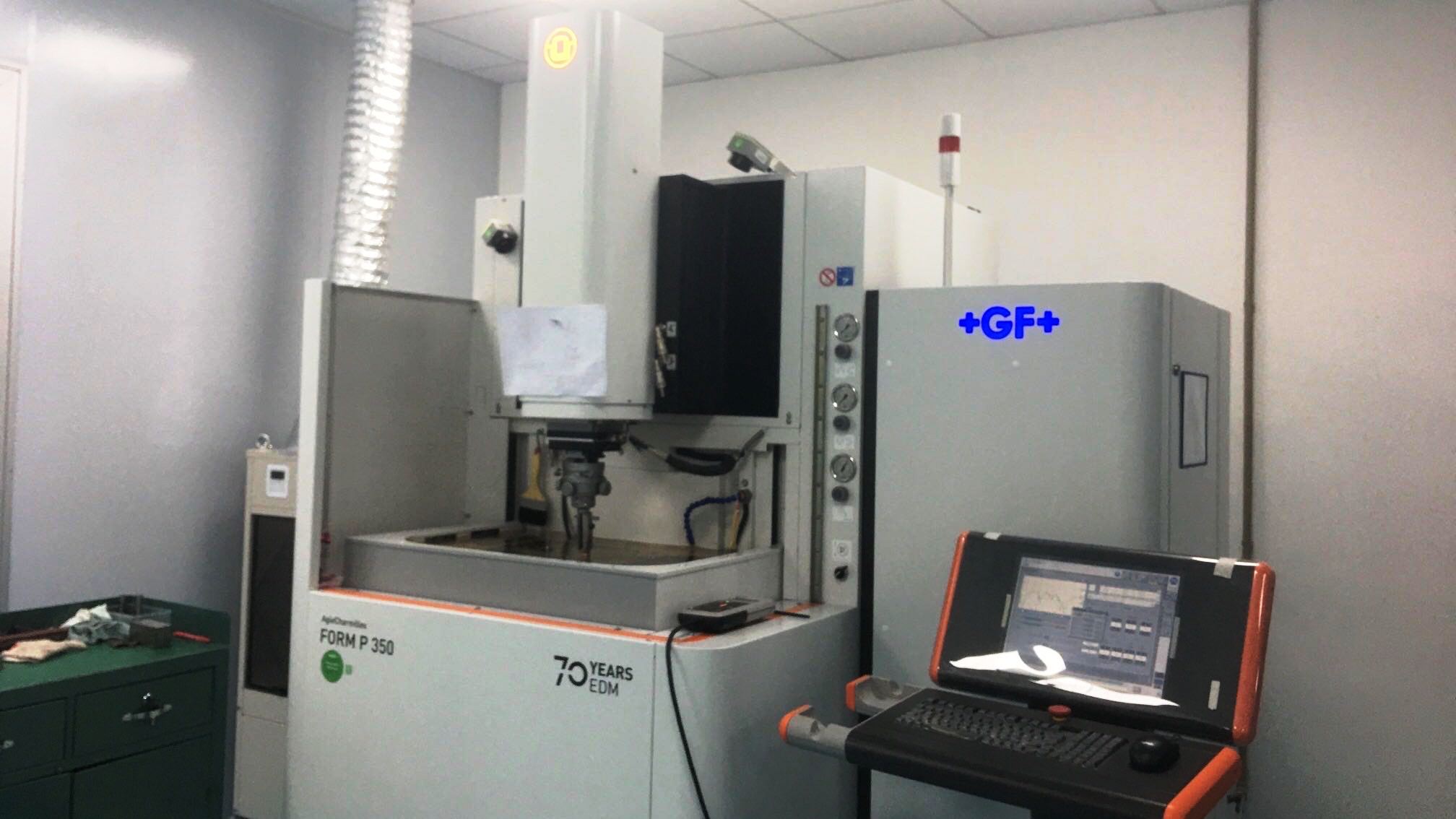 EDM Machine
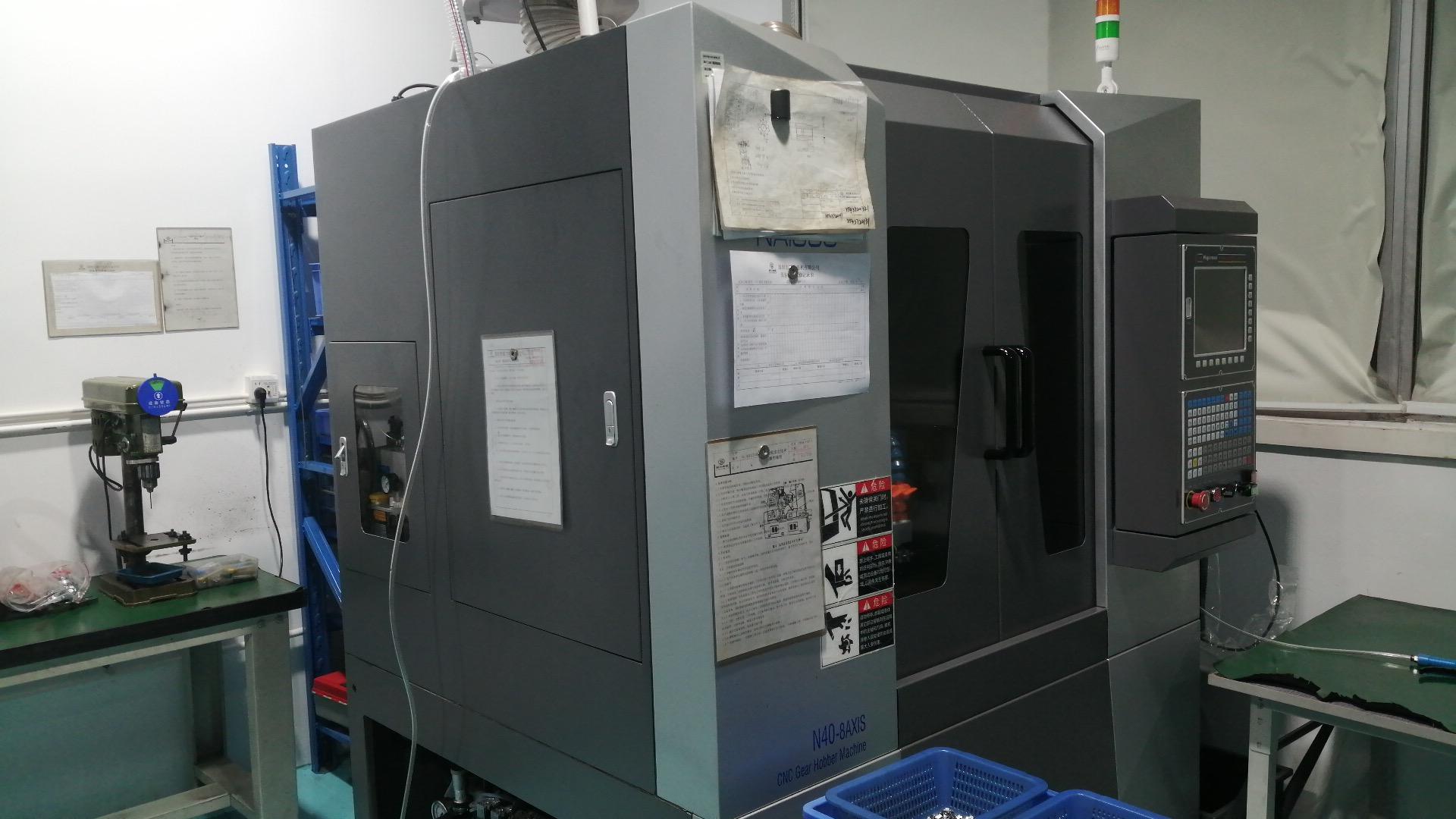 Hobbing Machine
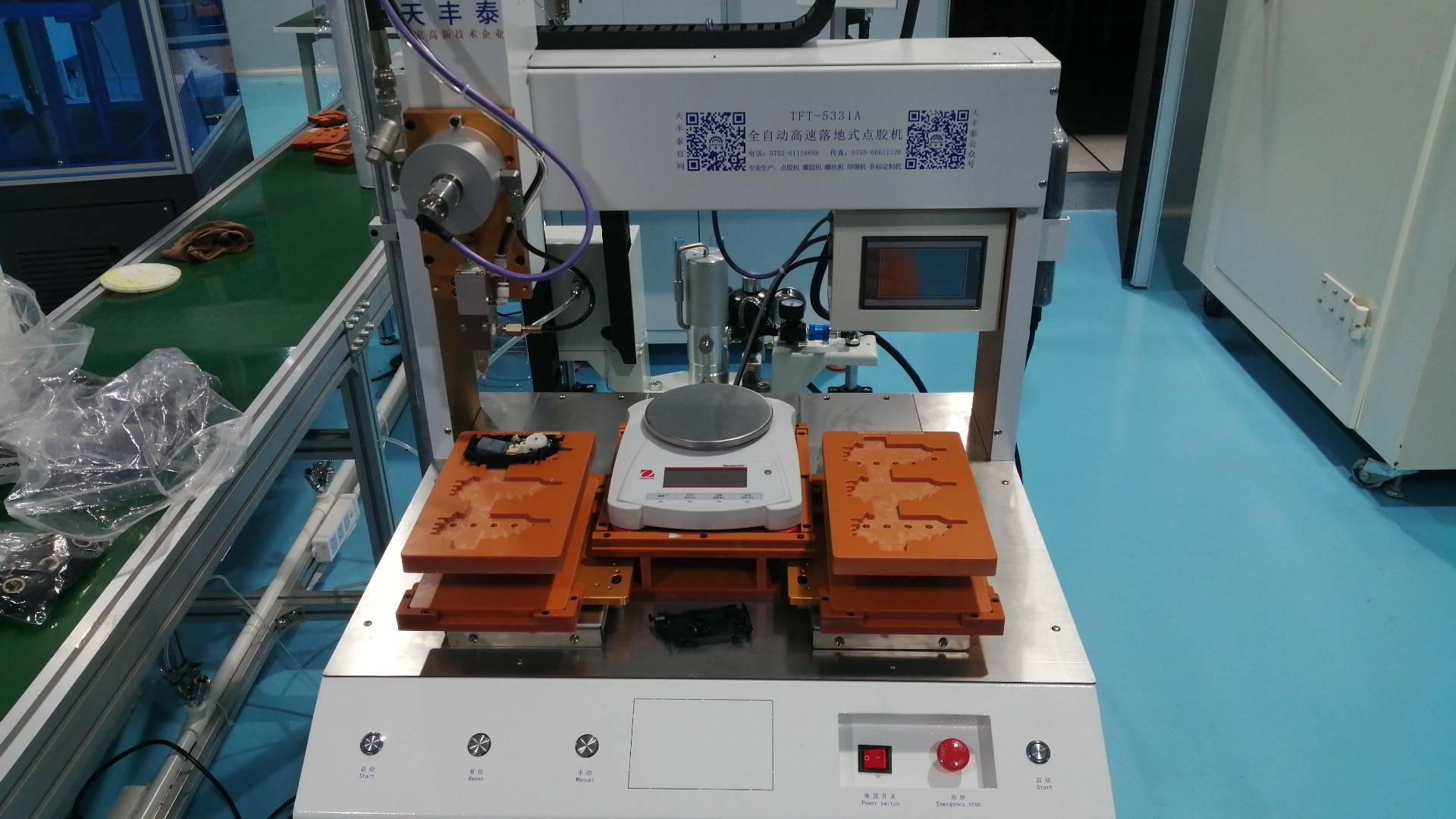 Glue Dispenser
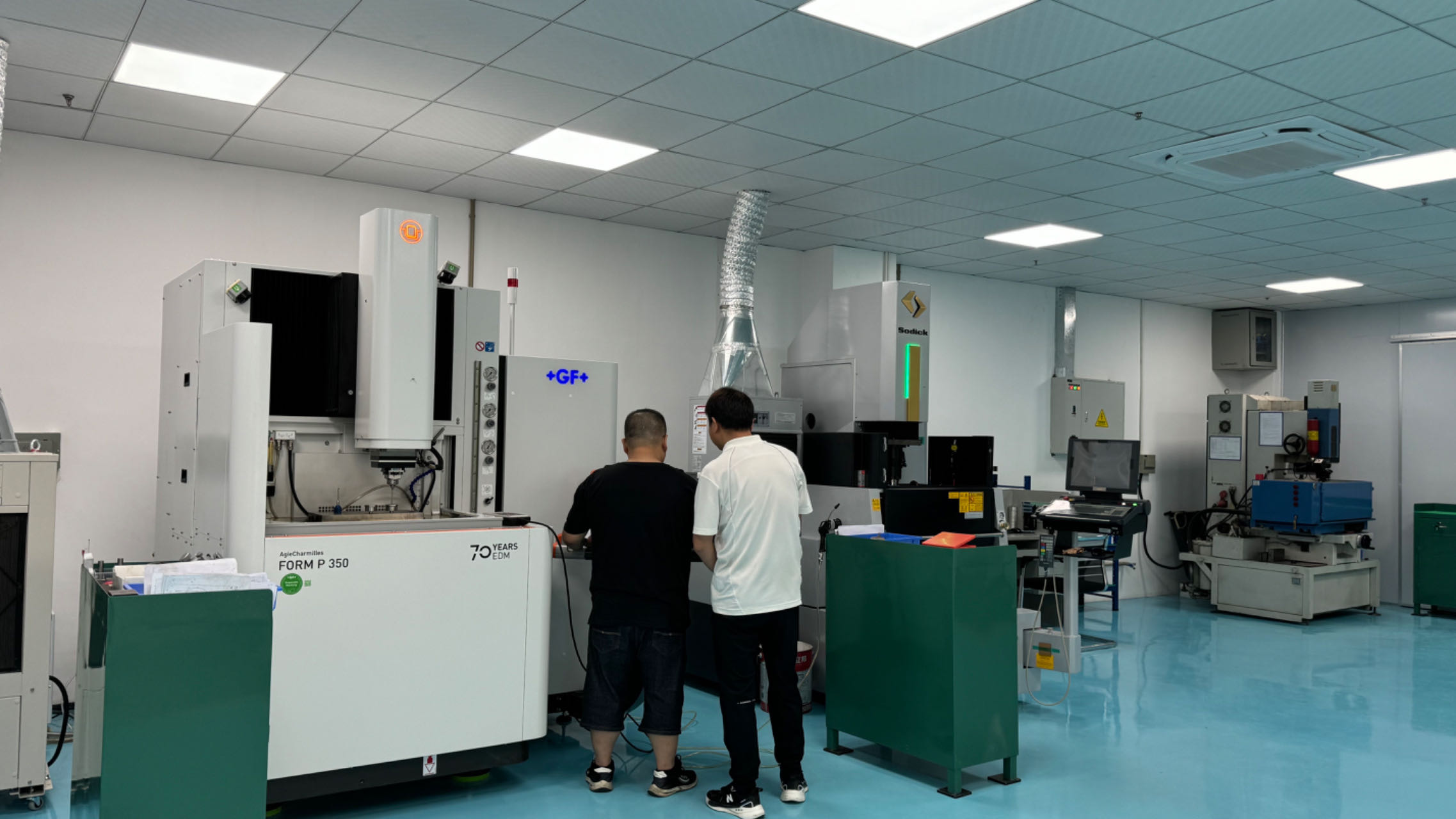
Utilizing slow-feeding NC wire-cut machines, EDM (Electrical Discharge Machining), and micro gear hobbers allows manufacturers to deliver high mechanical efficiency. When these precision gears are driven by micro motors, mechanical energy transfer is maximized while minimizing backlash and frictional heat.
Purchasing high-performance motors requires checking verification and validation protocols. A heating element motor is only as good as the laboratory tests that prove its rated life cycle. Below are the key instruments deployed to maintain quality control across the production line:
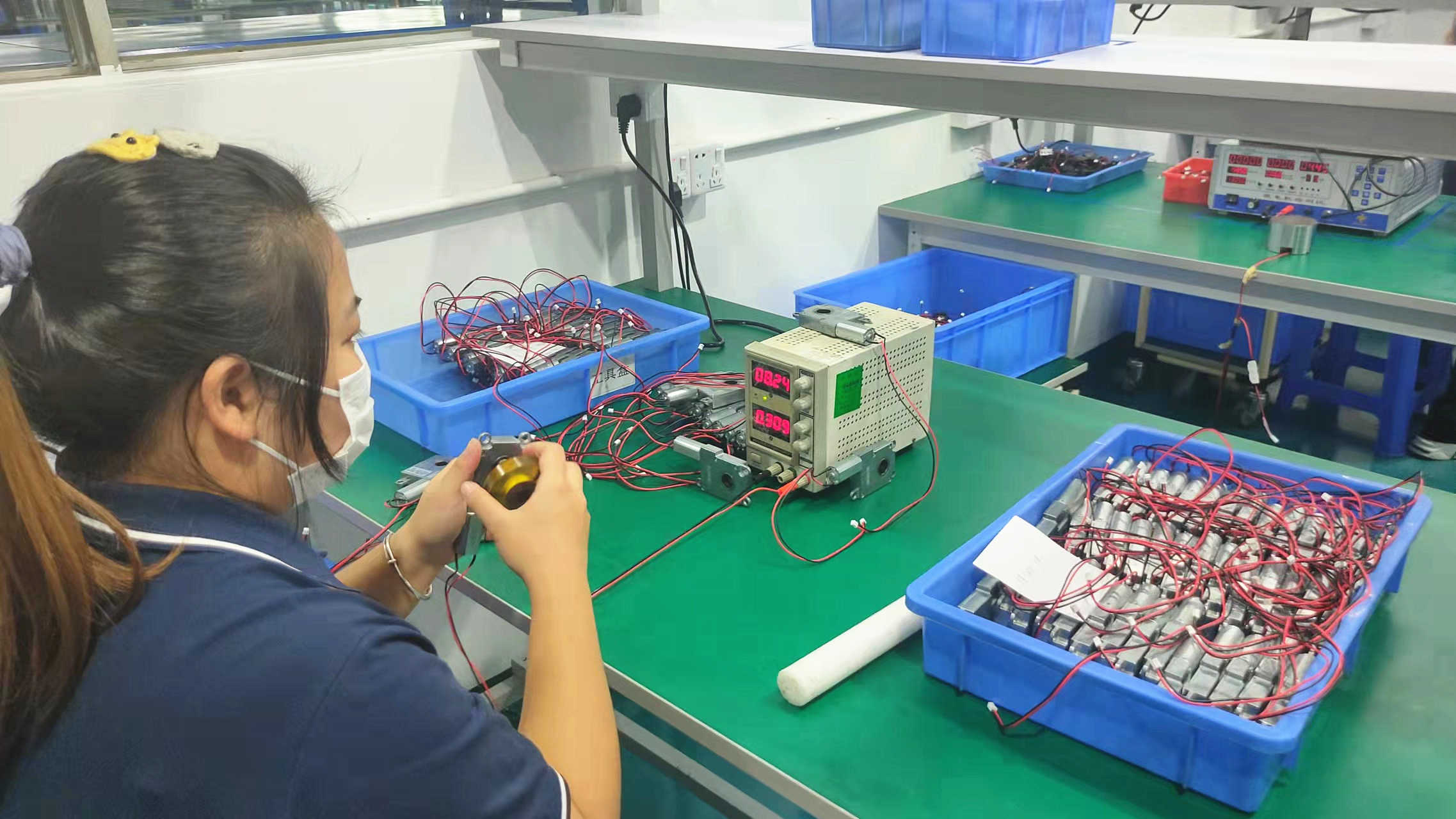 QC Inspection Desk
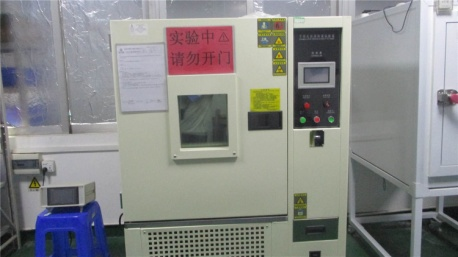 Temp & Humidity Chamber
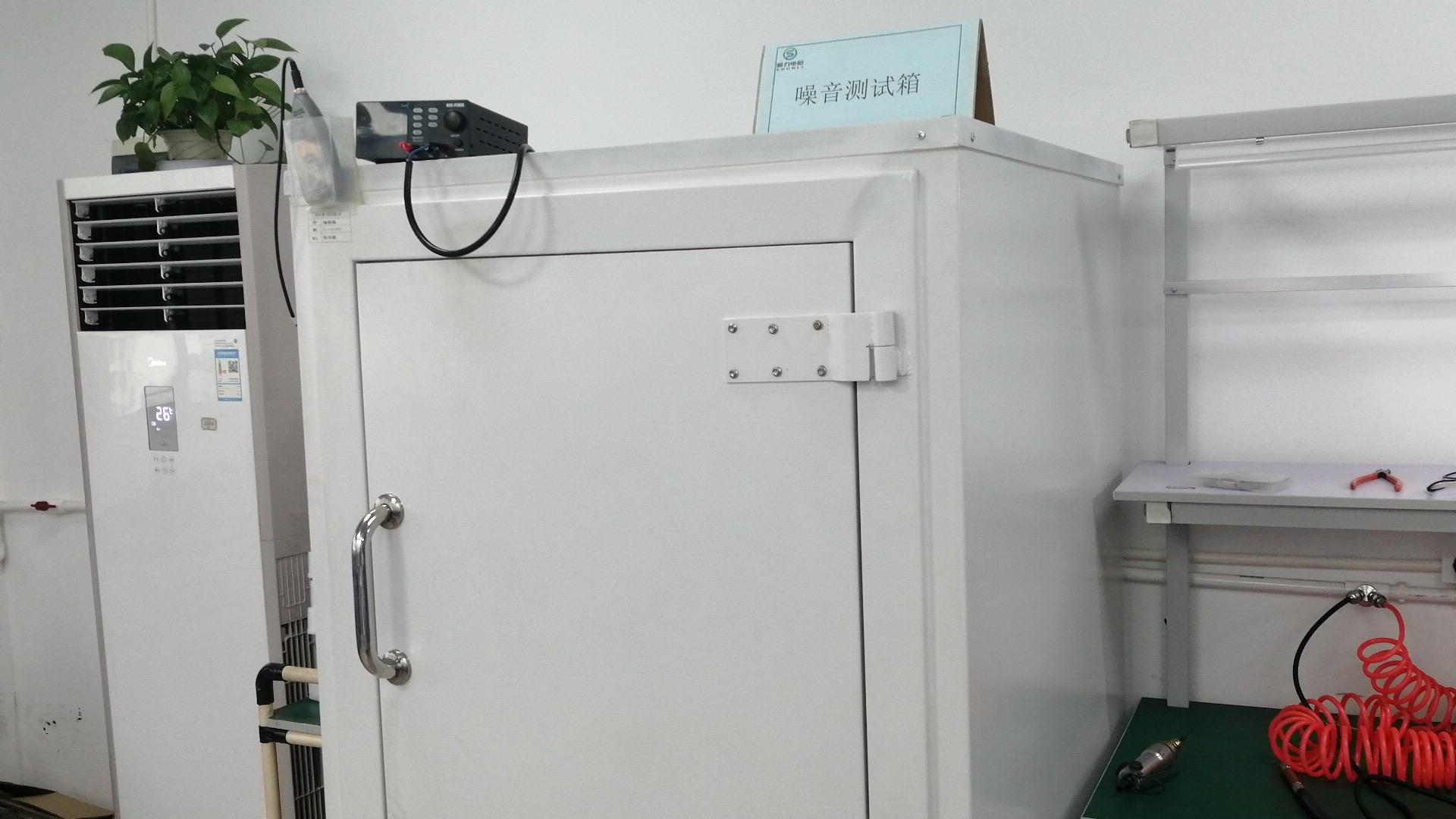 Noise Testing Chamber
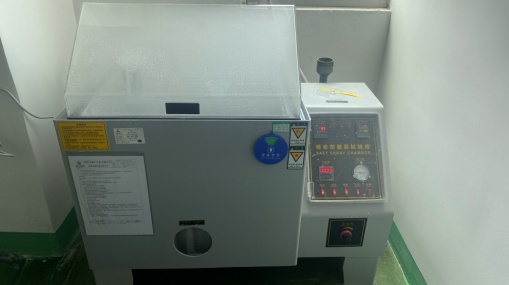 Salt Spray Tester
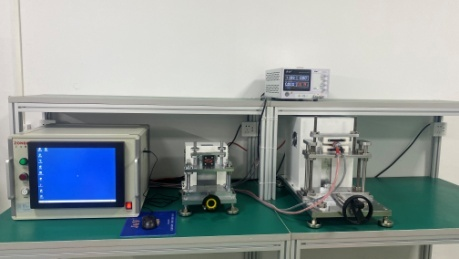 Dynamometer Machine
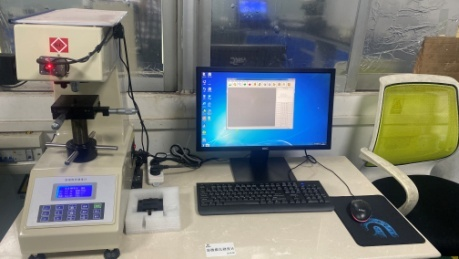 Hardness Tester
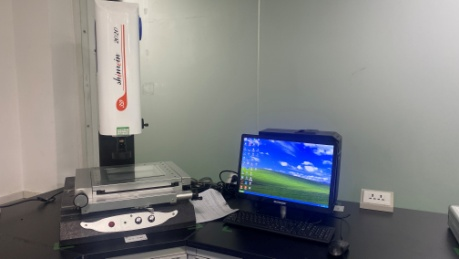 Video Measurement
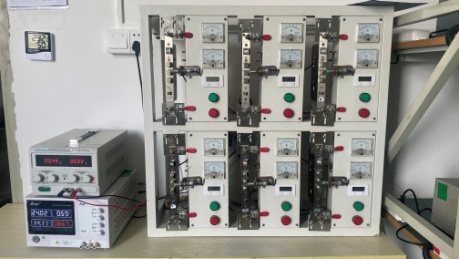 Aging Shelf
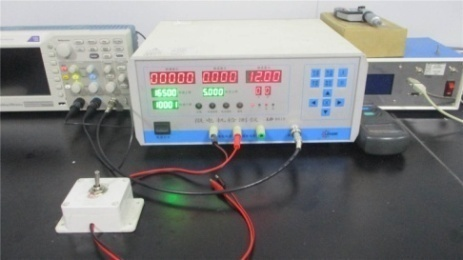 Motor Testing
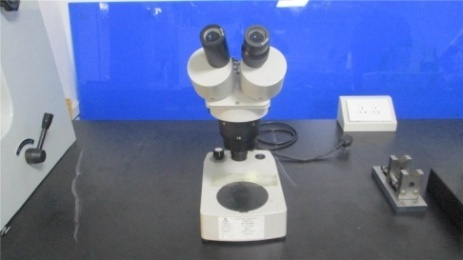 Microscope
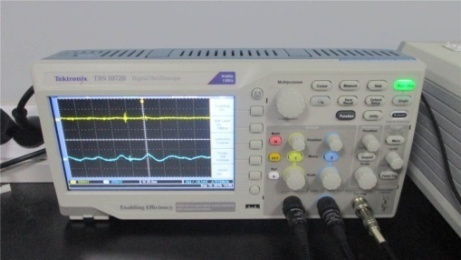 Digital Oscilloscope
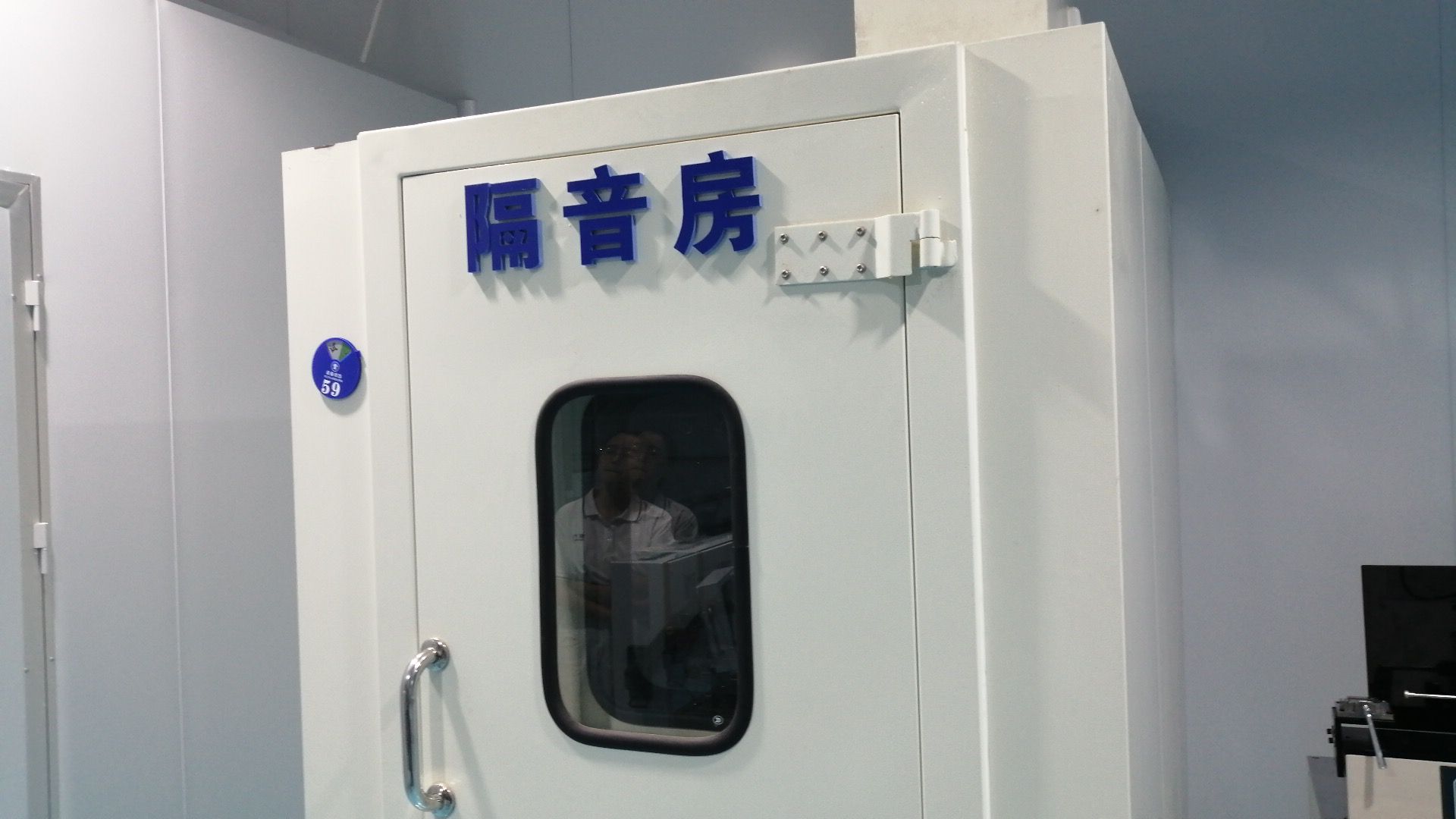 Soundproof Room
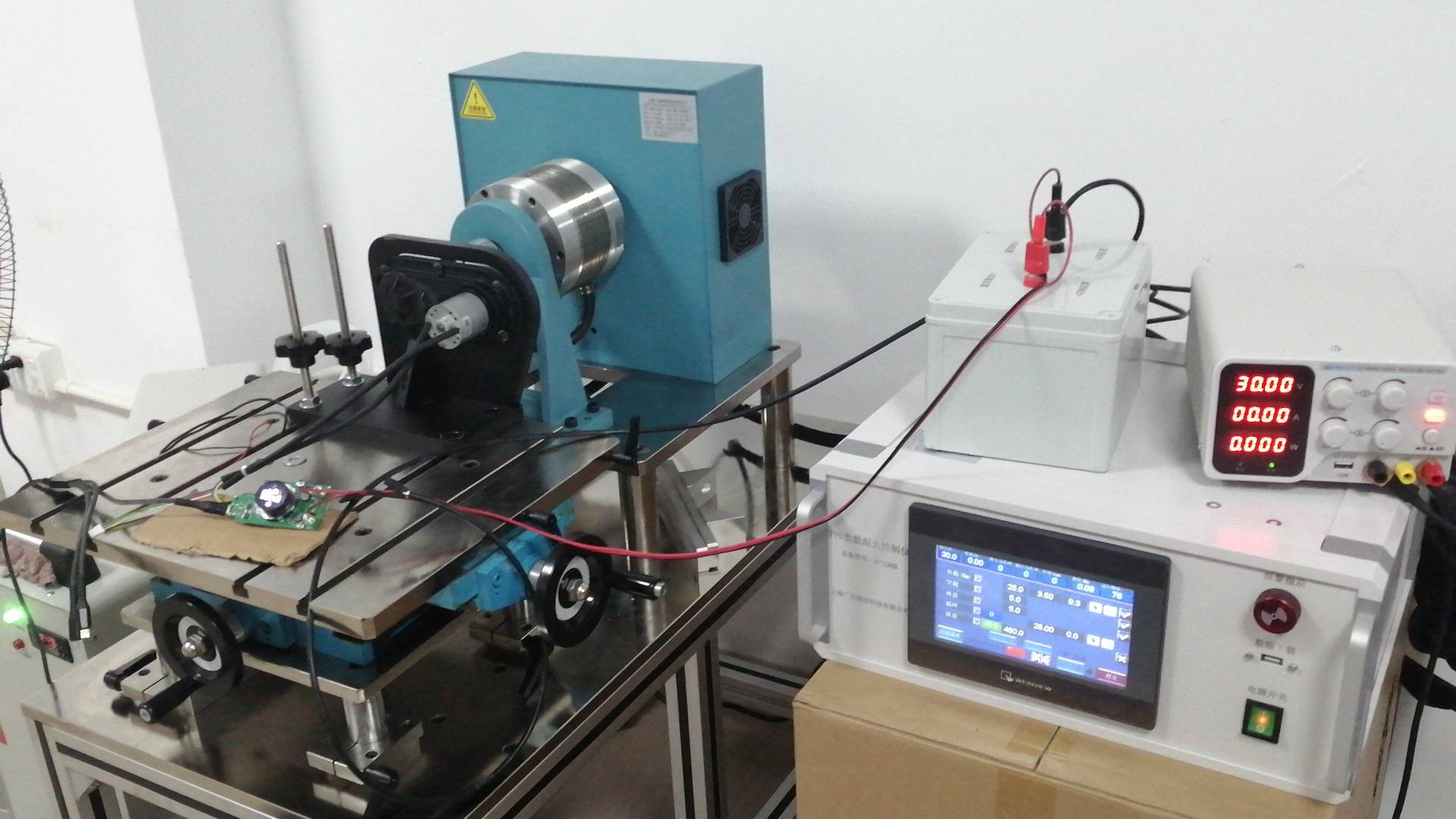 Magnetic Powder Testing Machine
Prior to manufacturing, engineering drawings are verified in specialized simulations. Design validation is executed using the following testing protocols:
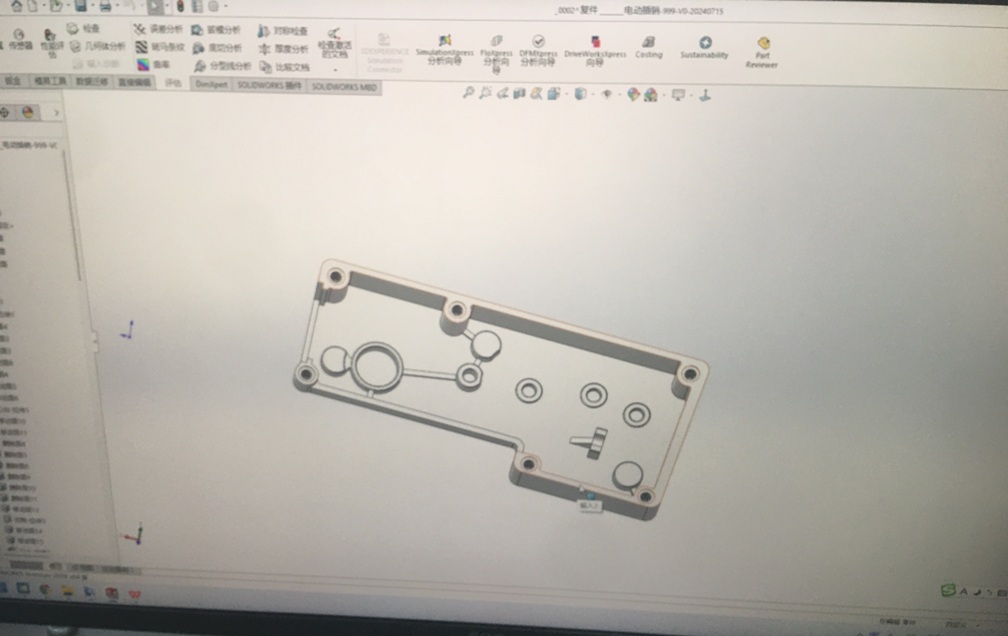 R&D CAD Design
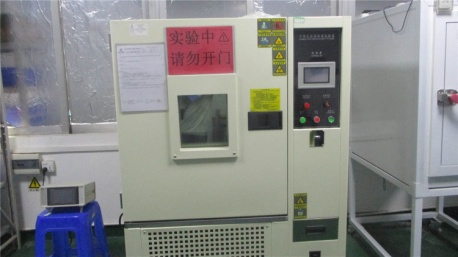 Climatic Profiling
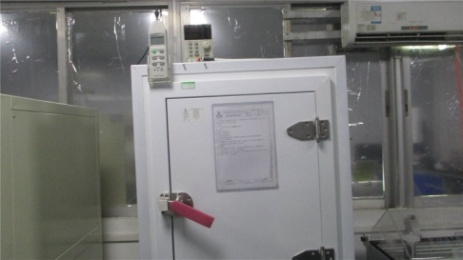 Acoustic Decibel Profiling
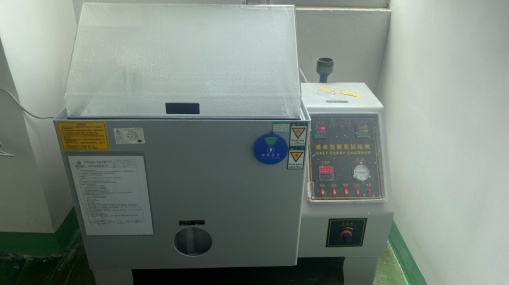 Corrosion Resistance Testing
International sourcing directors face strict quality criteria. When importing components into the North American, European Union, or Asia-Pacific markets, compliance is a baseline requirement:
An experienced motor supplier must supply comprehensive certification documentation. This includes CE marking for European machinery directives, UL/CSA certifications for North American electrical fire safety standards, and full compliance with RoHS and REACH environmental directives.
In addition to certification, top suppliers offer localized engineering support. Regional technicians can quickly address custom configuration challenges, field-testing failures, and warranty claims without the lag of overseas communication.
UL | CE | RoHS | ISO 9001:2015
To assist global procurement directors, our engineering group has defined the primary benchmarks for selecting top motor manufacturers:
| Selection Criteria | Minimal Standard | Industry Leader Standard |
|---|---|---|
| Thermal Capability | Class B (+130°C) | Class H (+180°C) to Class N (+200°C+) |
| Acoustic Output | < 50 dB at 30cm | < 30 dB (Ultra-silent profiles) |
| Gear Precision | Hobbed Gears (Standard) | CNC Ground / Slow-feed NC wire-cut components |
| Production Traceability | Batch-level lot codes | Unit-level serialization and digital test logs |
Direct answers from our engineering group to help hardware designers address integration and validation challenges.
Complete your technical evaluation by reviewing our high-torque, low-rpm planetary and shaded pole drives.
 WICCA Motor