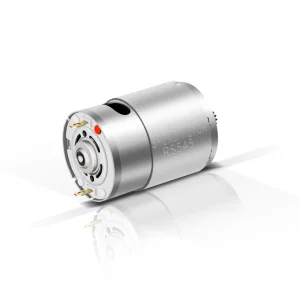
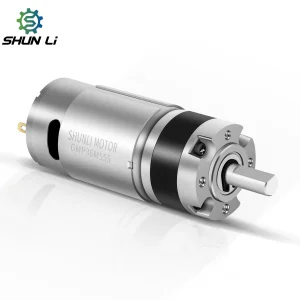
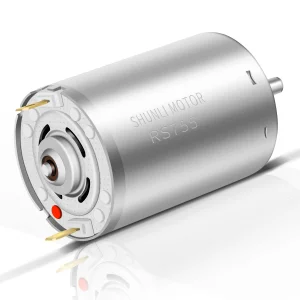
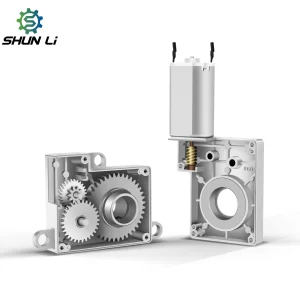
Top Trusted Underwater Motor Manufacturer & Exporter

Precision Engineering, Ingress Integrity, and Custom Propulsion Architectures Tailored for Extreme Hydrostatic Pressures and Demanding Marine Applications.

Silent Power Behind the World’s Smartest & Heaviest Systems

Open up a premium smart door lock, a high-end medical pump, a robotic cleaner, or an automotive electronic seat—and you’ll likely find the silent, reliable pulse of a WICCA Motor. Our design criteria has always been anchored in uncompromising mechanical stability. As high-precision applications move outward from controlled indoor spaces into harsh, saturated environments, we have scaled our foundational micro-drive expertise to power advanced underwater motor platforms.

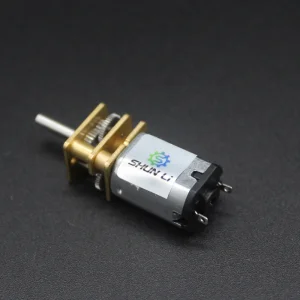
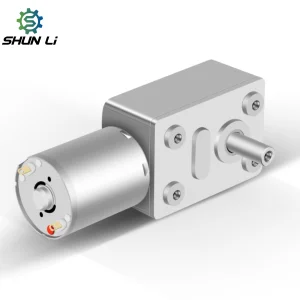
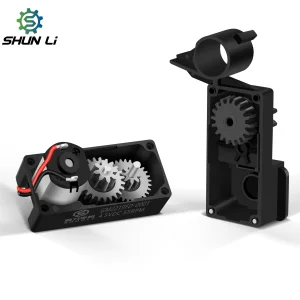
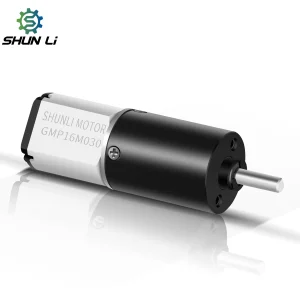
We do not just build raw hardware; we engineer the precise physical drives that protect your brand’s reputation. Our micro DC, planetary geared, and brushless underwater motor solutions are optimized for ultra-low acoustic signatures, exceptional volumetric efficiency, and optimized heat dissipation profiles. These critical factors allow marine equipment designers, roboticists, and industrial engineers to push the physical boundaries of their subsea enclosures. When system uptime is paramount in underwater environments, WICCA Motor provides the necessary hydrostatic reliability.

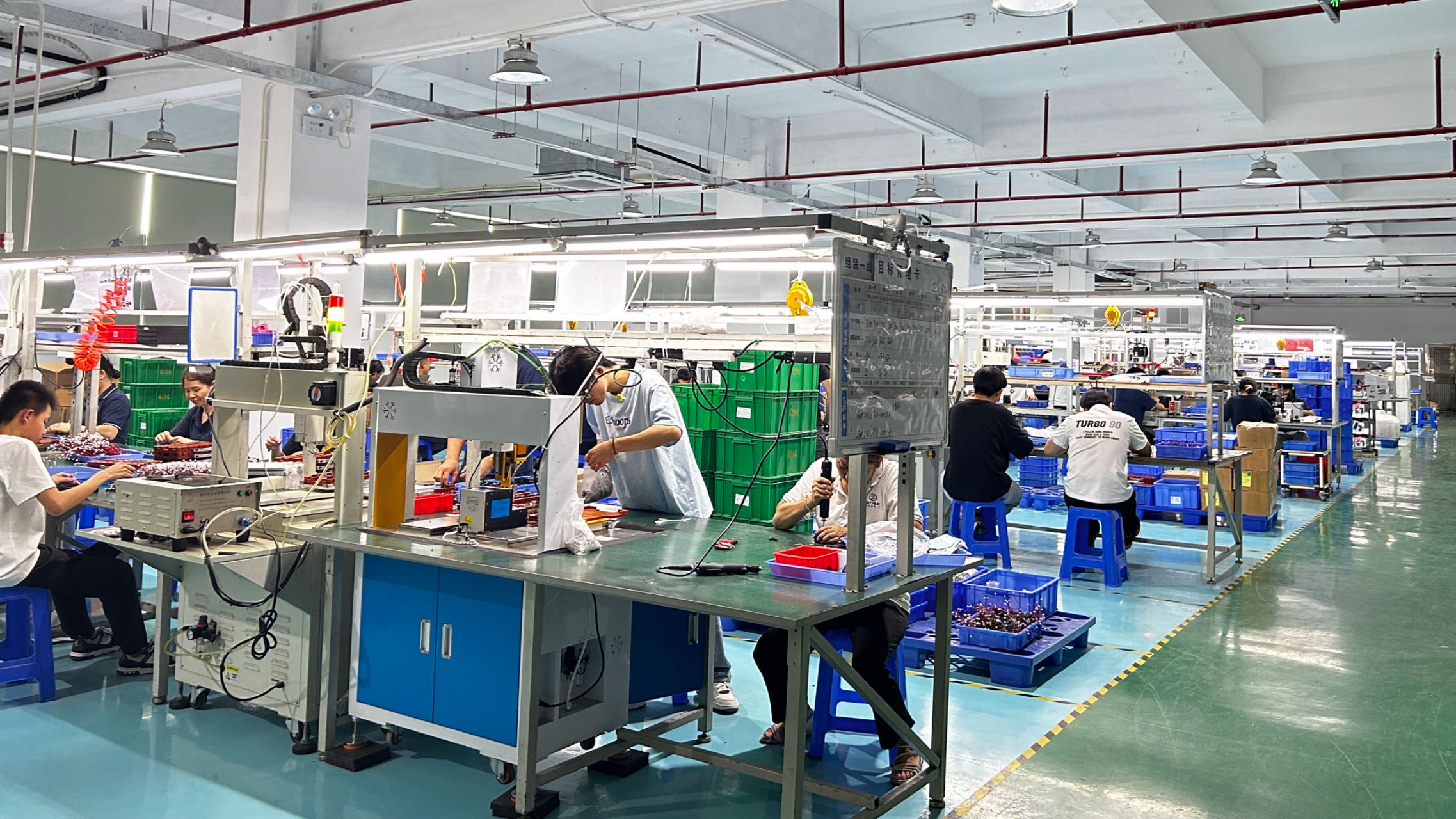
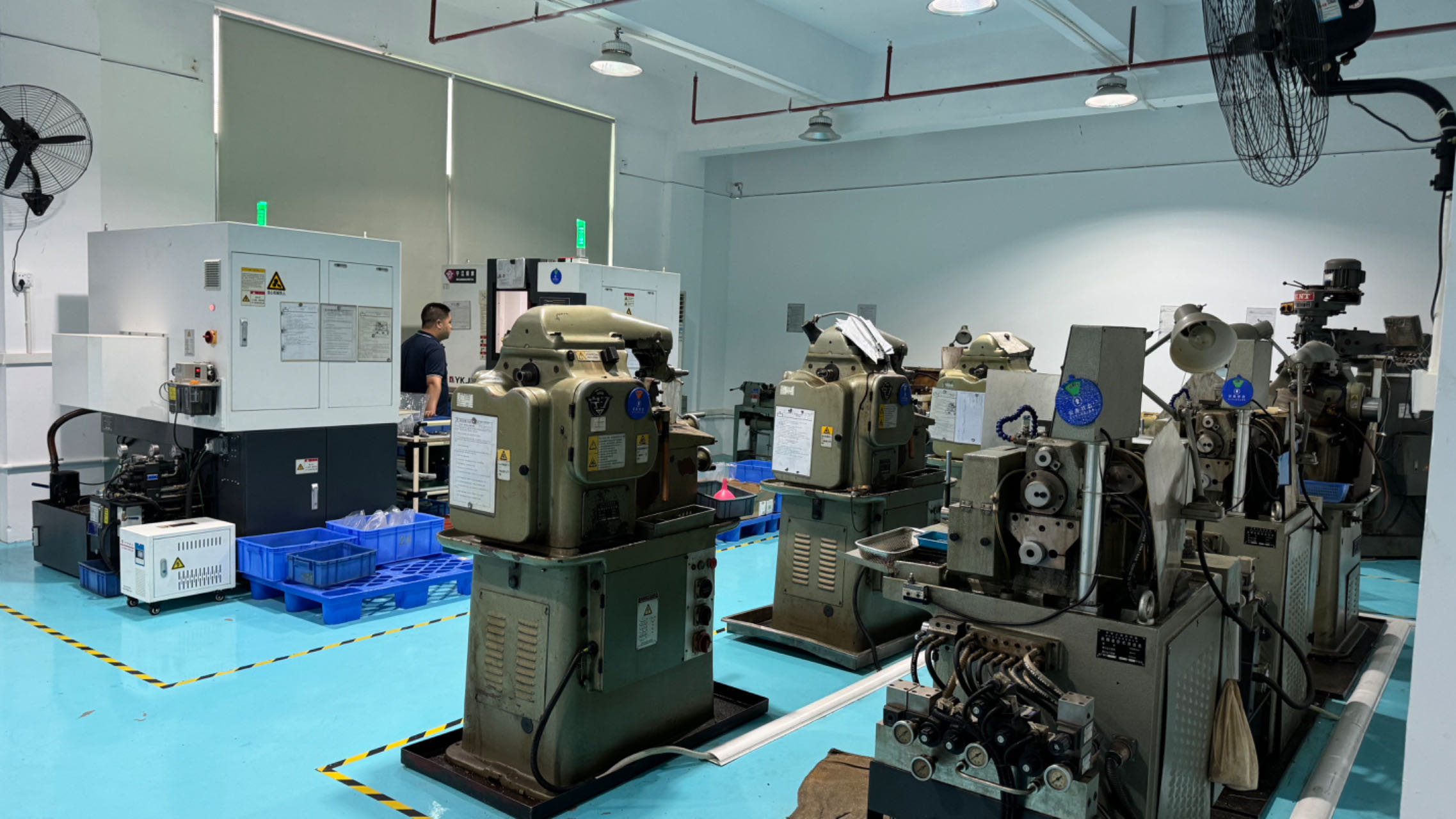
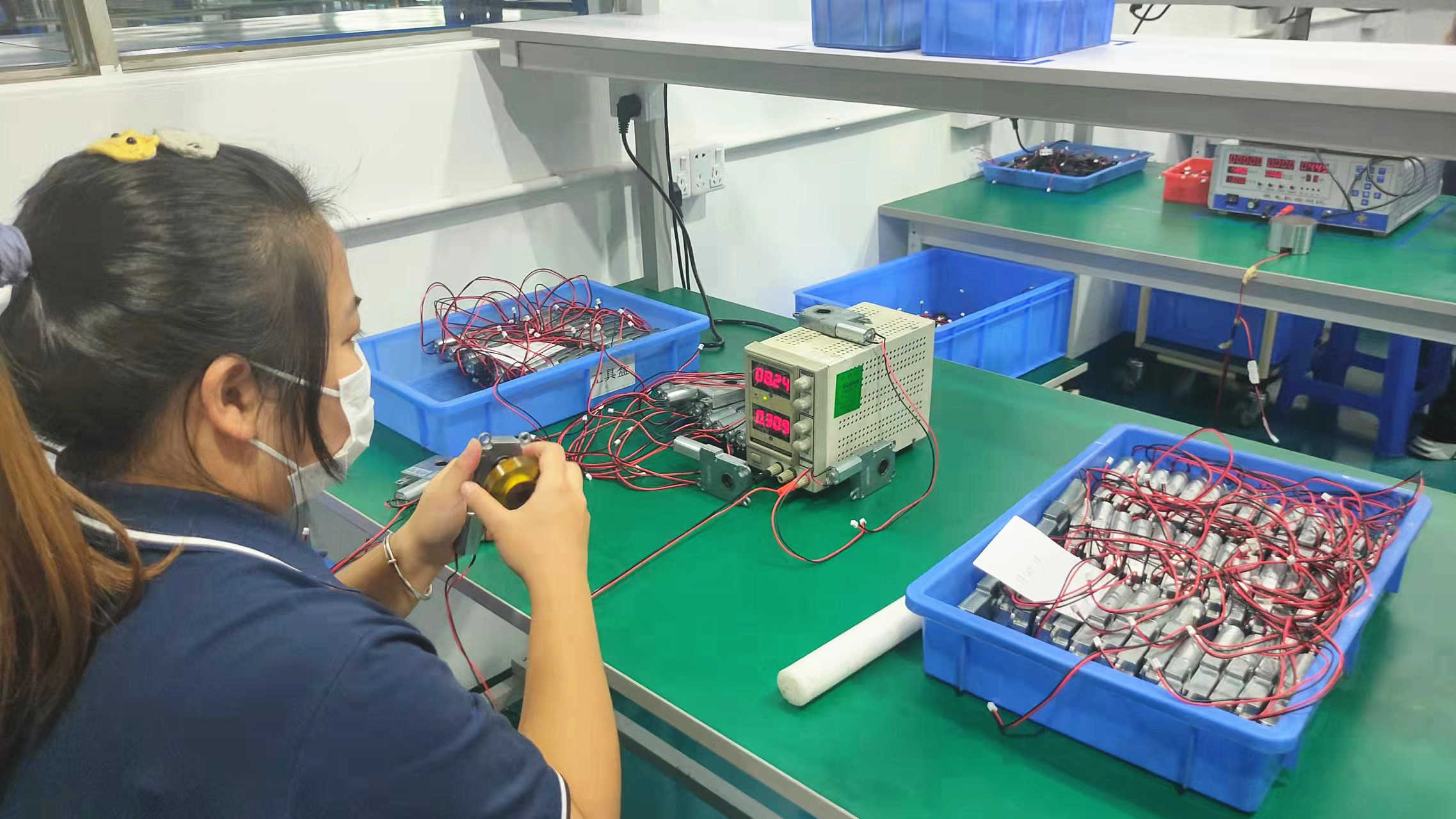
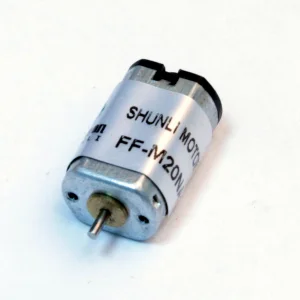
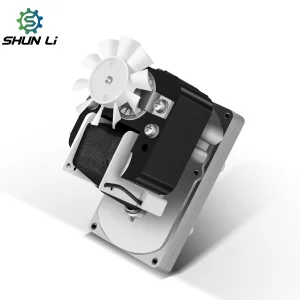
Production Process Line 1
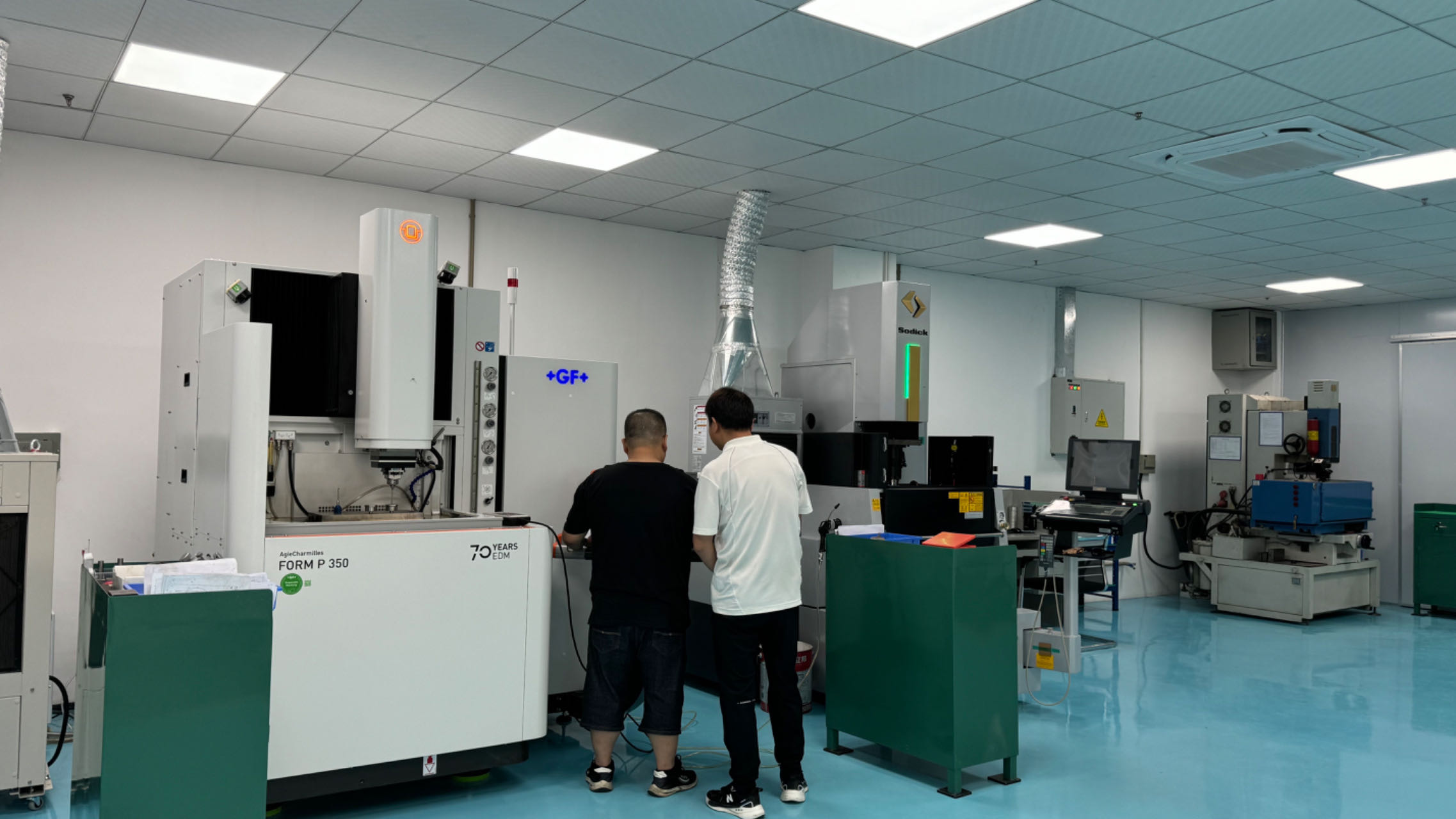
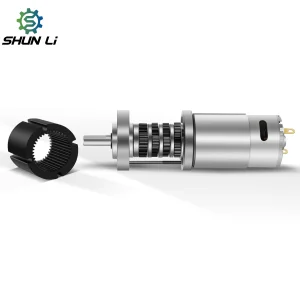
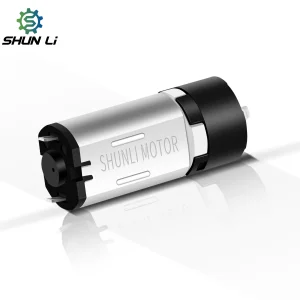
Production Process Line 2
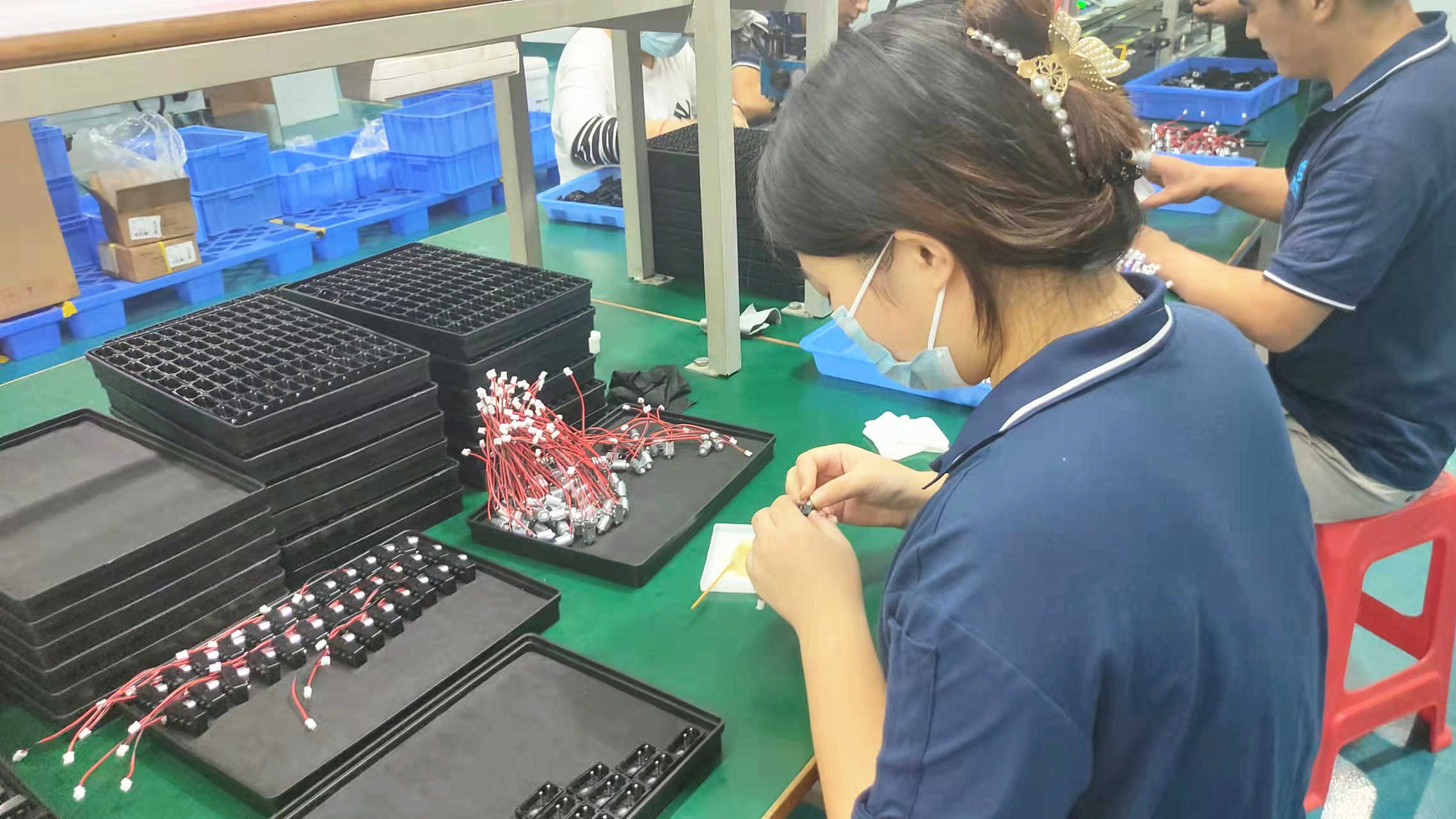
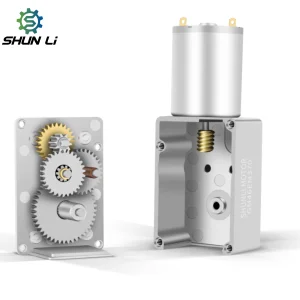
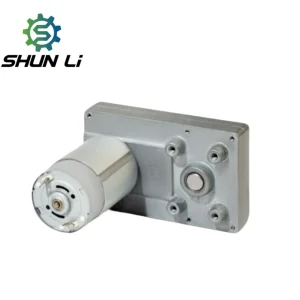
Production Process Line 3
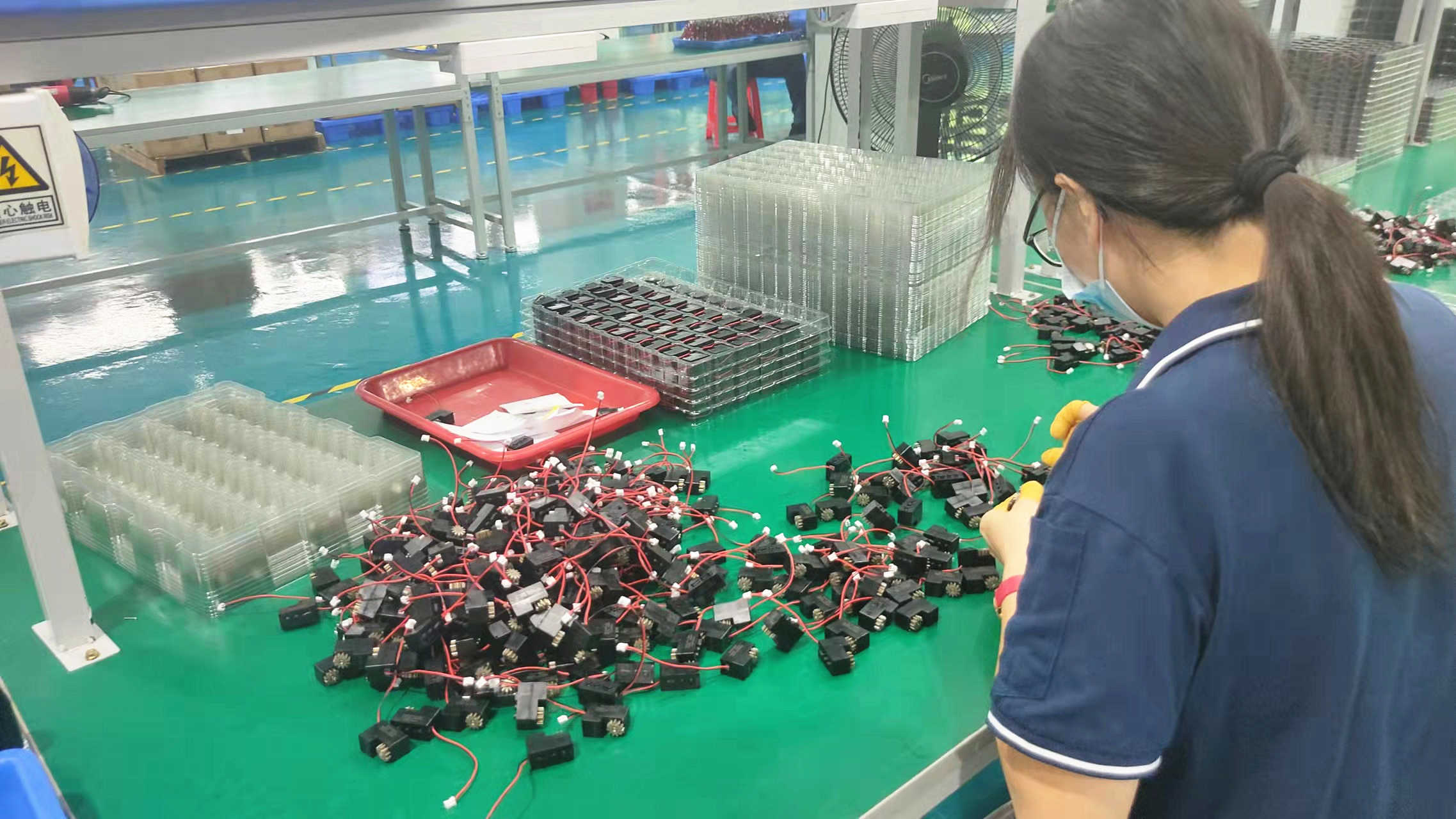
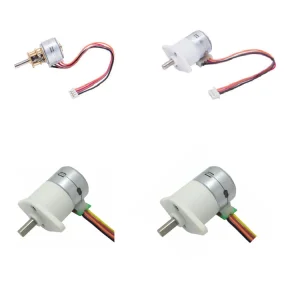
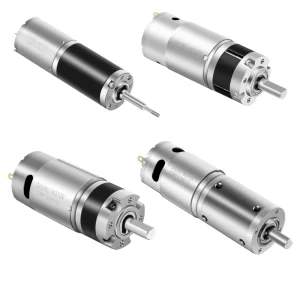
Production Process Line 4

Technical Anatomy of Subsea & Underwater Motors

Designing and exporting motors that operate beneath the water's surface requires addressing three main challenges: pressure equalization, corrosive dynamics, and hermetic sealing. In shallow depths, static sealing configurations (such as radial double O-rings or rotary shaft seals) are sufficient to prevent ingress. However, deep-water and marine environments demand more advanced engineering. WICCA's specialized underwater motors address these demands using a multi-layered design philosophy:

  • Pressure-Compensated Oil-Filled Design: The motor cavity is filled with a dielectric fluid. A dynamic diaphragm adjusts to external hydrostatic changes, equalizing internal and external pressures. This eliminates pressure differentials across seals, extending motor life.
  • Corrosion-Resistant Metallurgy: Standard shafts are replaced with AISI 316L, Duplex stainless steel, or Titanium alloys. Outer housings receive hard-anodized or passivated coatings to withstand salt-water corrosion.
  • Brushless Commutated Efficiency (BLDC): Removing physical carbon brushes minimizes mechanical wear. It also prevents arcing in oil-filled designs and provides higher power-to-weight ratios, which are essential for underwater applications.

SEO Insight & Technical Reality: While many standard suppliers claim IP68 ratings for simple splash-proof motors, industrial marine systems demand true continuous immersion ratings, which are verified under simulated depth pressures. WICCA's engineering designs comply with these strict requirements through rigorous, verified testing protocols.

Empirical Excellence by the Numbers

Data-driven performance metrics backing our international industrial footprint.

IP68/69K
Ingress Certification
3000M+
Depth Rating Equivalent
10,000+
Hours Continuous MTBF
100%
Automated QA Tracking

China Factory Supply Chain Resilience & Structural Efficiency

Global OEMs face challenges from supply chain disruptions, fluctuating raw material costs, and strict quality control requirements. Operating out of China's advanced manufacturing hubs, our factory utilizes regional component ecosystems, automated raw material processing, and specialized production machinery to maintain stable supply chains.

We source high-purity magnetic materials, structural steel, and specialized elastomers locally, shielding production from international supply shocks. Additionally, our vertical integration—which covers internal precision machining, gear hobbing, coil winding, automated soldering, and quality control—allows us to maintain consistent lead times.

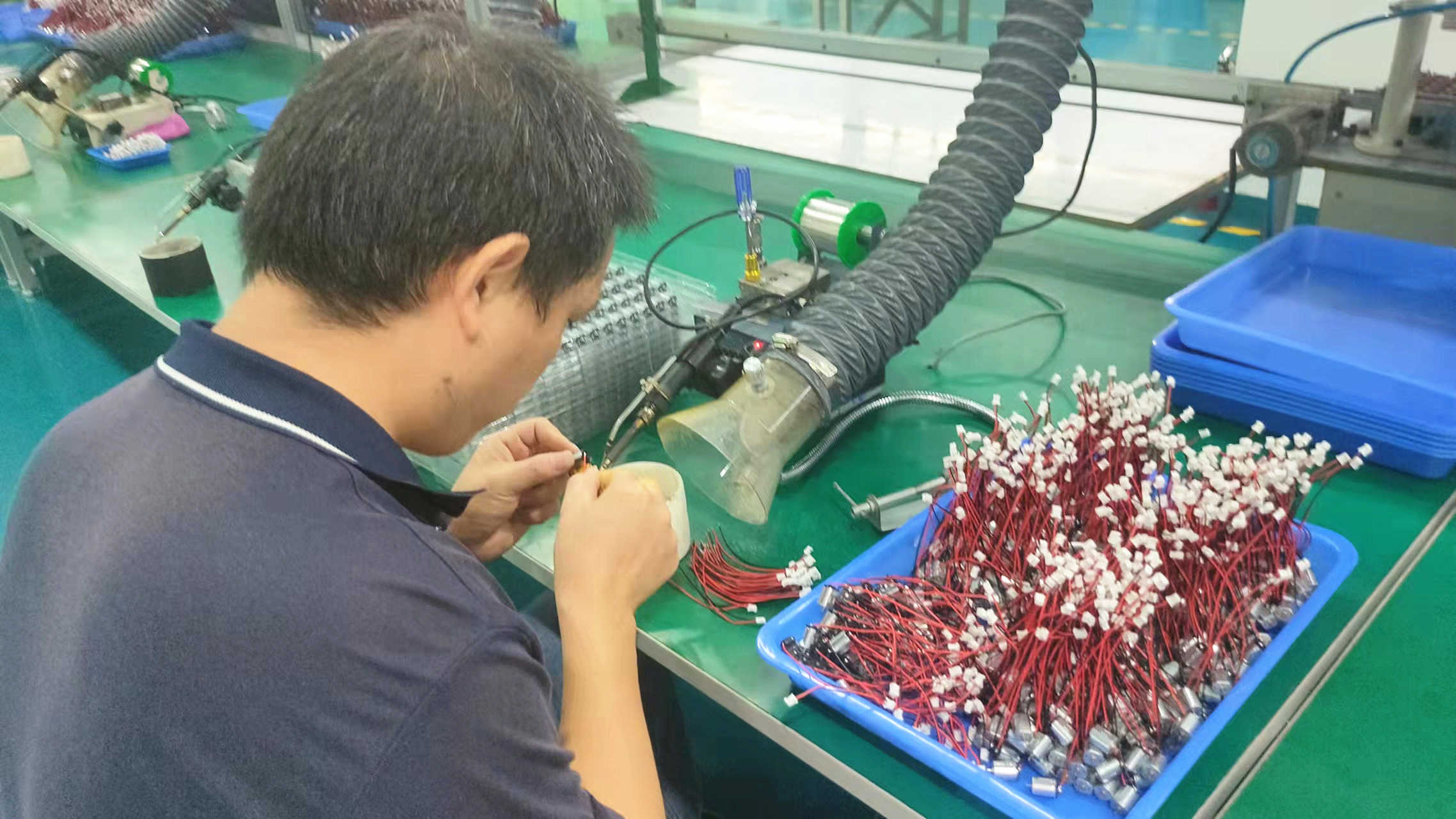
The End-to-End Production Process

Raw Material Sourcing
Raw Material Verification
Precision Soldering
Automated Soldering
Motor Assembly Line
Structural Assembly
Quality Testing
Multi-Stage Electrical Testing
Secure Packing
Protective Export Packaging
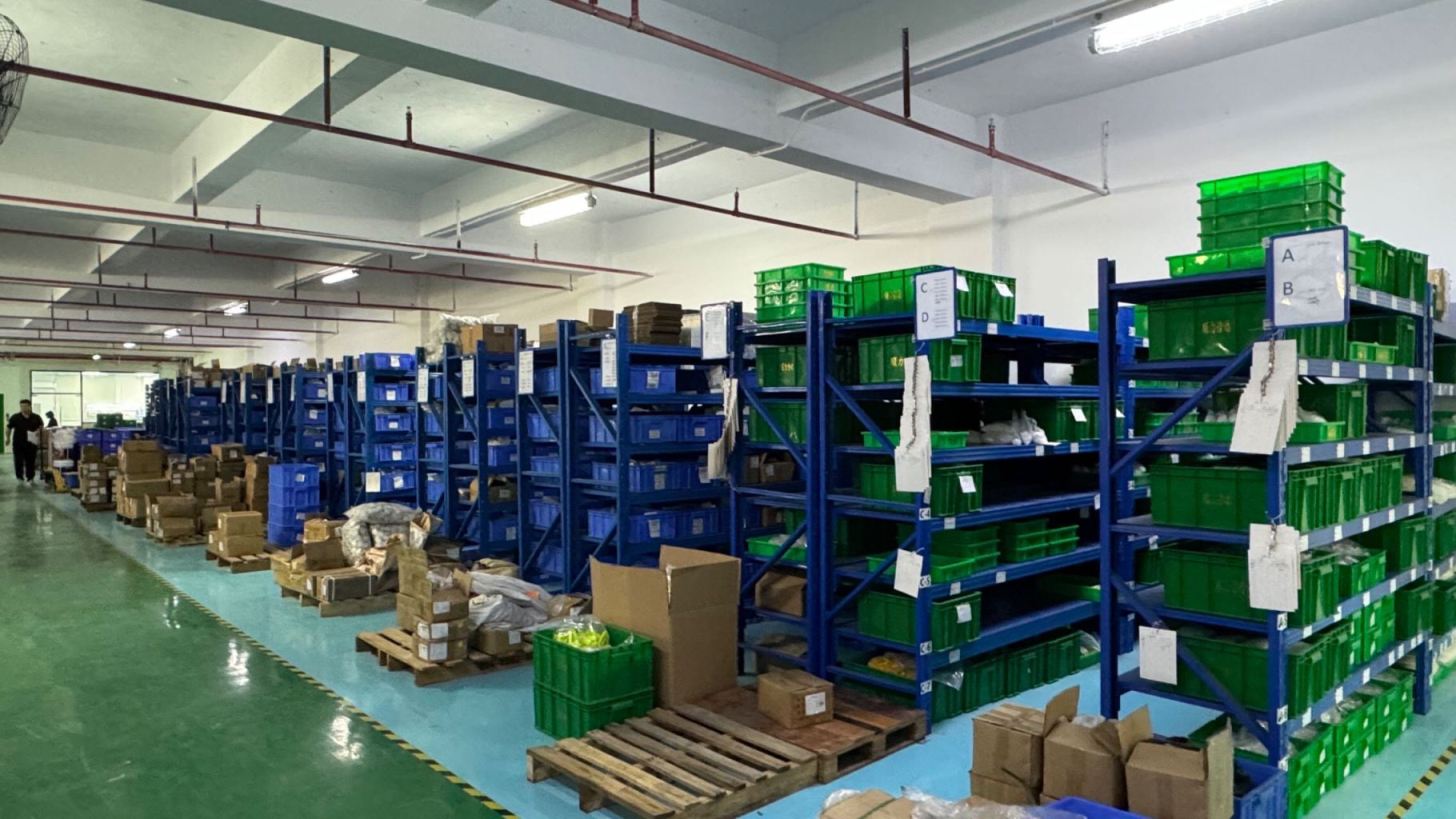
Logistics Storage
Climate-Controlled Storage

Precision Machining Facilities

High-performance underwater propulsion relies on micron-level dimensional tolerances. A minor imbalance in gear alignment or dynamic shafts can degrade rotational seals, leading to fluid ingress. WICCA utilizes advanced machinery to achieve the precision required for marine applications.
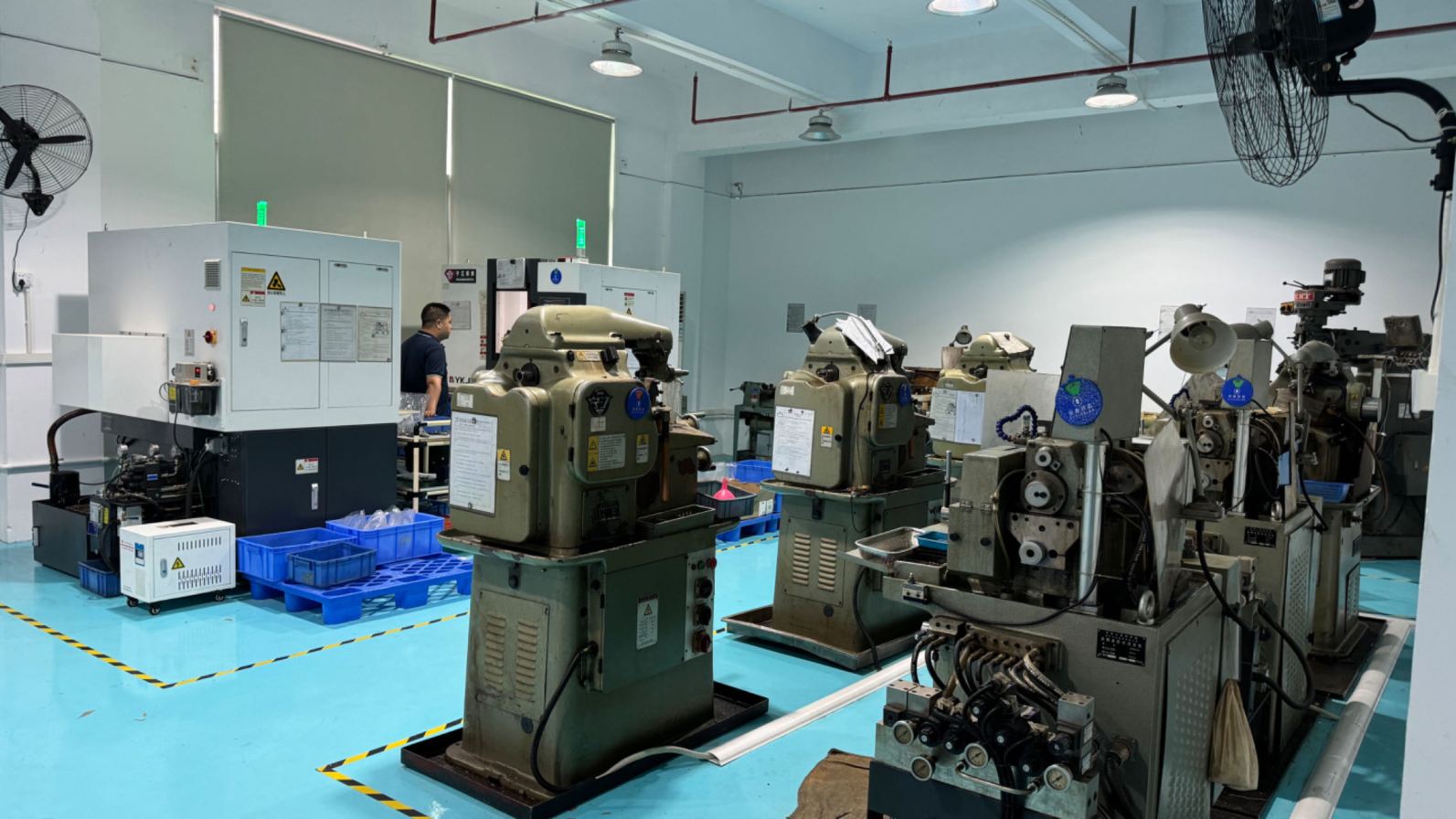
Ningjiang Machine Tool
NINGJIANG MACHINE TOOL
High Precision Hobbing Machine
High Precision Gear Hobbing
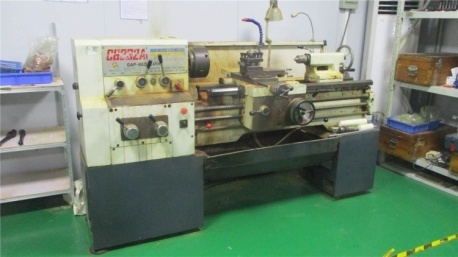
Lathing Machine
Lathing Machine
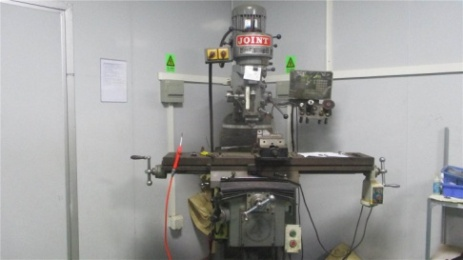
Milling Machine
Milling Machine
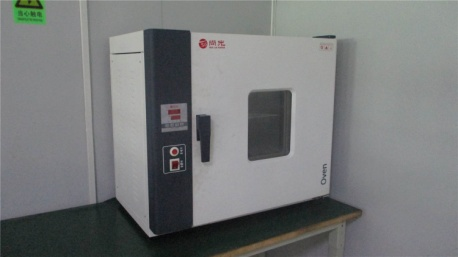
Drying Oven
Drying Oven
Automatic Gear Riveting Machine
Automatic Gear Riveter
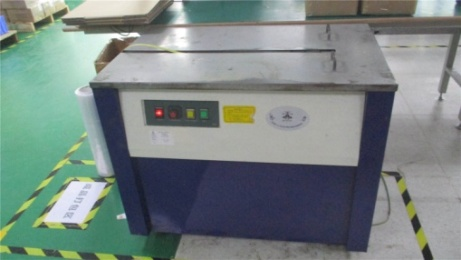
Packing Machine
Packing Machine
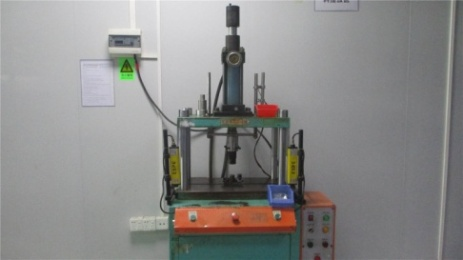
Pneumatic Pressing Machine
Pneumatic Pressing
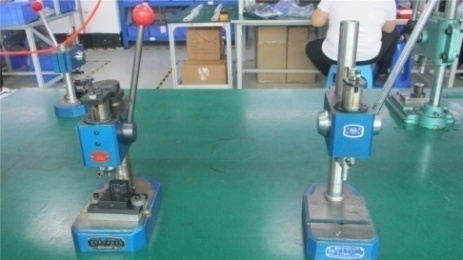
Manual Pressing Machine
Manual Pressing
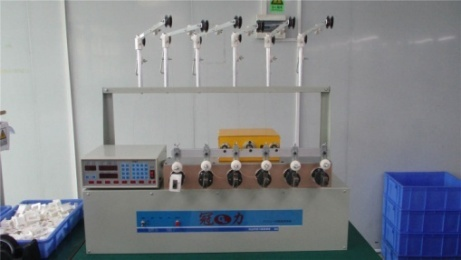
Computer Wire Winding Machine
Computer Wire Winding
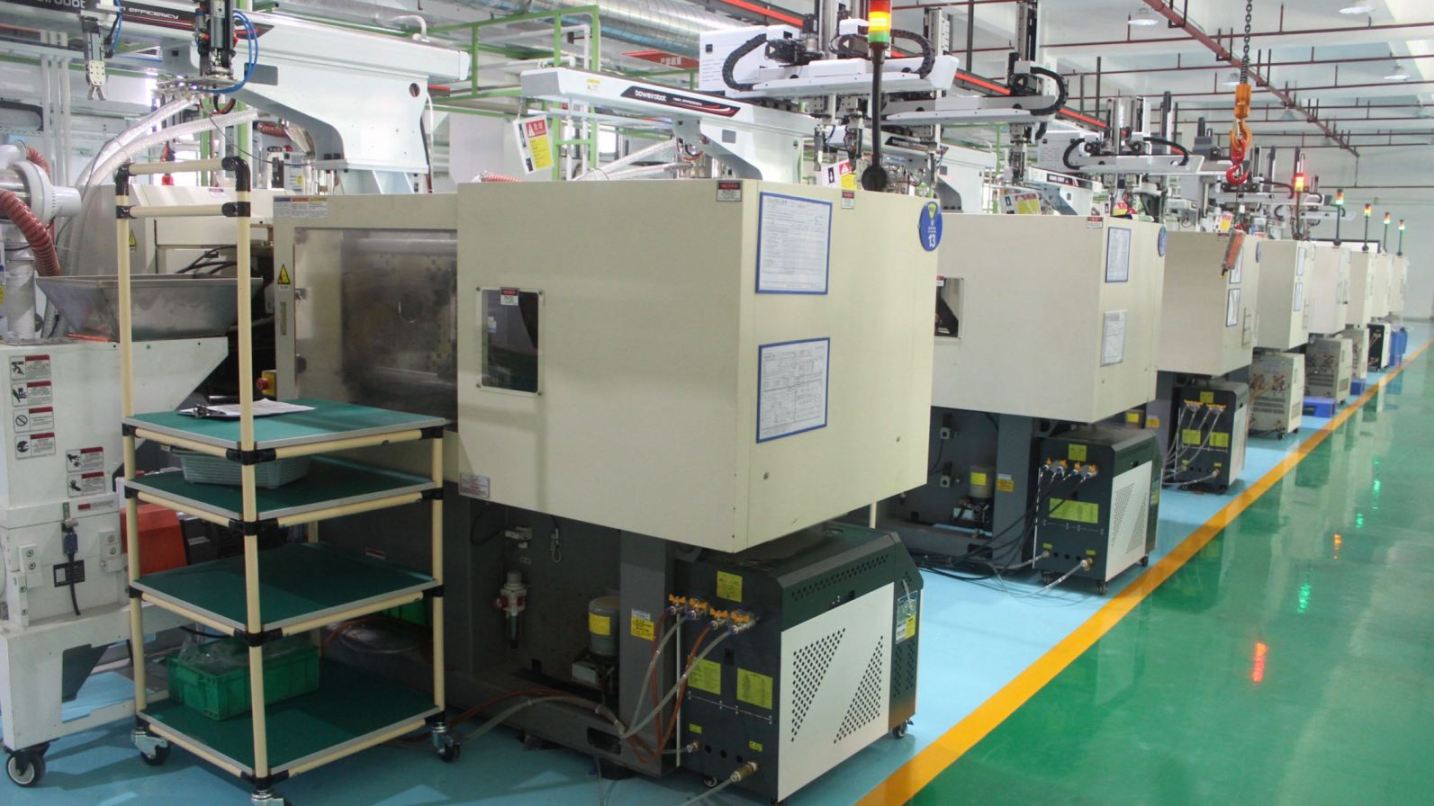
Injection Machine
Injection Machine
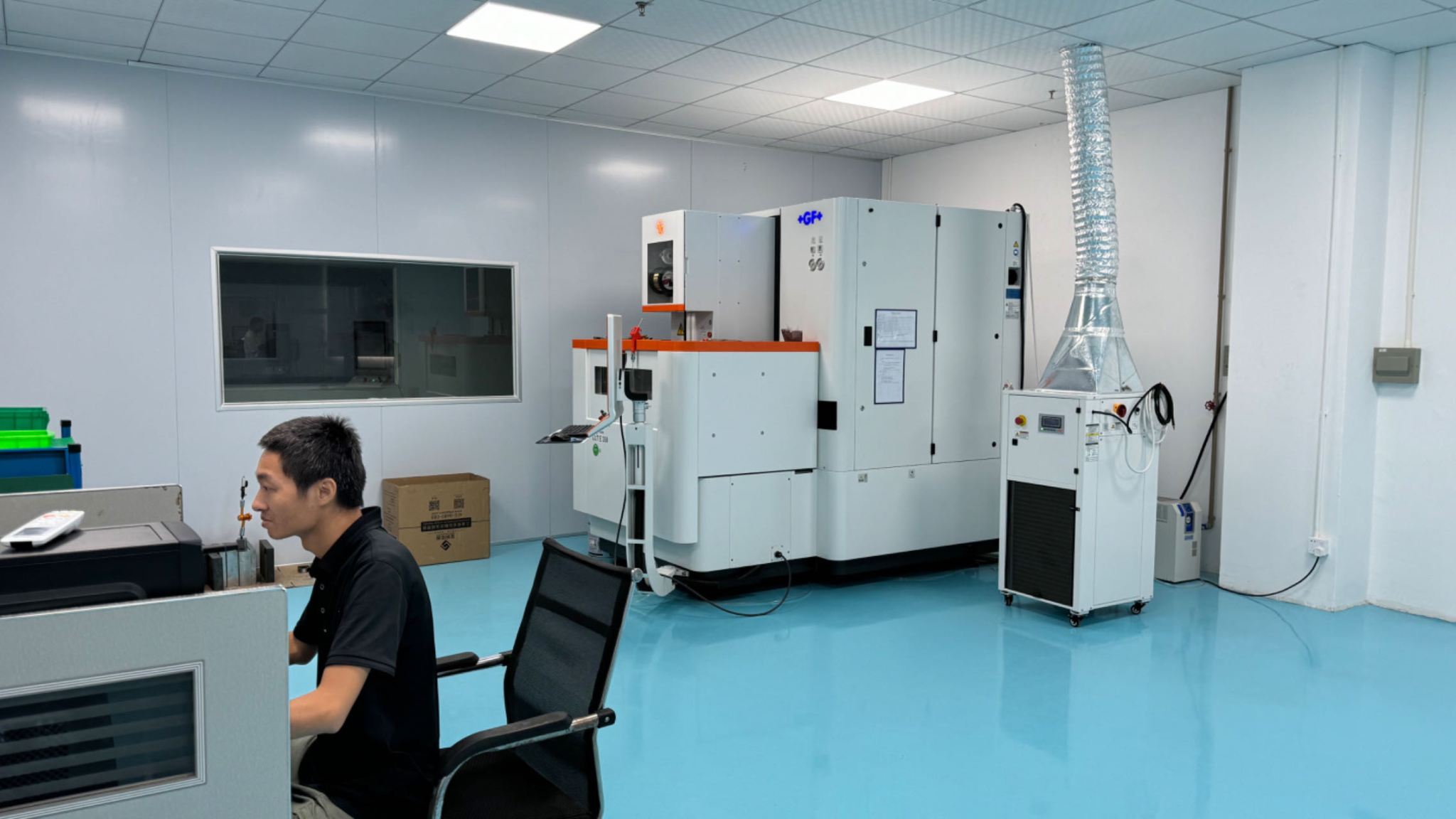
Slow-feeding NC wire-cut machine
Slow-feeding NC Wire-cut
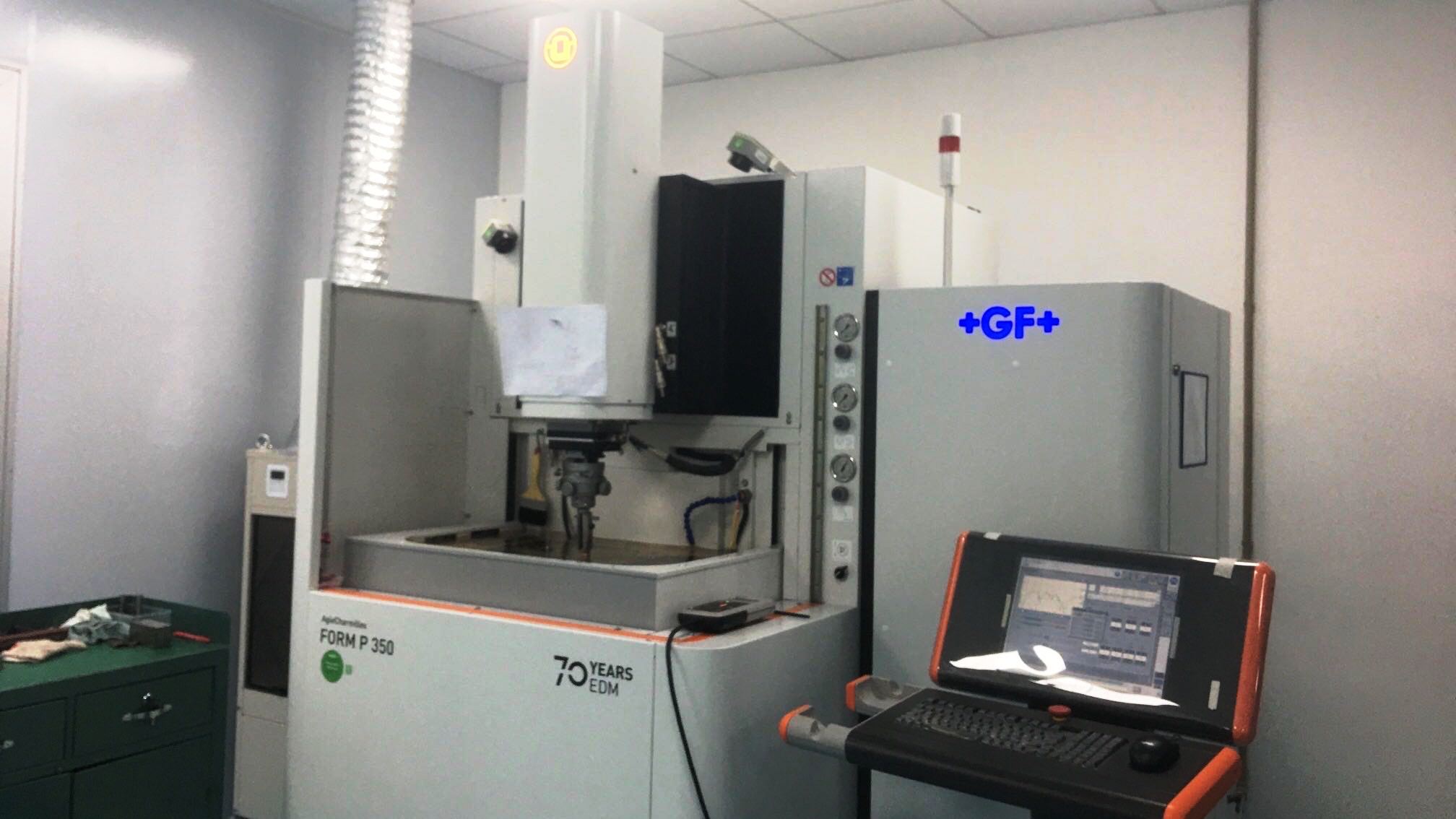
EDM Machine
EDM Machine
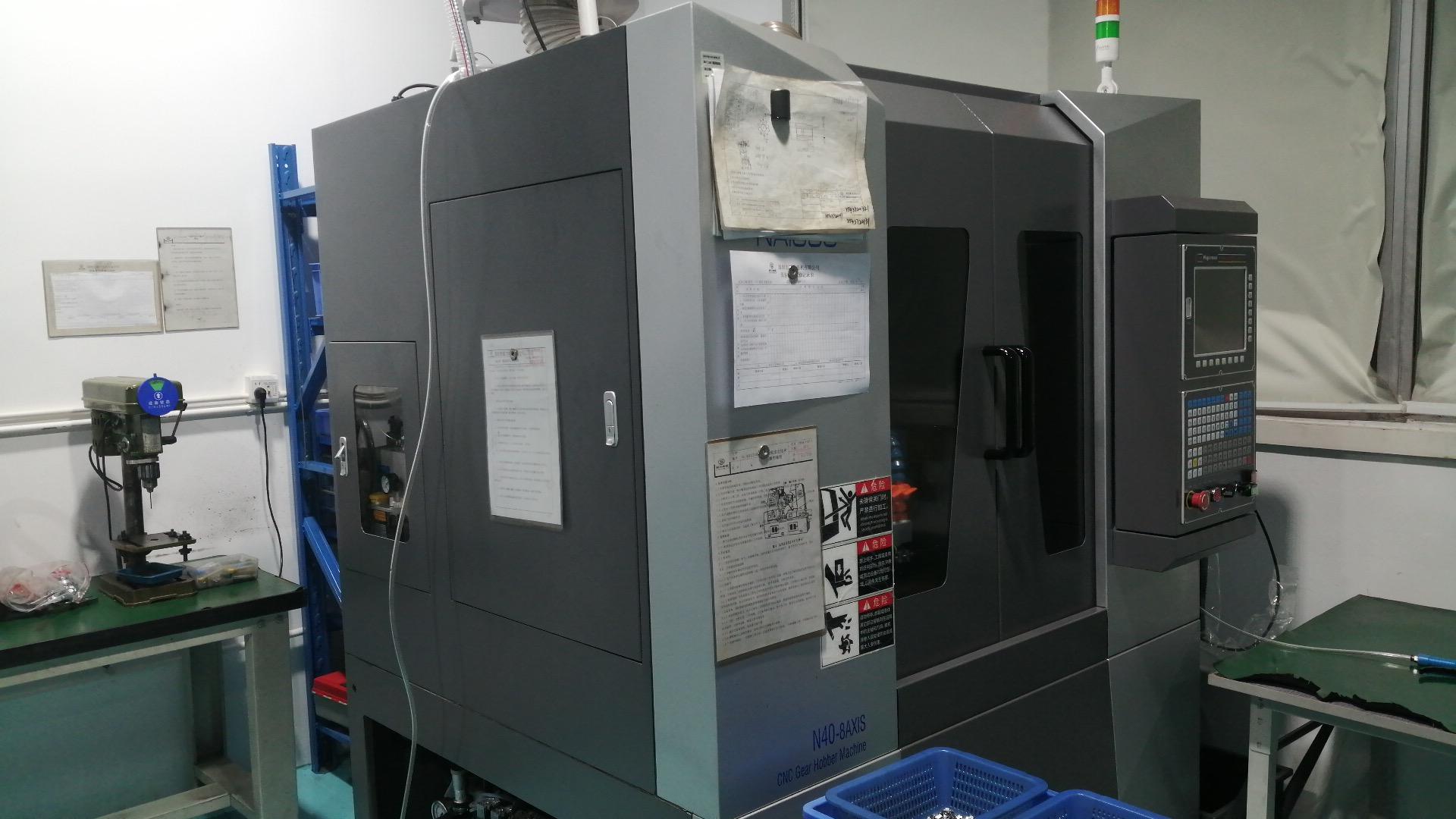
Hobbing Machine
Hobbing Machine
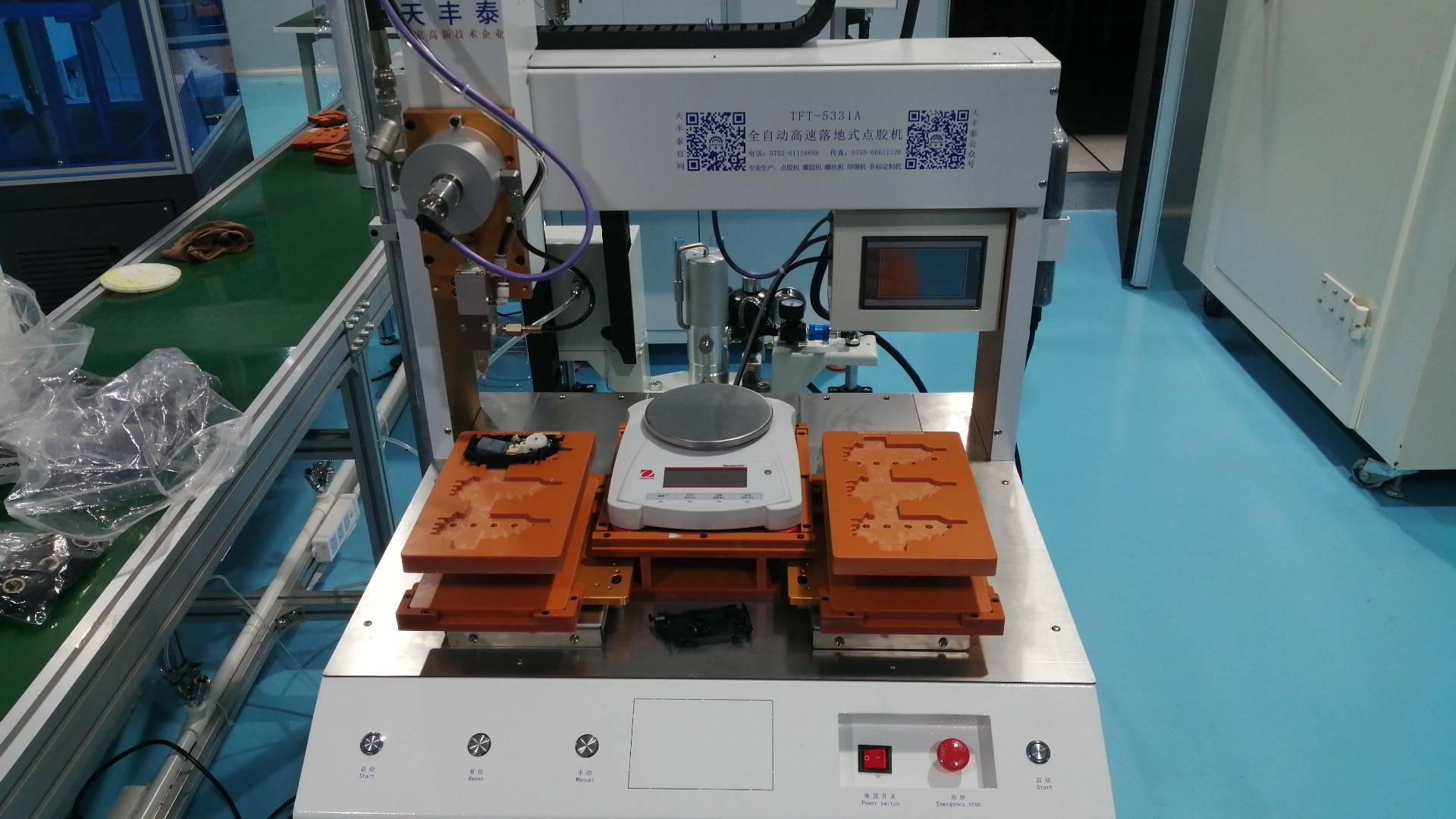
Glue Dispenser
Automatic Glue Dispenser

Localized Application Scenarios of Underwater Motors

Subsea drive technology is critical to several major global industries. High-reliability underwater motors are used in various specialized operations:

Subsea Robotics (ROVs & AUVs)

Remotely Operated Vehicles (ROVs) and Autonomous Underwater Vehicles (AUVs) rely on compact motors for multi-axis thrusters, mechanical manipulators, and camera positioning mounts. WICCA's motors are designed to withstand high pressure and torque changes during deep dives.

Marine Aquaculture & Automation

Automated cage systems, feeding systems, and underwater cleaning crawlers require continuous operation in shallow, highly biocorrosive environments. Our double-sealed motors prevent organic growth and seawater corrosion, helping reduce maintenance cycles.

Offshore Energy & Pipeline Inspection

Pipeline crawlers and downhole diagnostic tools require compact, high-torque geared motors to navigate tight, submerged passages. Oil-filled pressure compensation allows these units to operate under high pressure for long periods.

Metrology and Inspection Framework

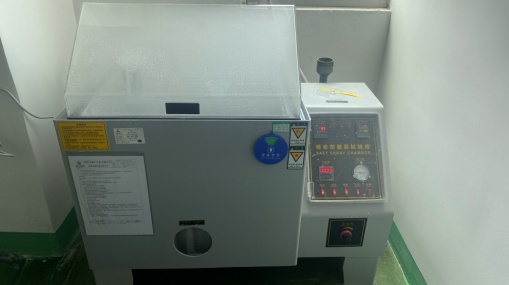
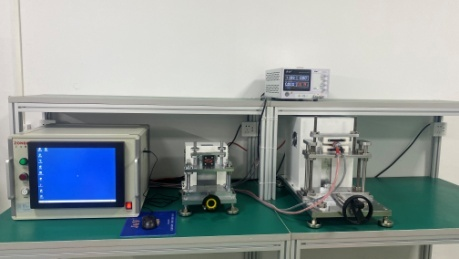
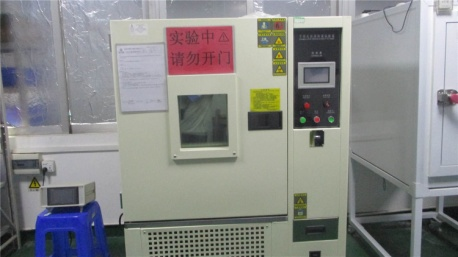
Every batch of motors leaving our facility undergoes a standardized testing process. Standard electrical audits are followed by simulated marine stress profiling. We operate testing equipment that subjects components to high salinity, extreme thermal cycles, and load variations. This helps verify that each exported motor meets target specifications.
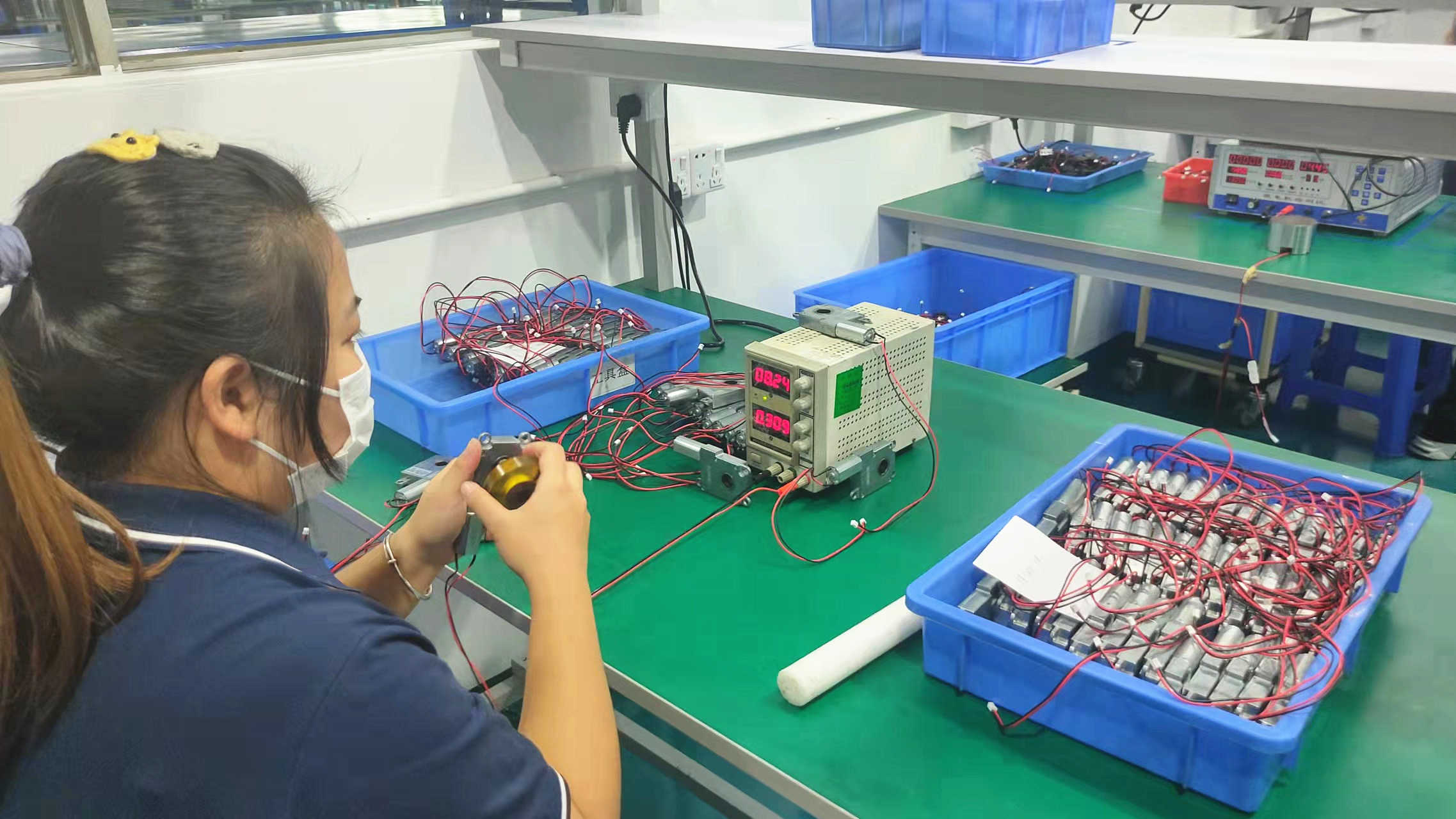
Qc Checking
QC Verification
Programmable Temperature Testing
Programmable Temp Chamber
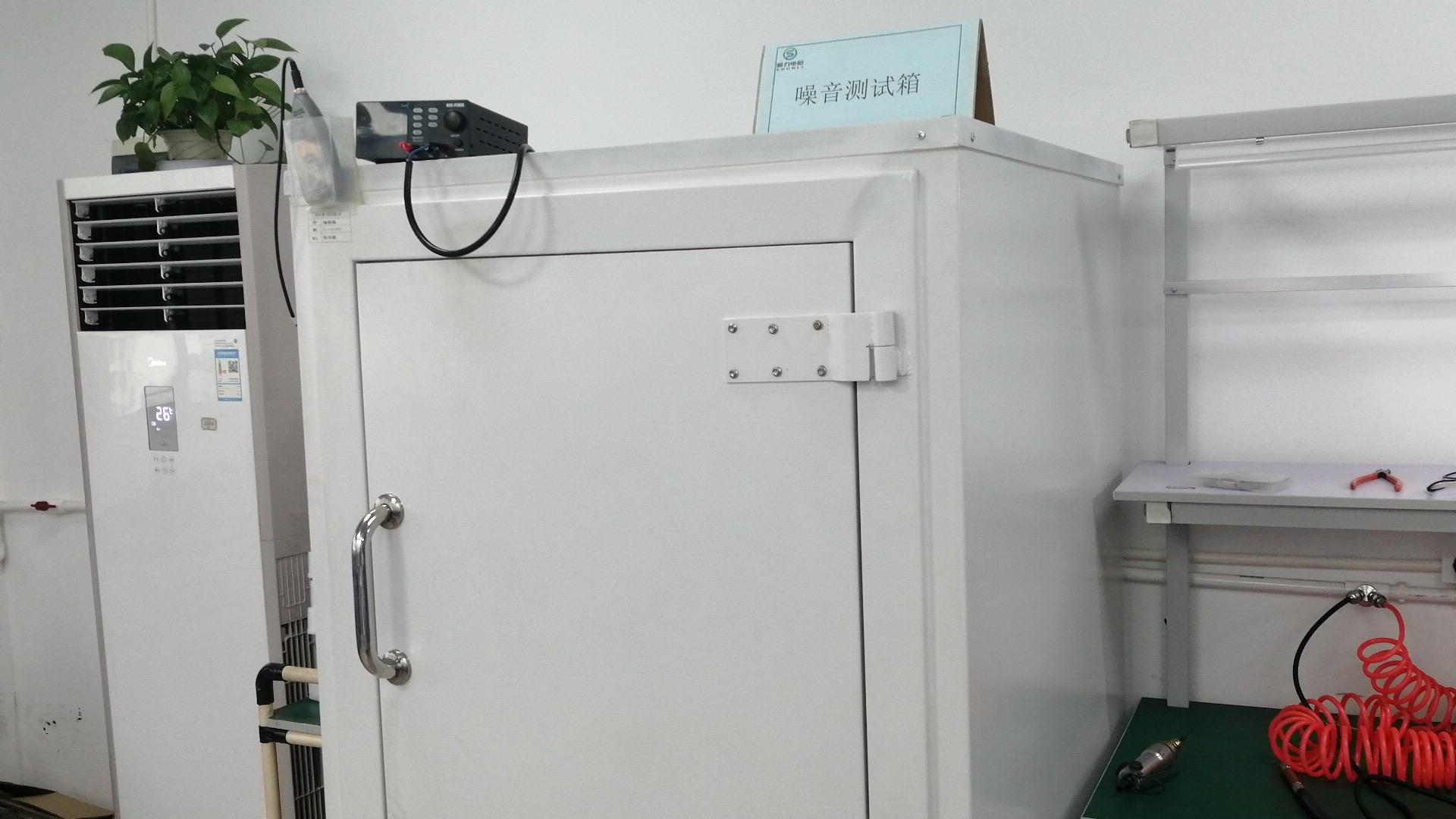
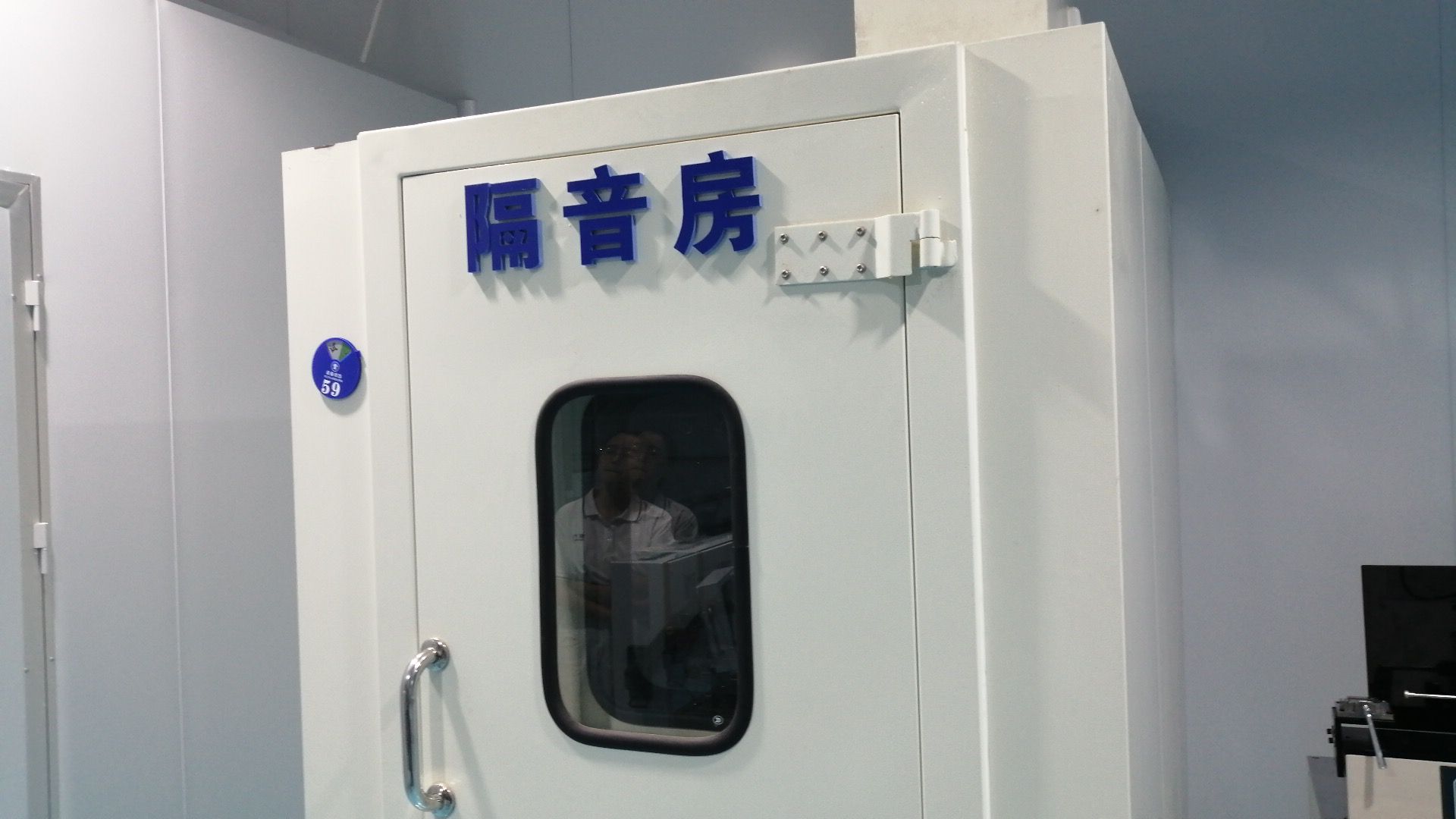
Noise Testing Chamber
Acoustic Testing Room
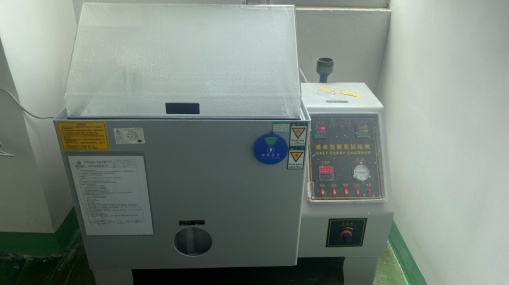
Salt Spray Testing Machine
Salt Spray Chambers
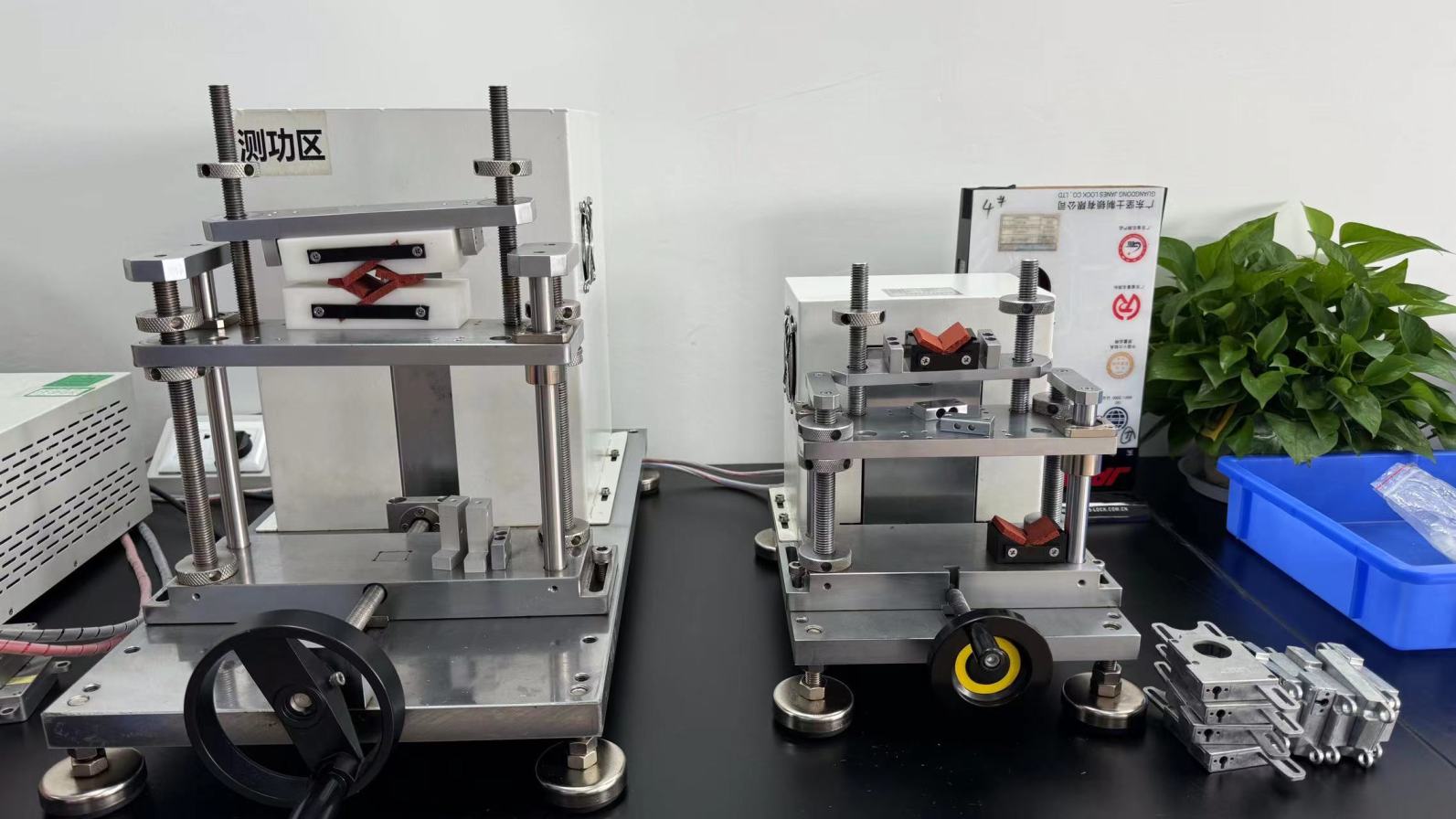
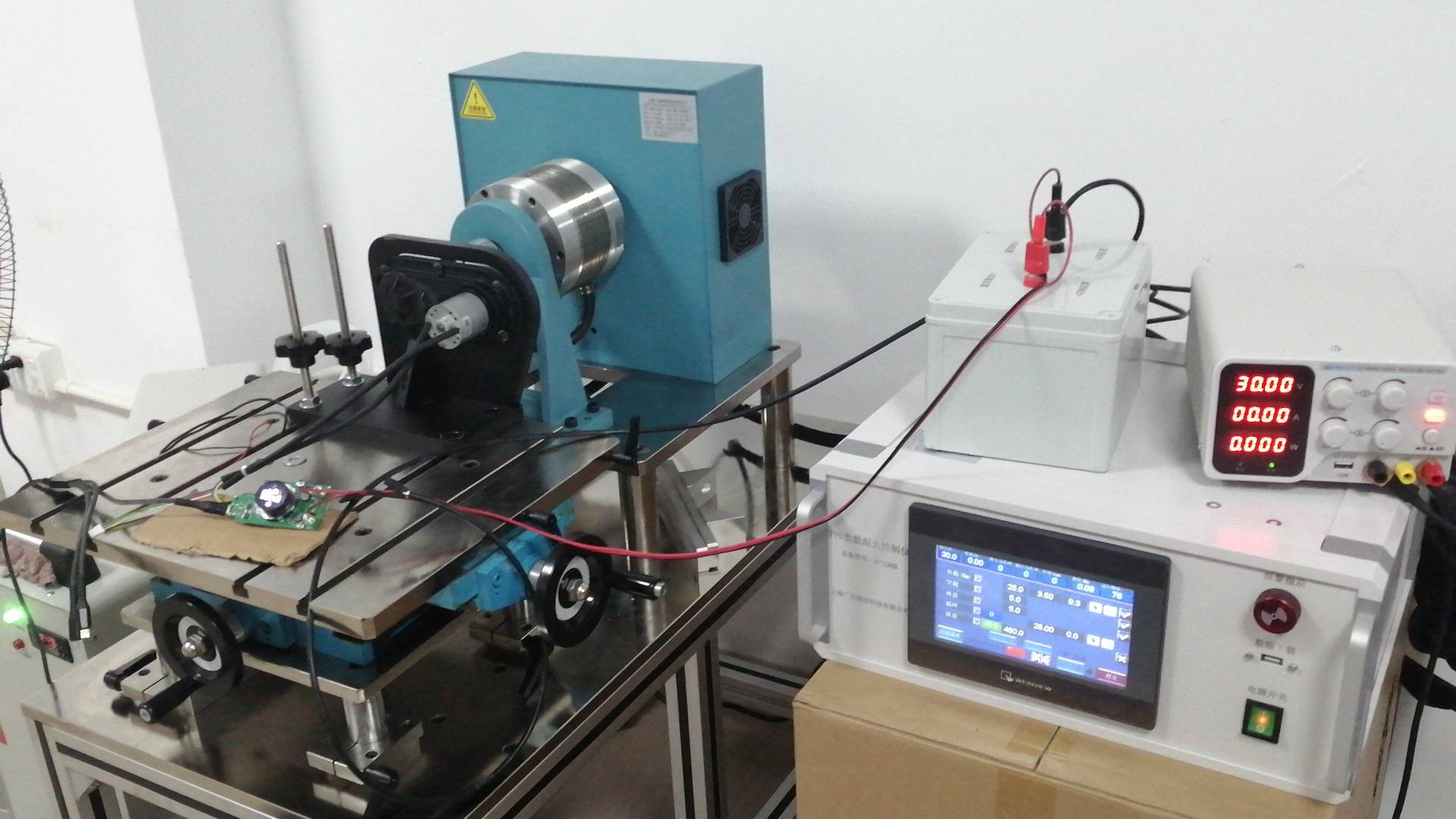
Dynamometer Machine
Dynamometer Testing
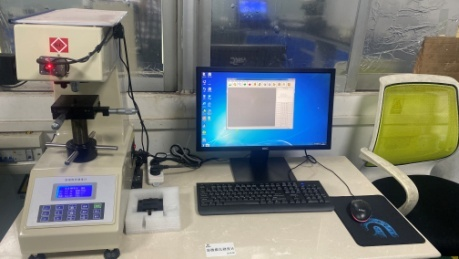
Hardness Tester
Vickers Hardness Tester
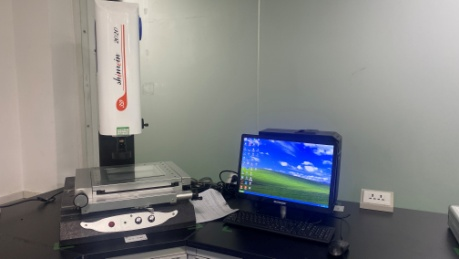
Video Measuring Instrument
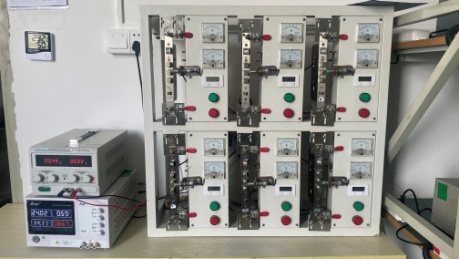
Aging Shelf
Aging Verification Rack
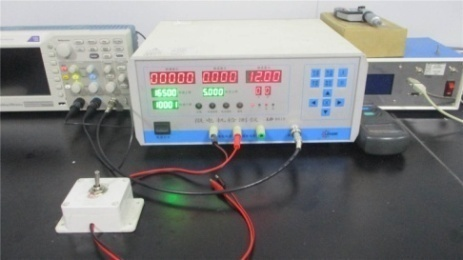
Motor Testing Machine
Performance Analyzers
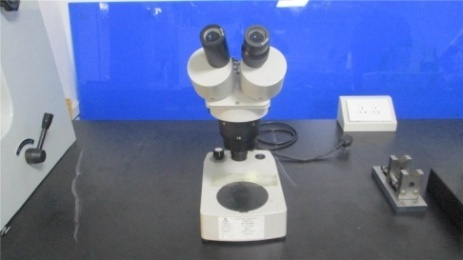
Microscope
Optical Stereomicroscope
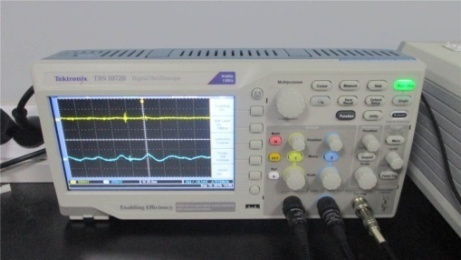
Digital Oscilloscope
Soundproof Room
Soundproof Enclosure
Magnetic Powder Testing Machine
Magnetic Particle Flaw Detector

Technical Roadmap & Future Outlook

Subsea operations are shifting toward deeper missions, longer periods of deployment, and higher level automation. WICCA's development roadmap focuses on addressing these industry needs:
  1. Integrated Intelligent Drives: Developing embedded field-oriented control (FOC) algorithms in pressure-compensated housings. This configuration enables real-time diagnostic reporting of current and temperature back to operators.
  2. Optimized Energy Density: Utilizing advanced magnetic core configurations to decrease motor volume while maintaining continuous output torque.
  3. Alternative Sealing Configurations: Exploring magnetic coupling interfaces to separate the dry motor core from fluid elements, eliminating the need for dynamic seals.

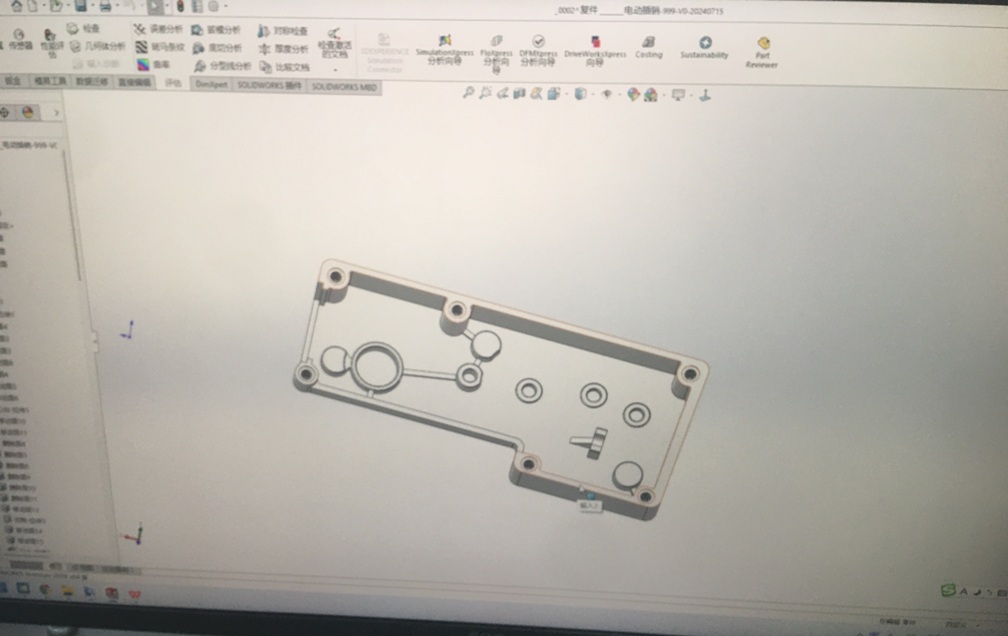
Design & Engineering Foundation

Design Verification
Computer-Aided Design
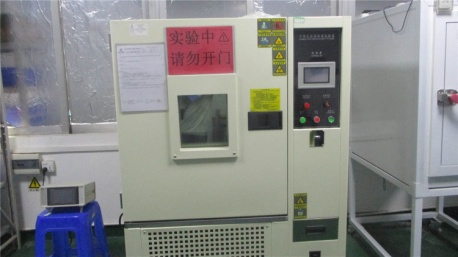
Climatic Testing
Climatic Chamber Auditing
Acoustic Mapping
Acoustic Mapping
Corrosive Salt Spray Testing
Salt Spray Aging Analysis

Global Support, Logistics & Certification Compliance

We export precision motor components worldwide, which requires maintaining strict compliance with international manufacturing and logistics standards. Our production processes and products comply with CE, RoHS, and REACH requirements.

We offer custom engineering services to meet specific integration needs. Whether configuring output shafts, adjusting electrical windings, or designing custom housings for deep-sea environments, our team provides technical support throughout the design cycle. Our logistics channels are optimized to manage customs requirements, ensuring components arrive on schedule.

Frequently Asked Questions

Technical answers to key engineering and procurement queries.

What defines a true underwater motor compared to a standard IP68-rated motor?
A standard IP68 motor is sealed to prevent dust and water ingress at shallow depths for short periods. A true underwater motor designed for industrial or marine applications uses features like pressure-compensated oil filling, dynamic shaft seals, and corrosion-resistant alloys (such as 316L Stainless Steel or Titanium). This allows it to withstand continuous immersion under high pressure without leakage or dynamic seal failure.
Why is a pressure-compensated design necessary for deep subsea operations?
At depth, hydrostatic pressure increases by 1 bar for every 10 meters. In dry, sealed motor cavities, this pressure differential can deform dynamic seals, leading to component failure. Filling the cavity with dielectric fluid and using a flexible expansion diaphragm equalizes the internal and external pressures, allowing the motor to operate at deep-sea depths.
How does WICCA manage salt-water corrosion on output shafts?
We use specialized metallurgy for marine environments. Depending on the depth rating and salinity level, shafts are machined from high-performance alloys like 316L, 17-4 PH, or grade 5 Titanium. The housings are finished with hard-anodized or passivation coatings to resist galvanic corrosion.
What are the lead times for custom-engineered planetary gearboxes?
Standard prototype evaluations typically require 2 to 4 weeks, depending on the modification scale. Full-scale production lead times range from 6 to 8 weeks, supported by our integrated factory logistics.
Does WICCA support integrated motor feedback sensors for subsea applications?
Yes, our brushless motor configurations can be equipped with high-resolution magnetic encoders or Hall-effect sensors. These feedback components are protected within the sealed or oil-filled sections of the housing.