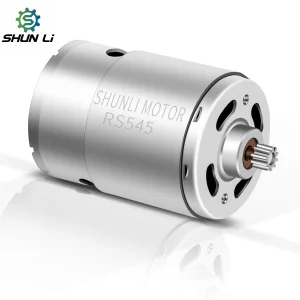
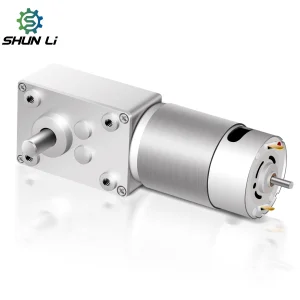
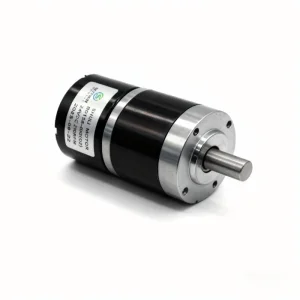
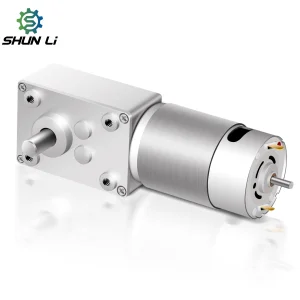
The global transition toward high-efficiency motion control, clean energy, and hardware automation has placed Permanent Magnet Motors (PMM) at the absolute core of modern industrial strategy. From sub-millimeter medical pumps to high-torque drive systems for electric vehicles, permanent magnet technology stands as the most power-dense electromagnetic solution available today.
By leveraging high-coercivity rare earth elements, such as Neodymium Iron Boron (NdFeB) and Samarium Cobalt (SmCo), modern permanent magnet synchronous motors (PMSM) and brushless DC (BLDC) motors achieve efficiency ratings surpassing 95%, satisfying stringent international energy regulations such as IE4 and IE5 Super Premium Efficiency standards.
Today's procurement directors look beyond unit costs. They prioritize continuous duty cycles, minimal thermal footprints, and low cogging torque to protect downstream system integrity. In this high-stakes landscape, selecting a qualified manufacturing partner represents a critical strategic decision.
Utilizing high-remanence NdFeB magnets enables maximum magnetic flux density within extremely small physical volumes, reducing weight by up to 40% compared to induction motors.
Since the rotor magnetic field requires no electrical excitation, secondary rotor losses are eliminated, resulting in cooler operation and significantly longer bearing life.
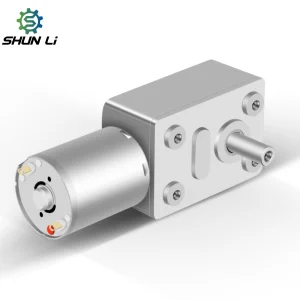
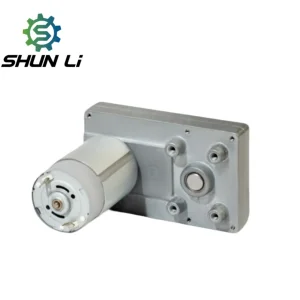
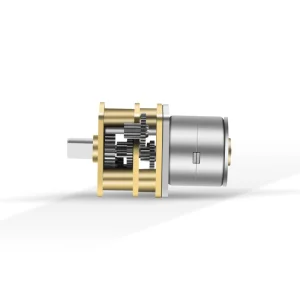
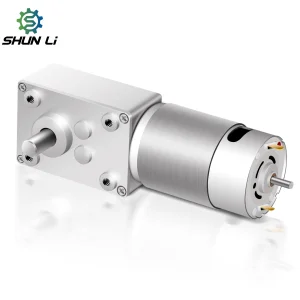
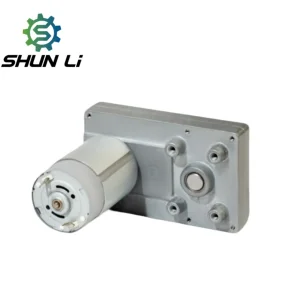
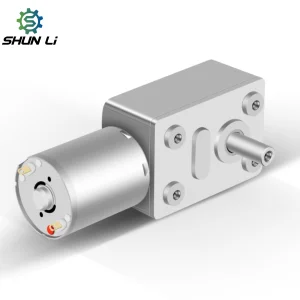
Integration of customized worm gearboxes and planetary gearheads enables extreme speed reduction ratio flexibility combined with sub-degree angular positioning precision.
Open up a premium smart door lock, a high-end medical pump, a robotic cleaner, or an automotive electronic seat—and you’ll likely find the silent, reliable pulse of a WICCA Motor.
We don’t just build hardware; we power the user experiences that define your brand. Our micro DC and brushless motors are engineered to be invisible—operating with ultra-low noise, high energy efficiency, and a compact footprint that allows product designers to push the limits of their industrial design. When your product’s reputation relies on flawless, repeated mechanical motion, WICCA Motor delivers the precision engineering that keeps your customers happy.

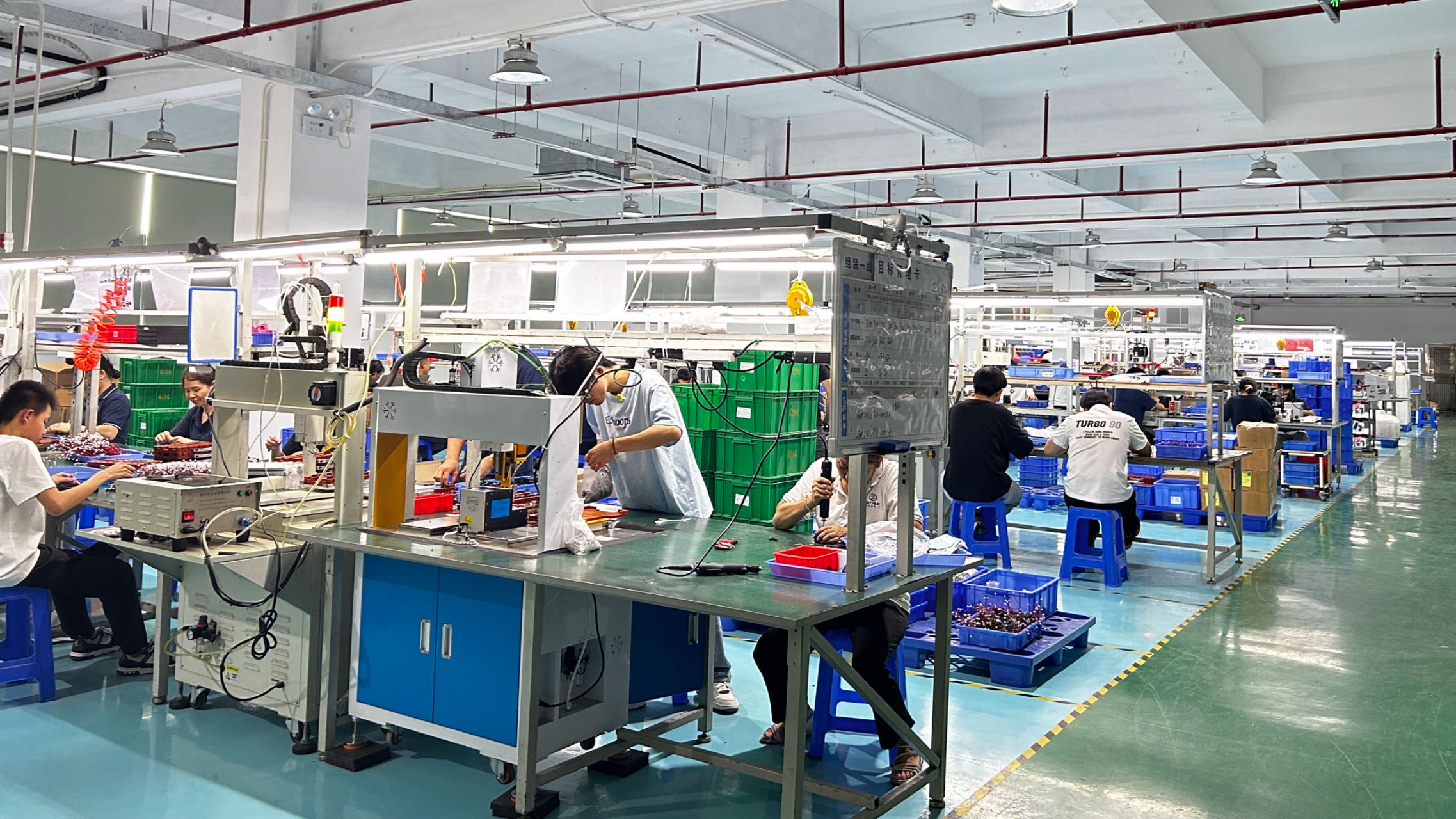
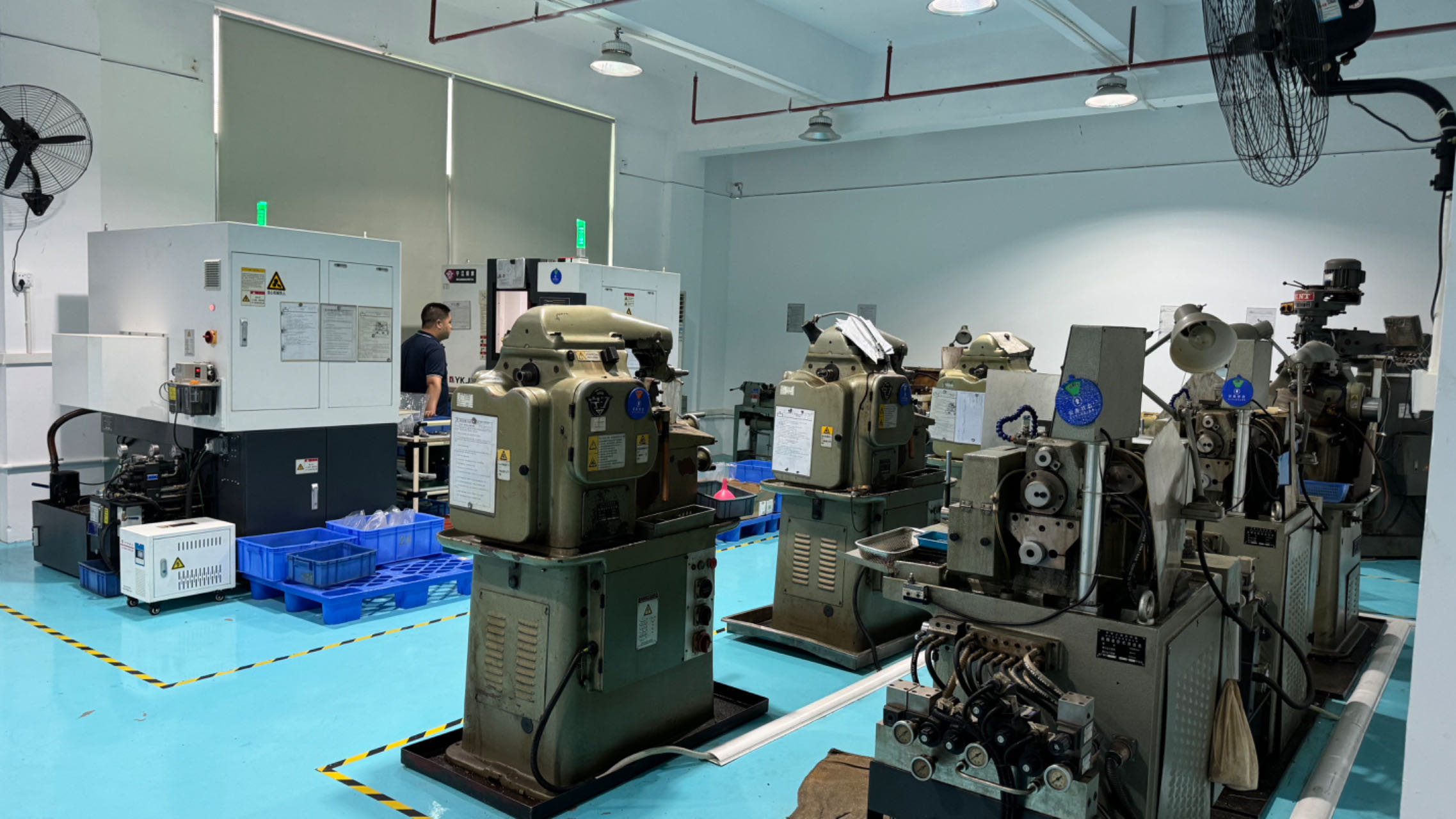
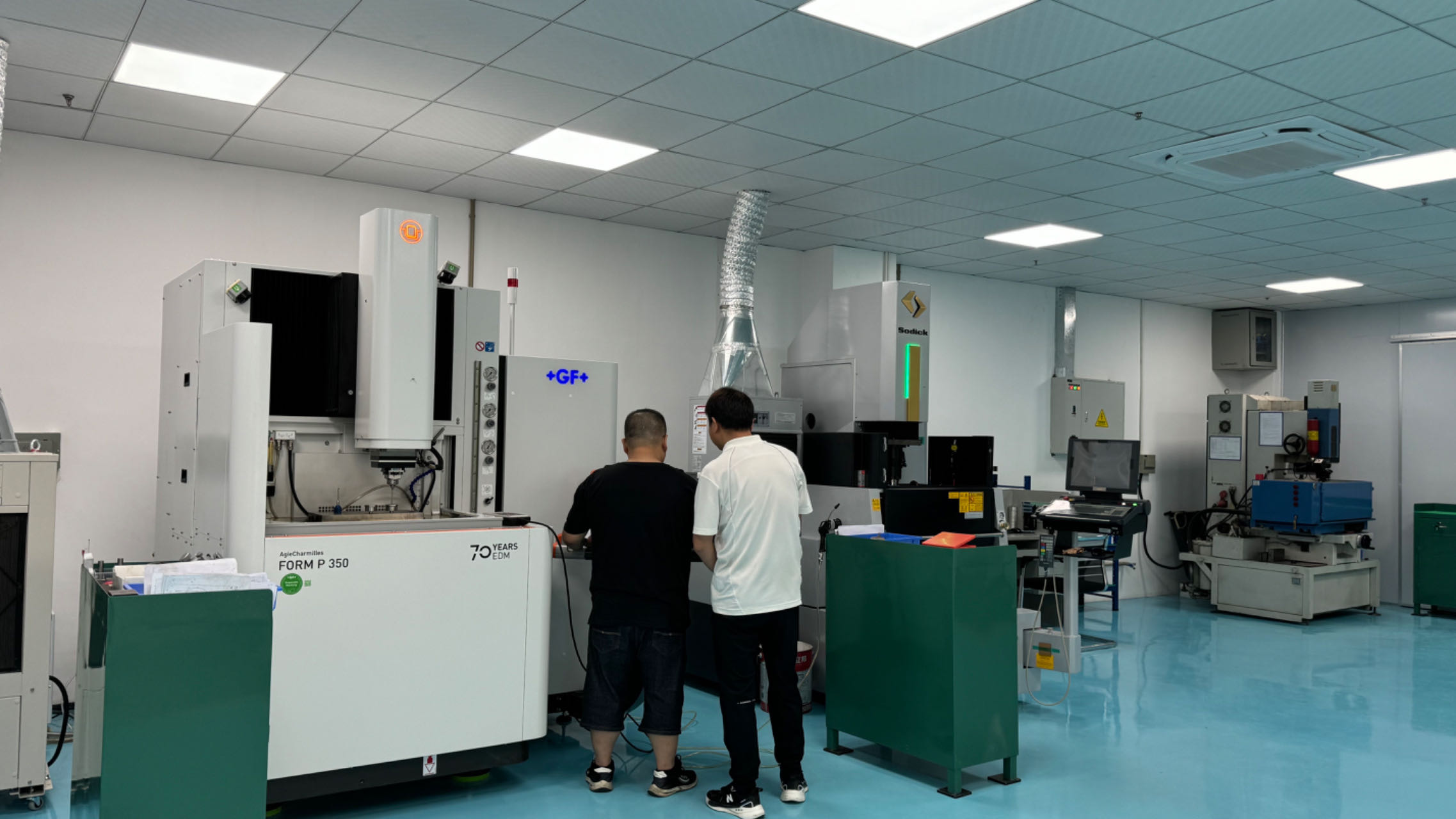
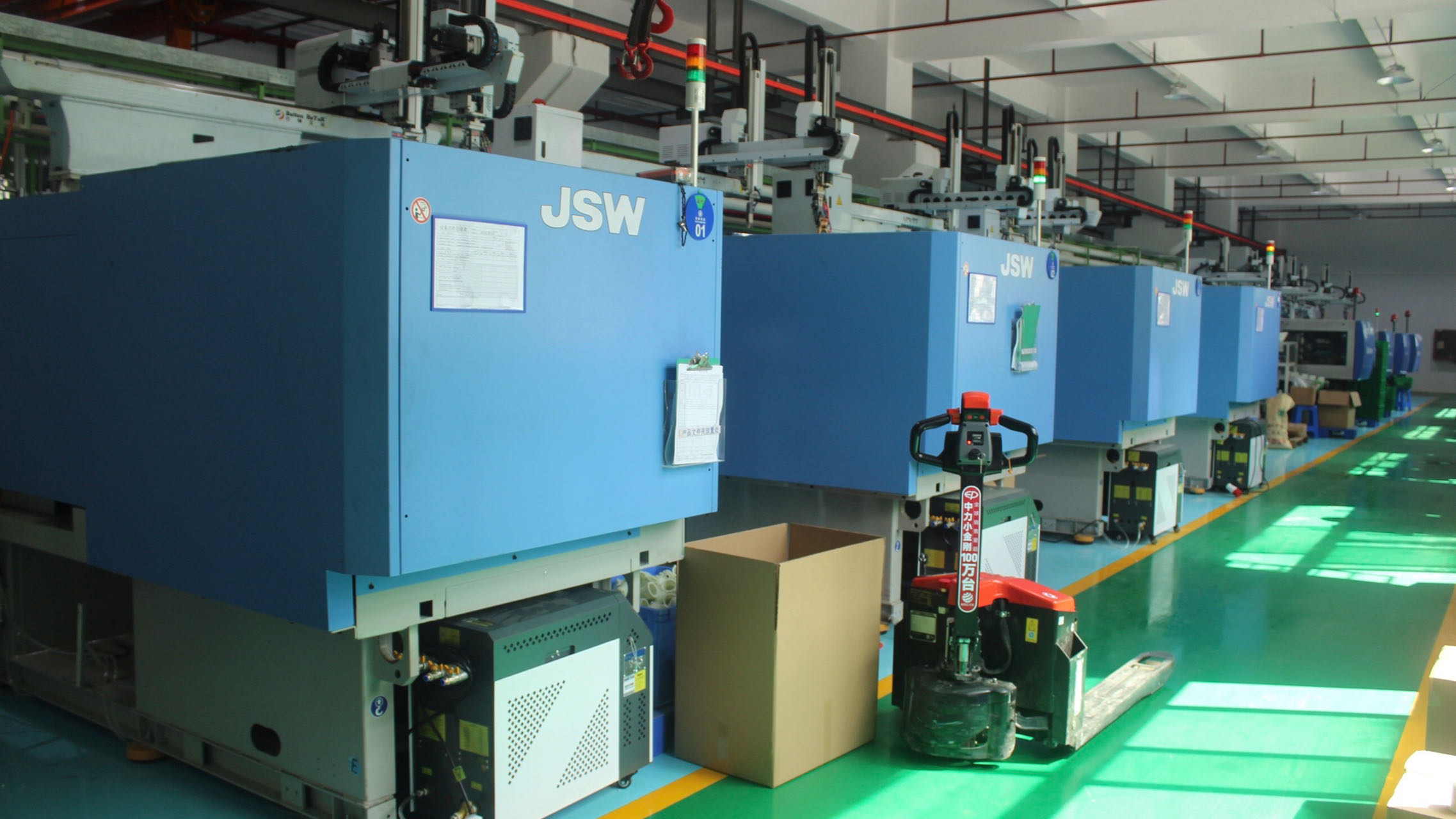
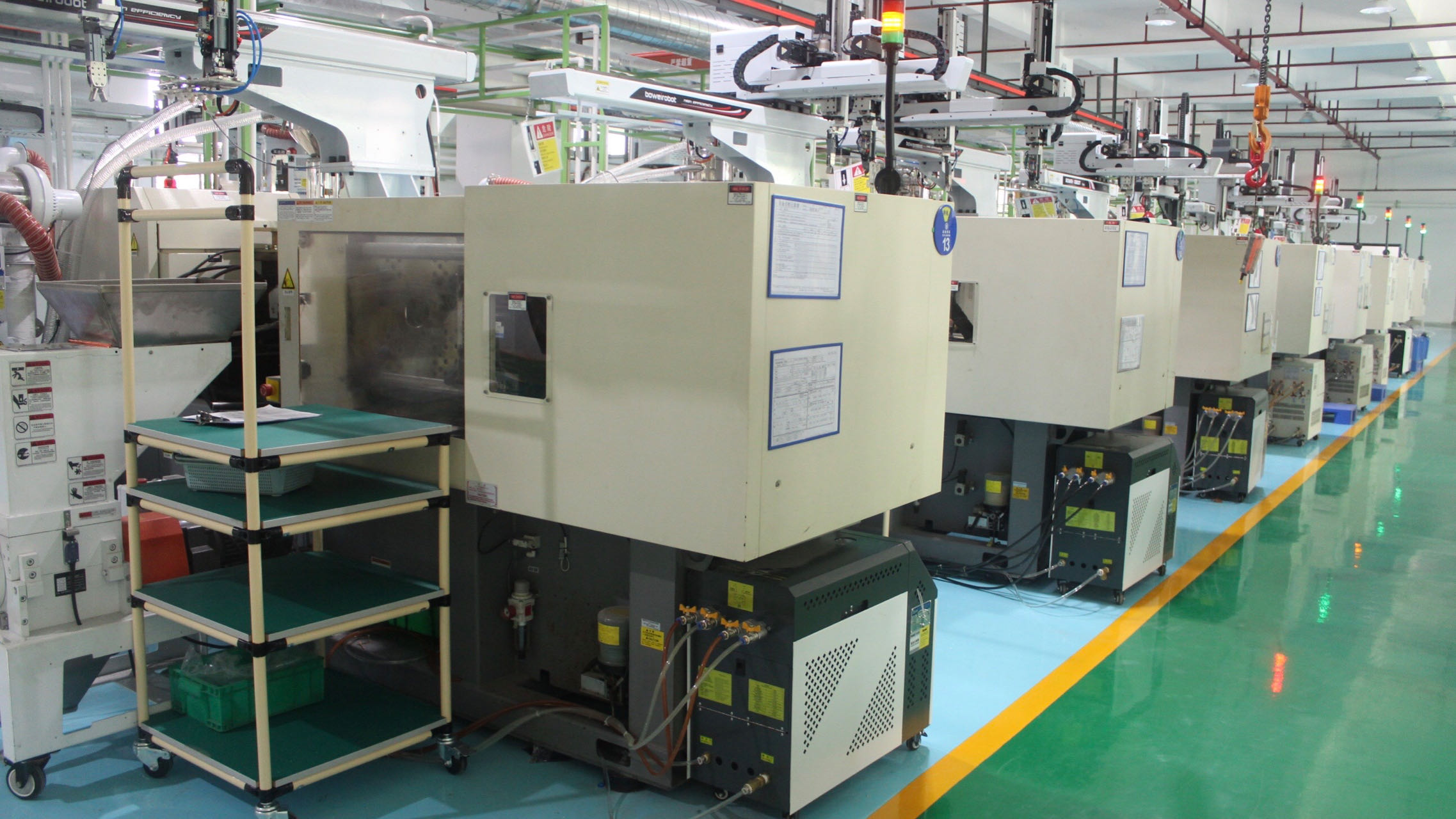

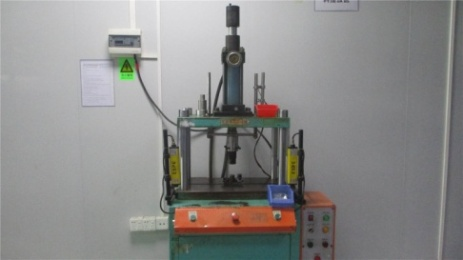
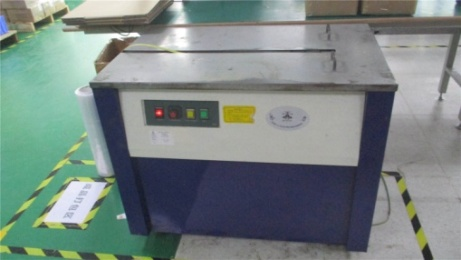
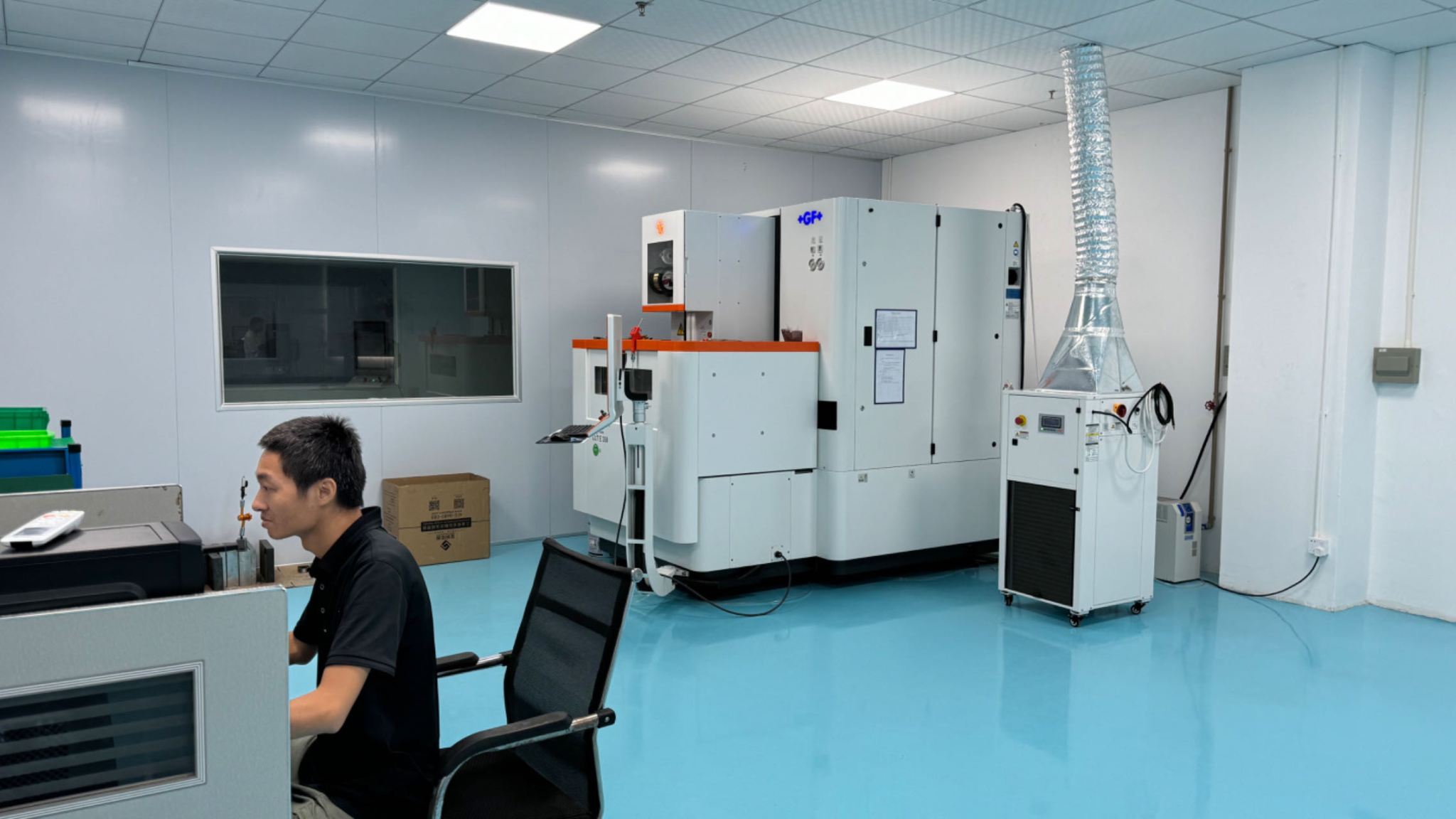
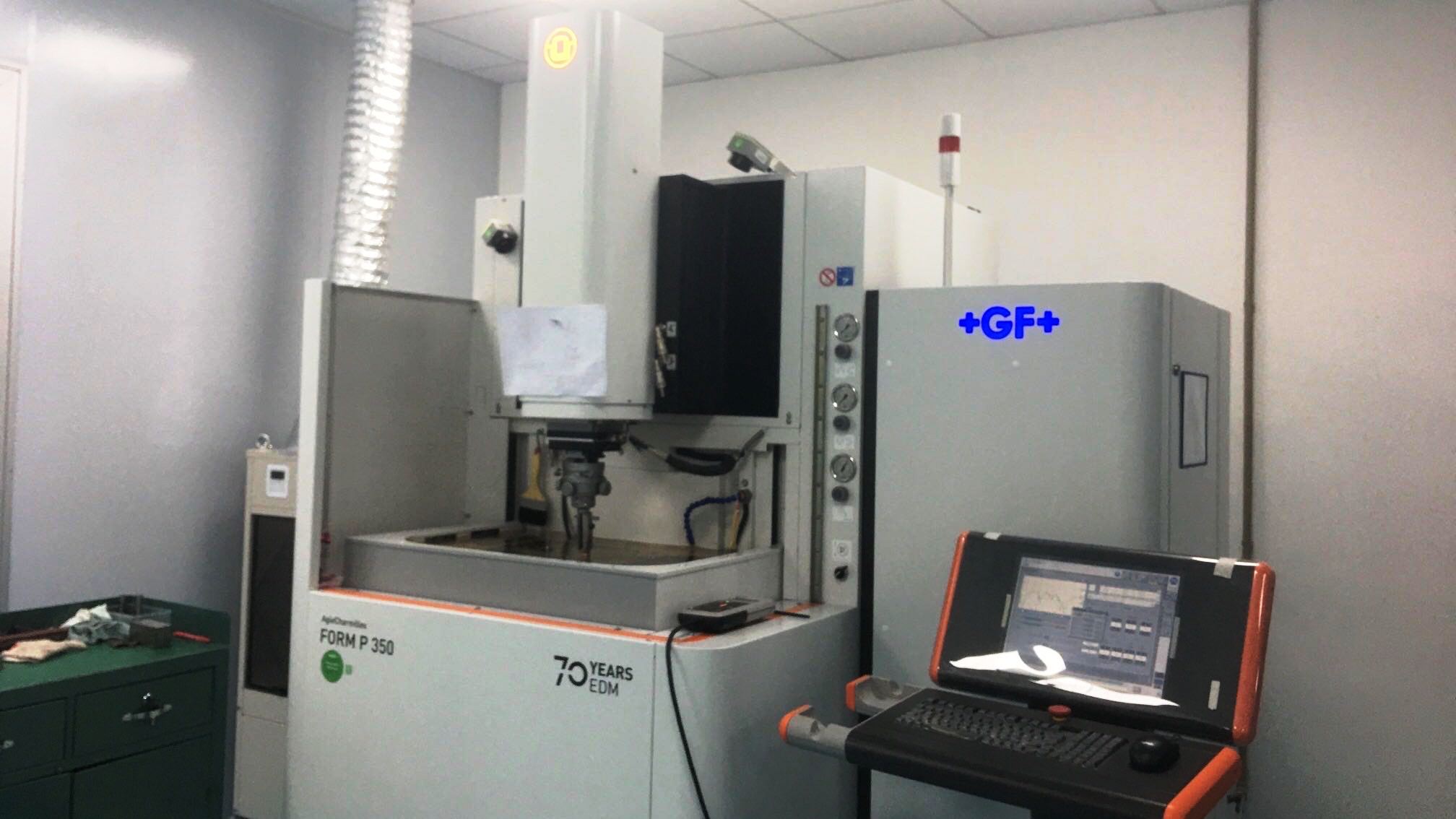
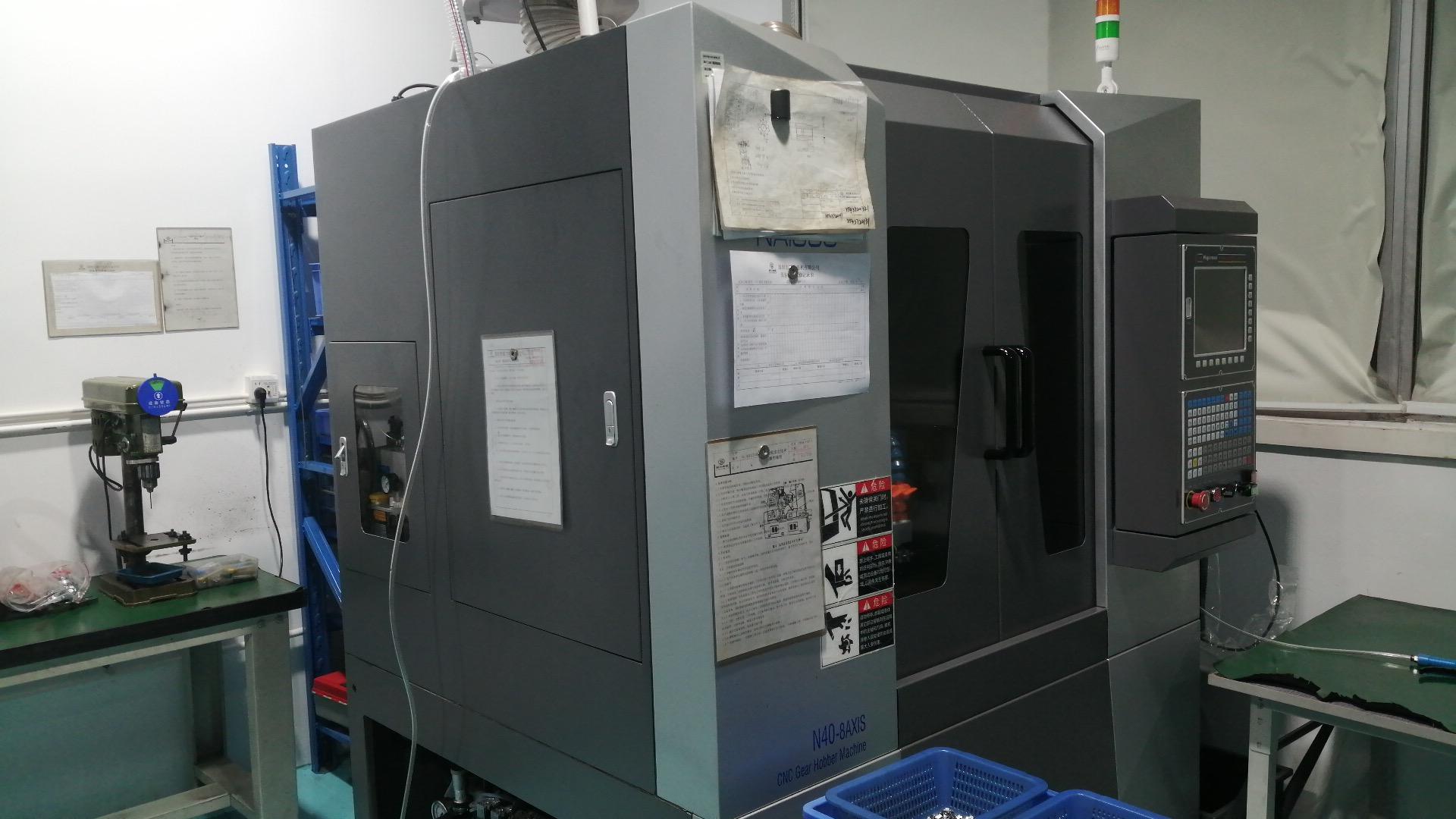
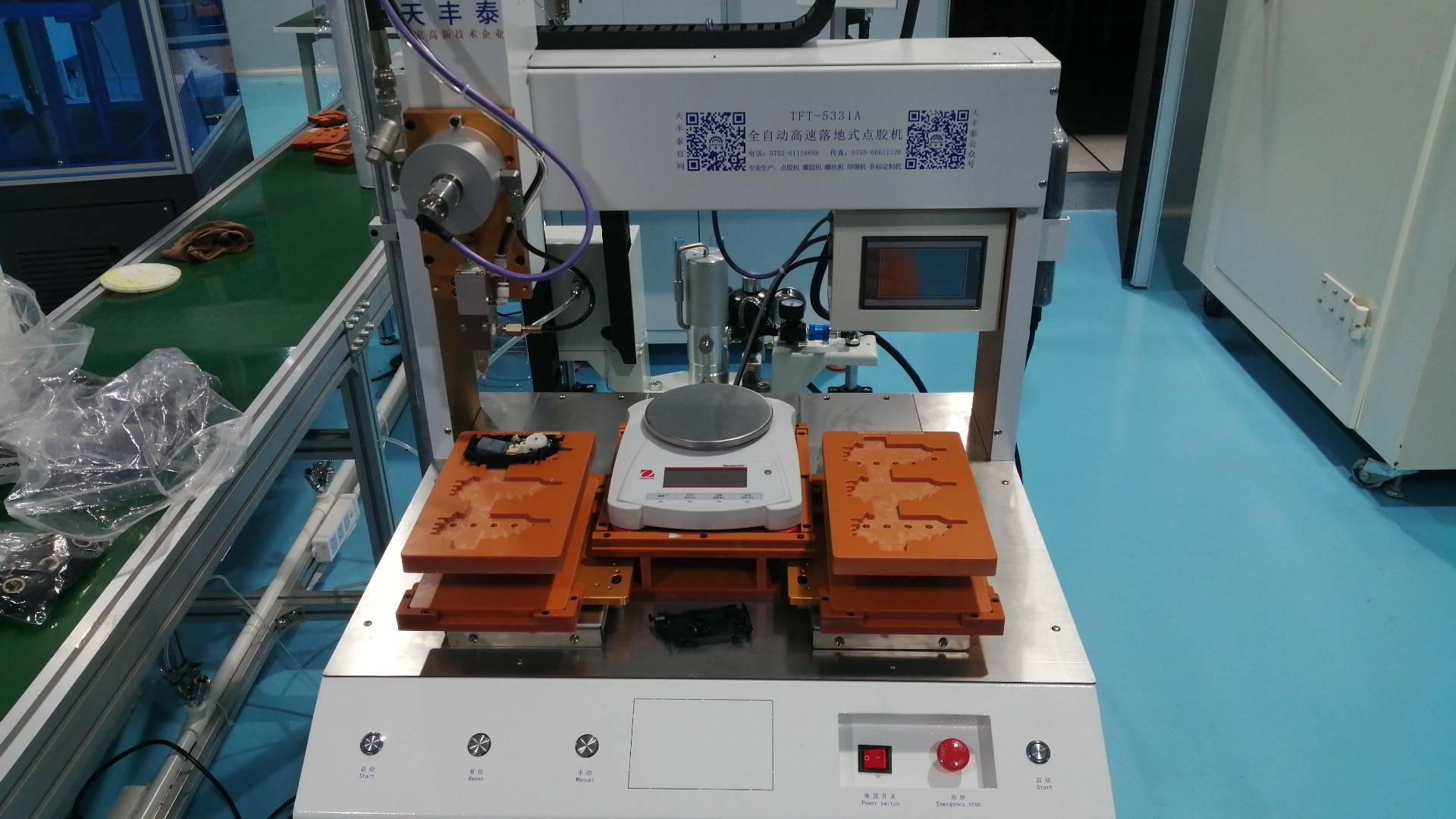
Ensuring micro-scale concentricity, stable gear ratios, and minimal electromagnetic vibration requires absolute mastery over every stage of production. By integrating raw material sourcing, automated machining, assembly, testing, and secure packaging under one roof, we eliminate intermediate tolerances that plague outsourced supply chains.

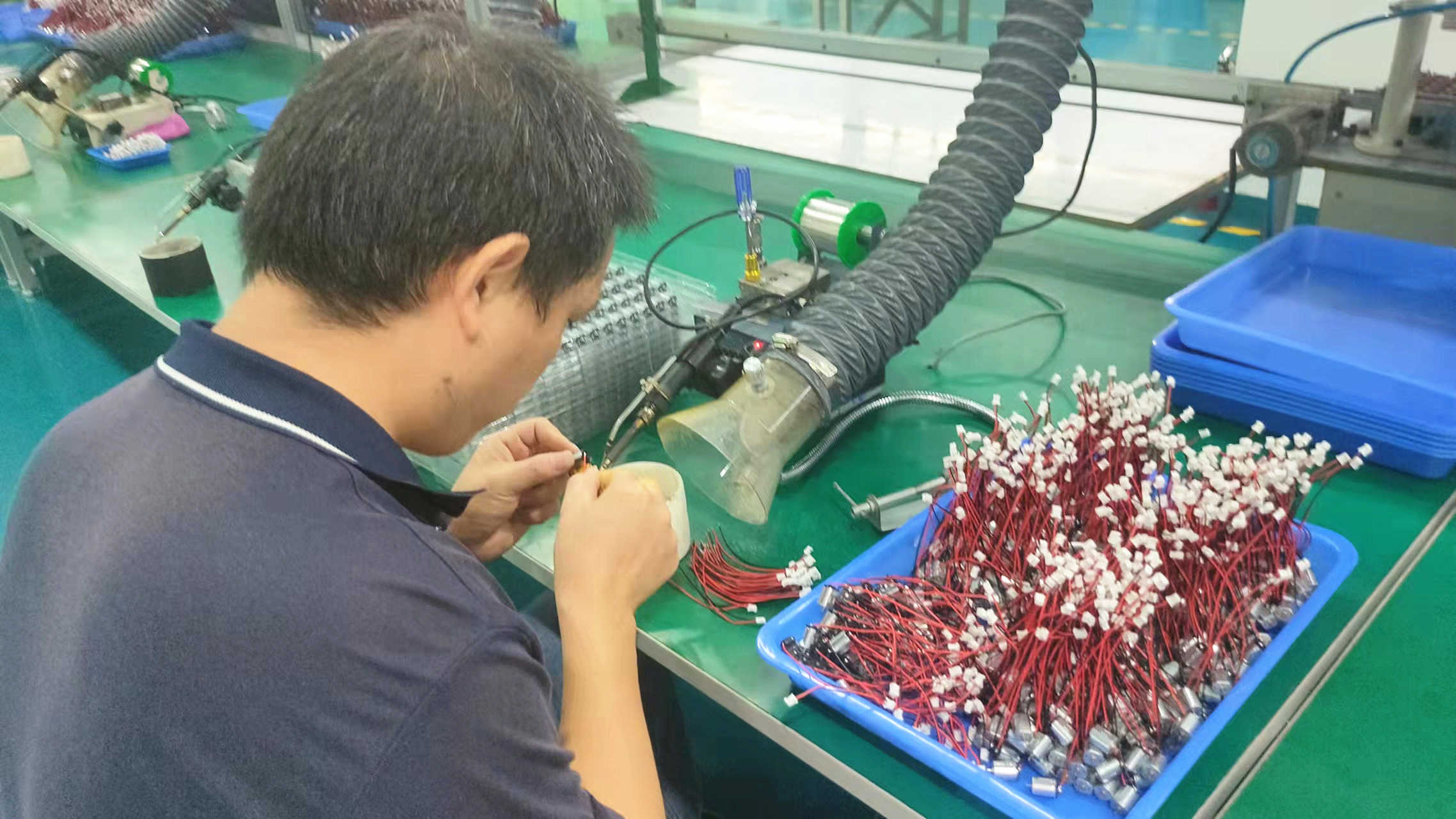
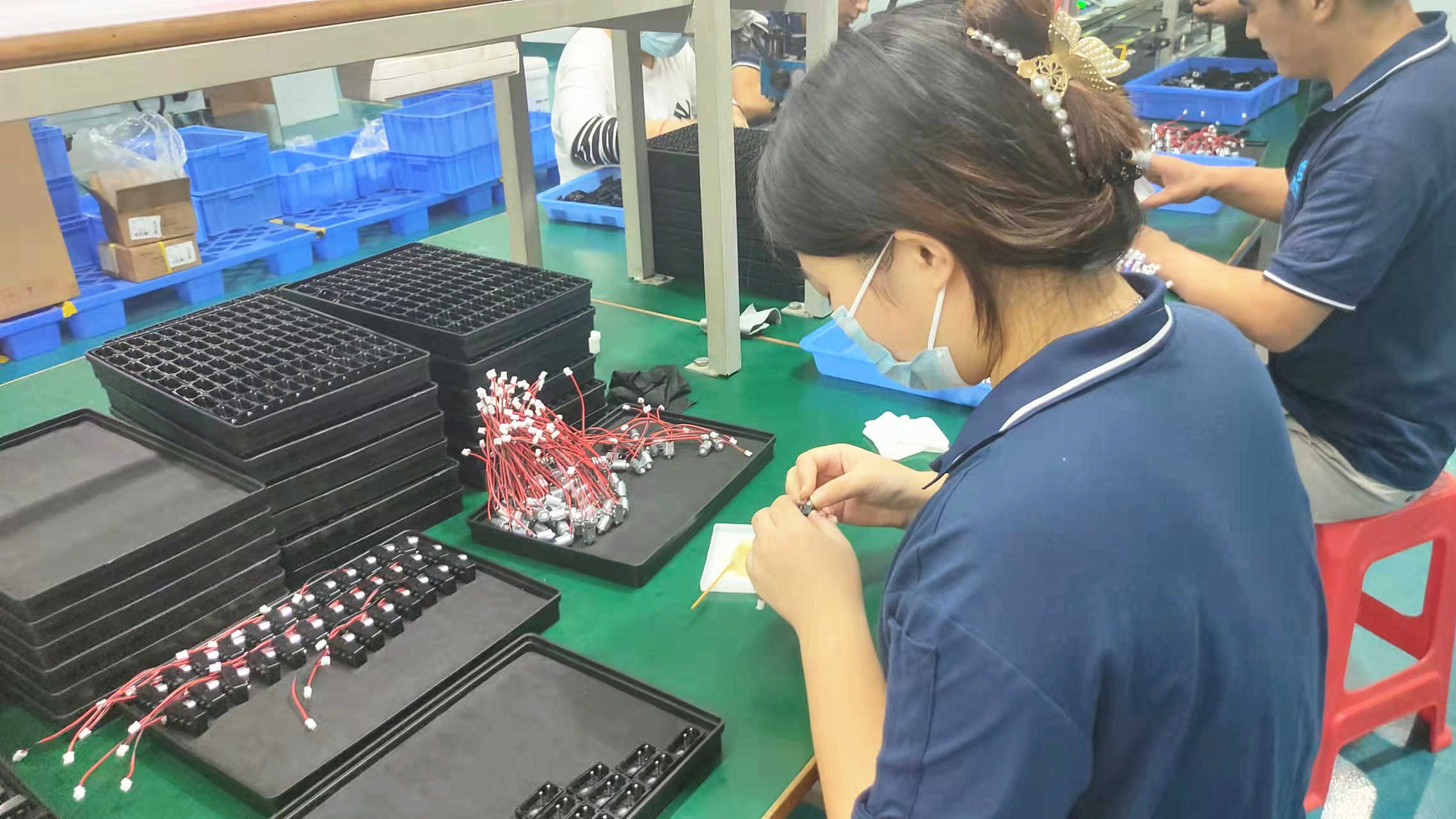
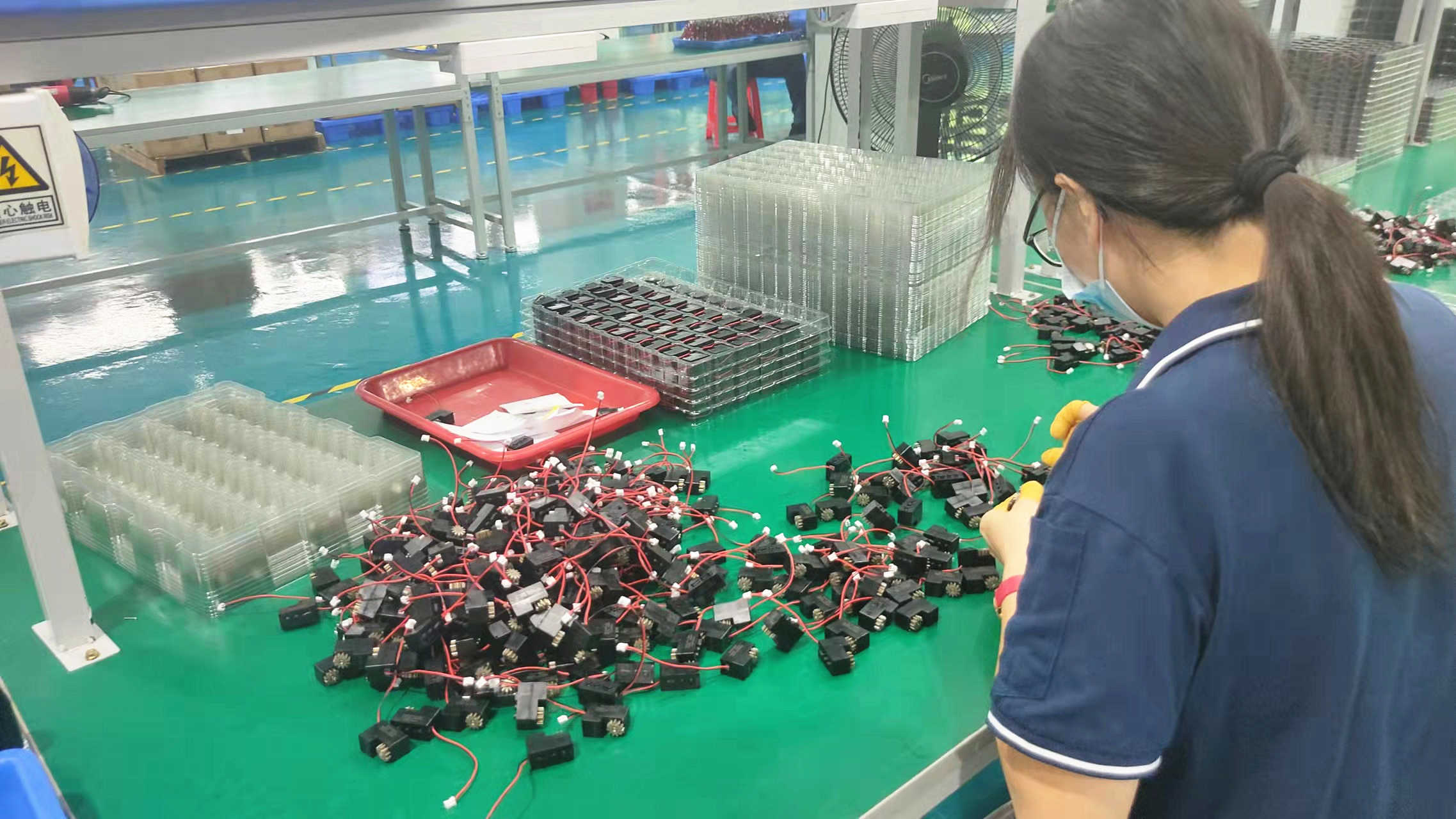
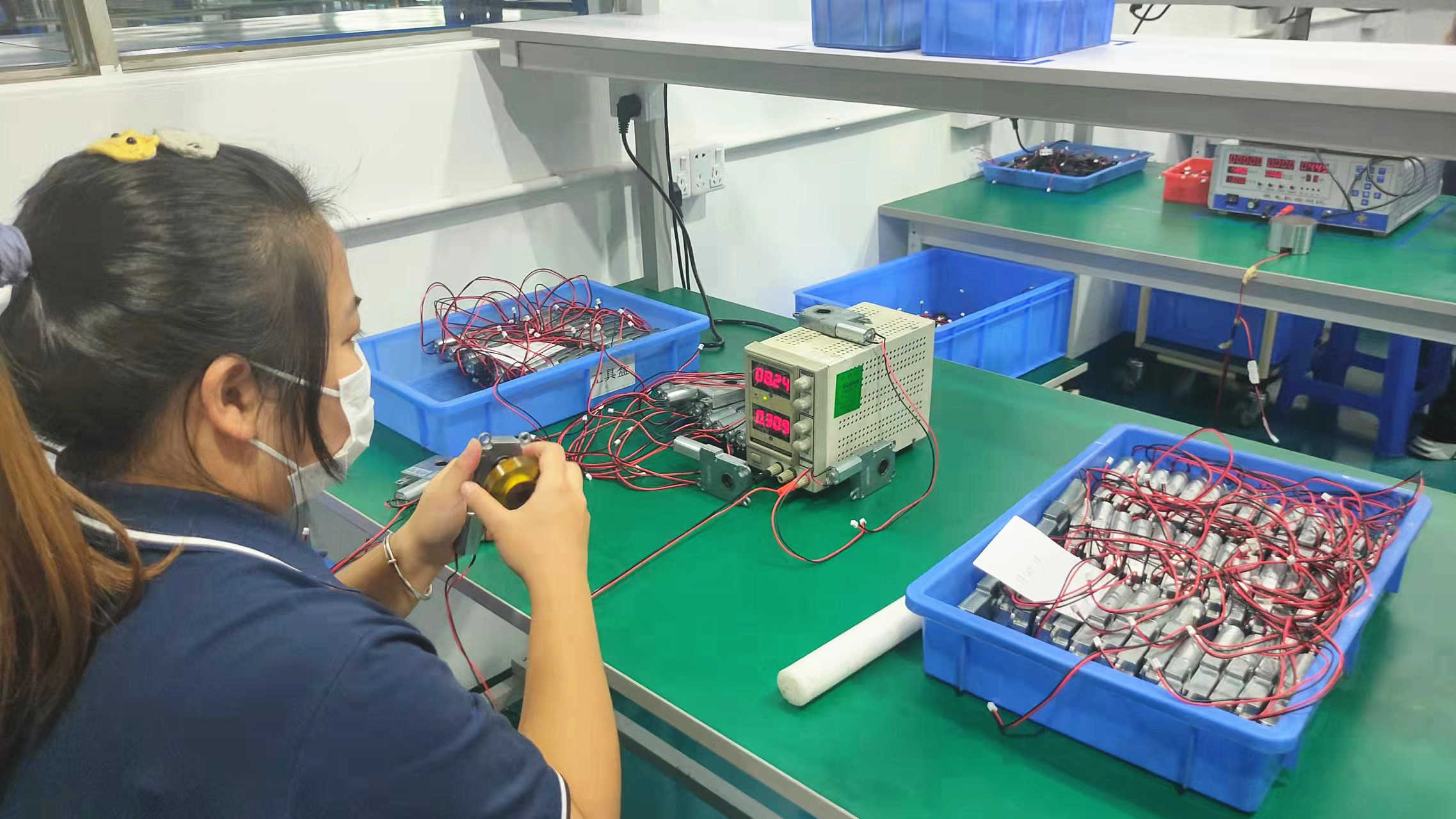

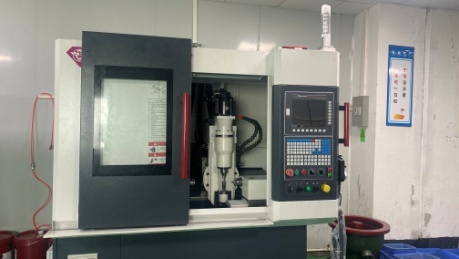
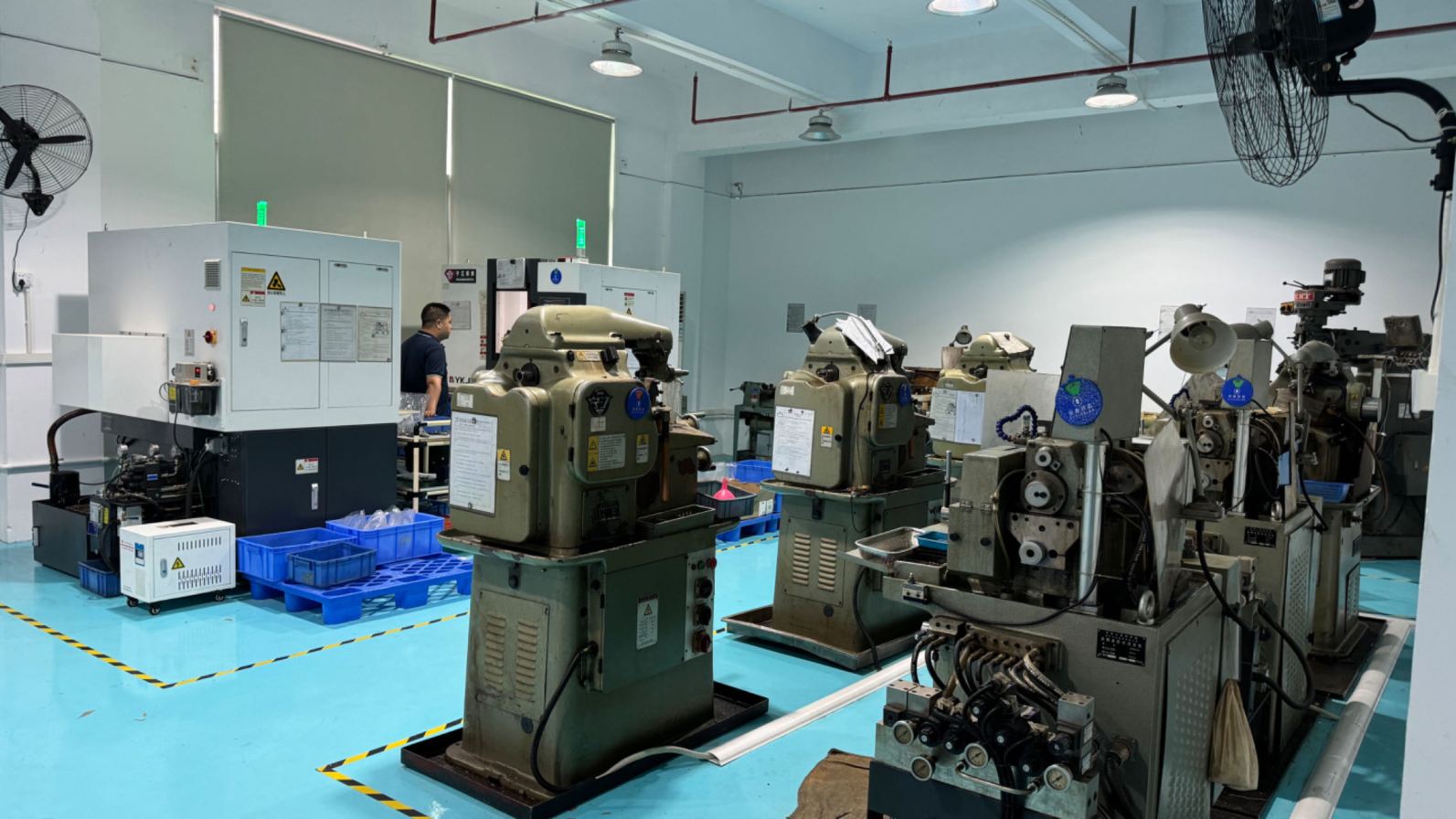
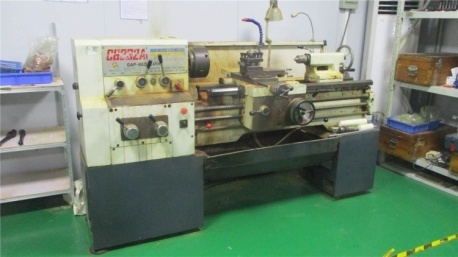
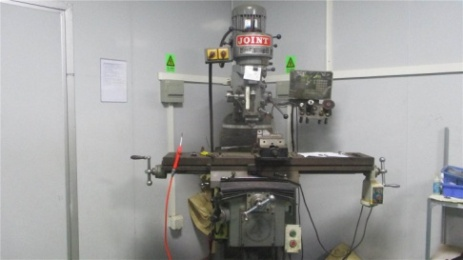
Precision is not an accident; it is the physical output of robust capital investment. We manufacture high-tolerance motor components using sub-micron CNC gear hobbing machines, automated wire winding machinery, and high-precision EDM systems designed to control structural variances to < 2μm.
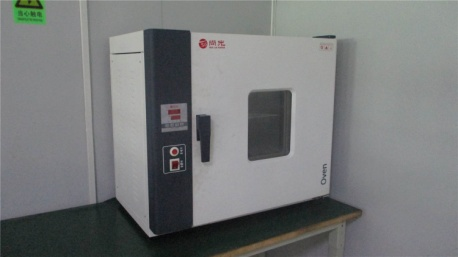
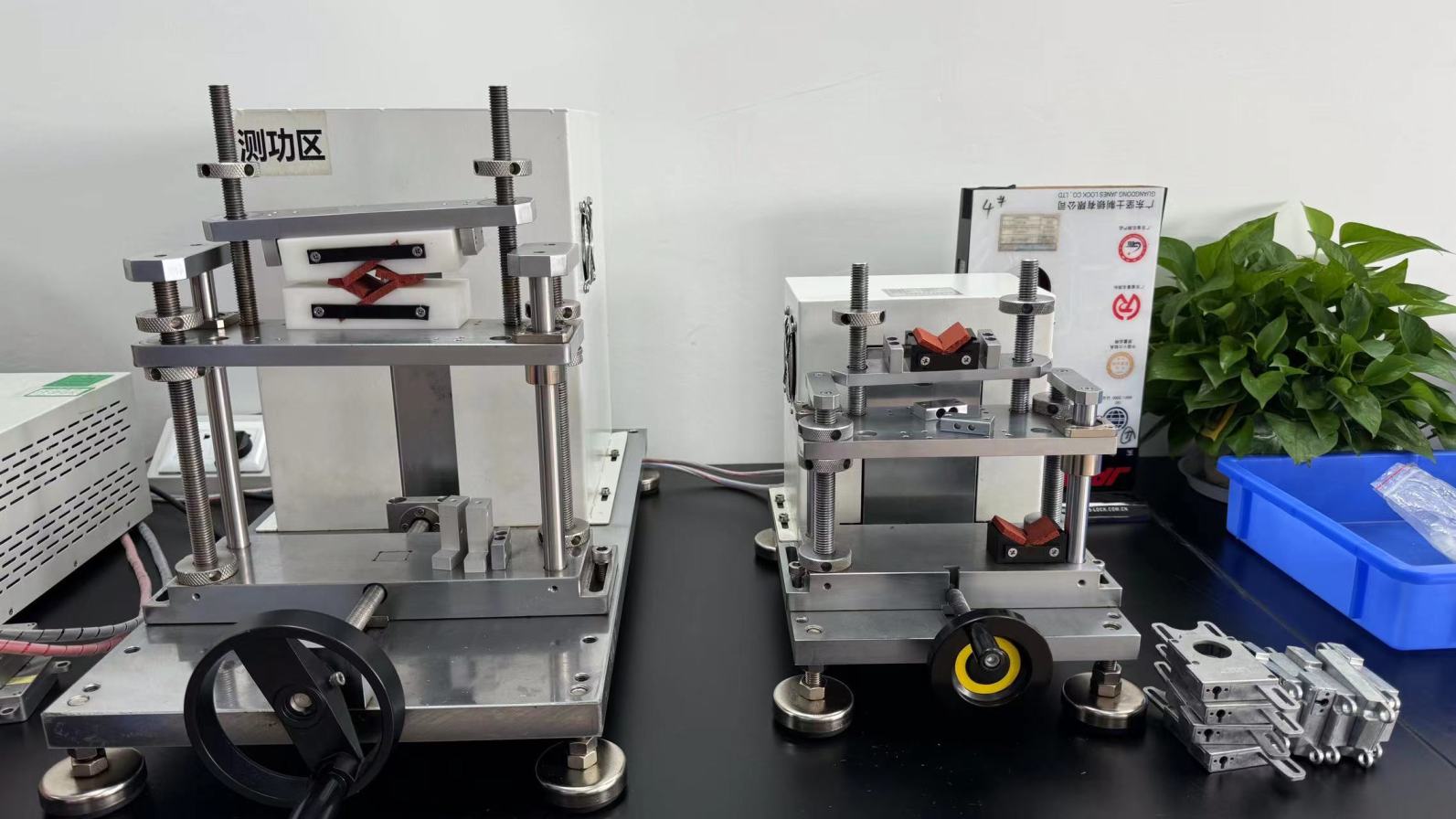
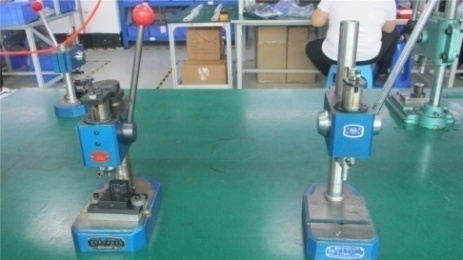
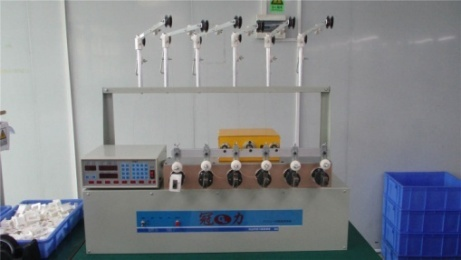
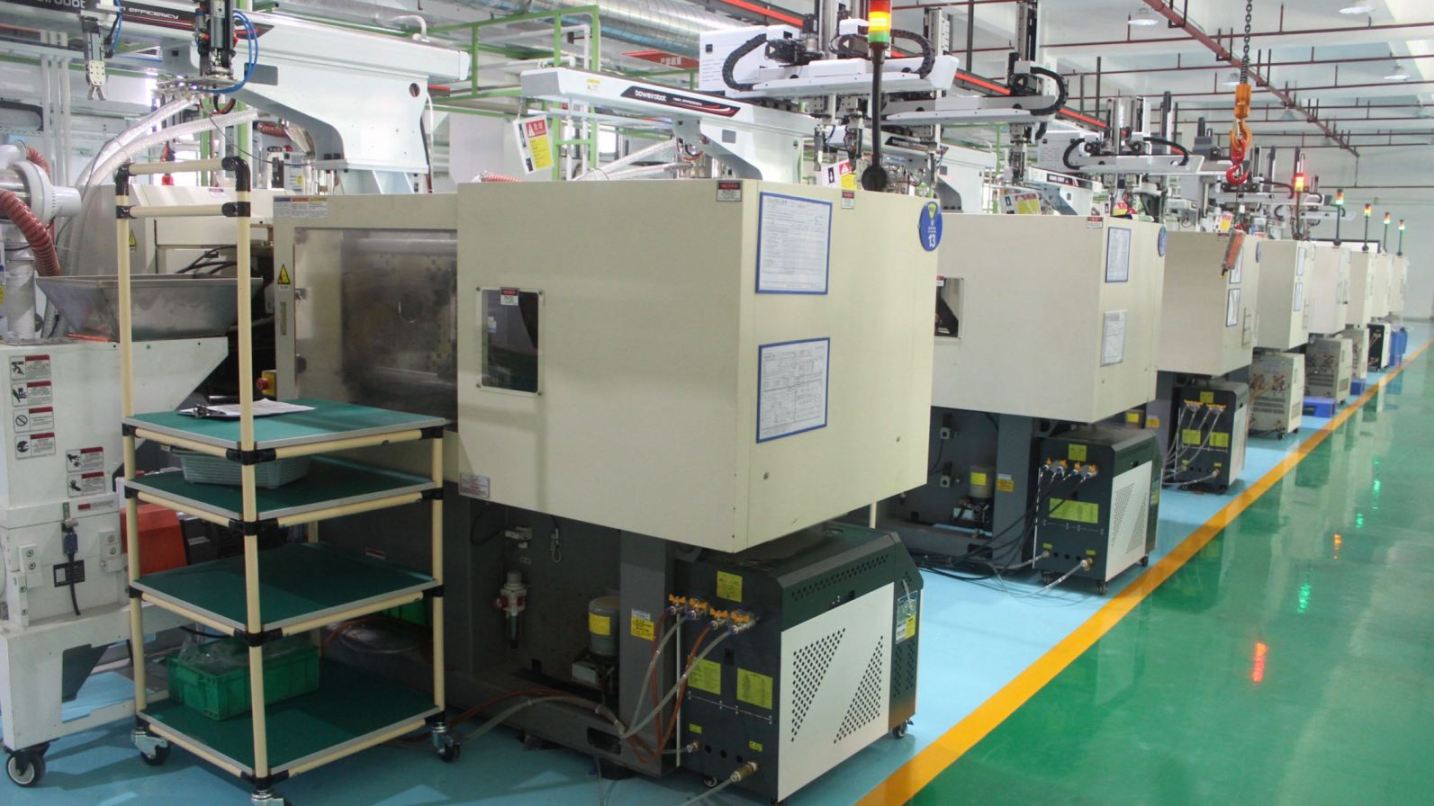
Micro motors must maintain consistent output characteristics across variable operational dynamics. WICCA Motor implements an end-to-end testing matrix leveraging industry-leading environmental stress screening (ESS), soundproof chambers, and automated dynamic analysis platforms.
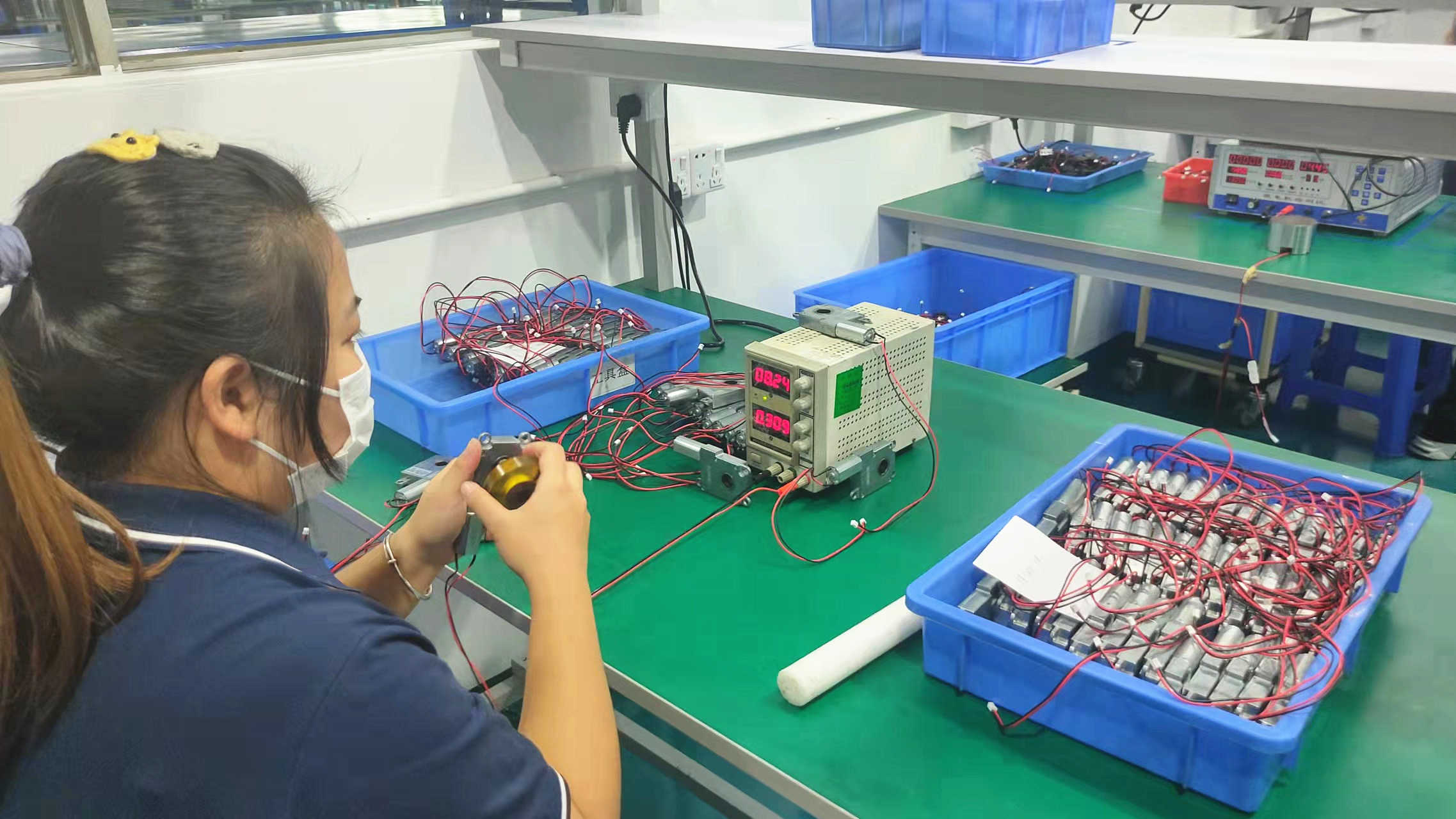
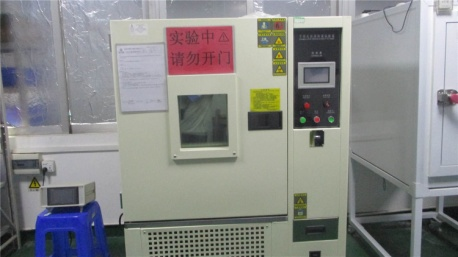
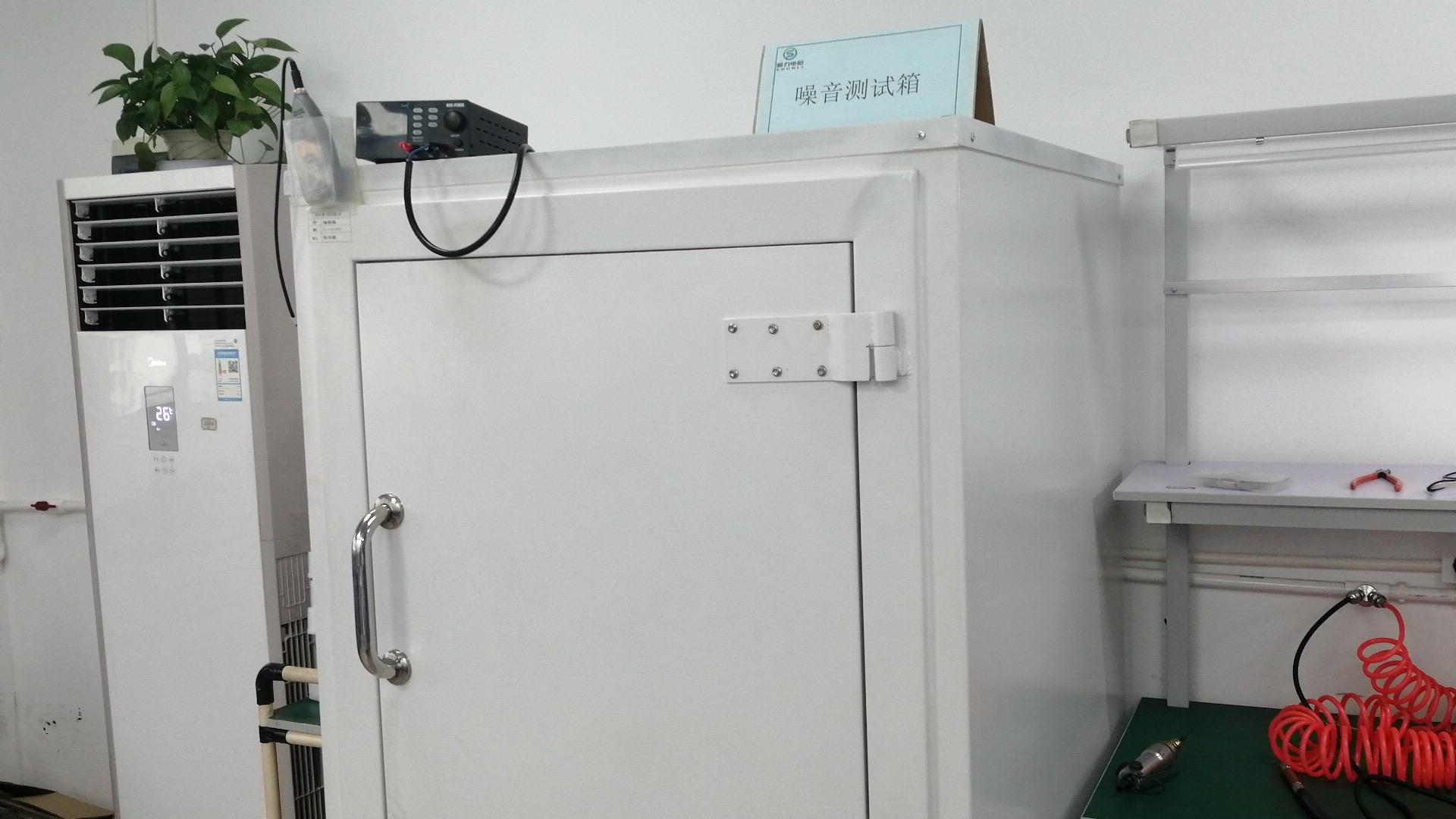
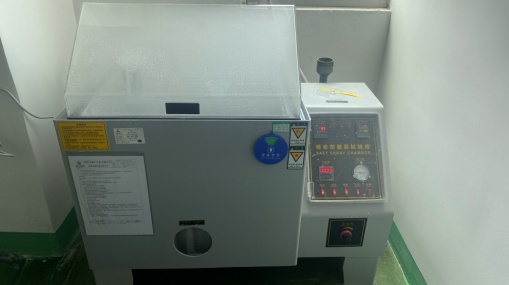
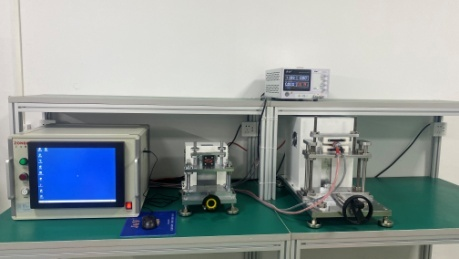
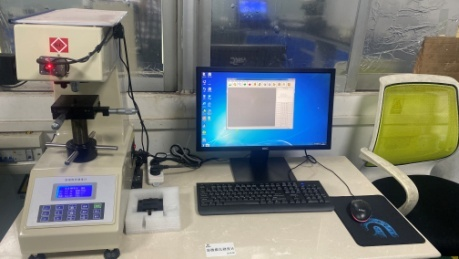
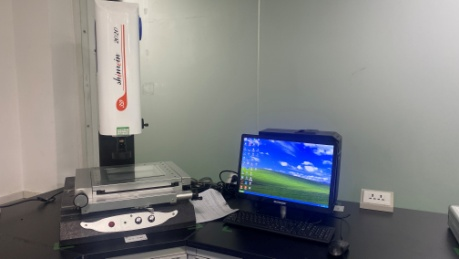
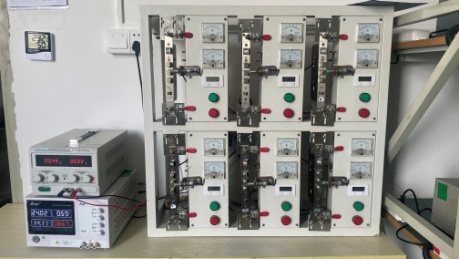
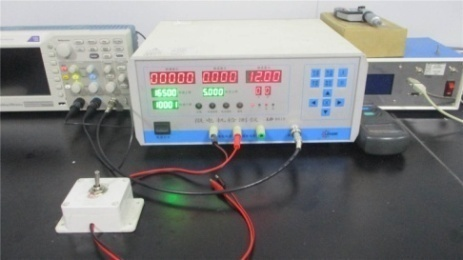
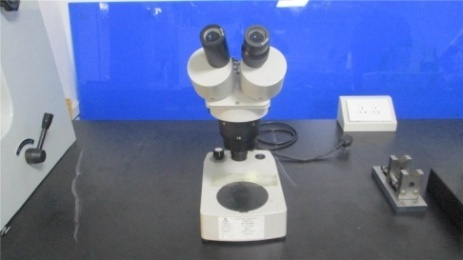
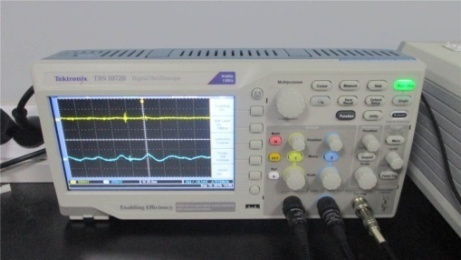
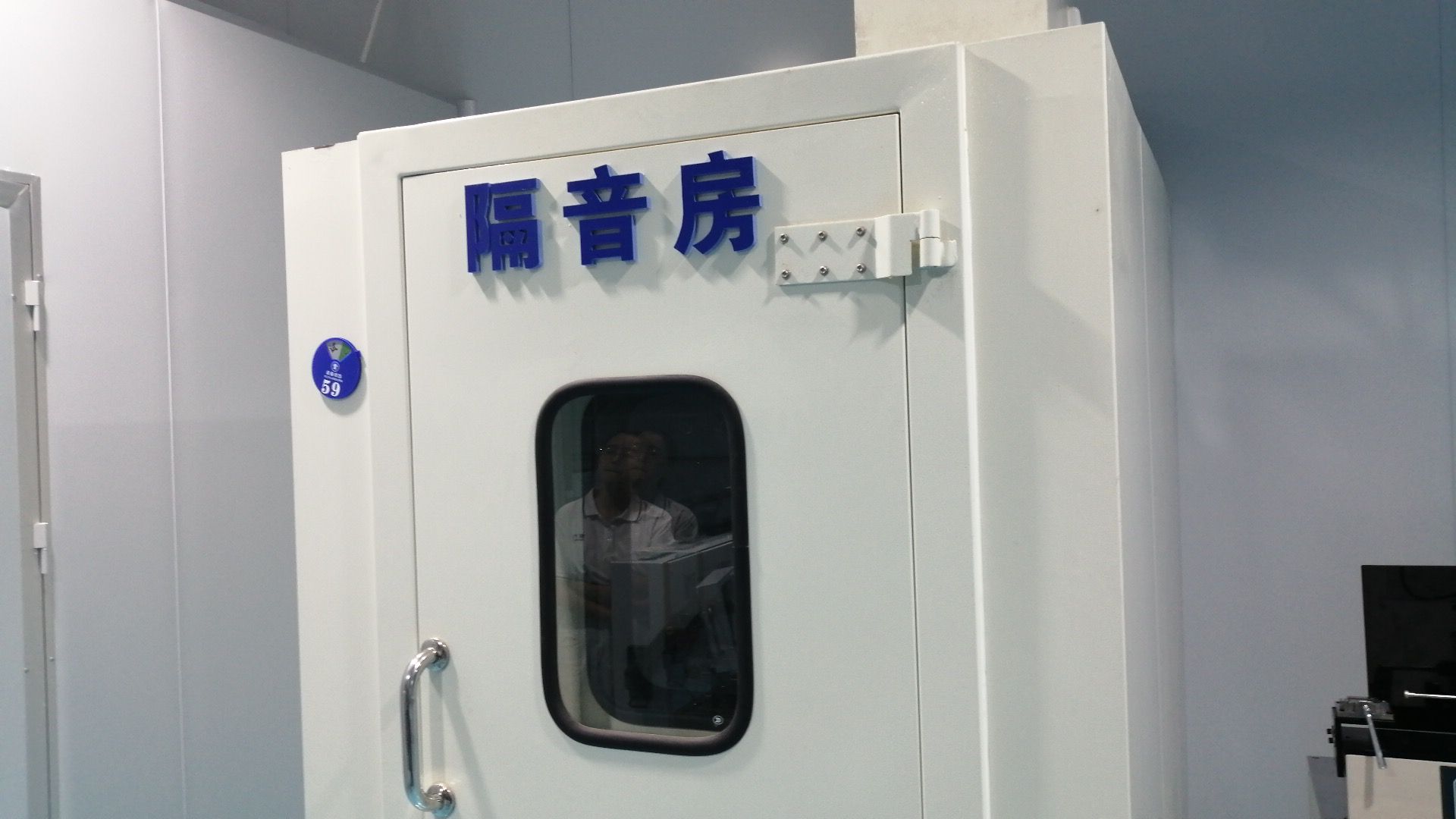
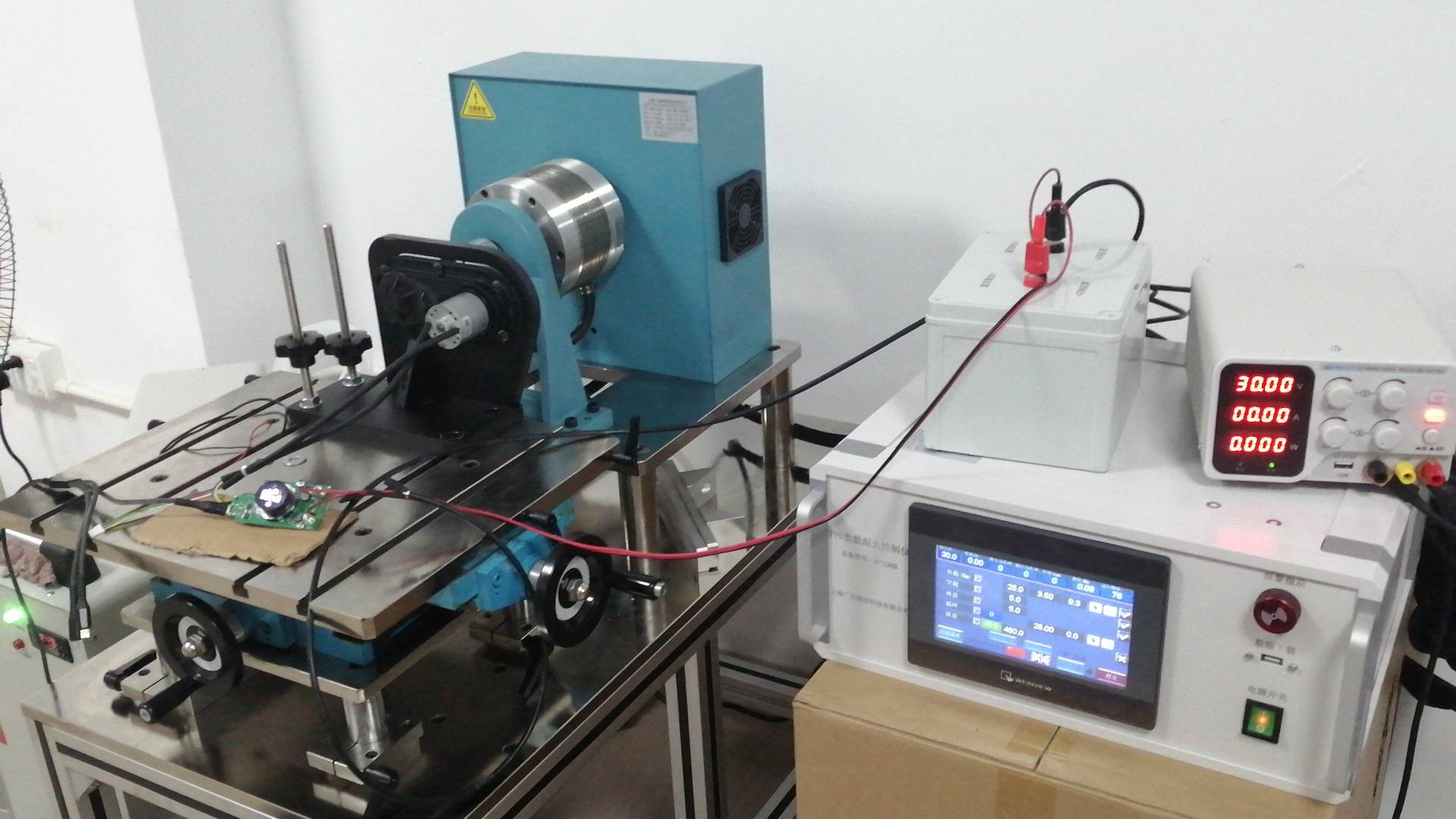
Quality begins long before physical assembly. WICCA Motor's R&D team leverages high-end CAD modeling, magnetic flux simulation tools, and robust stress-testing chambers to design custom solutions tailored to demanding specifications.
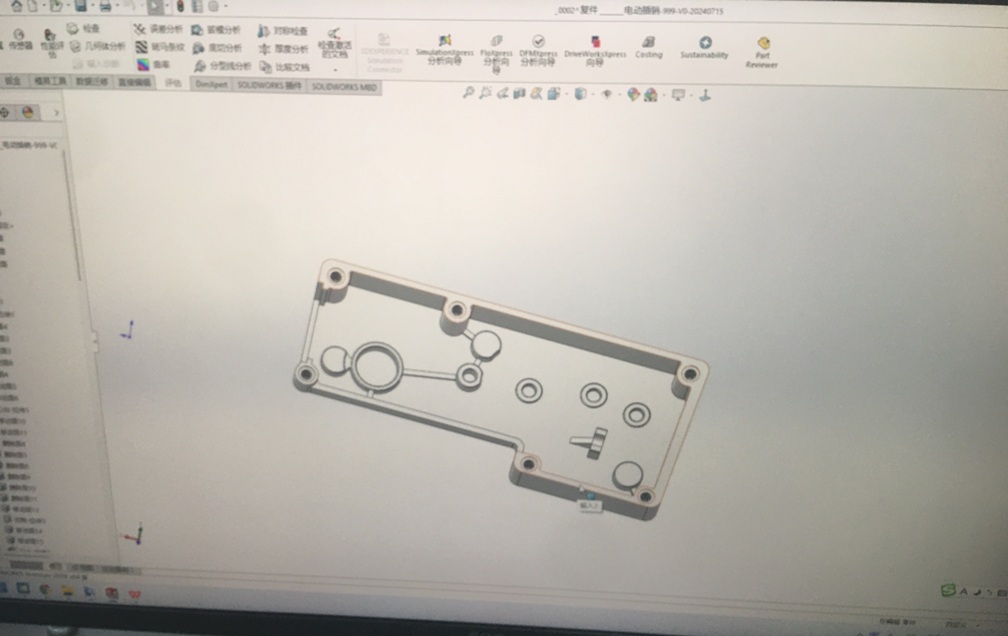
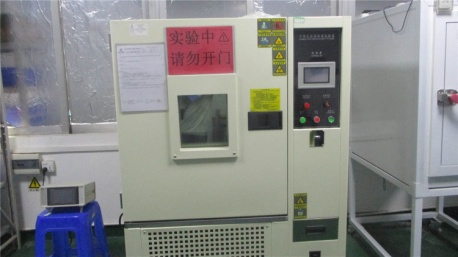
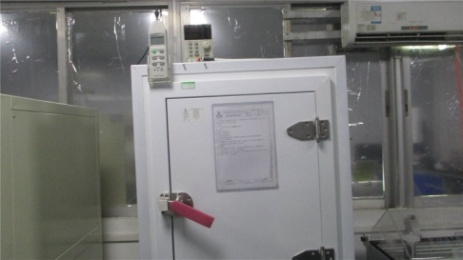
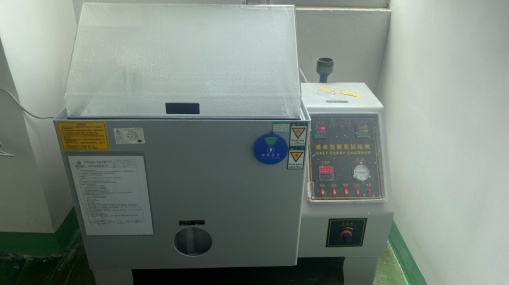
Procuring micro permanent magnet motors from China provides distinct operational advantages. The dominance of Chinese manufacturers in the electric drive segment is rooted in deep structural efficiencies, advanced materials ecosystems, and highly optimized tooling networks.
Micro-drives and permanent magnet assemblies operate in diverse, highly specialized industries. We design each product family to address the specific performance envelope of its real-world application.
Smart door locks, automated deadbolts, and security cameras require quiet, compact, and highly reliable battery-powered drives. Our gear motors feature optimized gearboxes to deliver maximum breakaway torque under low current draw.
From electronic seat adjusters and tailgate lift gates to window regulators and active grille shutters, automotive environments demand high thermal stability, minimal vibration, and strict compliance with IATF 16949 standards.
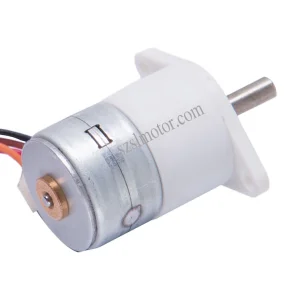
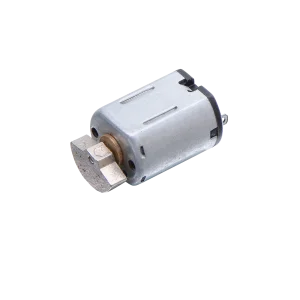
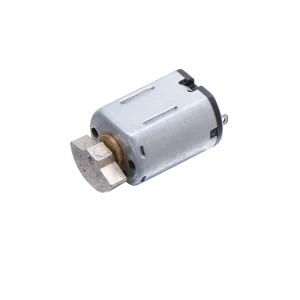
Robot vacuum cleaners, personal grooming tools, and precision printers rely on compact stepper motors, coreless DC motors, and high-frequency vibration motors to ensure smooth operation within constrained spaces.
Selecting a micro motor partner requires evaluating critical mechanical, electrical, and commercial parameters. When negotiating supply agreements, global engineering procurement teams should prioritize the following performance criteria:
Uncontrolled cogging torque causes physical vibration and high-frequency noise. Specify clear decibel limits (e.g., < 35dB at 30cm) measured inside an anechoic soundproof chamber under nominal voltage and load conditions.
Micro motors in confined spaces can face temperature spikes. Procurement specs must mandate Curie temperature testing and thermal limits for the NdFeB magnets to prevent irreversible flux loss under peak operating conditions.
For positional accuracy (e.g., smart locks, camera systems), gear backlash must be precisely specified in degrees or arcminutes. Ensure the gear design uses materials matched to your expected operational lifespan (e.g., powder metallurgy, cut steel, or high-performance plastics).
The micro motor industry is undergoing a rapid transition toward smarter, more integrated designs. Staying ahead of these shifts helps engineering teams future-proof their product portfolios.
Modern BLDC motors increasingly integrate the motor driver and controller directly into the back bell housing. Field-Oriented Control (FOC) algorithms estimate rotor position without expensive Hall sensors, reducing overall system size and wiring complexity while improving reliability.
For applications requiring high power-to-weight ratios, axial flux and coreless rotor configurations eliminate iron rotor cores. This eliminates eddy current losses, prevents cogging torque, and delivers smooth speed control at all operating RPMs.
 WICCA Motor