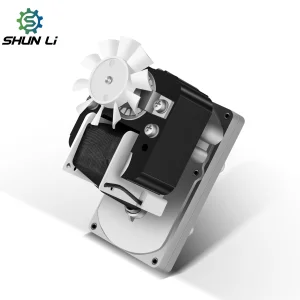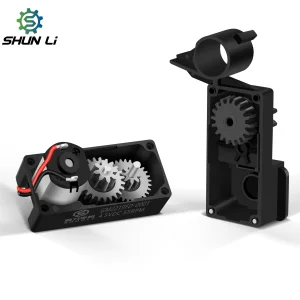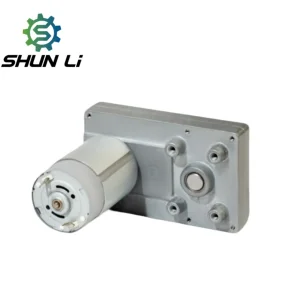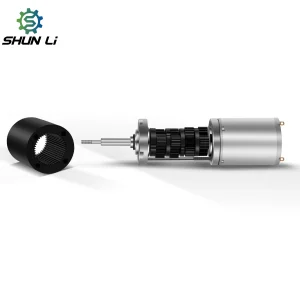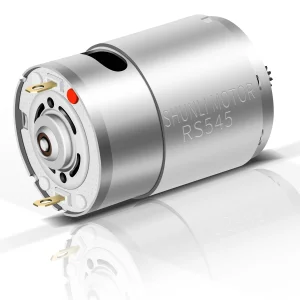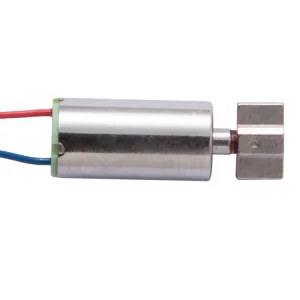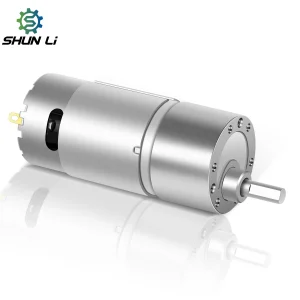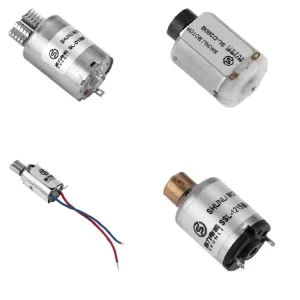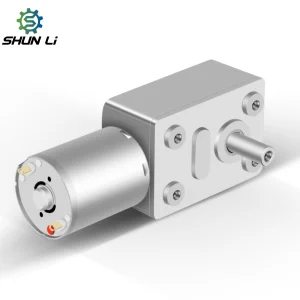
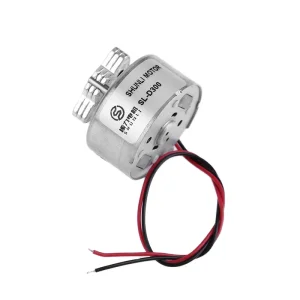
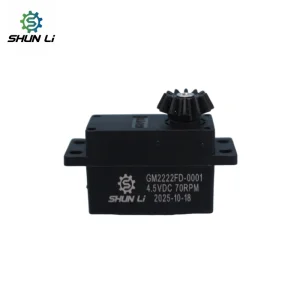
Open up a premium smart door lock, a high-end medical pump, a robotic cleaner, or an automotive electronic seat—and you’ll likely find the silent, reliable pulse of a WICCA Motor.
We don’t just build hardware; we power the user experiences that define your brand. Our micro DC and brushless motors are engineered to be invisible—operating with ultra-low noise, high energy efficiency, and a compact footprint that allows product designers to push the limits of their industrial design. When your product’s reputation relies on flawless, repeated mechanical motion, WICCA Motor delivers the precision engineering that keeps your customers happy.
In modern industrial and consumer ecosystems, remote actuation has transitioned from basic relay switches to intelligent, feedback-driven motion control. Across Europe, North America, and the Asia-Pacific region, the demand for CE Certified Remote Control Motors has skyrocketed. Product development lifecycles now demand highly optimized integration, where physical actuators communicate natively with IoT microcontrollers, cloud gateways, and localized sensor arrays.
From micro DC brushed variants running on low-voltage lithium packages to industrial shaded pole AC geared units powering automated pellet heating systems, modern design parameters focus intensely on torque density, electromagnetic compatibility (EMC), and thermal endurance. In a highly fragmented vendor space, sourcing motor assemblies that boast compliant CE labels is a regulatory necessity. Non-compliant components expose importing organizations to severe legal liabilities and risk premature equipment failure under strenuous operational profiles.
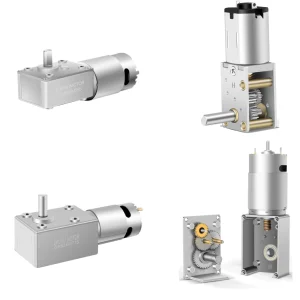
Integrated worm and planetary gearsets optimize mechanical leverage, providing maximum holding torque within ultra-compact spatial geometries.
High-resolution magnetic and optical encoders feed real-time positional data to localized processors, facilitating accurate closed-loop control.
CE and RoHS marks ensure compliance with strict European electrical safety guidelines, low-voltage directives, and electromagnetic compliance standards.
Industrial performance is only as good as its contextual integration. Remote control motors play pivotal, highly specialized roles in localized vertical markets:
Residential and commercial smart lock assemblies rely on micro DC geared motors to actuate locking bolts reliably within milliseconds. Using battery-powered profiles operating at 2.5V, 3V, or 6V, these units demand minimal power consumption during standby while packing sufficient torque to drive heavy lock mechanisms. Encoders integrated into the motor housings track exact rotational limits, ensuring complete locking execution without overloading the internal gears or draining battery cells.
In heating systems and commercial rotisseries, the continuous, uniform delivery of materials or rotation is critical. Shaded pole AC gear motors and custom high-torque asynchronous motors operating at 220V–240V provide consistent output speeds (ranging down to 1.5RPM) and torque parameters exceeding 22N.m. These assemblies operate continuously within high-temperature environments, requiring precision gear-hobbing and robust insulation parameters to avoid thermal breakdown.
Modern office equipment, such as smart document feeders and motorized projection screens, utilizes 12V and 24V flat-geared magnetic encoder motors. These devices operate on silent-running profiles, requiring low acoustic signatures. Vibration-isolated mountings and precision-lapped gear trains reduce structural resonance, preventing ambient noise from exceeding 35dB inside office environments.
As remote control motors evolve, their design configurations are increasingly influenced by three major trends: Smart Integration, Material Innovations, and High Efficiency Scaling.
Standard brush DC motors are steadily giving way to Brushless DC (BLDC) architectures in applications demanding long service lifespans and high reliability. Sensorless BLDC drives run on advanced commutation controllers, which dynamically adjust magnetic flux based on back-EMF feedback. This setup eliminates friction losses and EMI noise associated with mechanical brushes. Concurrently, advancements in magnetic materials, including the application of high-energy neodymium iron boron (NdFeB) magnets, permit reduced rotor volumes without sacrificing torque density.
On the horizon, wireless IoT microchips are expected to integrate directly into the motor housing assembly. This integration allows engineers to deploy wireless remote telemetry monitoring directly at the hardware layer. In industrial plants, this setup enables predictive maintenance models: monitoring temperature deviations, phase currents, and vibration signatures directly over Wi-Fi, BLE, or Zigbee networks. This technology mitigates catastrophic system downtime by initiating soft shutdowns when anomalies are detected.
In global supply chains, manufacturing turnaround times and quality consistency are critical competitive differentiators. Chinese motor manufacturing hubs utilize centralized industrial supply networks to source raw materials, execute high-precision machining, conduct rigorous quality checks, and export finished products under optimized schedules.
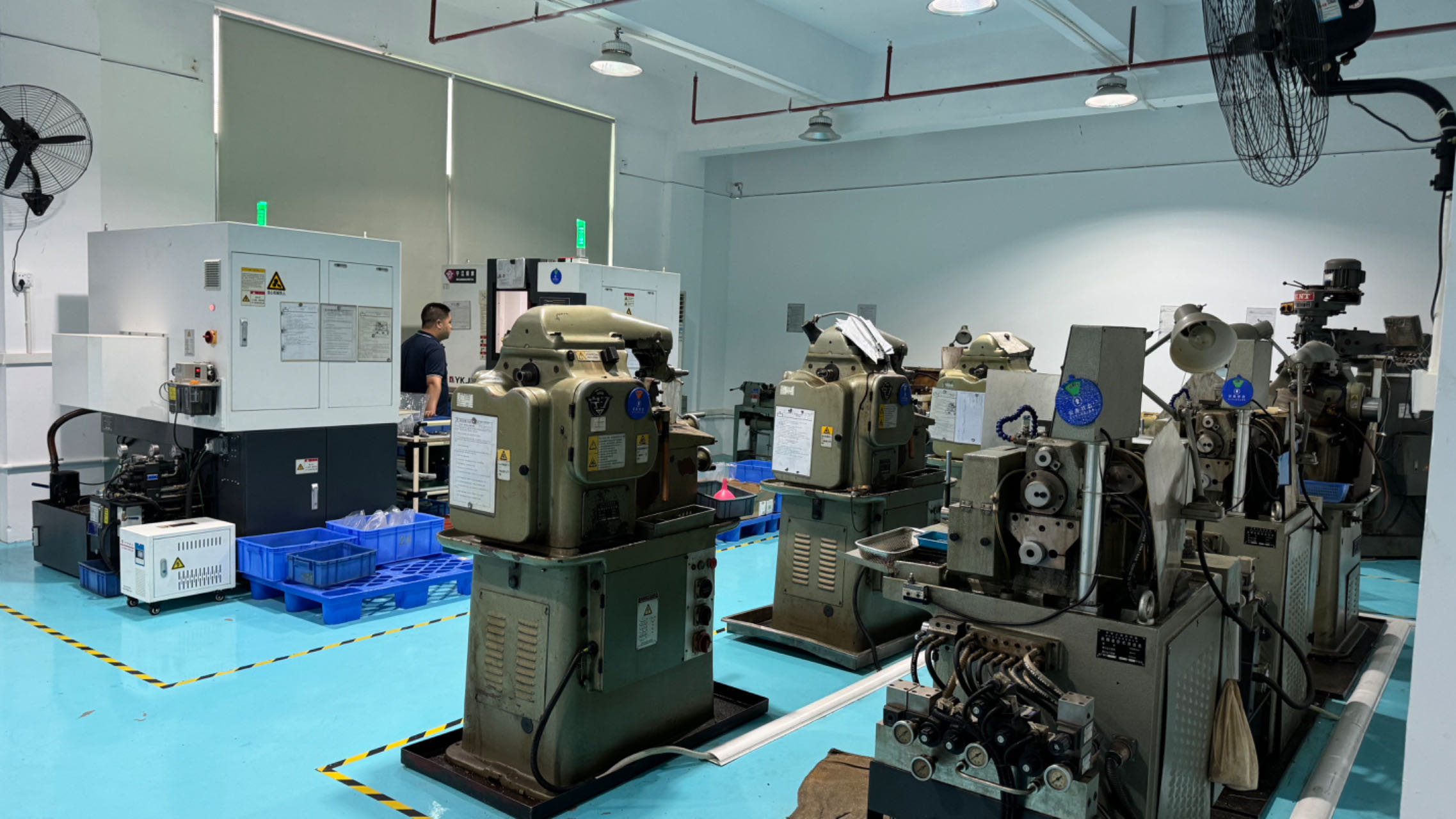
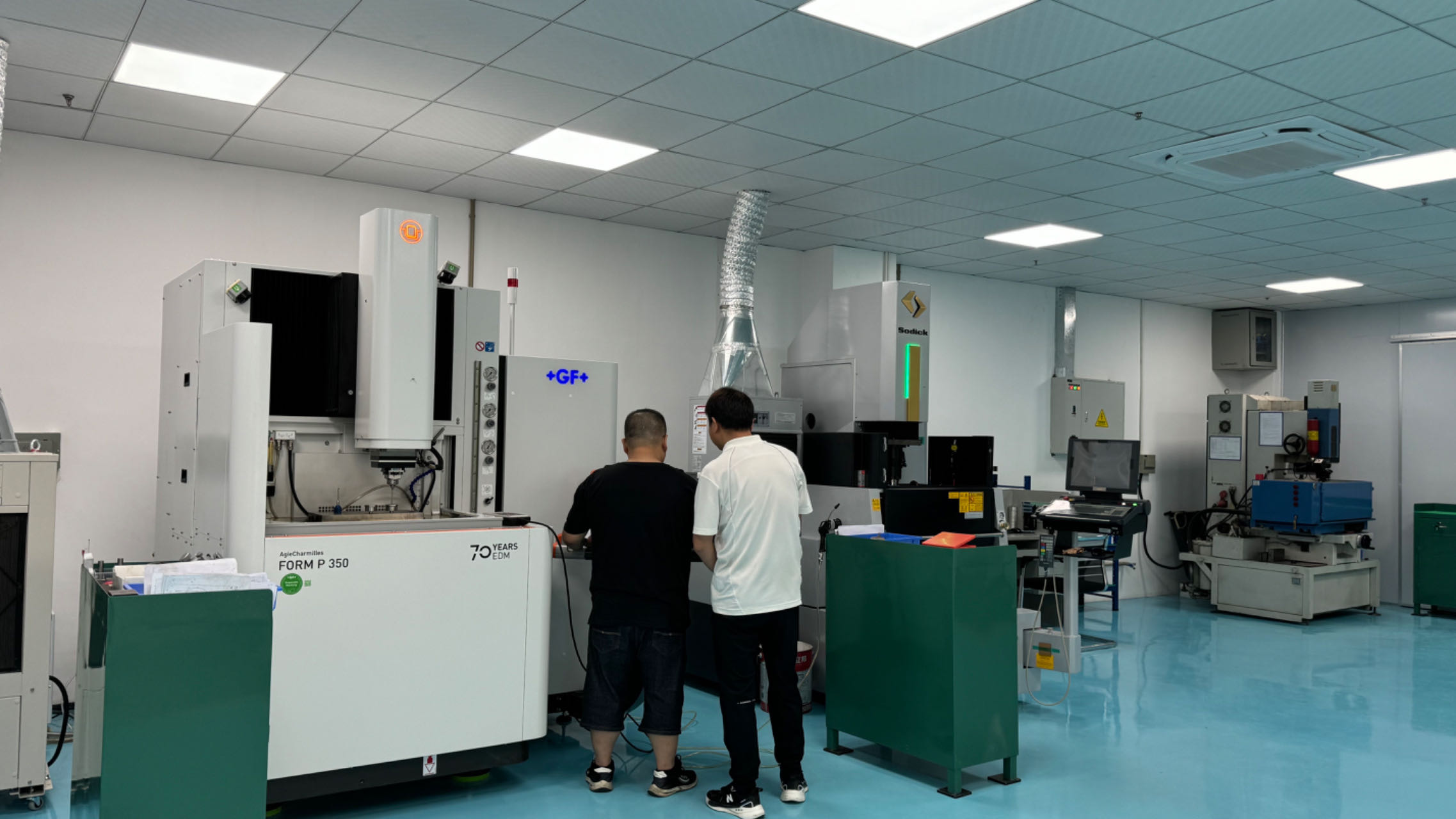
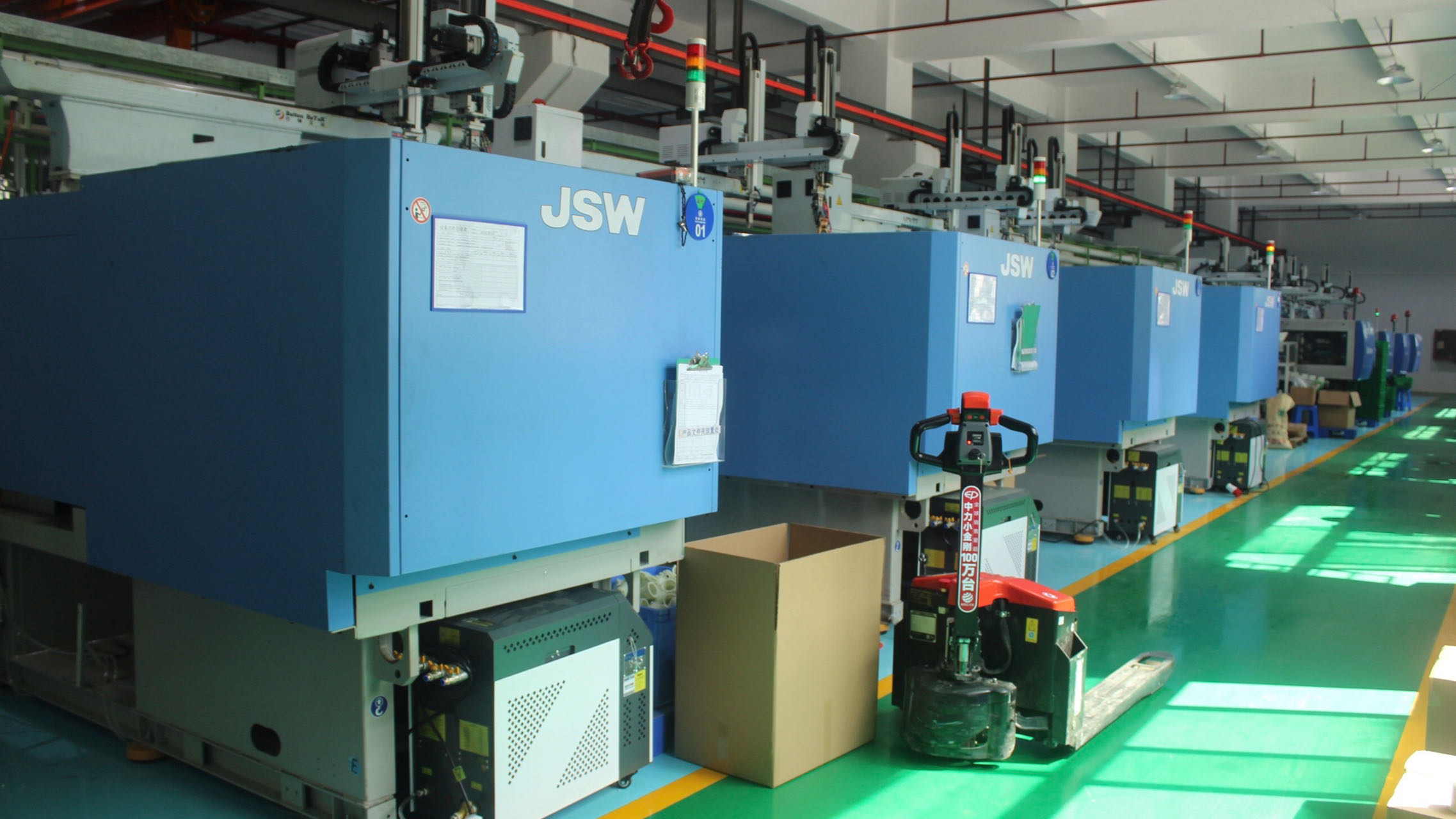
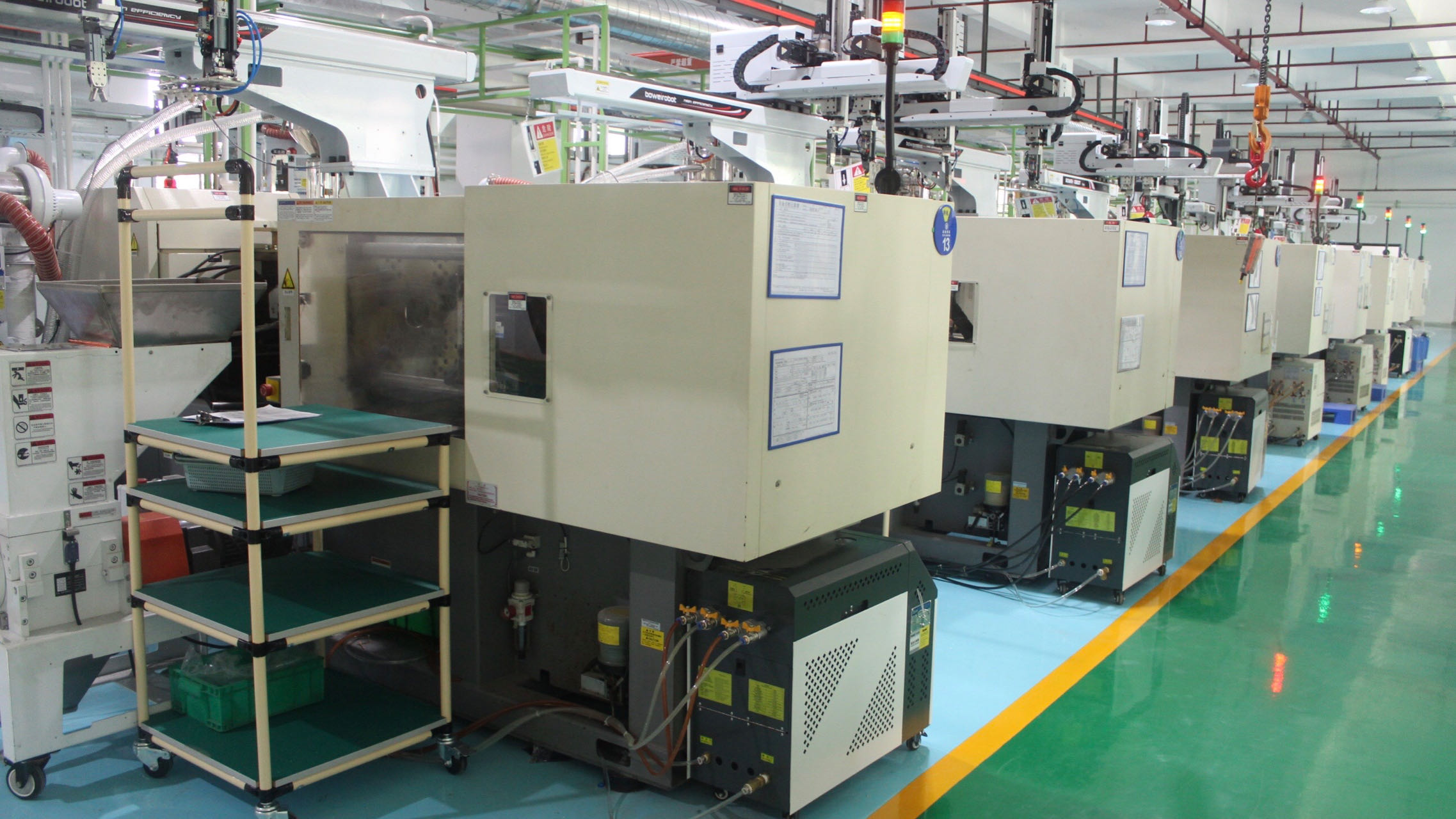
At WICCA Motor, maintaining product consistency requires owning the entire processing pipeline. By deploying equipment such as Ningjiang Gear Hobbers, high-speed NC wire-cut machines, automated gear-riveting units, and computer wire winders, production tolerances are held within micron levels. This control reduces mechanical backlash and minimizes kinetic losses during gear-meshing cycles, extending the operational lifespan of the final motor assembly.
 Raw Material
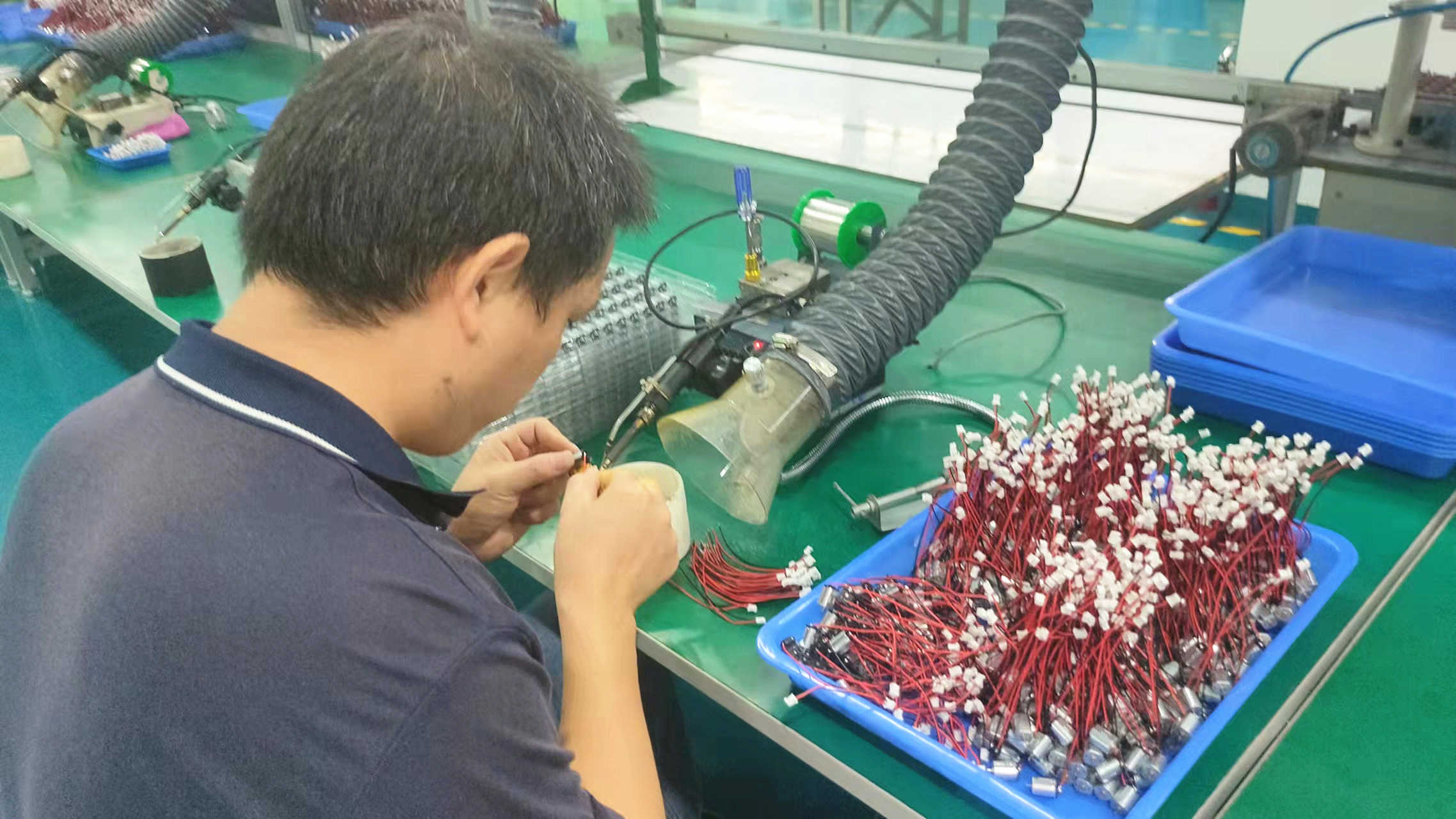 Soldering
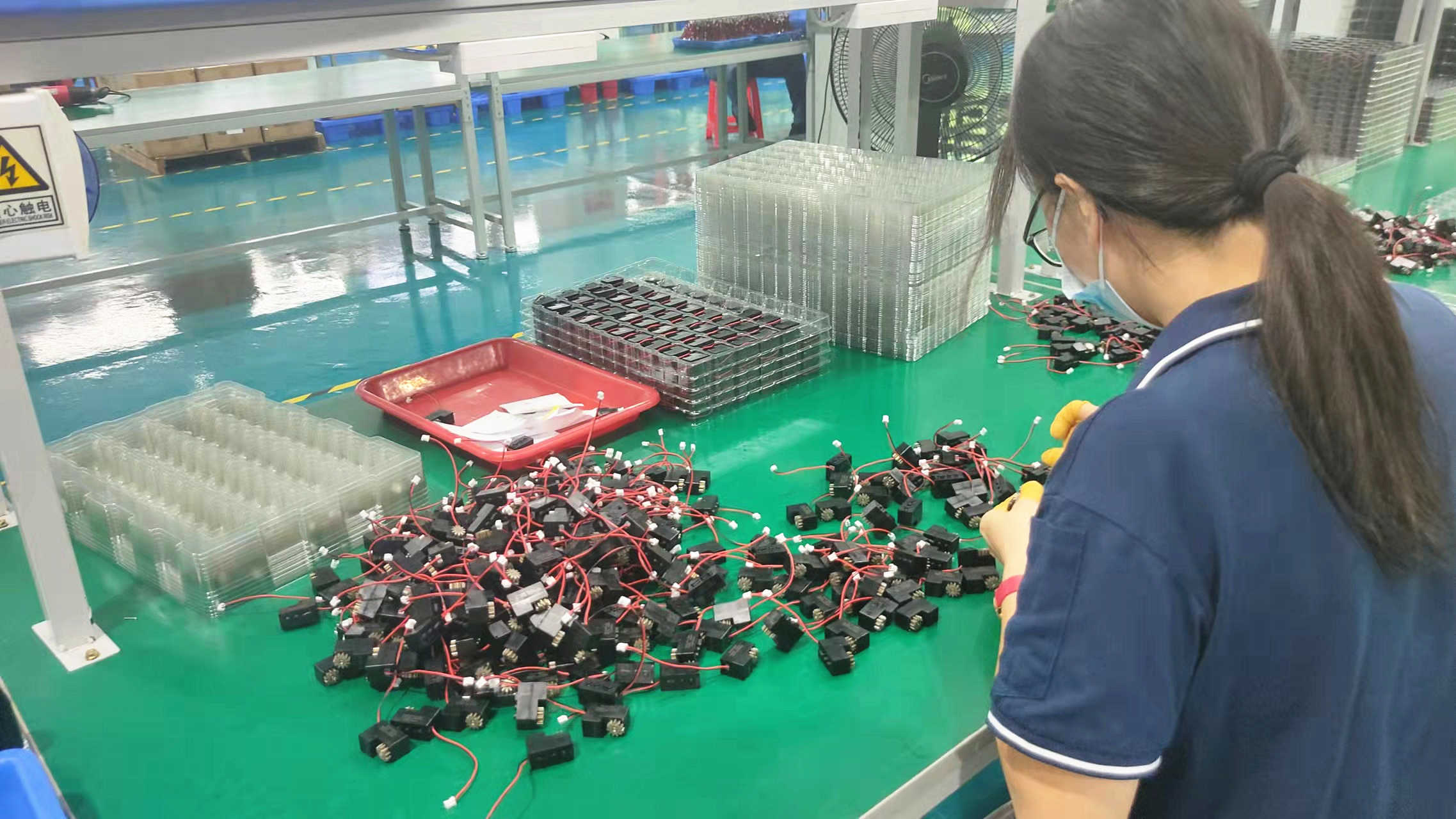
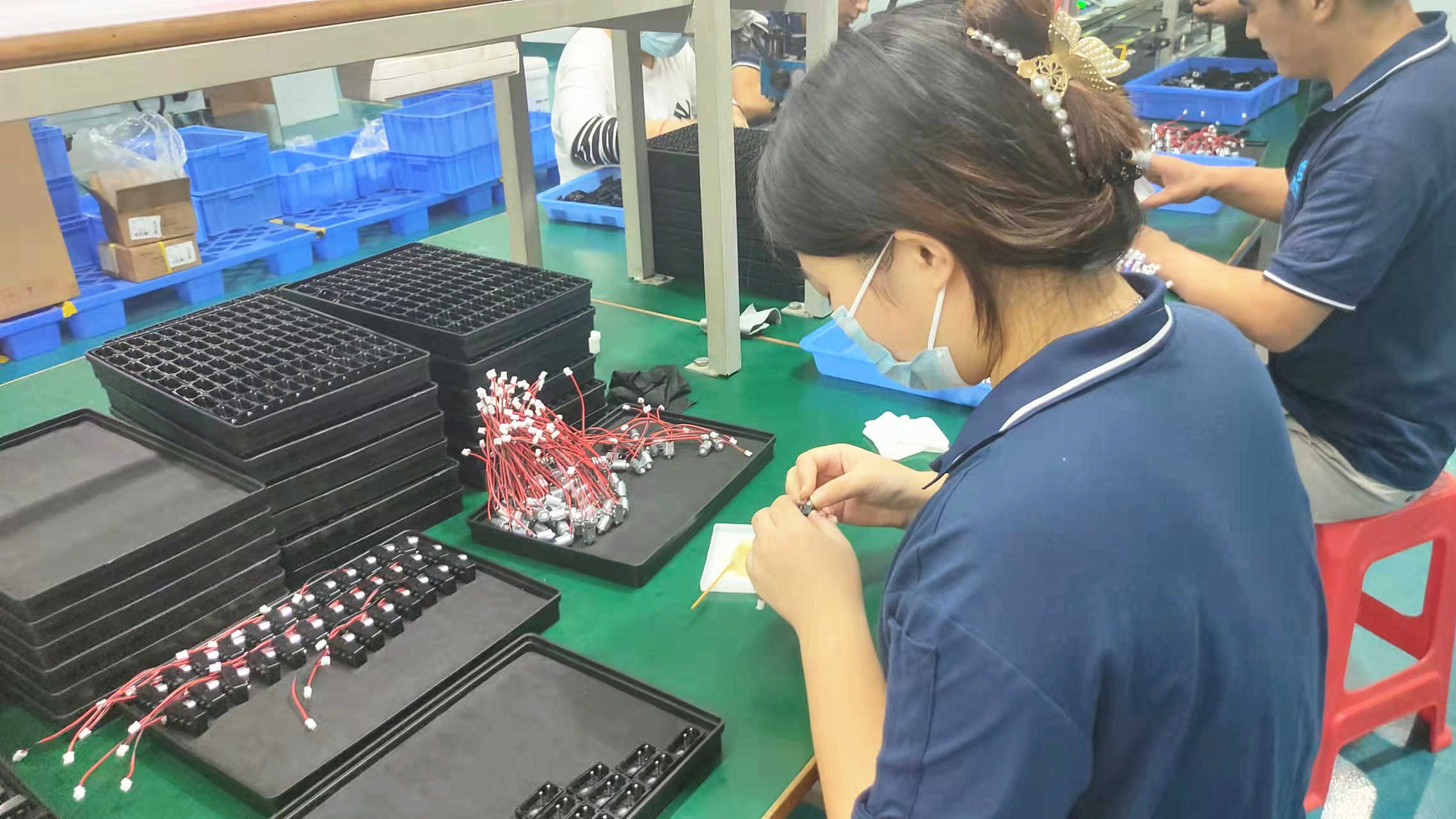 Assembling
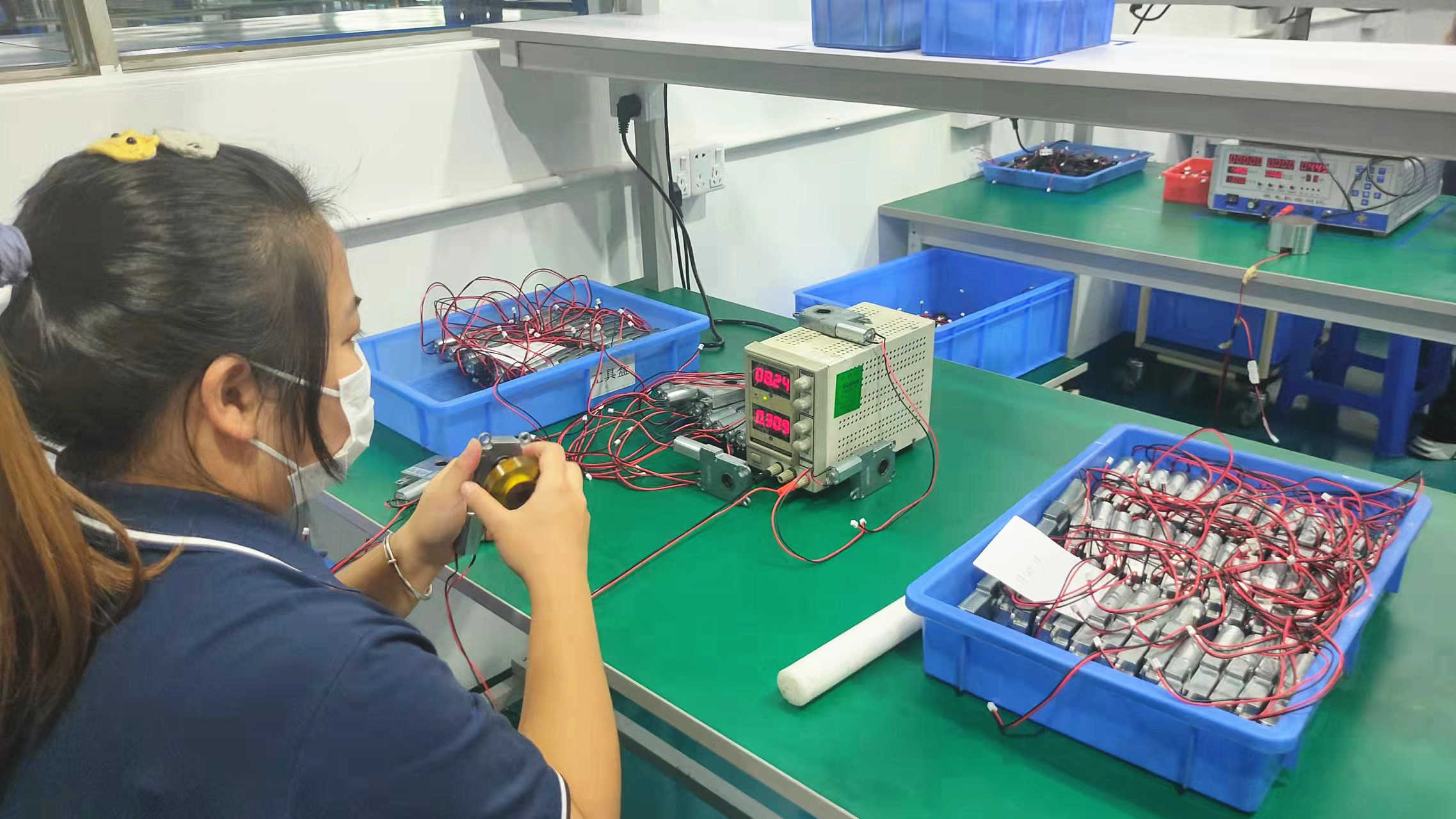
 Testing
 Packing
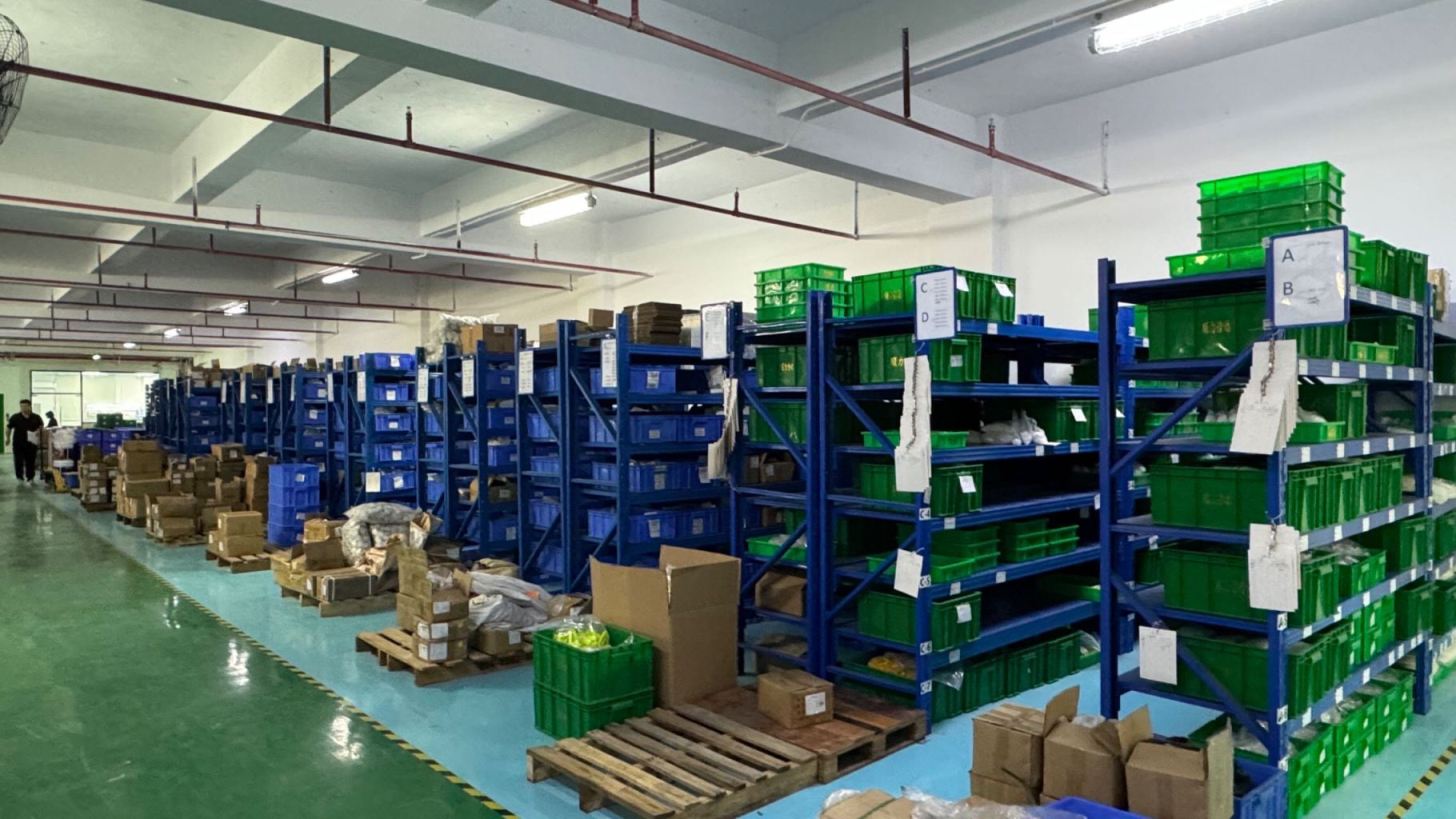 Storage
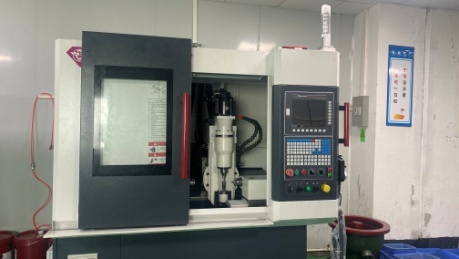 NINGJIANG MACHINE TOOL
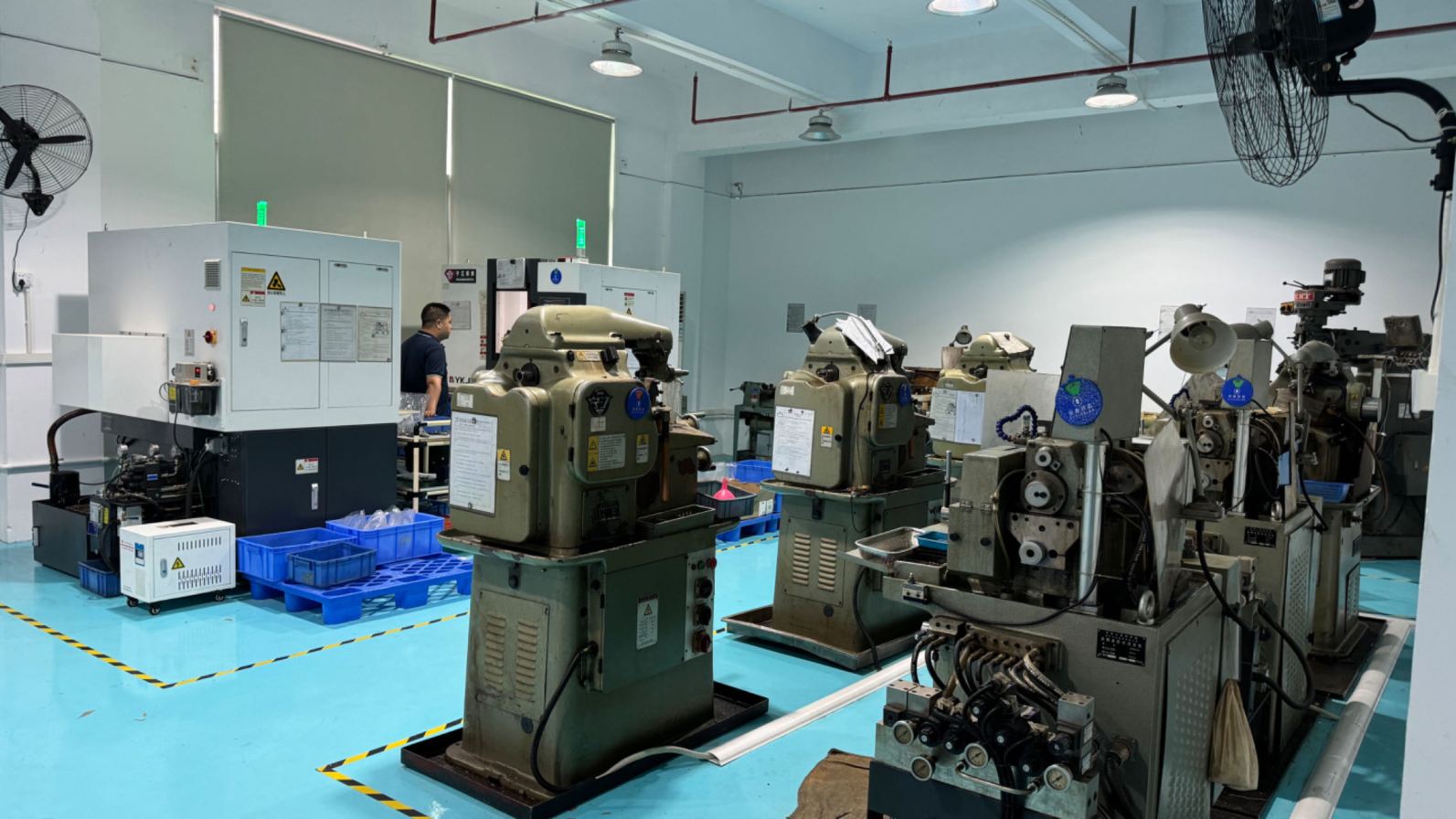 High Precision Horizontal Gear Hobbing Machine
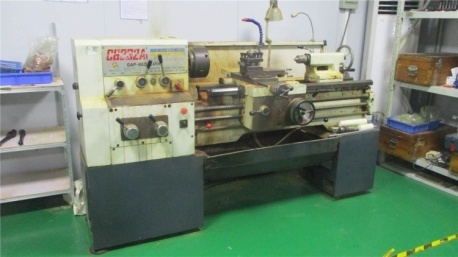 Lathing Machine
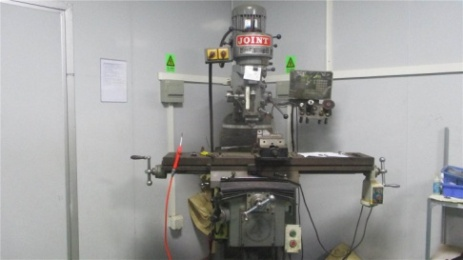 Milling Machine
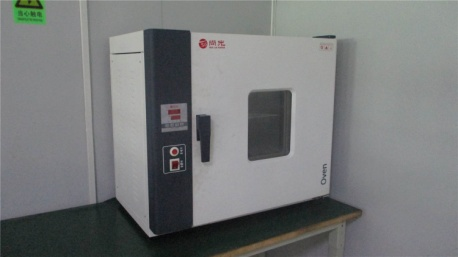 Drying Oven
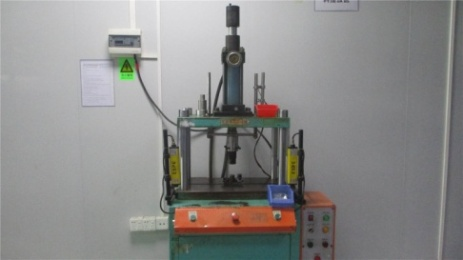 Automatic Gear Riveting Machine
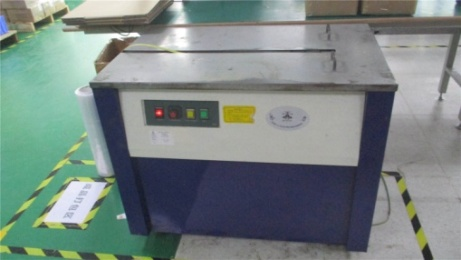 Packing Machine
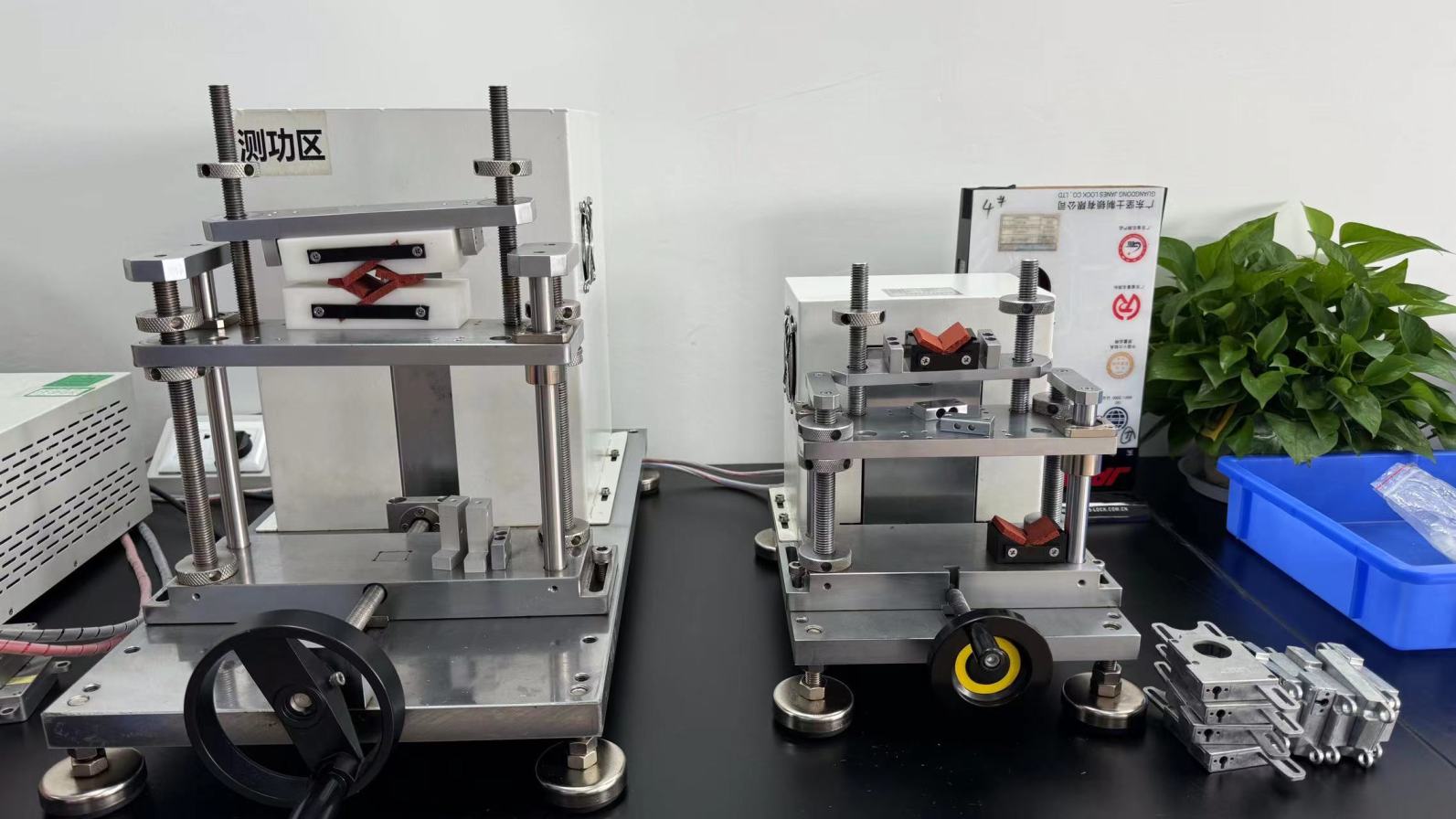 Pneumatic Pressing Machine
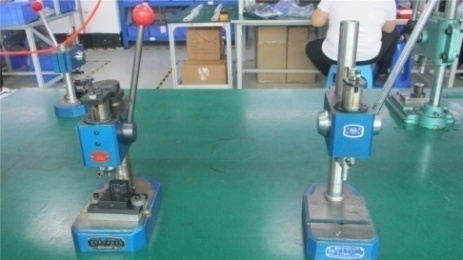 Manual Pressing Machine
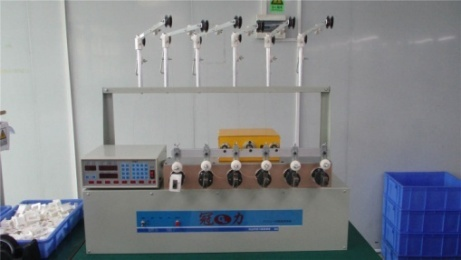 Computer Wire Winding Machine
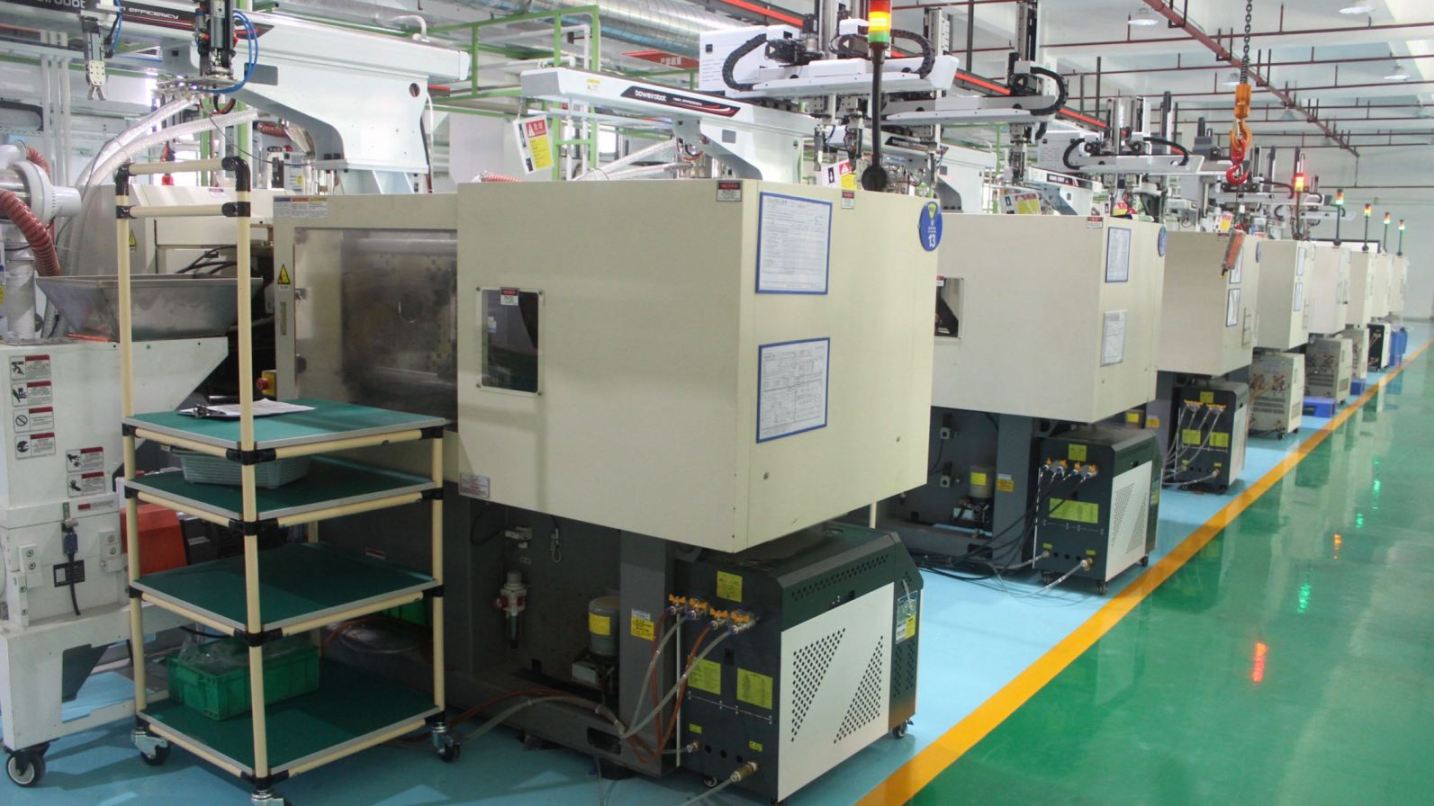 Injection Machine
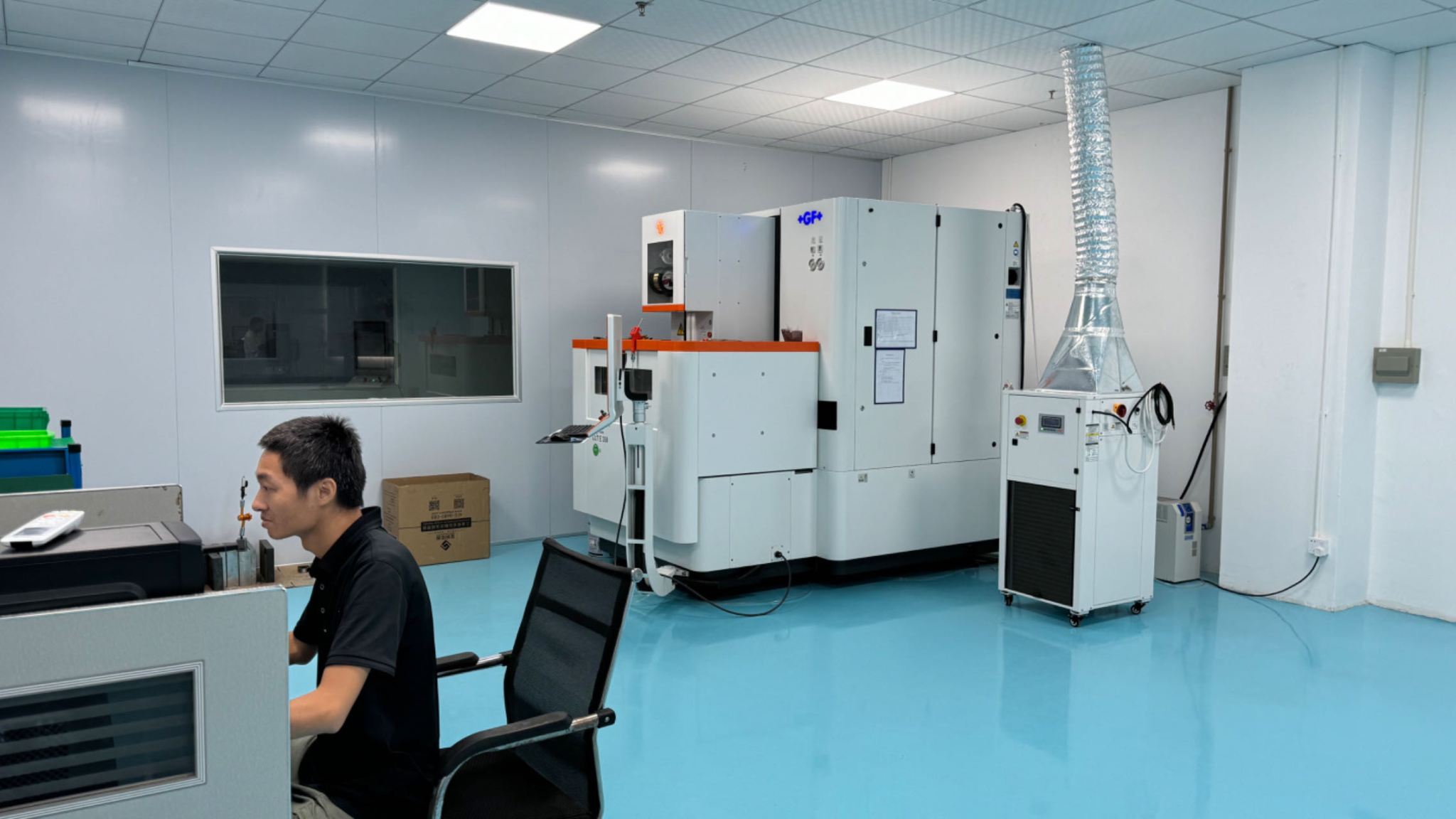 Slow-feeding NC wire-cut machine
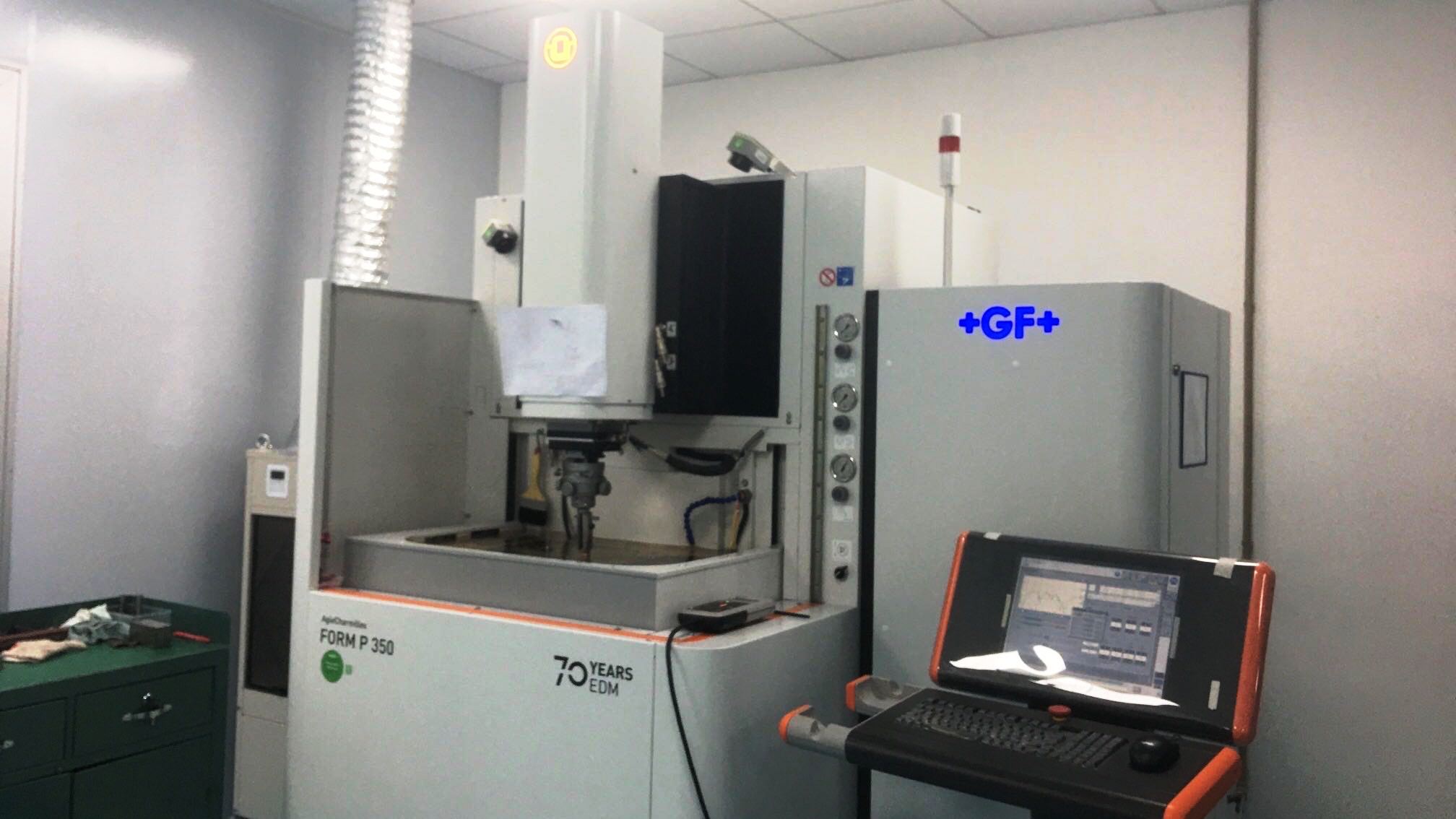 EDM
EDM
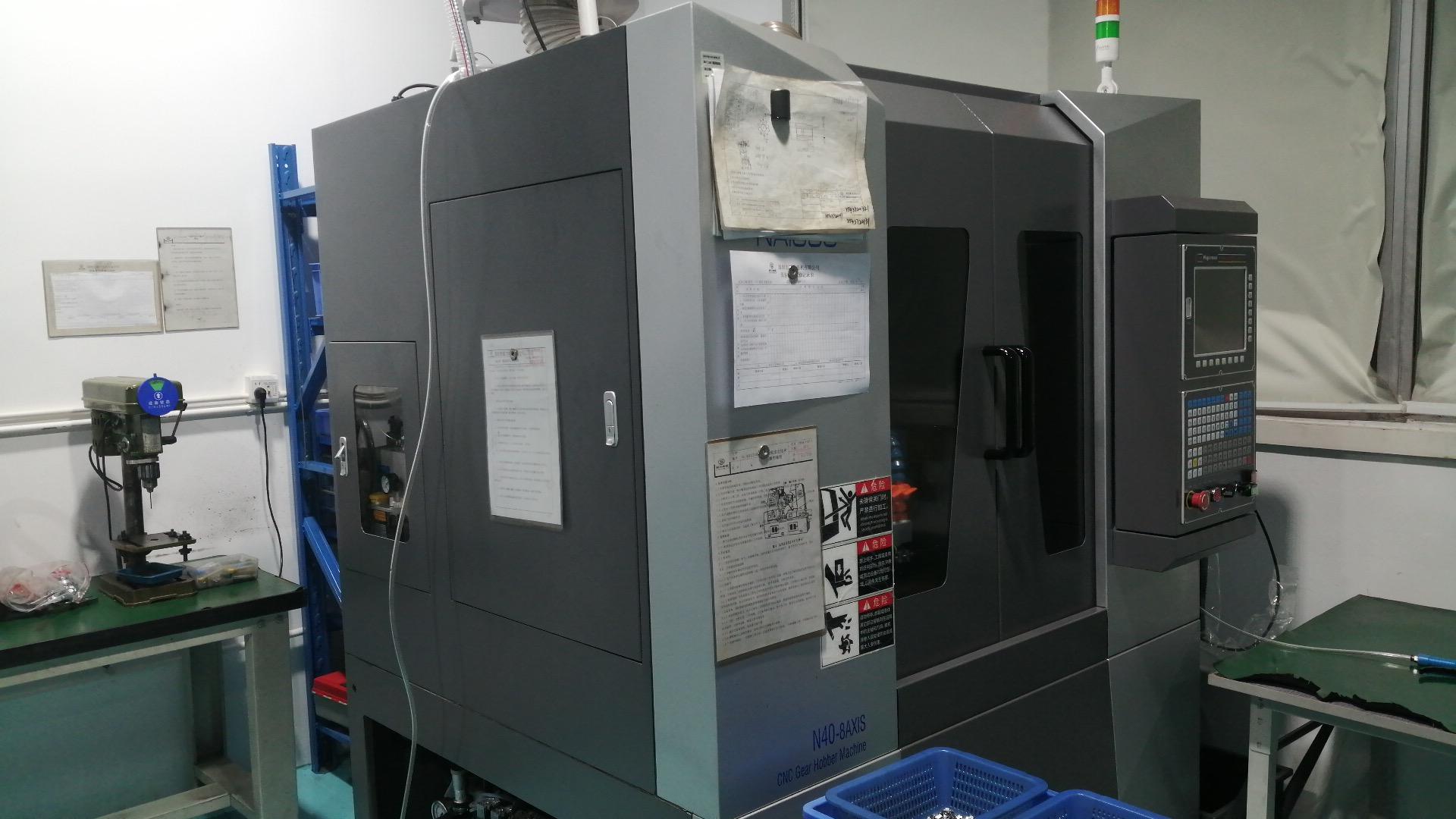 Hobbing Machine
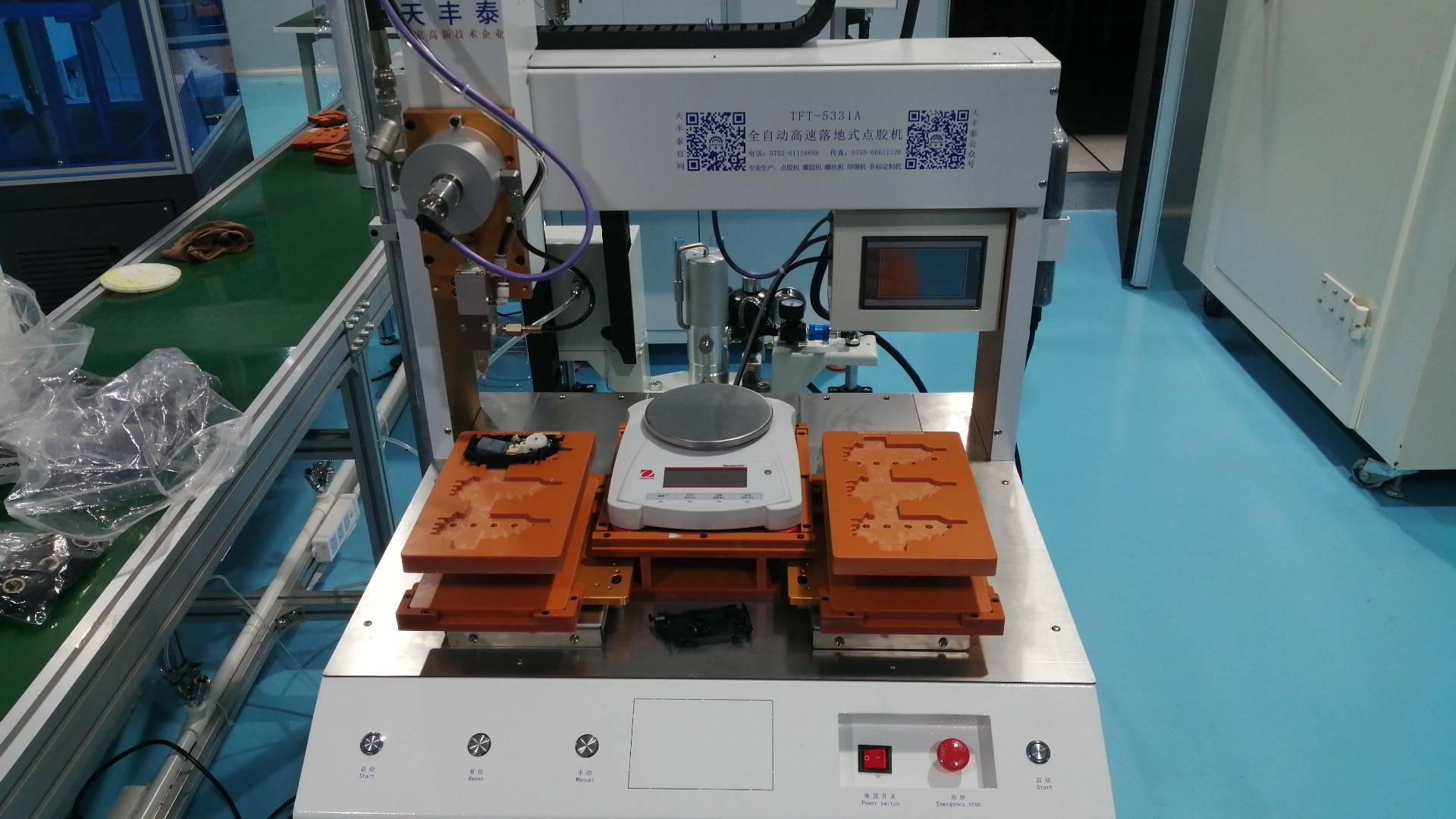 Glue Dispenser
For high-performance motor technology, reliability is defined through strict verification. Testing equipment measures structural, thermal, and electrodynamic behaviors to confirm compliance and performance consistency under harsh operational conditions.
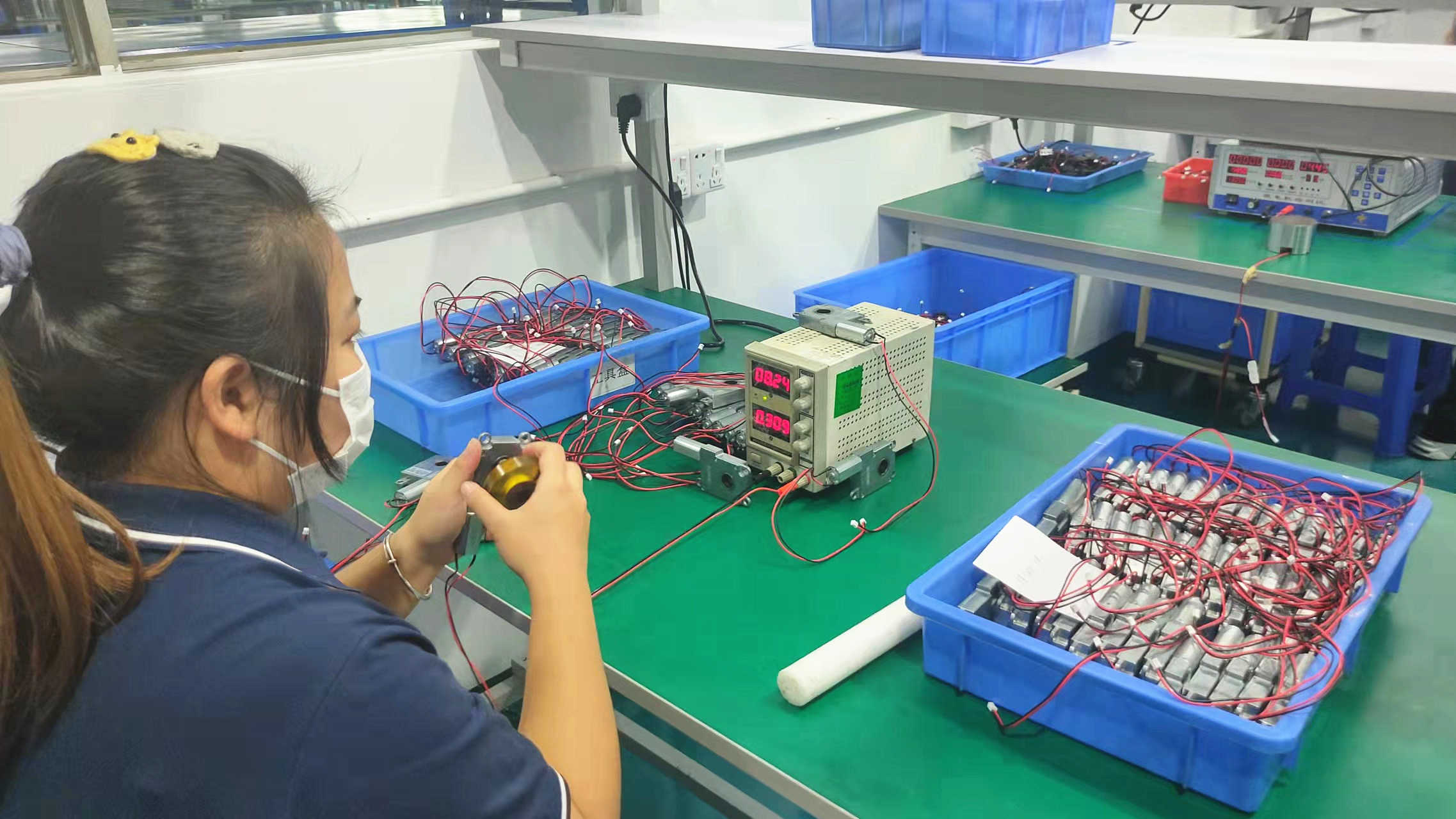 Qc Checking
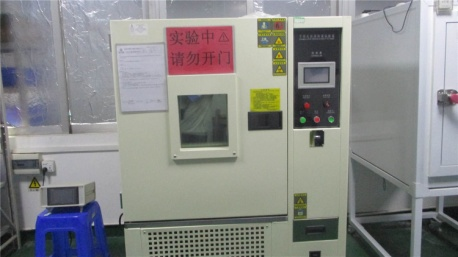 Programmable Constant Temperature & Humidity Testing Chamber
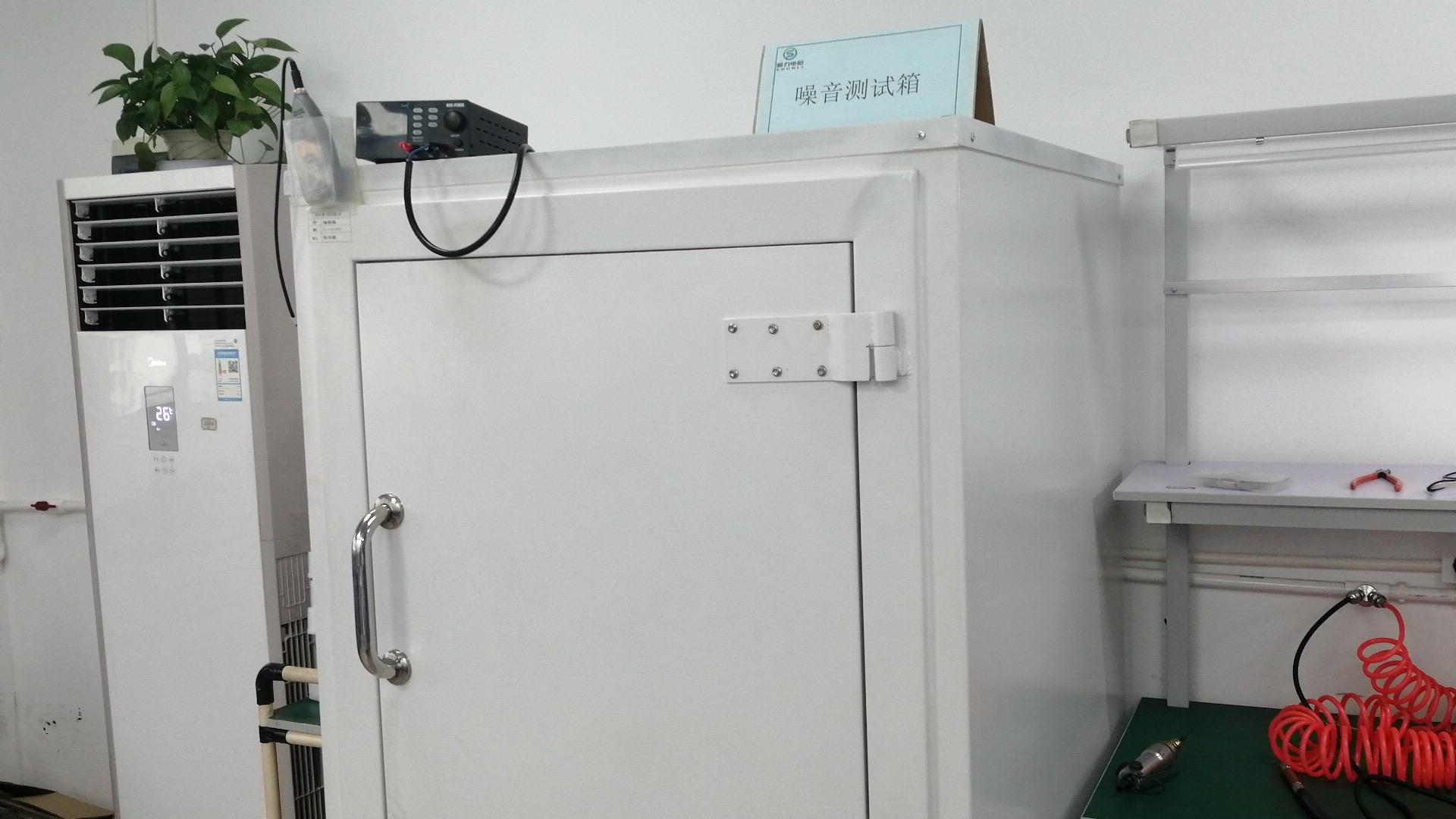 Noise Testing Chamber
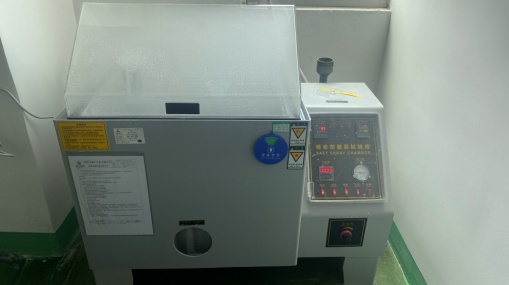 Salt Spray Testing Machine
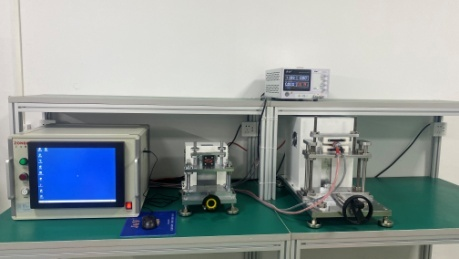 Dynamometer Machine
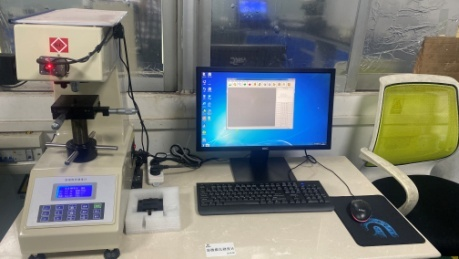 Hardness Tester
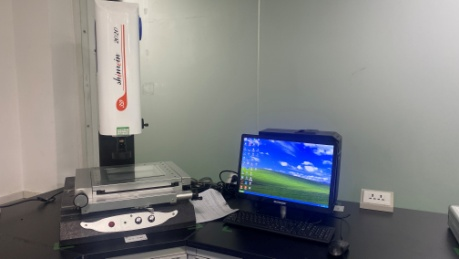 Video Measuring Instrument
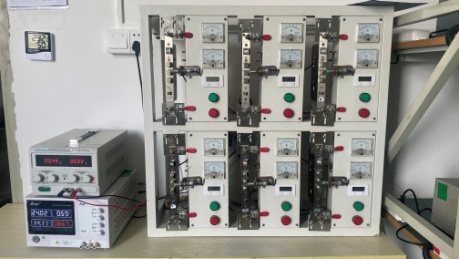 Aging Shelf
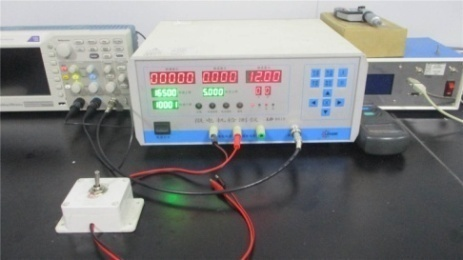 Motor Testing Machine
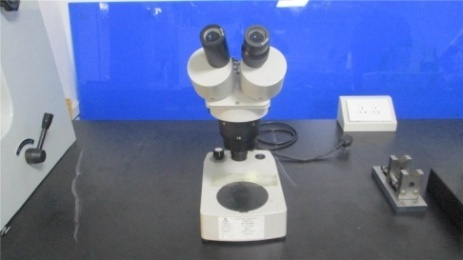 Microscope
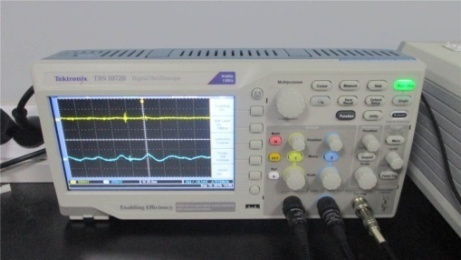 Digital Oscilloscope
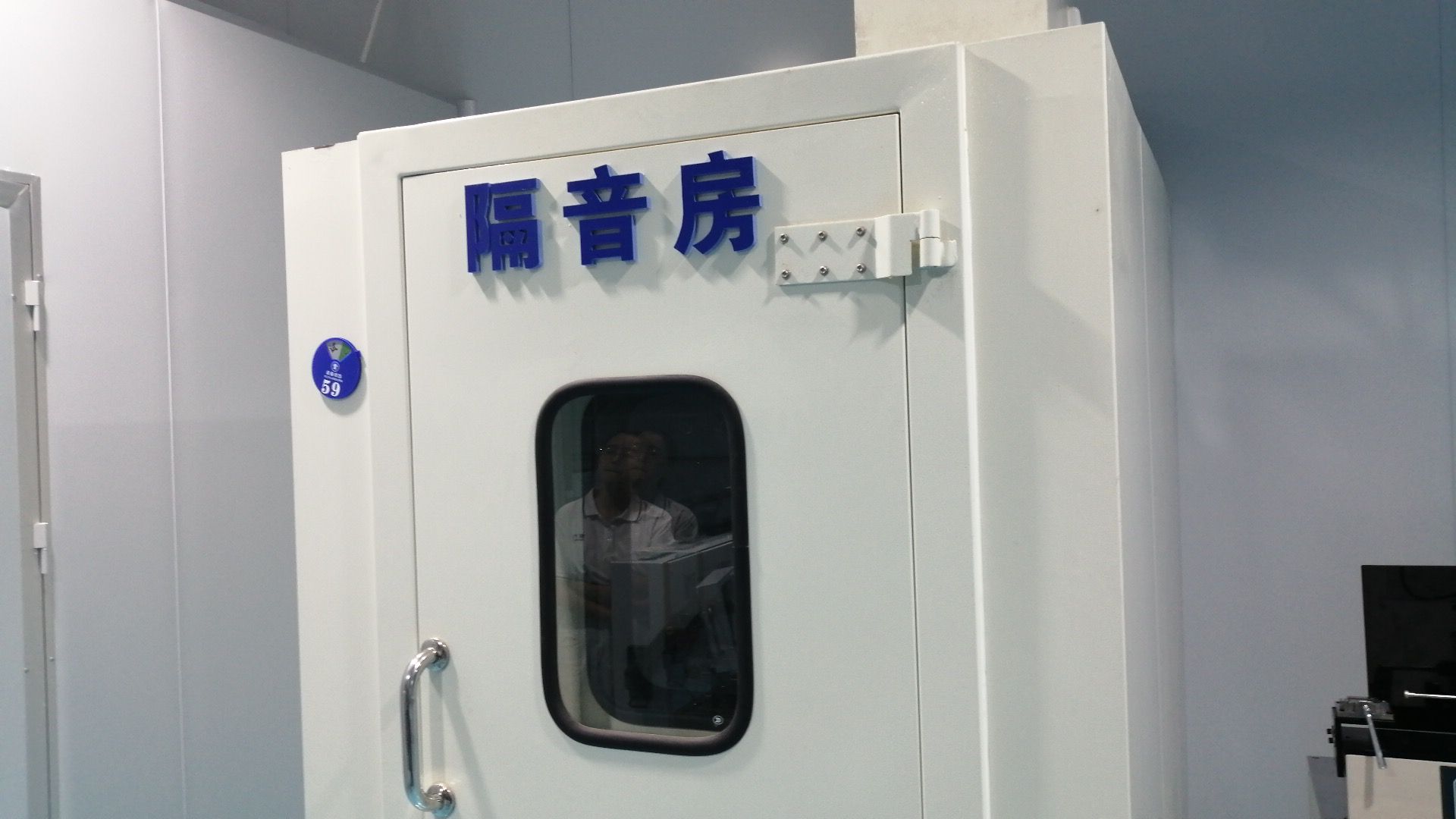 Soundproof Room
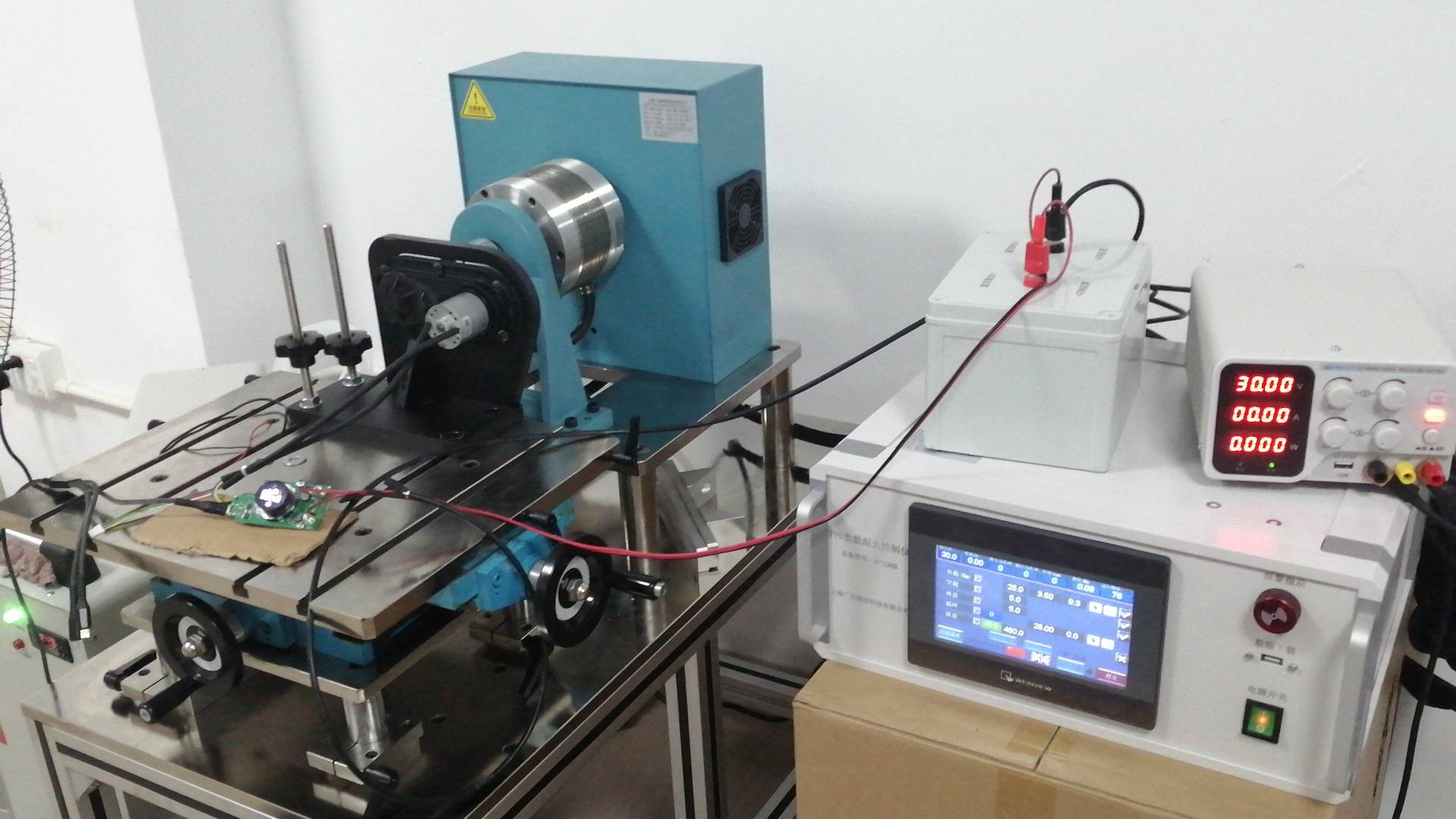 Magnetic Powder Testing Machine
Every motor solution starts with structured design work and goes through iterative prototyping before scaling. Testing environments simulate extreme conditions to ensure components withstand field deployment.
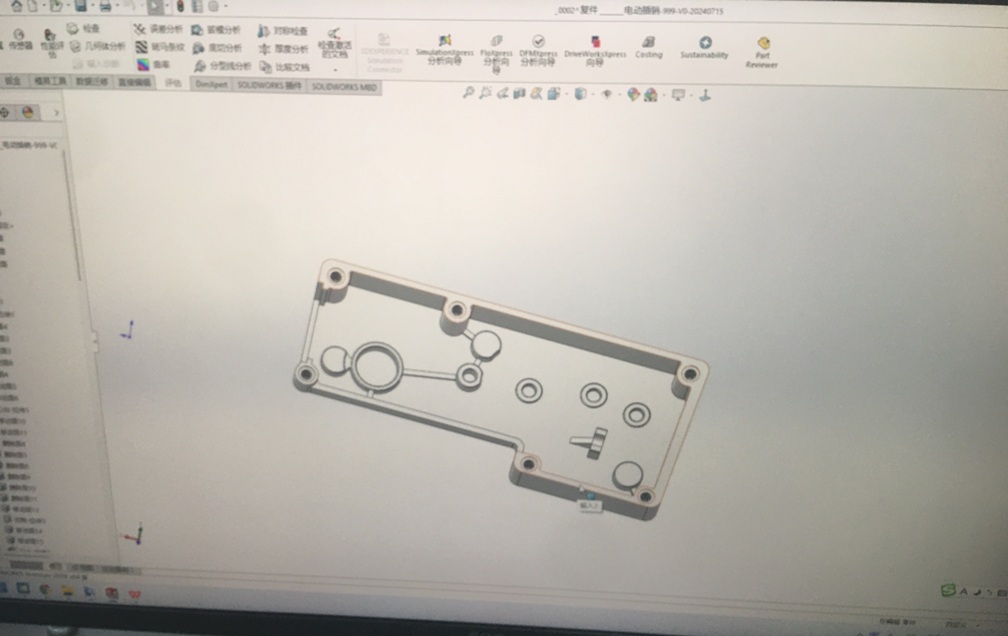 Design
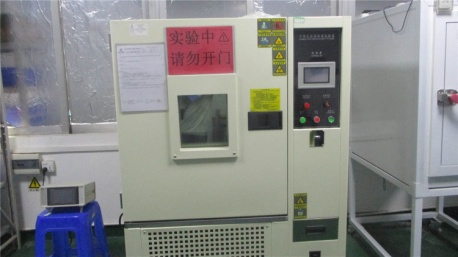 Programmable Constant Temp & Humidity Testing Chamber
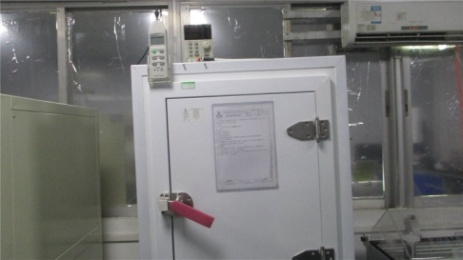 Noise Testing Chamber
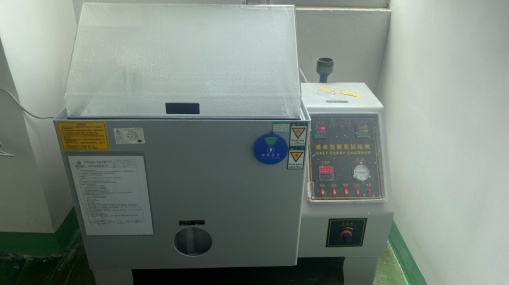 Salt Spray Testing Machine
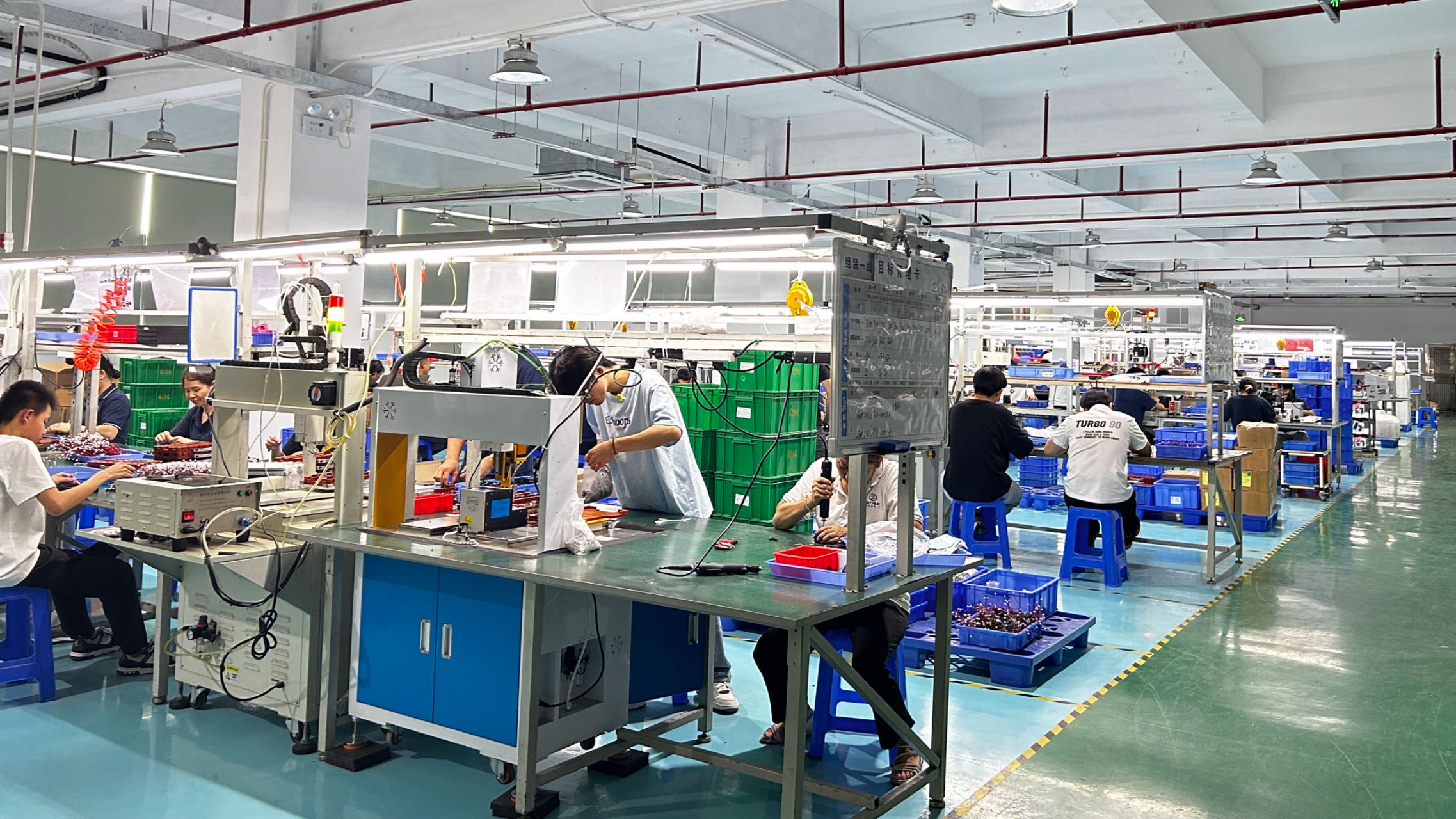
Below is a view inside our clean-room assembly, custom testing zones, automated winding floor, and packaging bays:


 WICCA Motor