Explore our leading collection of high-torque, low-noise, and engineered worm and planetary gear assemblies designed for demanding international standards.
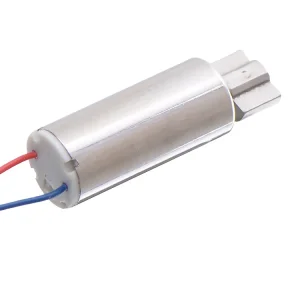
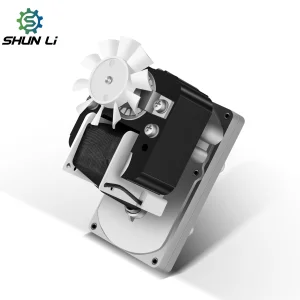
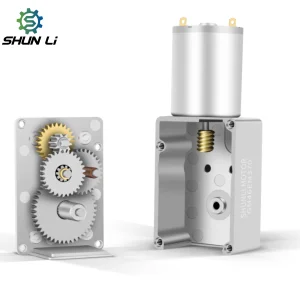
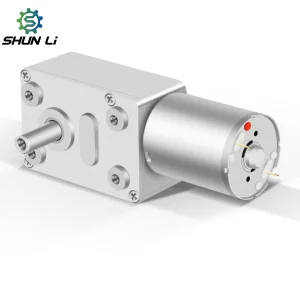
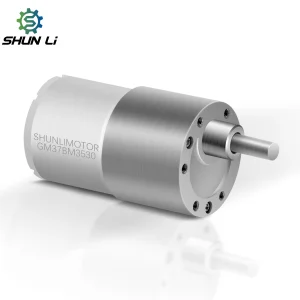
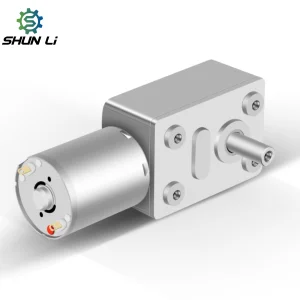
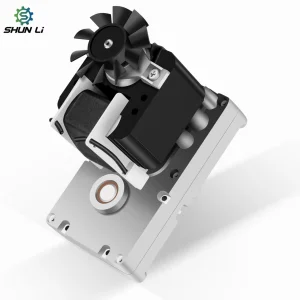
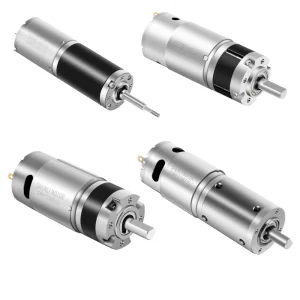
Silent Power Behind the World’s Smartest Devices
Open up a premium smart door lock, a high-end medical pump, a robotic cleaner, or an automotive electronic seat—and you’ll likely find the silent, reliable pulse of a WICCA Motor.
We don’t just build hardware; we power the user experiences that define your brand. Our micro DC and brushless motors are engineered to be invisible—operating with ultra-low noise, high energy efficiency, and a compact footprint that allows product designers to push the limits of their industrial design. When your product’s reputation relies on flawless, repeated mechanical motion, WICCA Motor delivers the precision engineering that keeps your customers happy.
As a leading Chinese designer and manufacturer, we integrate advanced thermal dynamics, planetary and worm gear engineering, and precision electromagnetic designs. Our goal is to solve the complex challenge of providing maximum starting torque while minimizing current draw and acoustic footprint.

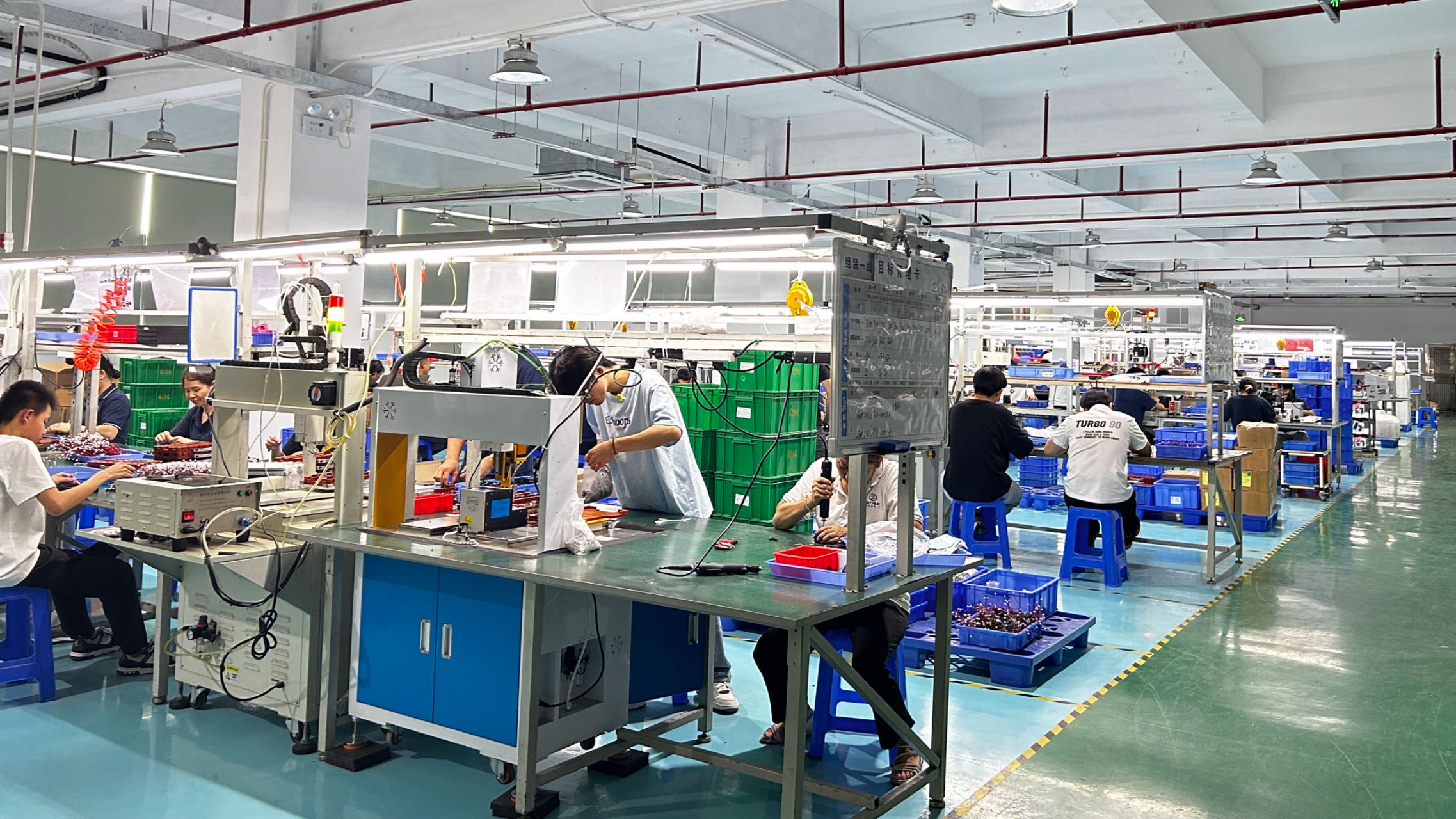
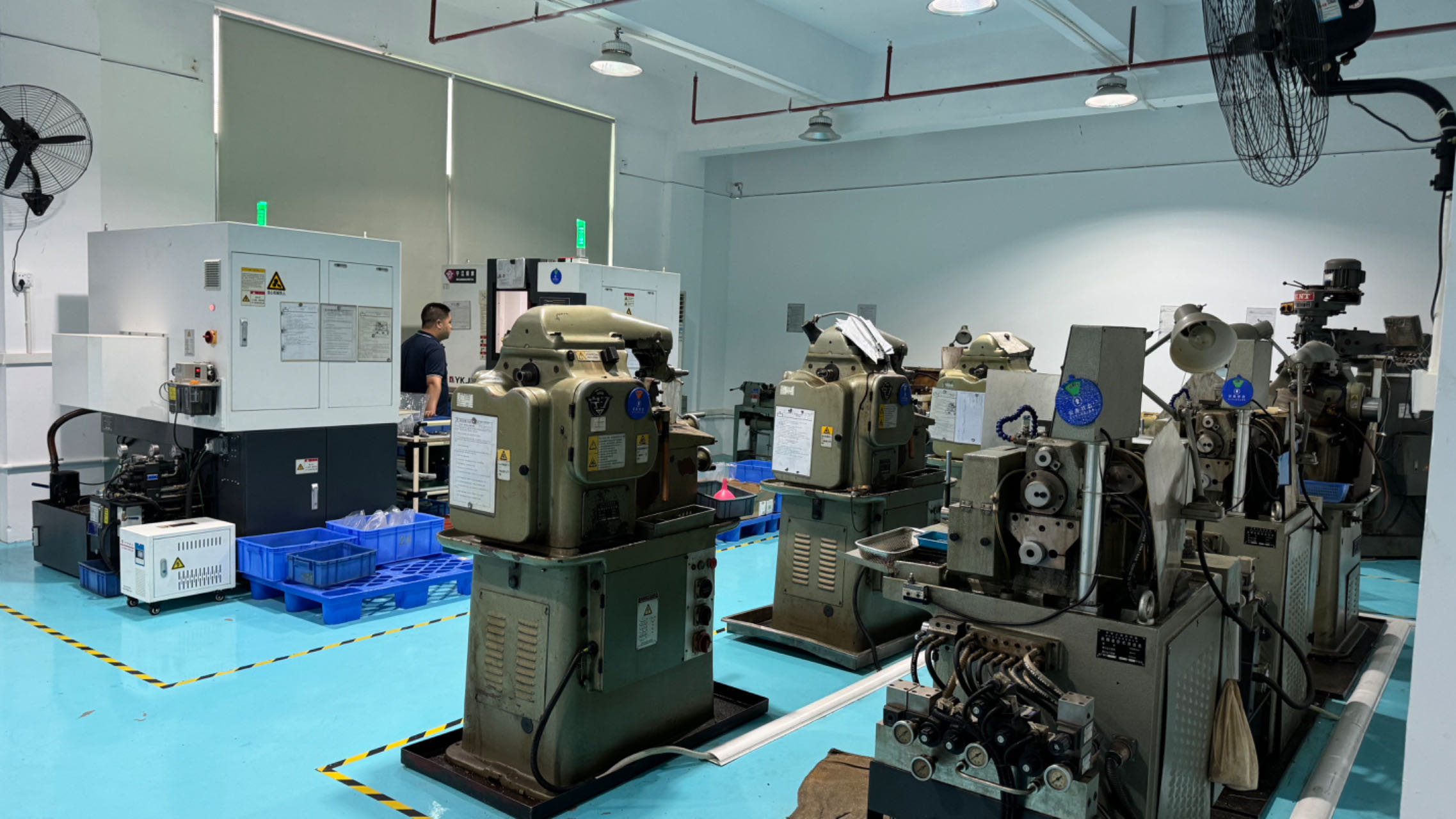
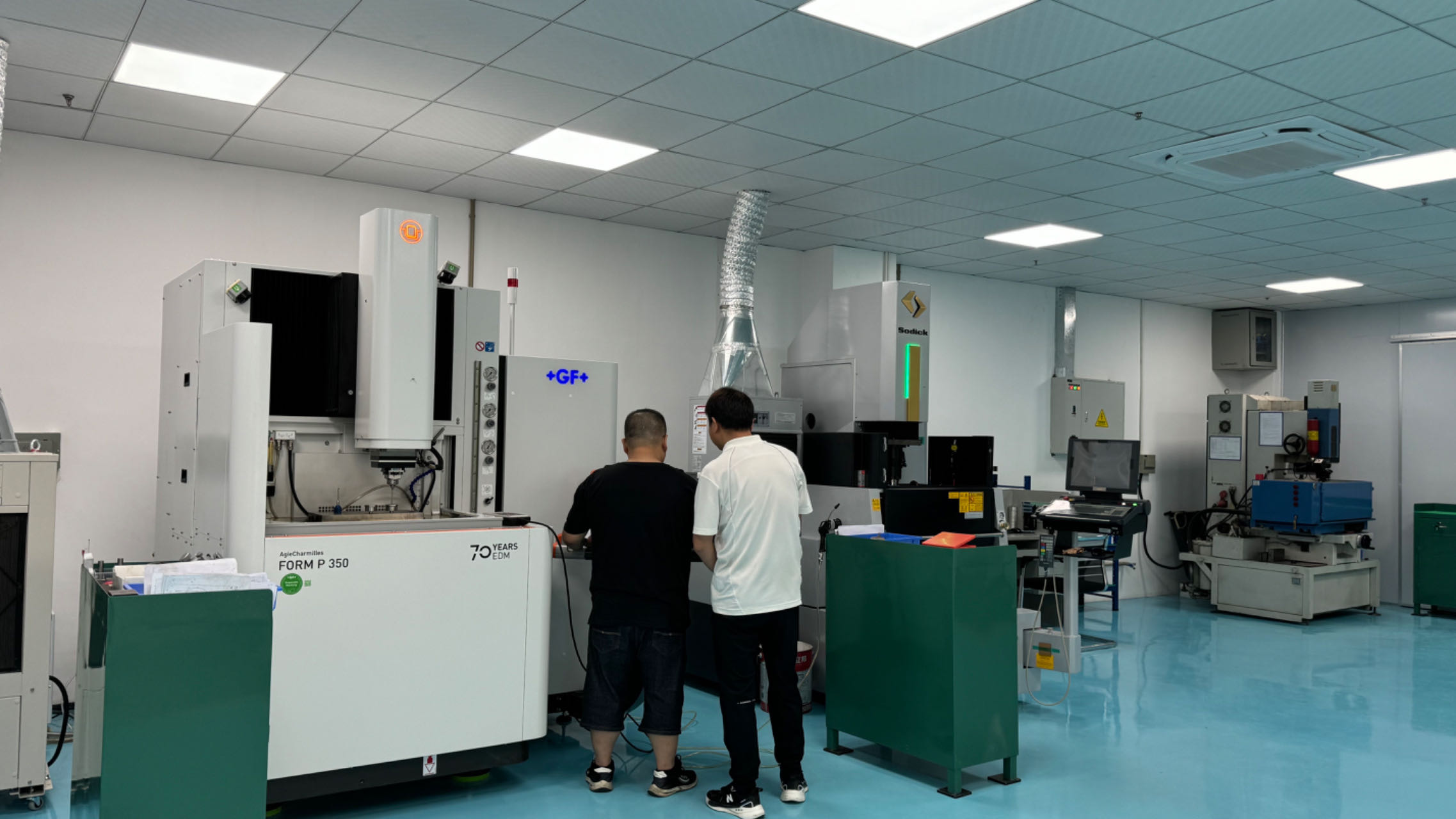
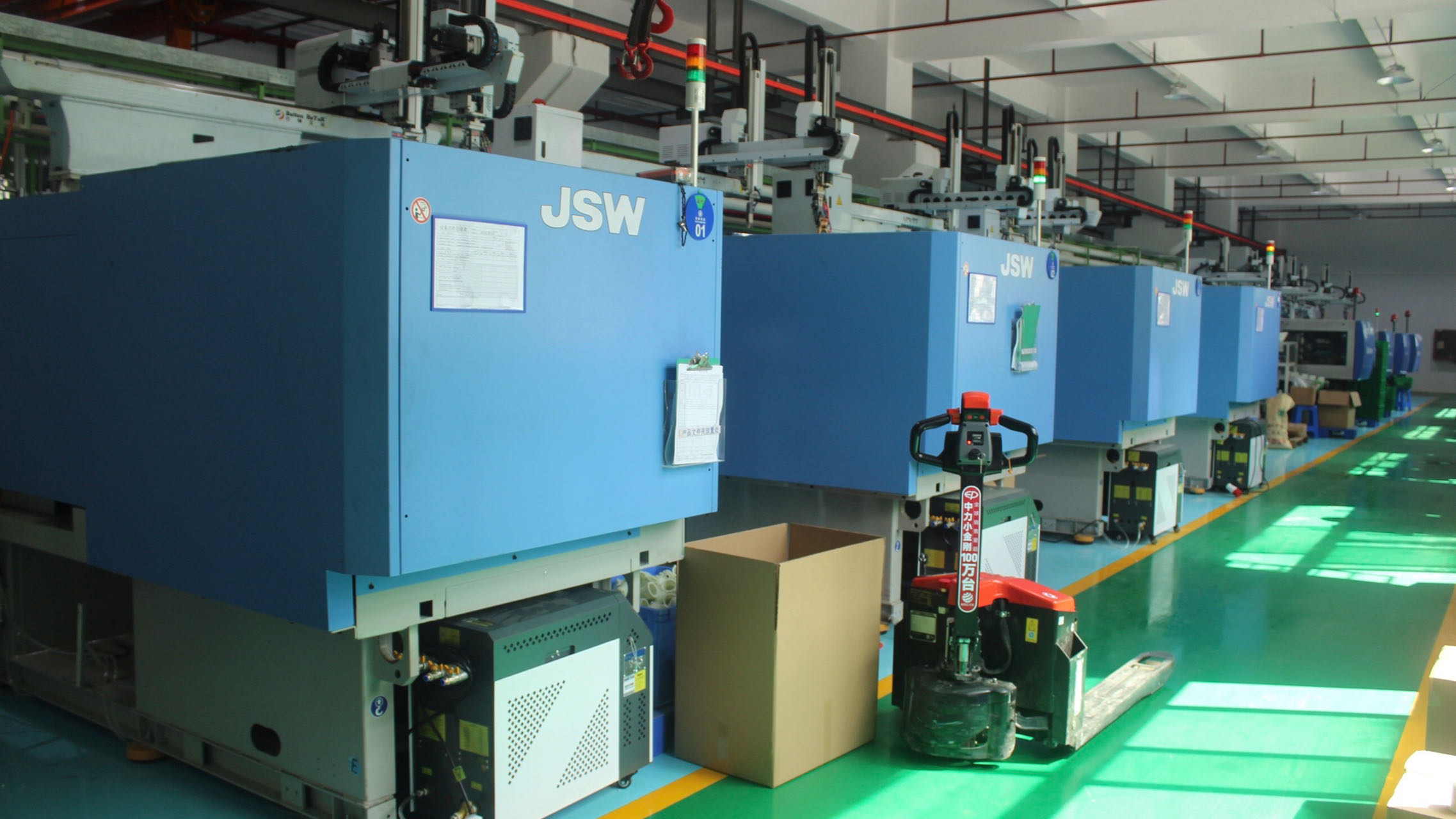
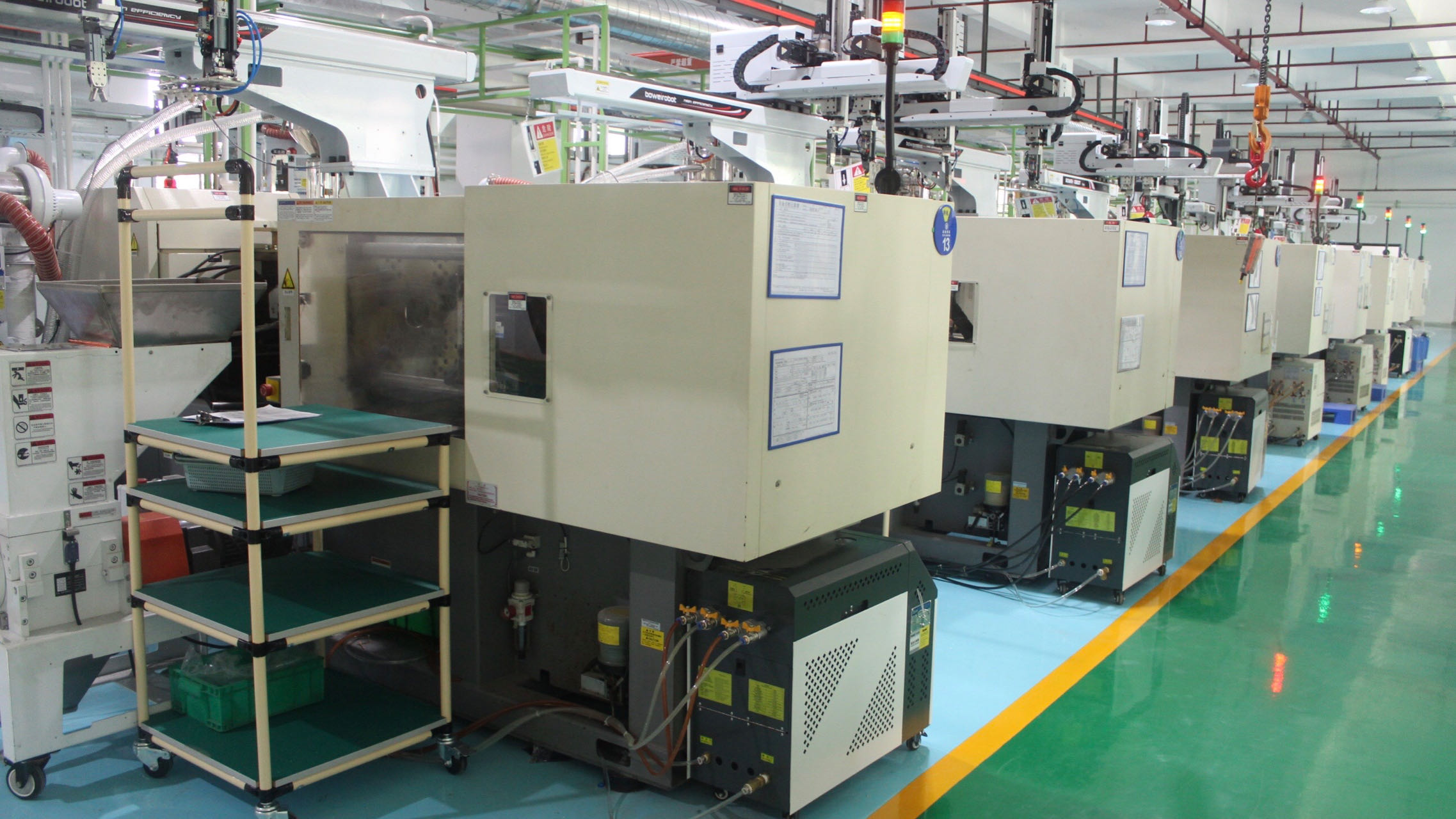
How China's raw material cluster and localized production efficiency result in unmatched speed-to-market and cost optimization for global buyers.
China accounts for over 80% of the global micro motor supply chain. Our manufacturing facilities leverage local access to rare-earth magnets (Neodymium-Iron-Boron), high-grade electrical steel laminations, and structural alloys. This integrated ecosystem ensures that we can design, prototype, and manufacture custom DC worm gear motors in a fraction of the time required by Western manufacturers.
Proximity to chemical, plastic extrusion, and metallurgical plants cuts material transit times to zero, lowering structural costs.
Go from CAD models to physical 3D-printed and CNC-machined working samples within 7 to 10 working days.
Our production facilities easily scale from low-volume pilot runs of 1,000 units to high-volume commercial shipments of millions of units.
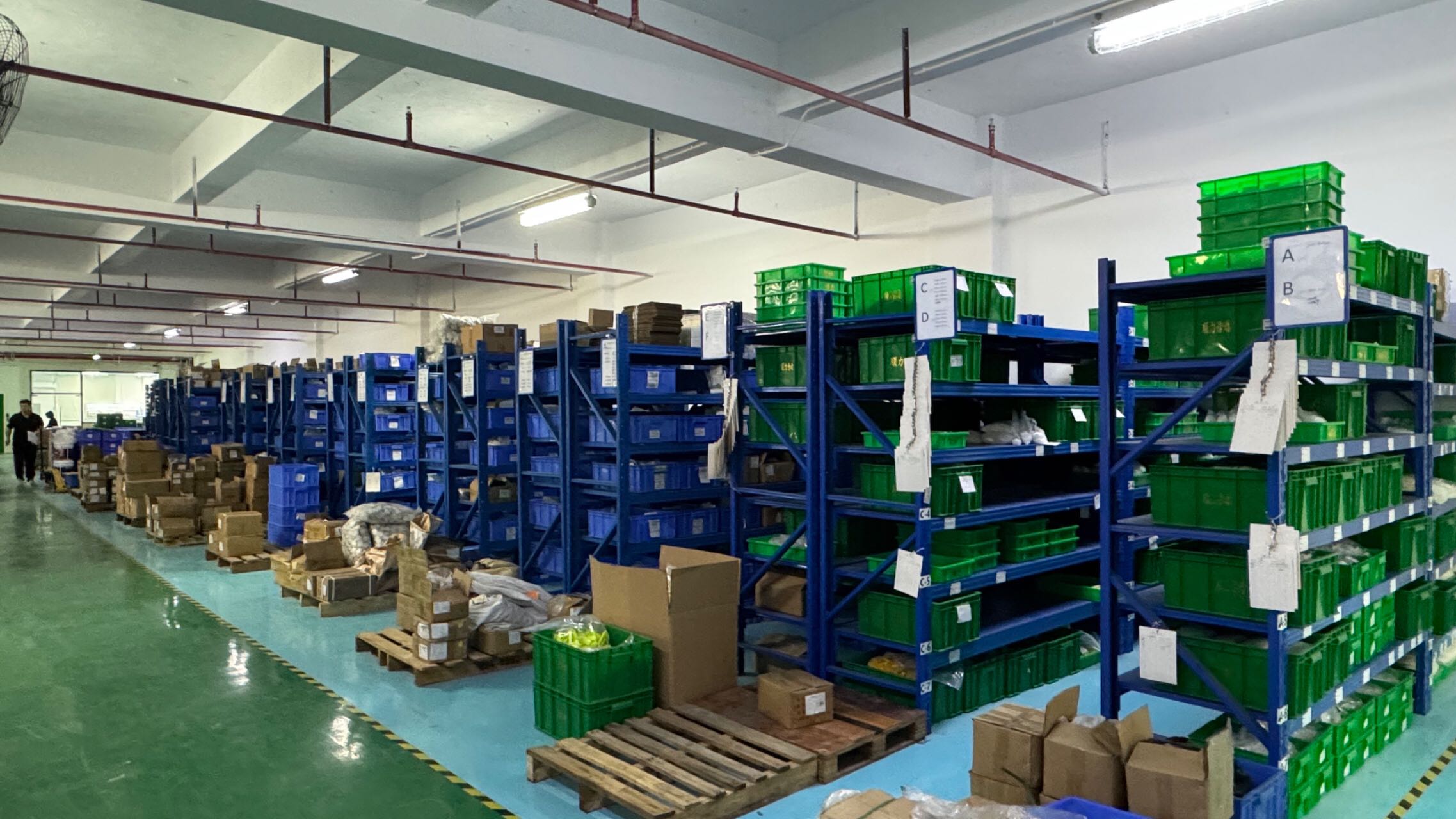
We trace every worm gear and motor winding back to its raw material heat lot. The diagram below details our step-by-step production flow, which ensures consistent quality at every stage of assembly.
 1. Raw Material Quality Intake
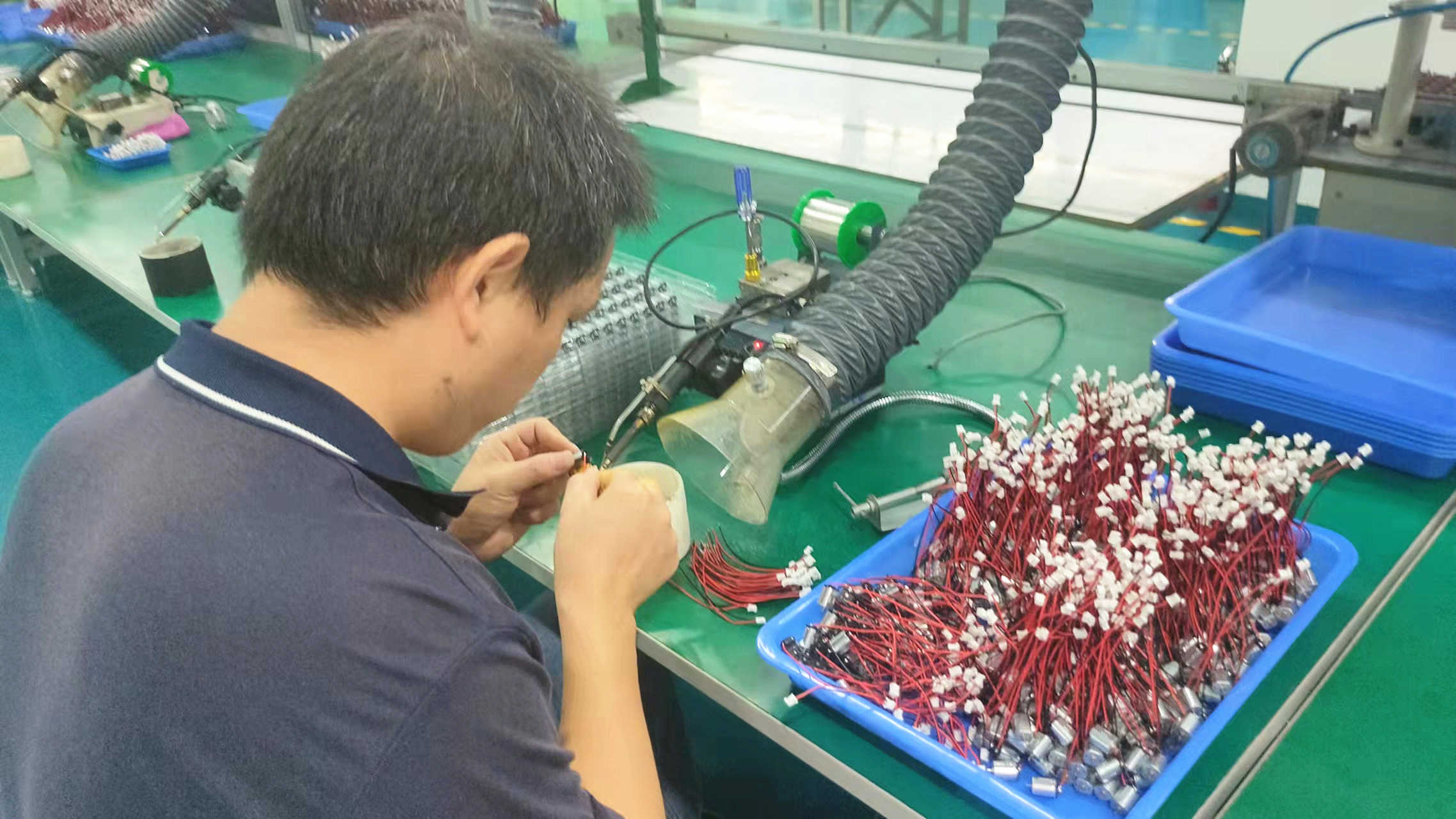 2. Precision Commutator Soldering
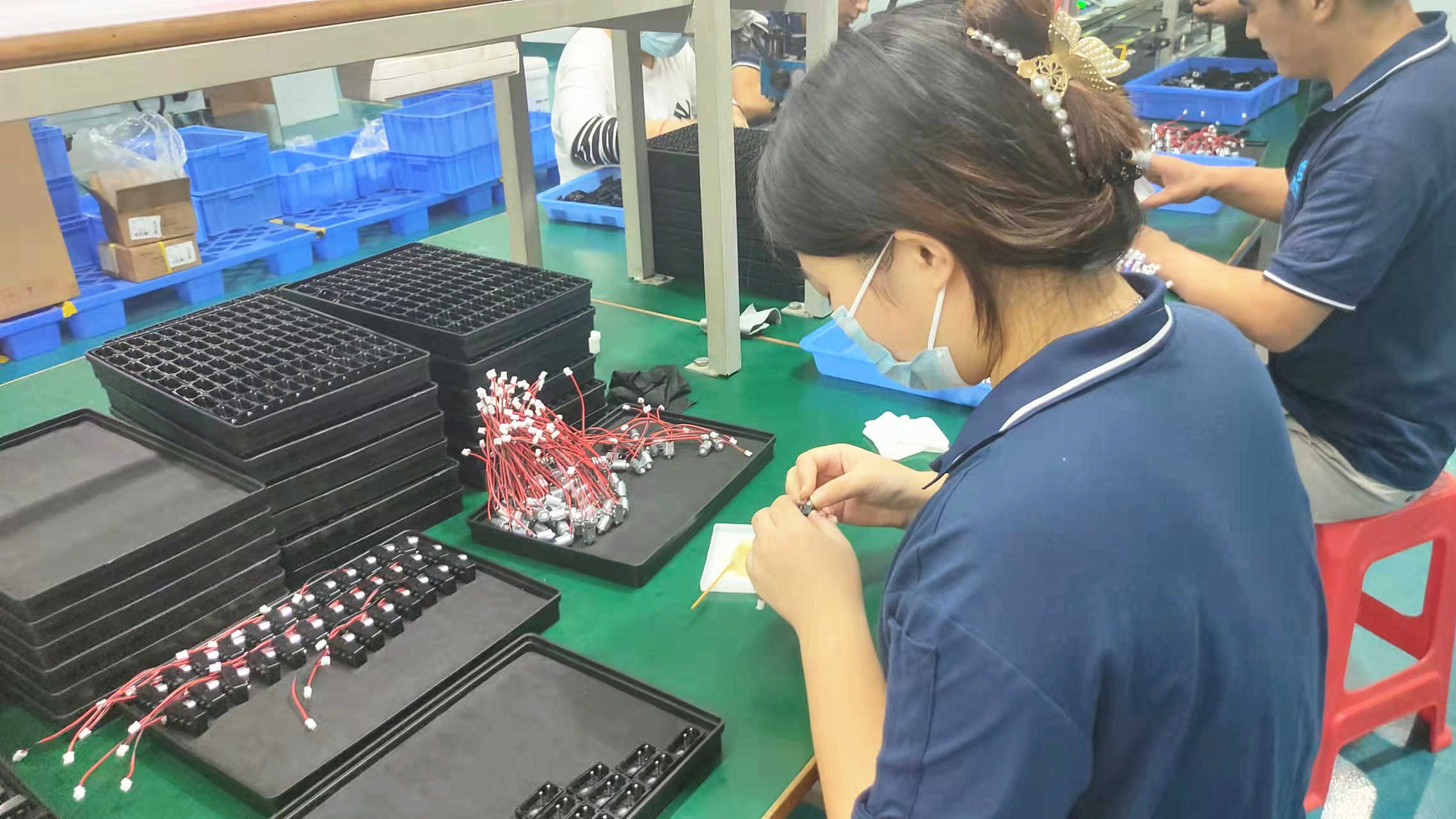 3. Automated Mechanical Assembly
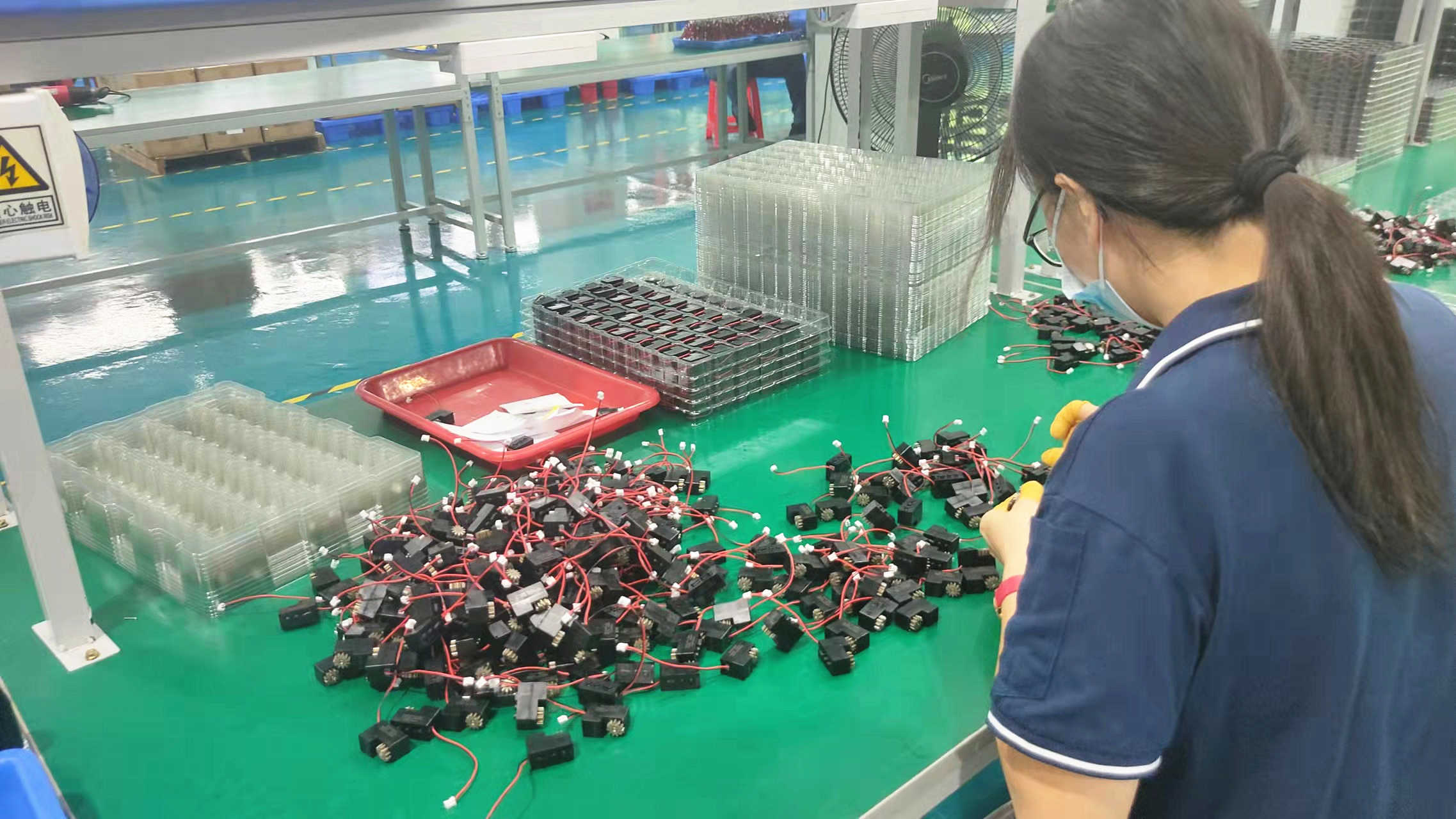 4. Multi-Parameter Testing
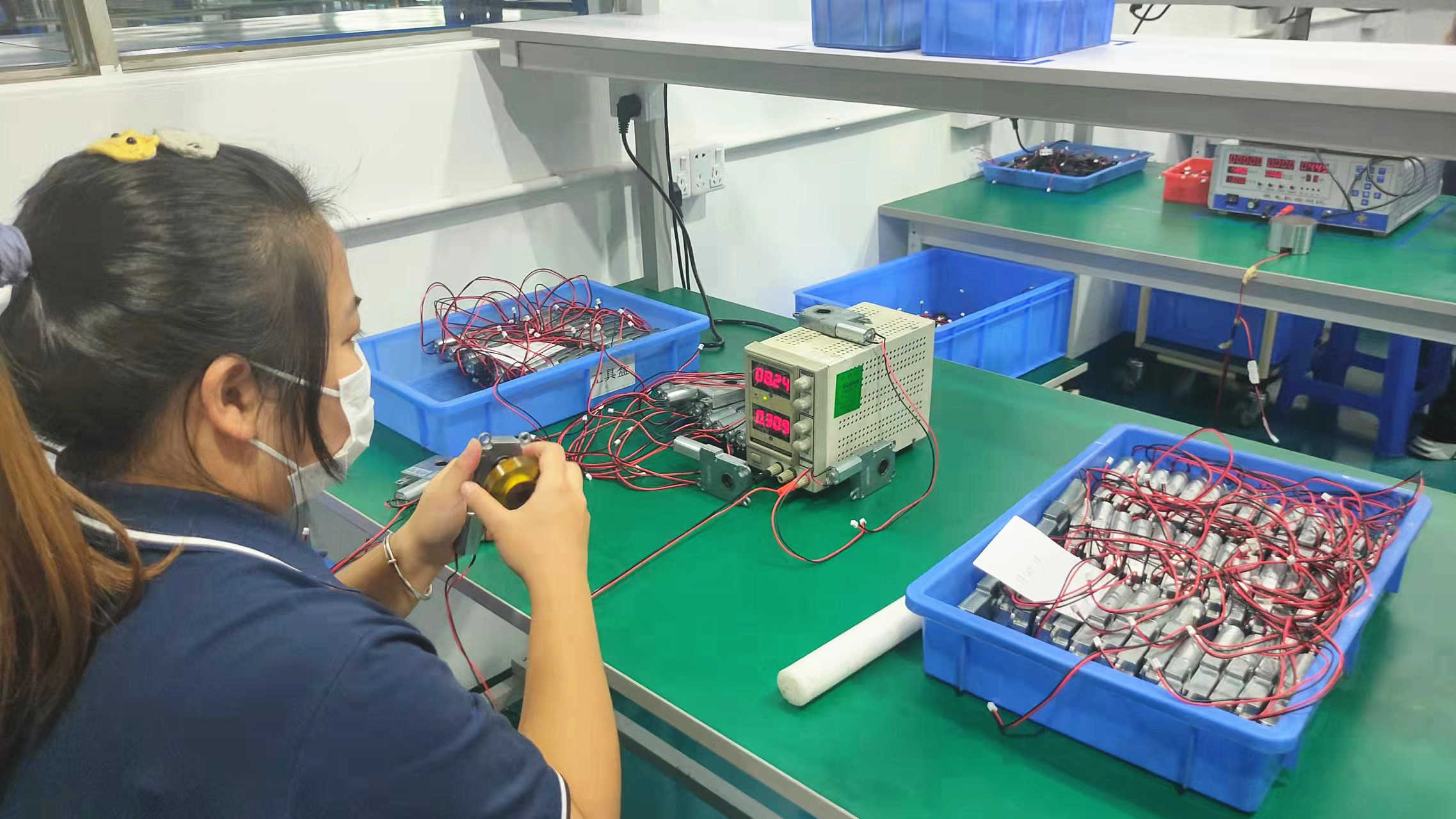 5. Protective ESD Packing
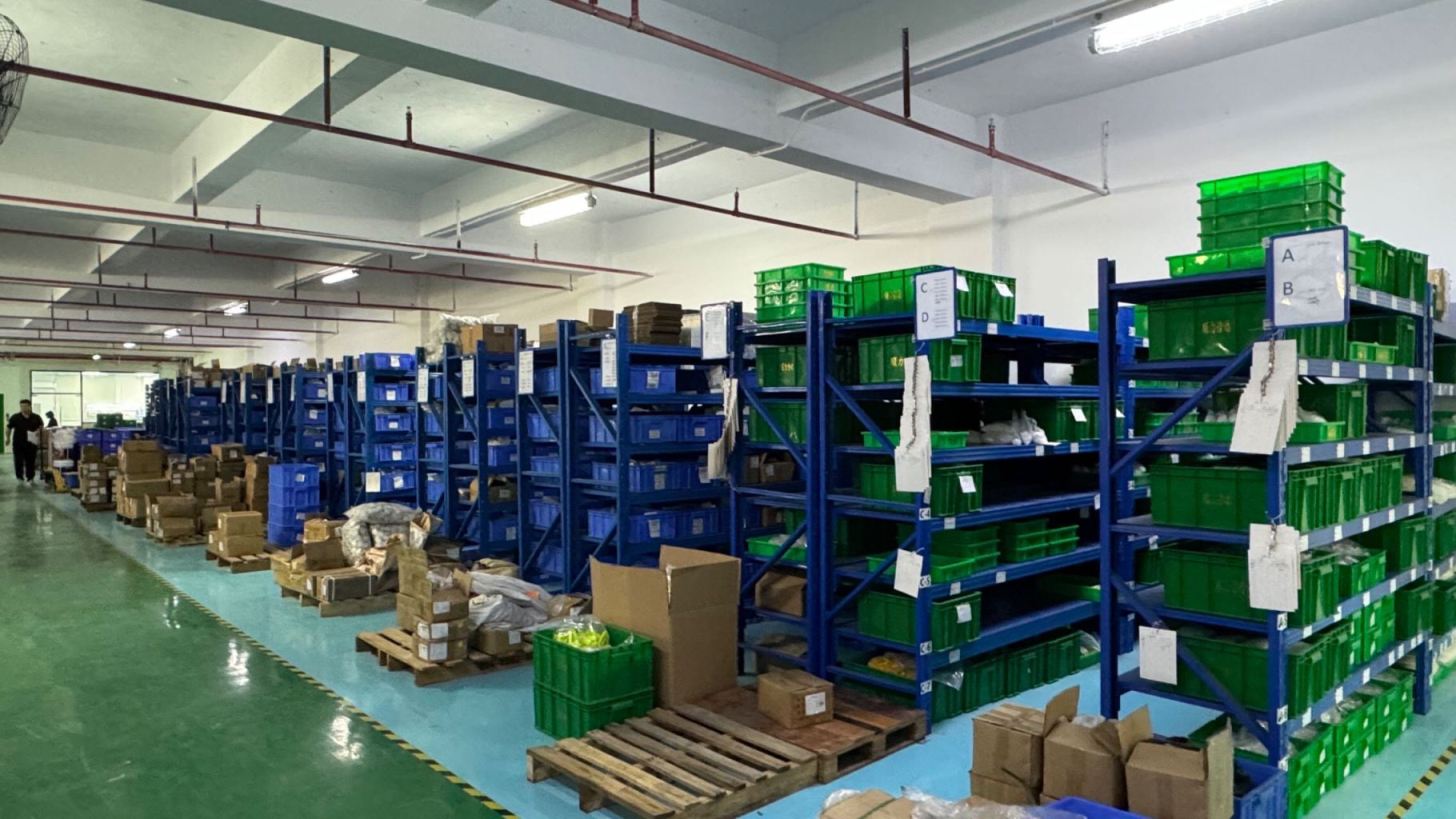 6. Climate-Controlled Storage
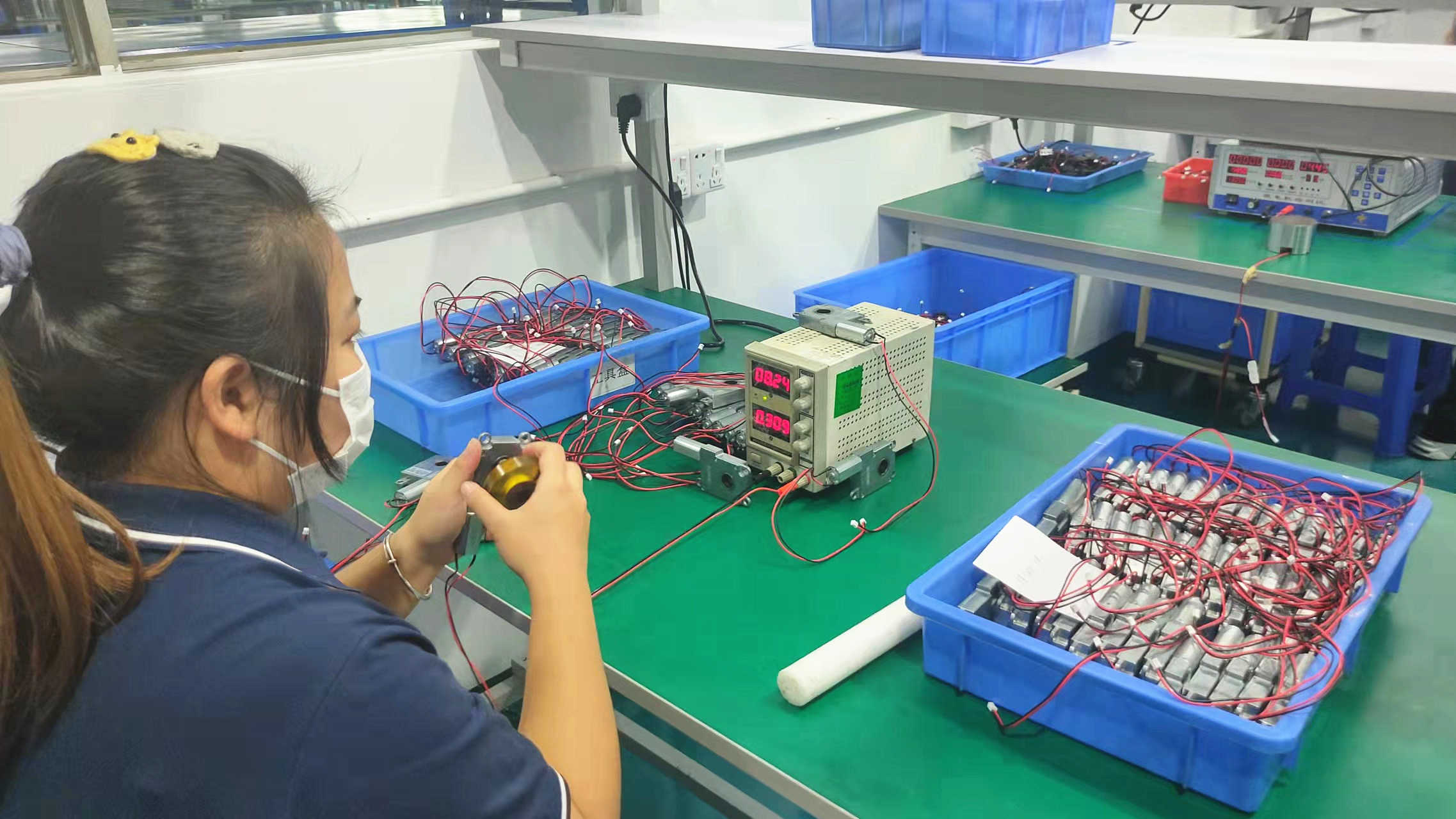
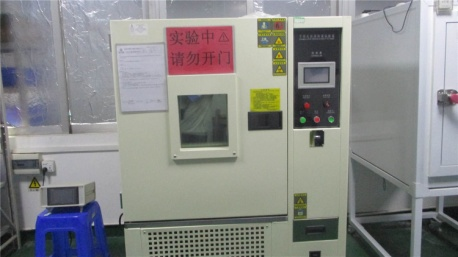
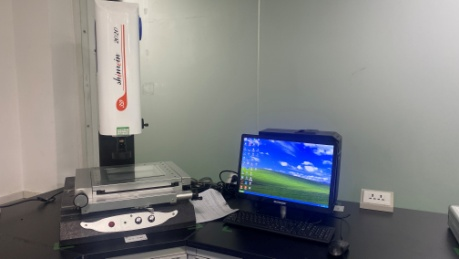
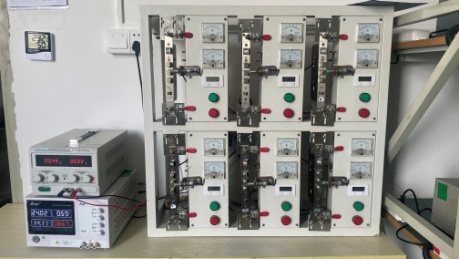
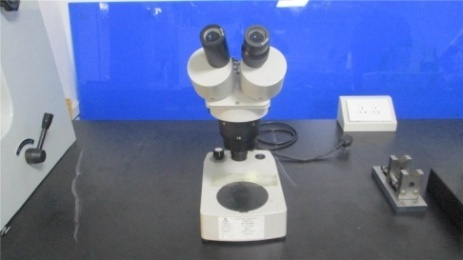
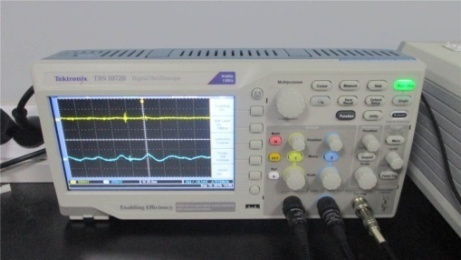
Achieving micron-level gear tolerances and long-term durability through precision manufacturing and testing instruments.
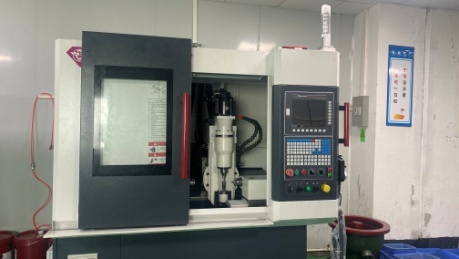
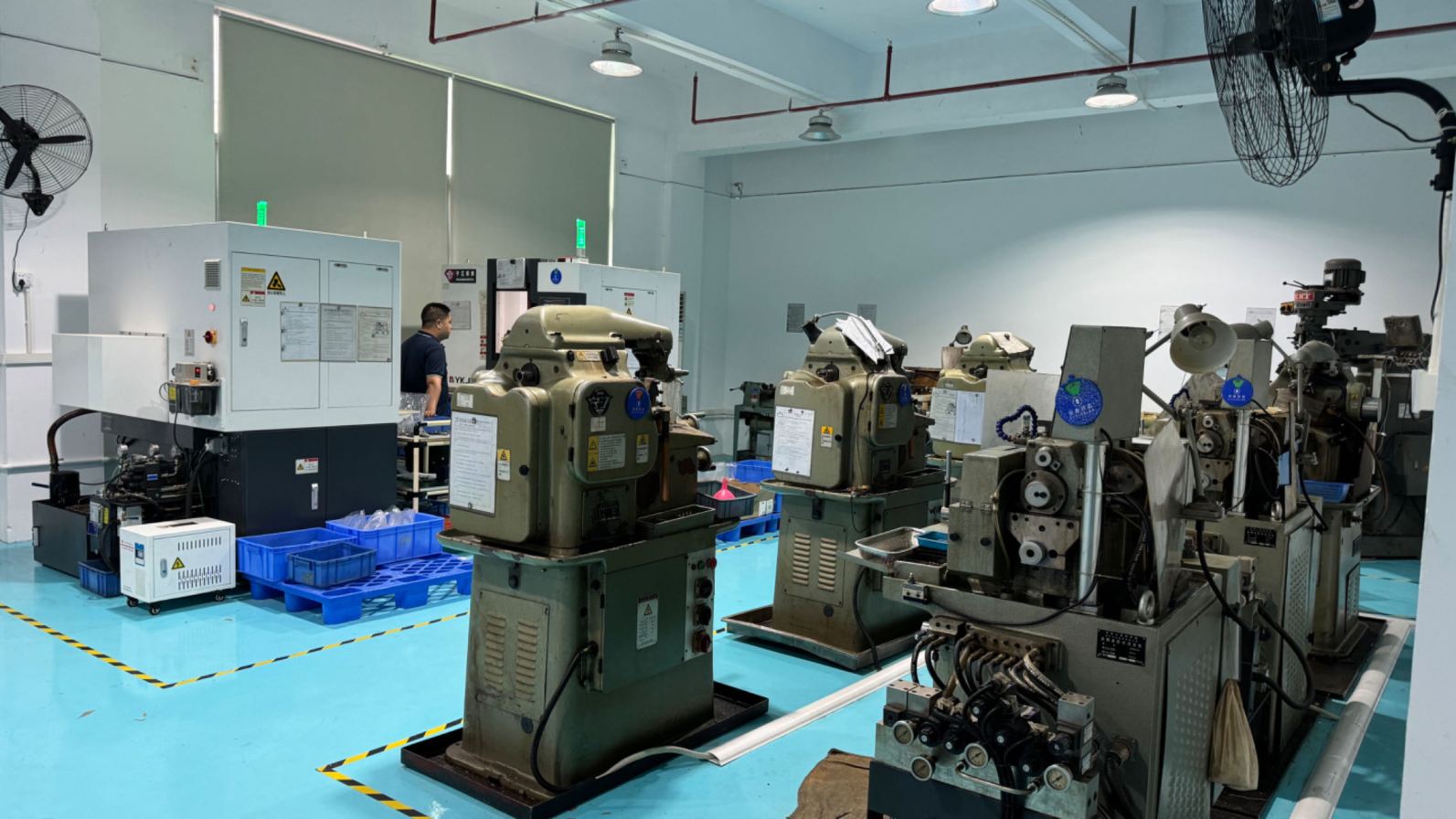
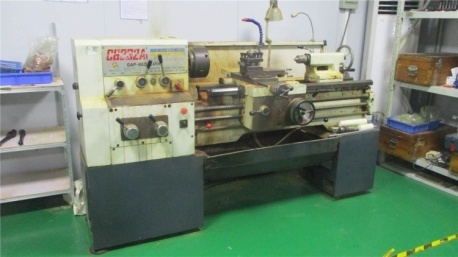
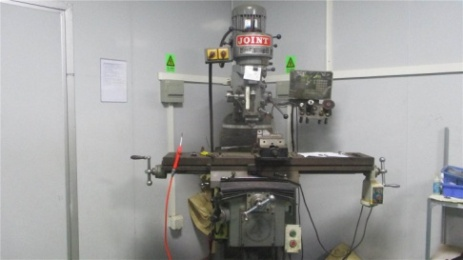
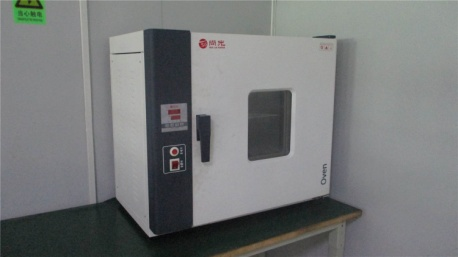
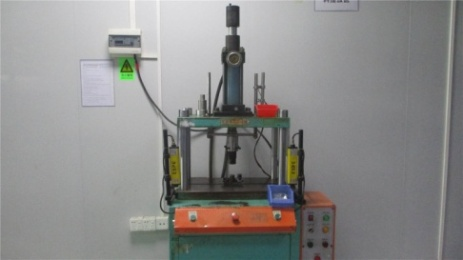
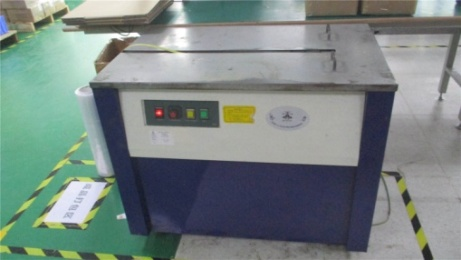
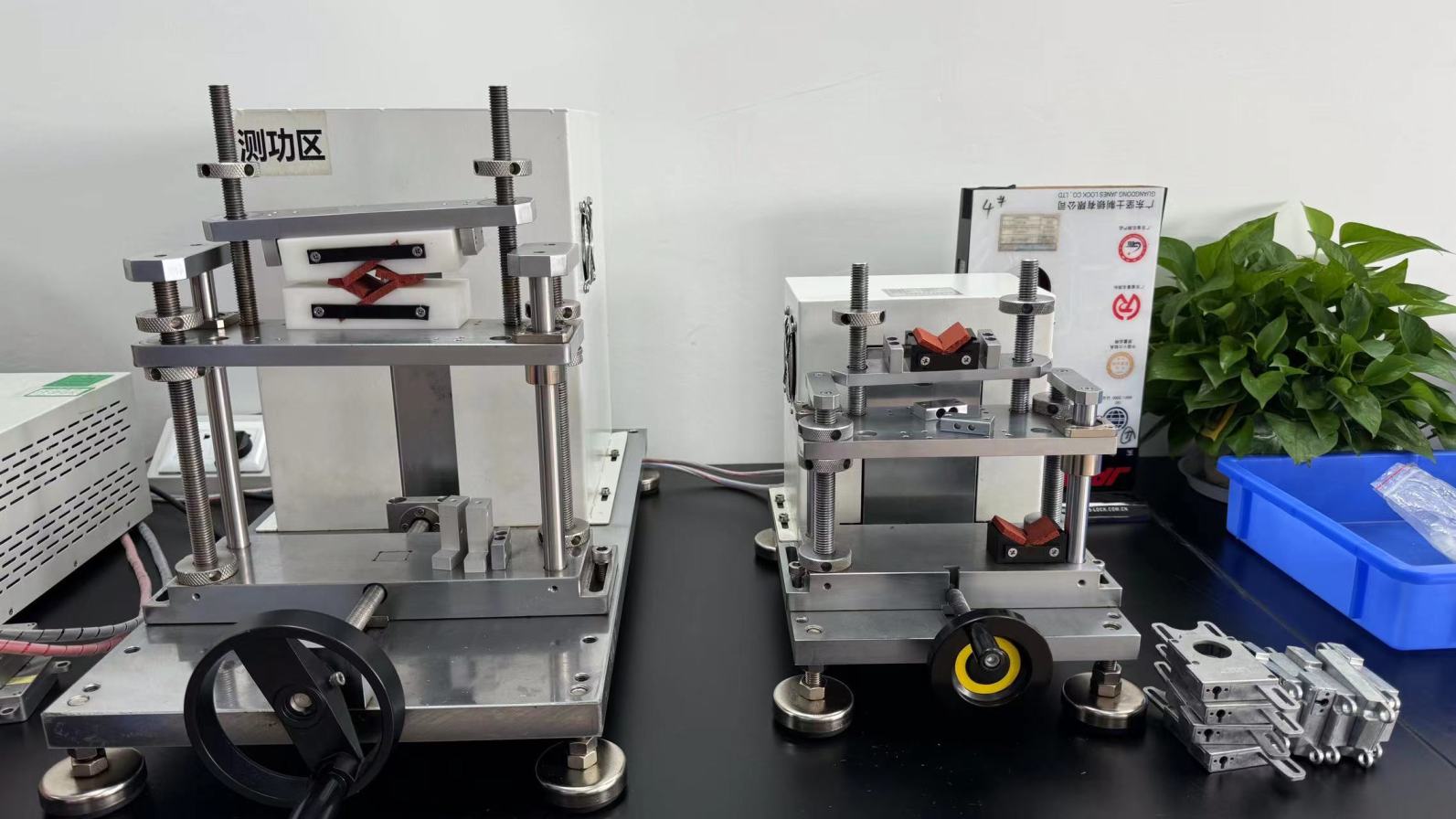
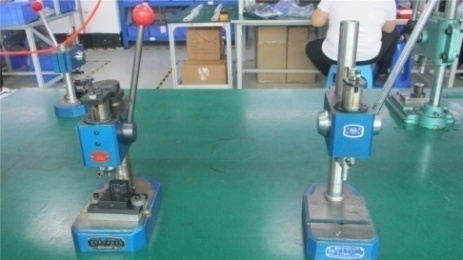
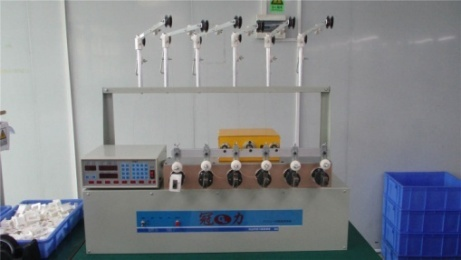
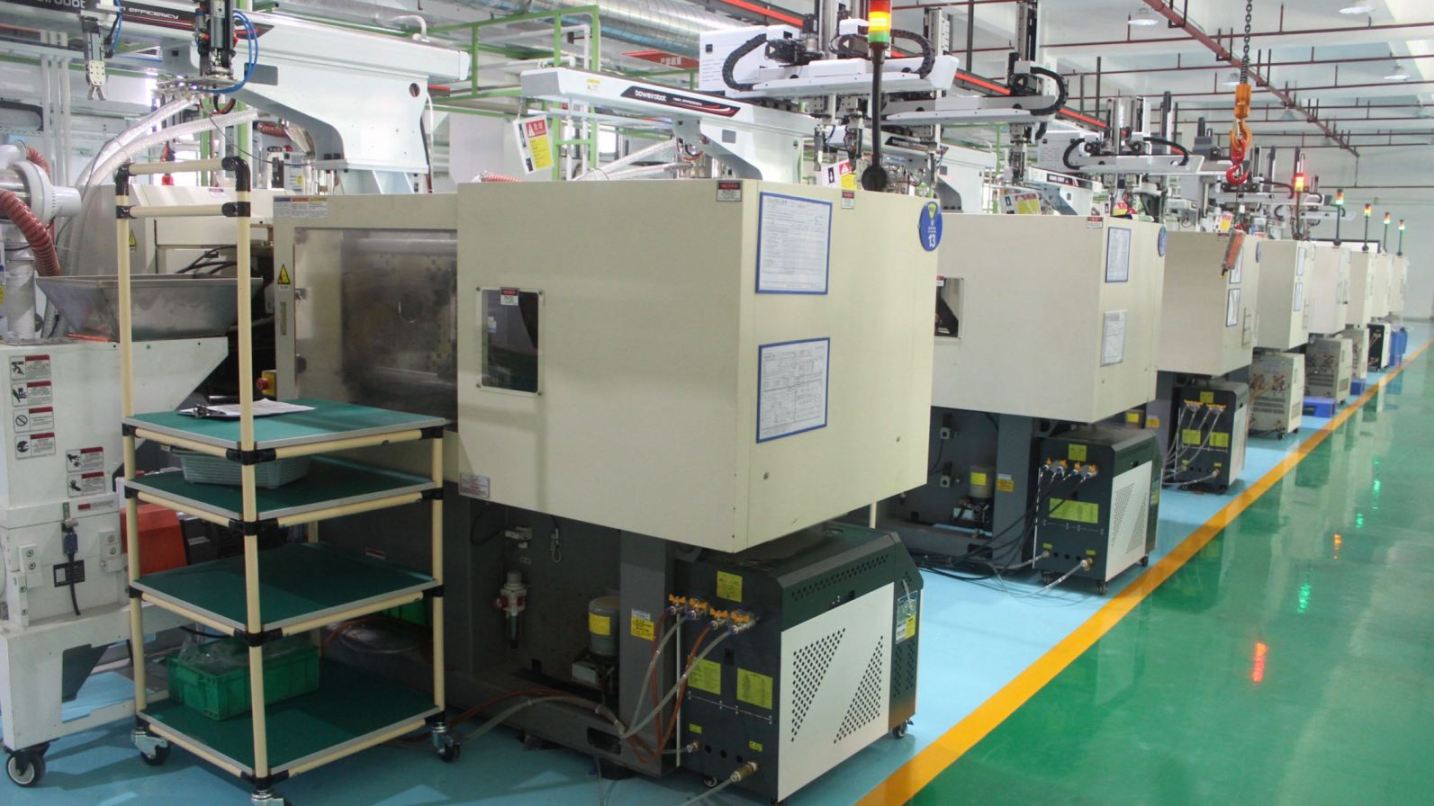
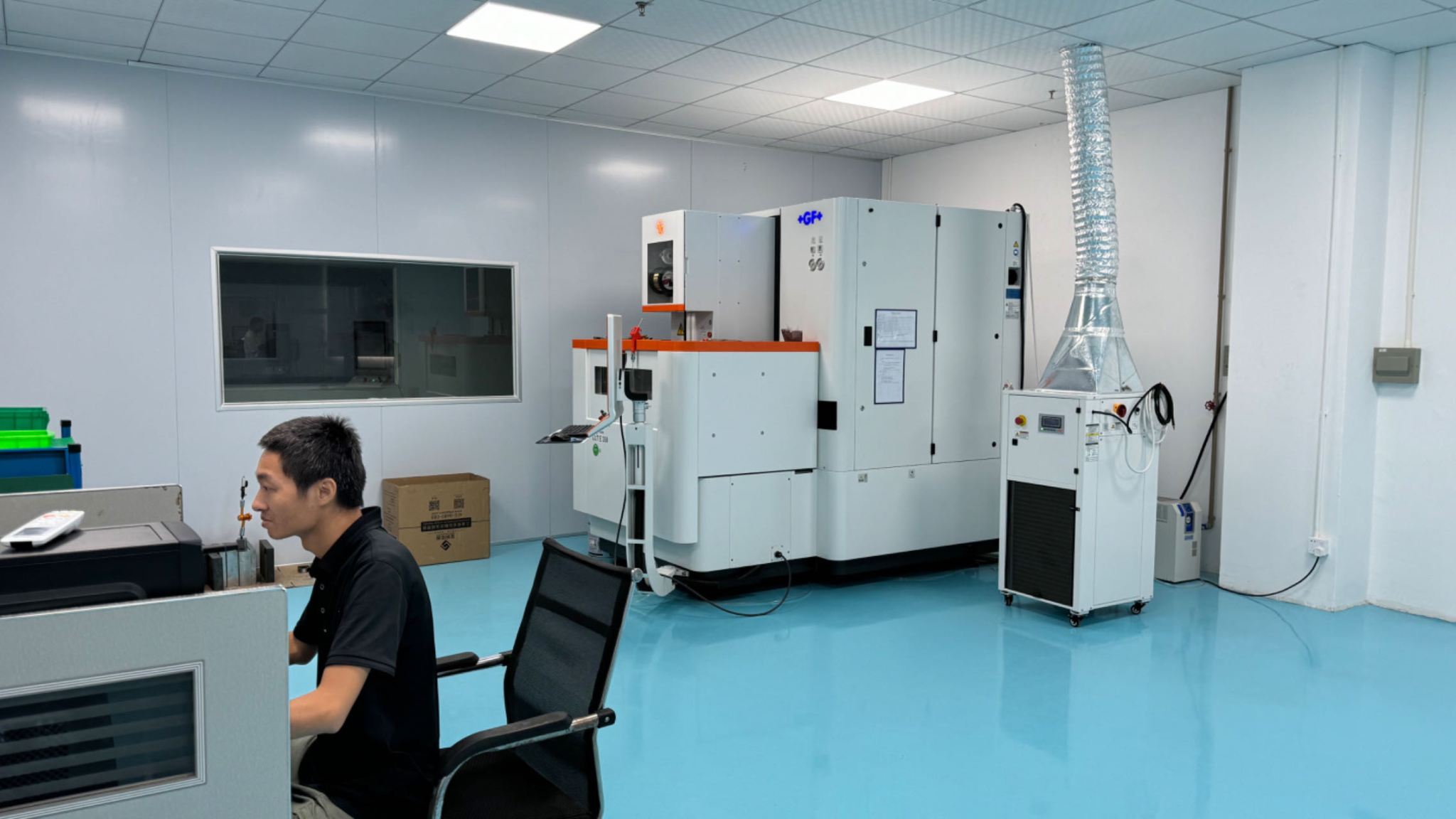
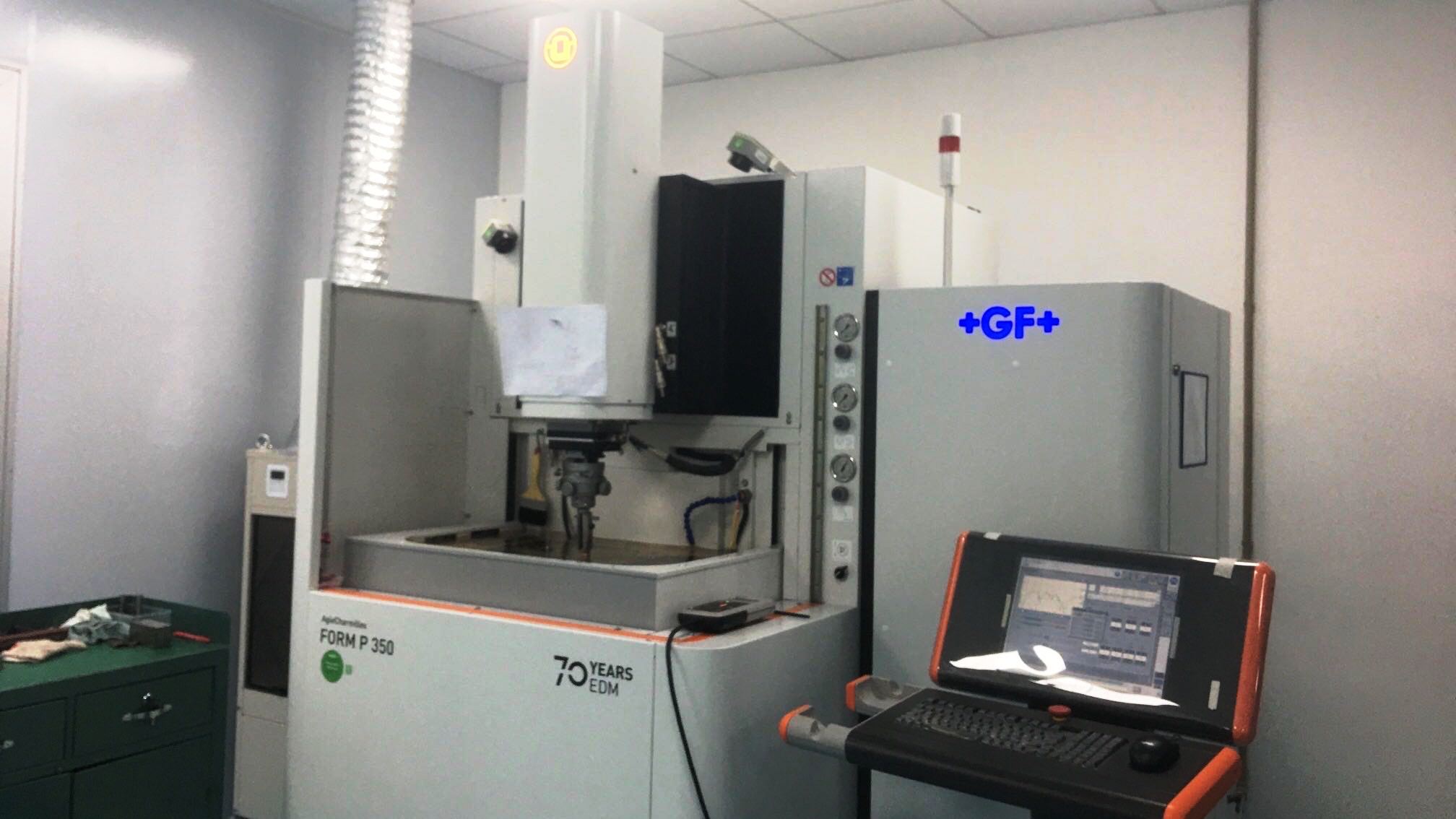
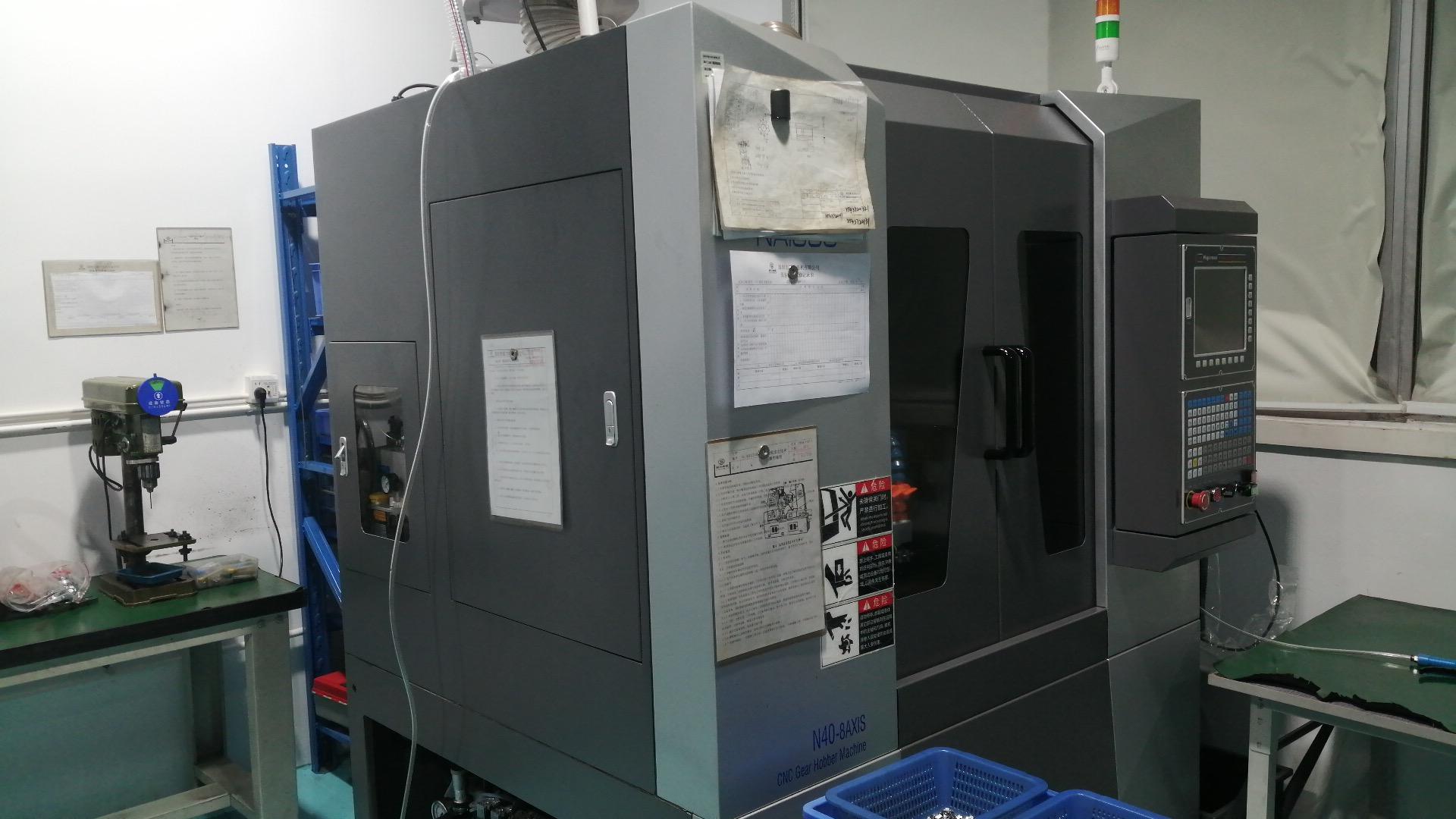
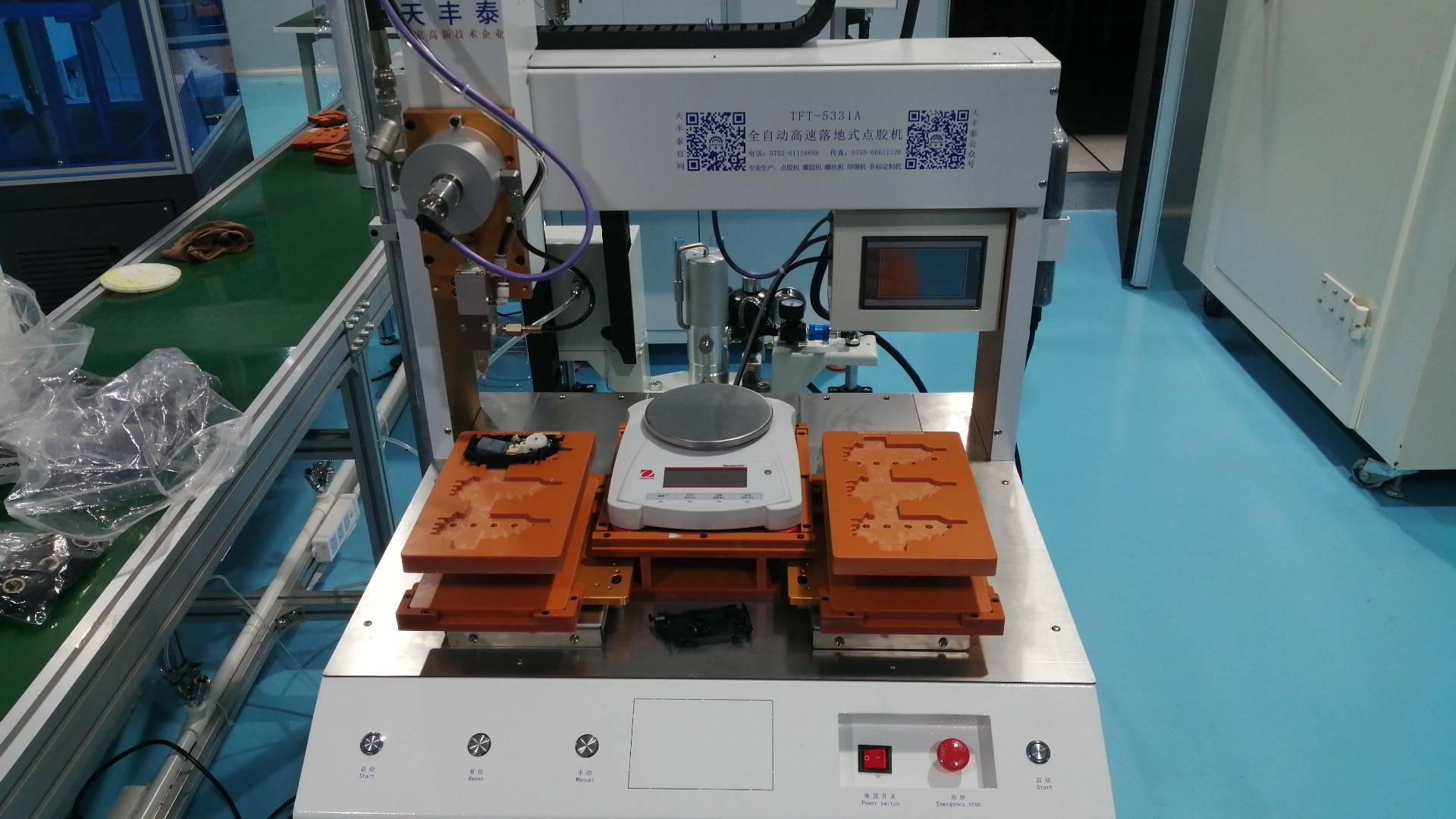
A quality motor is defined by the tools that verify its performance. Our inspection lab is equipped to test for dimensional accuracy, material fatigue, and structural limits.
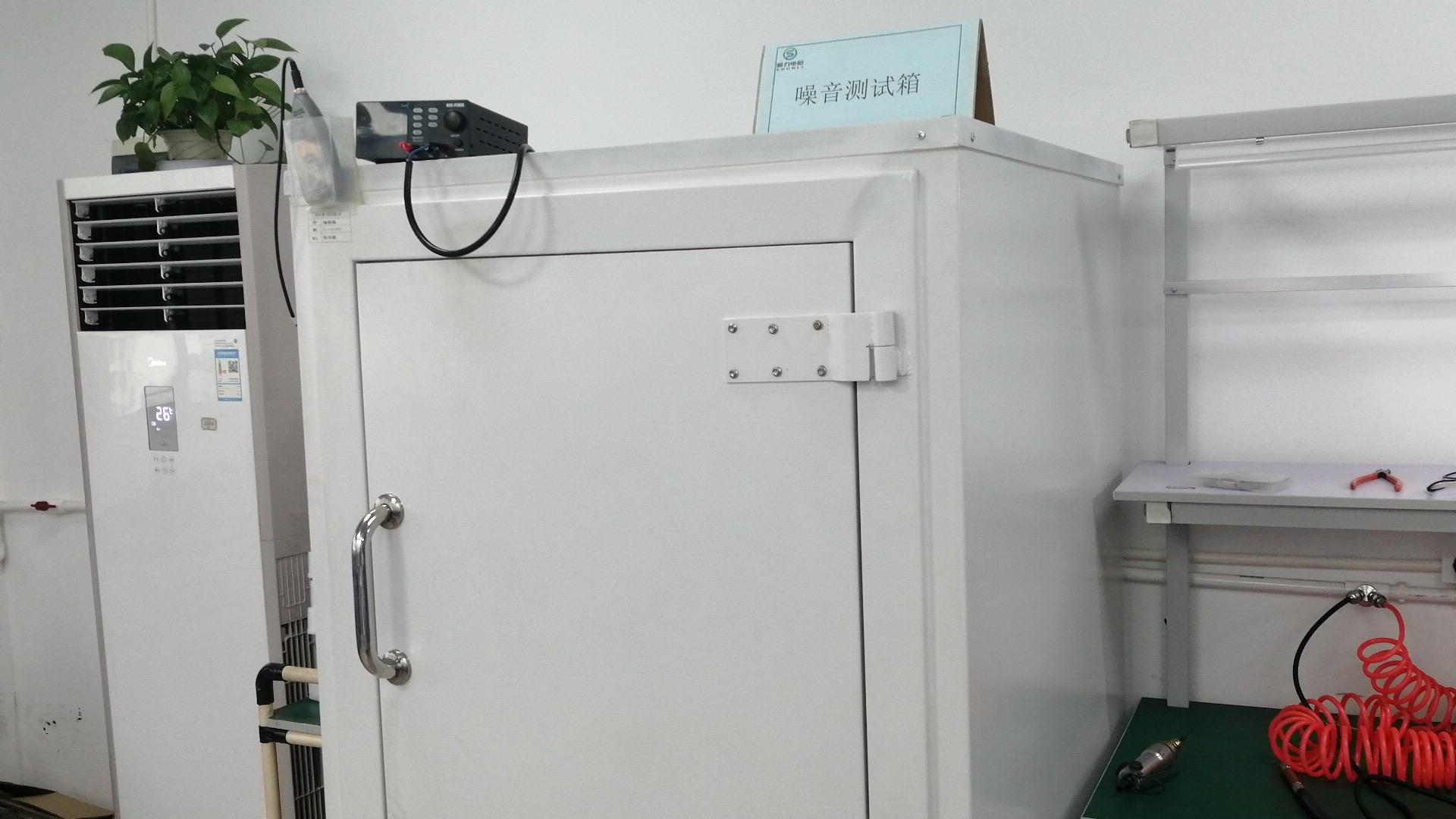
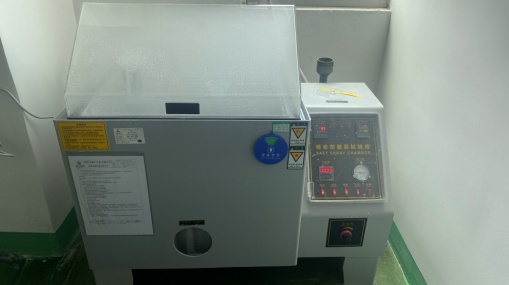
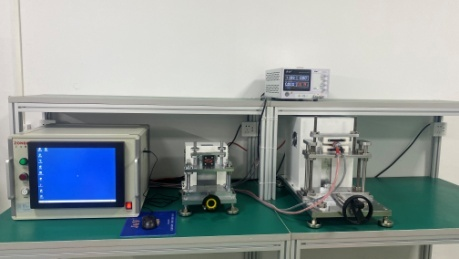
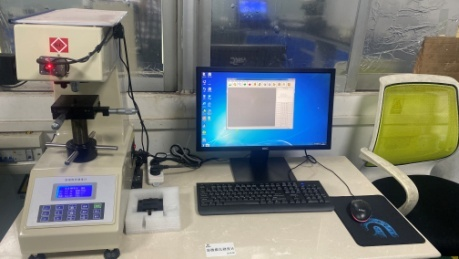

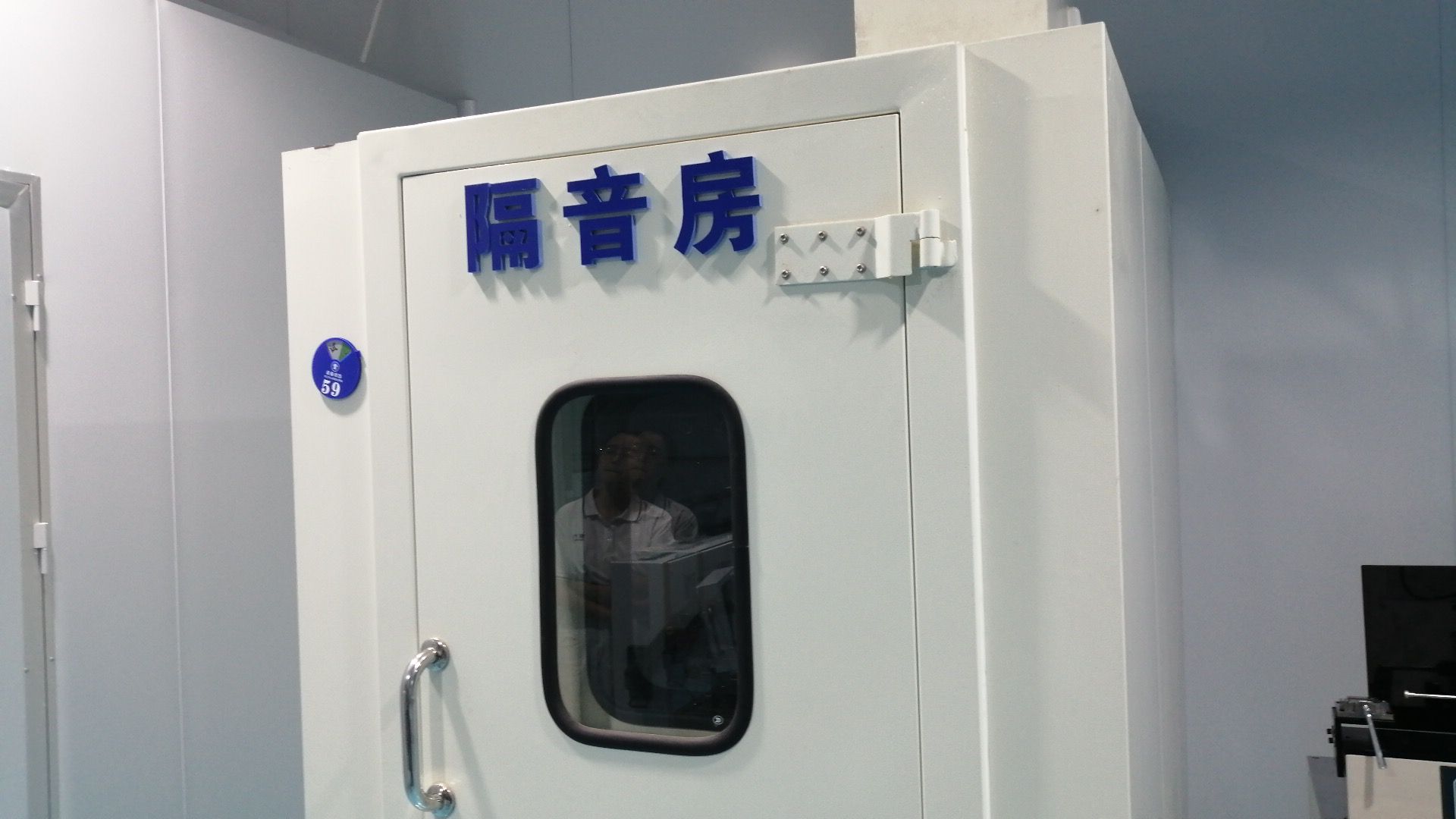
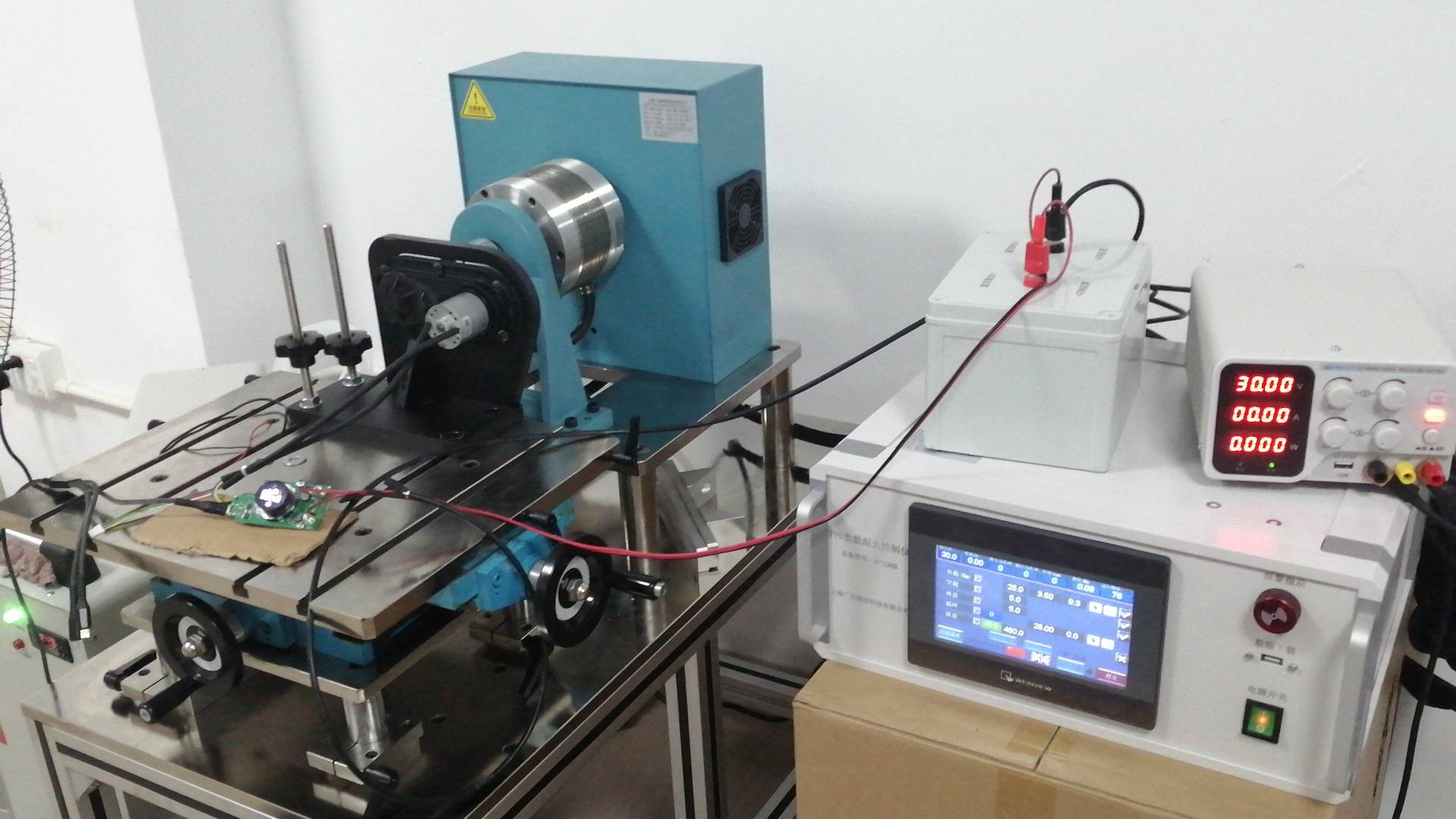
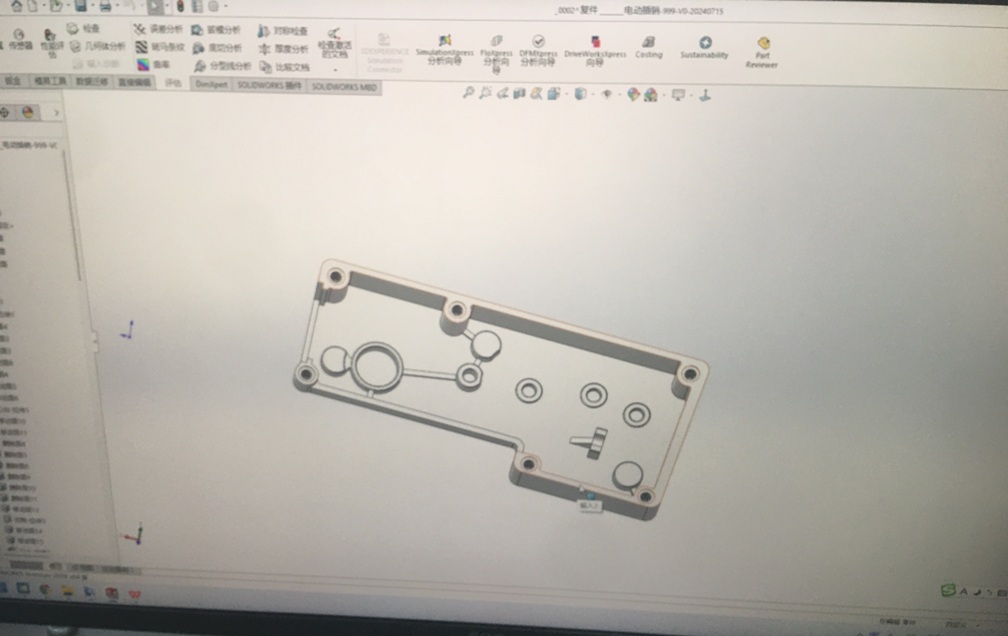
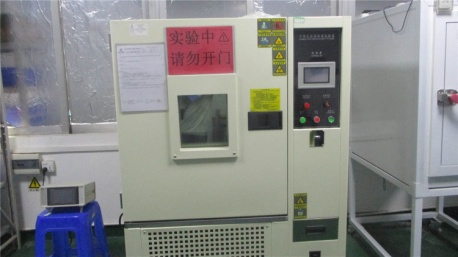
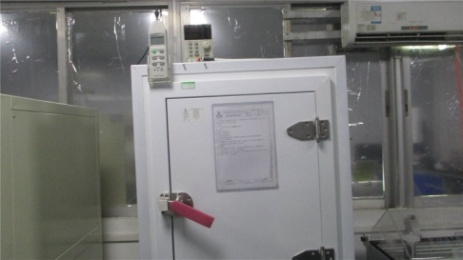
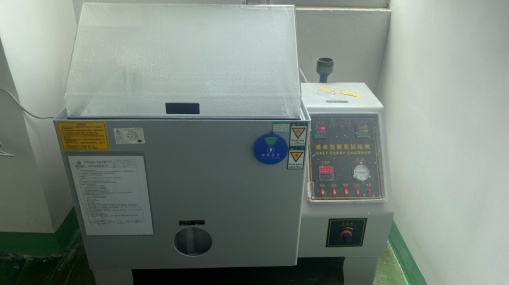
An in-depth look at mechanics, thermal efficiency, material choices, and how they impact B2B purchasing decisions.
One of the main reasons design engineers choose DC worm gear motors is their inherent self-locking capability. When the lead angle of the worm is smaller than the friction angle between the meshing teeth, the gear cannot drive the worm backward.
This design is highly beneficial for vertical load configurations, including hospital bed actuators, robotic limbs, and security door locks. It prevents backdriving when the power is shut off, eliminating the cost and space required for external mechanical brakes.
Unlike spur or planetary gearboxes that require multiple stages to achieve high gear reductions, a worm gear assembly provides high gear ratios (e.g., 50:1 to 100:1 or higher) in a single stage. This compact, right-angle layout allows engineers to mount the motor parallel to the driven surface, saving valuable space in smart home appliances, vending machine drop mechanisms, and automated industrial feeders.
Quiet operation is critical for consumer and medical applications. Unlike the tooth-meshing contact of spur gears, which generates high-frequency vibrations, worm gears rely on sliding contact. This sliding action makes worm gearboxes quieter.
By pairing high-precision steel worms with specialized thermoplastic gears (such as POM or reinforced nylon), we reduce operational noise to less than 35 decibels, making these motors ideal for smart pet feeders and massagers.
When selecting a DC worm gear motor factory, global procurement teams evaluate more than just cost. The table below highlights key parameters to consider, showing how Chinese manufacturers meet these requirements compared to global standards:
| Key Technical Parameter | Design Target Range | Production Verification Method | Why it Matters |
|---|---|---|---|
| Backlash Control | < 0.5° to 1.5° (Precision grade) | 2.5D Optical Video Measurement | Reduces positioning errors in smart locks and robotic joints. |
| Worm Material Specs | AISI 1045 Carbon Steel / AISI 304 SS | Microscope Metallurgical Hardness | Ensures high wear resistance against bronze or polymer mating gears. |
| Lubricant Grade | Synthetic high-viscosity grease (-40°C to +120°C) | Environmental Temp Chamber Testing | Prevents oil separation and guarantees lifetime lubrication in varying climates. |
| Winding Insulation Class | Class B (130°C) / Class F (155°C) | Continuous Load Dynamometer Testing | Protects motor coils from overheating during stall or high-torque events. |
Ensuring compliance with international standards to reduce importation, regulatory, and integration risks for your supply chain.
We source raw materials that comply with the EU’s RoHS and REACH directives, ensuring safe entry into North American and European markets.
Our quality management systems meet international standards. We apply automotive-grade APQP and PPAP documentation to all custom powertrain projects.
With local technical sales representatives and engineering contacts in the US, Germany, and Japan, we minimize communication barriers and speed up structural design sign-offs.
Purchasing components globally requires managing supply chain risks. As a manufacturer and exporter, we address these challenges through clear shipping, customs, and duty structures. We provide complete HS Code documentation for motors (typically 8501109990) and gearboxes, preventing delays in transit.
We offer diverse logistics solutions, including FOB Shenzhen, CIF main ports, and DDP air and sea shipping options directly to your assembly plant. Our logistics team partners with major ocean carriers to ensure on-time delivery, even during peak shipping seasons.
From smart medical equipment to heavy industrial automation—our motors are built to perform under pressure.
Vending machines require consistent rotational force to dispense products, even when dirty or overloaded. Our 12V/24V micro worm gear motors deliver up to 25 kg.cm of torque, ensuring reliable product delivery. The self-locking mechanism also prevents theft by securing the dispensing coils.
Infusion pumps, medical beds, and patient lift mechanisms demand high reliability, smooth operation, and quiet performance. WICCA's worm gear design provides quiet operation, while our dual-feedback encoders monitor positioning to within fractions of a millimeter.
From power tailgates to motorized side steps and smart seats, modern vehicles require high torque in compact packages. Our IATF 16949-compliant manufacturing processes ensure that these motors perform consistently in harsh environments, from -40°C winter temperatures to +85°C engine bays.
As IoT, industrial automation, and energy efficiency demands grow, DC worm gear motor technology is changing to meet these needs.
1. Brushless DC (BLDC) Motor Integration: While brushed DC motors remain the standard choice for simple, cost-effective designs, B2B buyers are increasingly moving toward brushless alternatives. By pairing a brushless stator with a high-ratio worm gearbox, you get the lifetime durability of a brushless design along with the high torque of a worm gear configuration.
2. Smart Sensors and Feedback Integration: Simple mechanical rotation is no longer enough. Modern industrial and smart home applications need precise position, speed, and torque feedback. Our latest designs integrate magnetic Hall-effect encoders directly into the motor assembly. This enables closed-loop control, helping systems detect jams and optimize performance.
3. Advanced Materials and Tooth Profiles: By using carbon-fiber-reinforced polymer gears, we double the wear resistance of traditional POM gears while maintaining quiet operation. Advanced tooth geometries also reduce sliding friction, increasing gear efficiency from 50% to over 70% in high-reduction worm gearboxes.
4. Eco-friendly Manufacturing: European and American markets are tightening regulations on environmental impact. Modern Chinese factories are investing in energy-efficient automated assembly lines, lead-free soldering, and recyclable packaging materials to help global brands meet their environmental goals.
Get answers to common engineering, quality control, and international supply chain questions from our technical team.
Worm gearboxes rely on sliding contact between the worm and the gear, which results in lower efficiency compared to the rolling contact of spur or planetary gears. Typical mechanical efficiency ranges from 35% to 75%, depending on the gear ratio, lead angle, lubricant viscosity, and tooth materials. For high-torque applications where efficiency is critical, we recommend using low ratios or low-friction polymer gears, such as POM or nylon.
True self-locking depends on the lead angle of the worm and the static friction coefficient between the worm and the gear. Generally, if the lead angle is less than 5°, the gearbox is considered self-locking, meaning the load cannot drive the motor backward. However, external vibrations or sudden shocks can reduce the static friction coefficient, causing slow slip. If safety-critical locking is required, we recommend adding an electromagnetic brake to the motor shaft.
We reduce operating noise to under 35dB through several design choices: using high-precision CNC gear hobbing machines to minimize tooth profile errors, selecting composite polymer gears to damp vibrations, dynamically balancing the motor armature, and using synthetic greases. We test every production run in our anechoic noise chamber to ensure quiet, consistent operation.
We offer extensive customization options, including custom output shaft configurations (D-cut, keyed, threaded, or hollow shafts), customized winding designs for specific voltages and RPMs, special gear materials (bronze, POM, or steel), integrated Hall-effect encoders, custom wiring harnesses, and custom housing designs to fit your space requirements.
Standard lead times are 7 to 10 working days for prototyping, assuming materials are in stock. Mass production usually takes 25 to 30 days, depending on order size and customization complexity. We maintain safety stock of raw materials for contract clients to reduce lead times for repeat orders.
All raw materials undergo strict chemical testing. We require environmental declaration certificates from our suppliers and run regular tests on material samples in-house. We provide complete compliance documentation, including CE, RoHS, and REACH certificates, with every shipment.
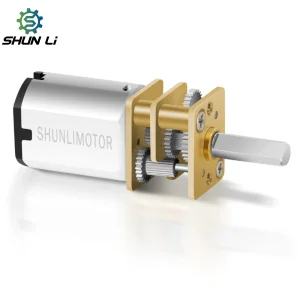
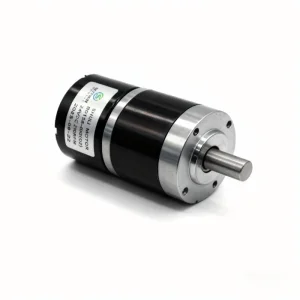
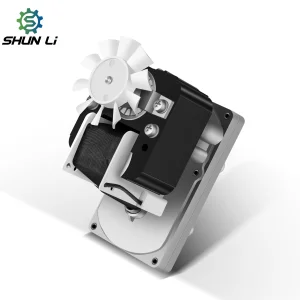
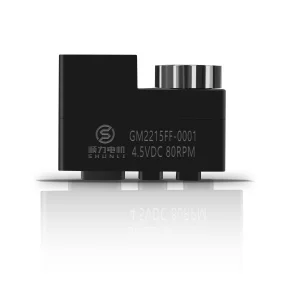
Explore additional motor models designed for automotive, commercial appliance, and smart security systems.
 WICCA Motor