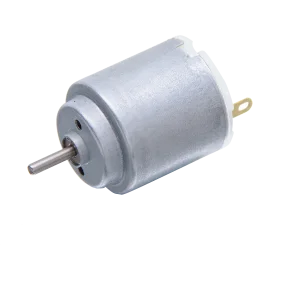
Explore our CE-compliant, high-durability electric motors customized for automotive actuation, smart cabins, and auxiliary control systems.
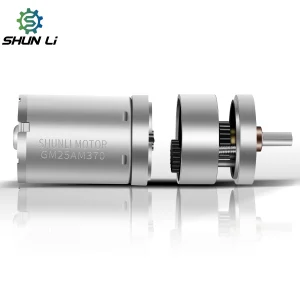
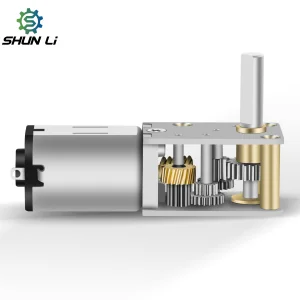
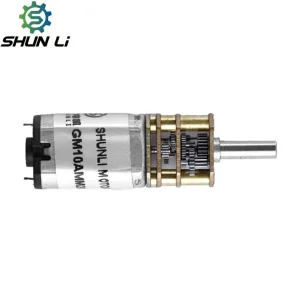
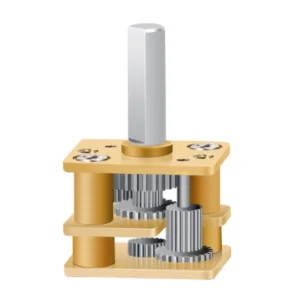
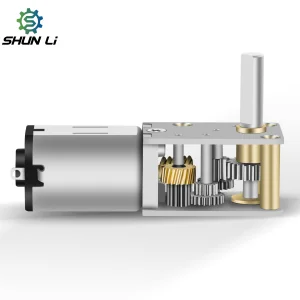
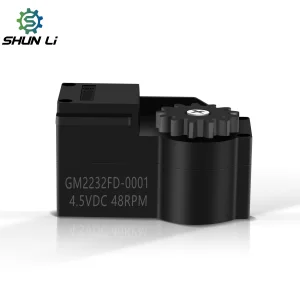
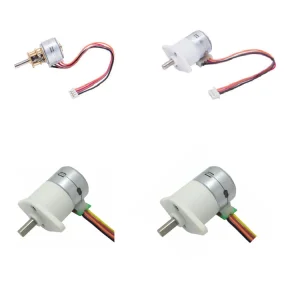
“Open up a premium smart door lock, a high-end medical pump, a robotic cleaner, or an automotive electronic seat—and you’ll likely find the silent, reliable pulse of a WICCA Motor.”
We don't just build hardware; we power the user experiences that define your brand. Our micro DC and brushless motors are engineered to be invisible—operating with ultra-low noise, high energy efficiency, and a compact footprint that allows product designers to push the limits of their industrial design. When your product's reputation relies on flawless, repeated mechanical motion, WICCA Motor delivers the precision engineering that keeps your customers happy.
As the automotive and consumer electronics sectors transition toward higher automation, electromagnetic efficiency, and smart tactile responses, the requirement for reliable micro-actuation systems has reached critical levels. Our factory focuses on combining ISO9001/IATF16949 production standards with CE European conformity certifications to deliver micro-motor solutions that meet demanding mechanical, thermal, and noise tolerances.

Analyzing the shift from legacy mechanical linkages to localized electromechanical actuation networks.
The elimination of internal combustion engines removes natural masking noise, forcing engineers to specify lower NVH (Noise, Vibration, and Harshness) micro motors. Smart HVAC flaps, active aerodynamic grilles, and flush door handles require silent, high-density gearboxes.
Modern zonal architectures require dedicated micro-drives for headlight leveling, electronic parking brakes, side-mirror folding, and active lumbar support. Integrating the driver circuitry directly on the motor assembly reduces electromagnetic interference (EMI) and wiring weight.
To reduce dynamic battery drain, Tier-1 suppliers choose motors optimized for high flux density and high slot-fill factors. Utilizing coreless topologies and planetary gearboxes delivers torque-on-demand in compact packages.
Strategic insights for automotive engineering buyers and supply chain managers.
Procuring micro-actuators for automotive applications requires balancing regulatory compliance, production capacity, and strict quality control. OEMs face strict supply chain requirements, where even a minor failure in an auxiliary motor—such as an electronic lock or lumbar support mechanism—can result in vehicle recalls.
System-level motor integration across advanced automotive sub-assemblies.
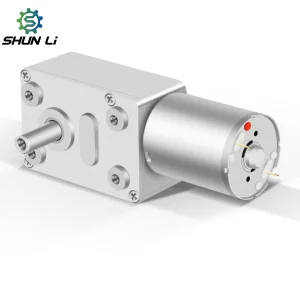
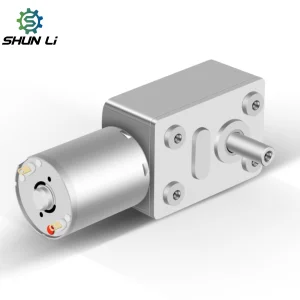
Our customizable DC gearboxes and worm-gear motors power smart door locks, rear seat fold mechanisms, active headrests, and electronic glove compartment releases. Designed to fit in tight interior structures while meeting strict decibel limits.
Precision small stepper and brushless motors provide reliable torque for LiDAR rotation, optical camera cleaning systems, and sensor positioning modules, helping autonomous driving systems operate reliably in varied weather conditions.
Brushless motors designed for electronic expansion valves and coolant routing valves help optimize battery and cabin temperatures in electric vehicles, reducing thermal energy losses.
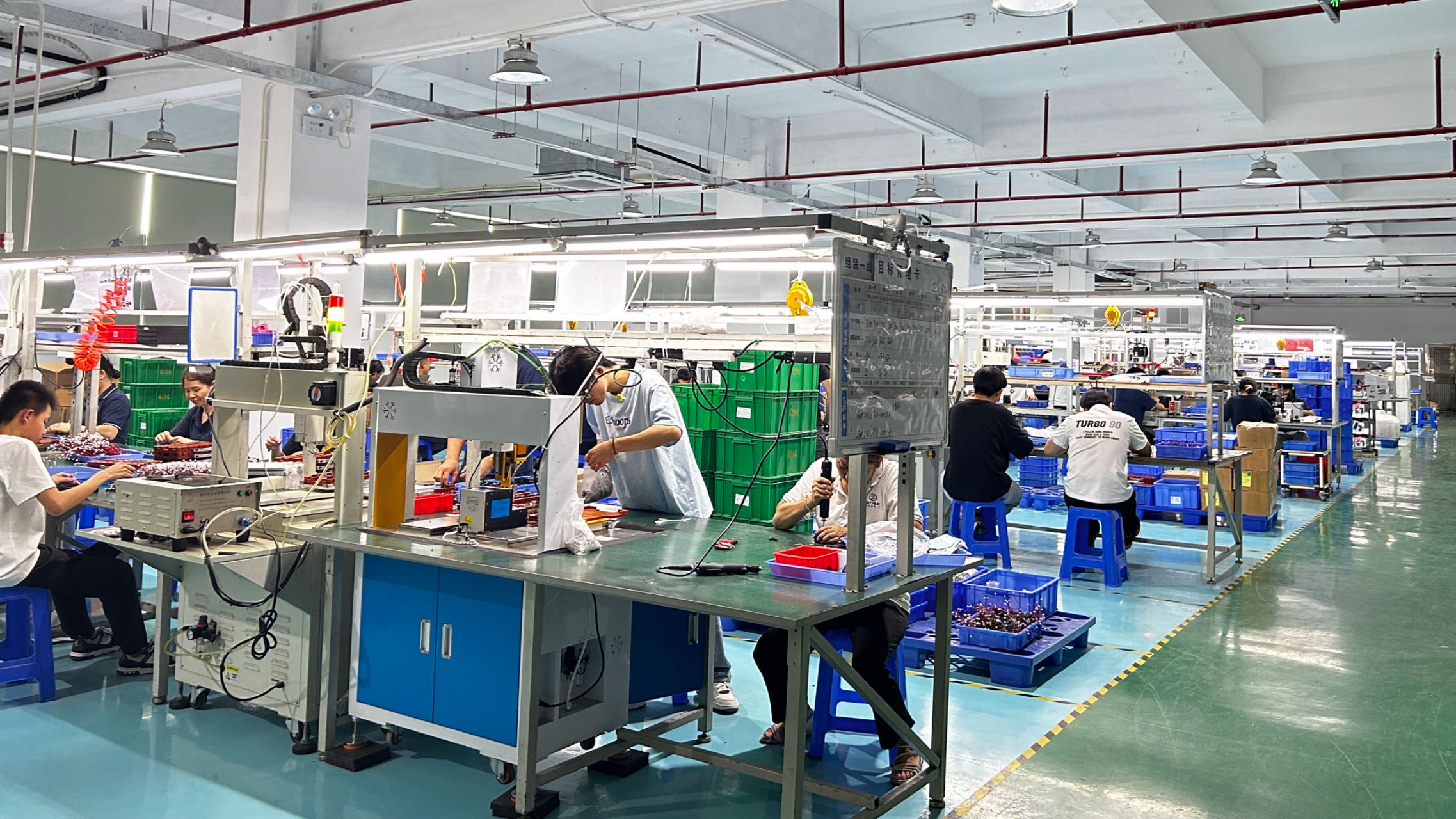
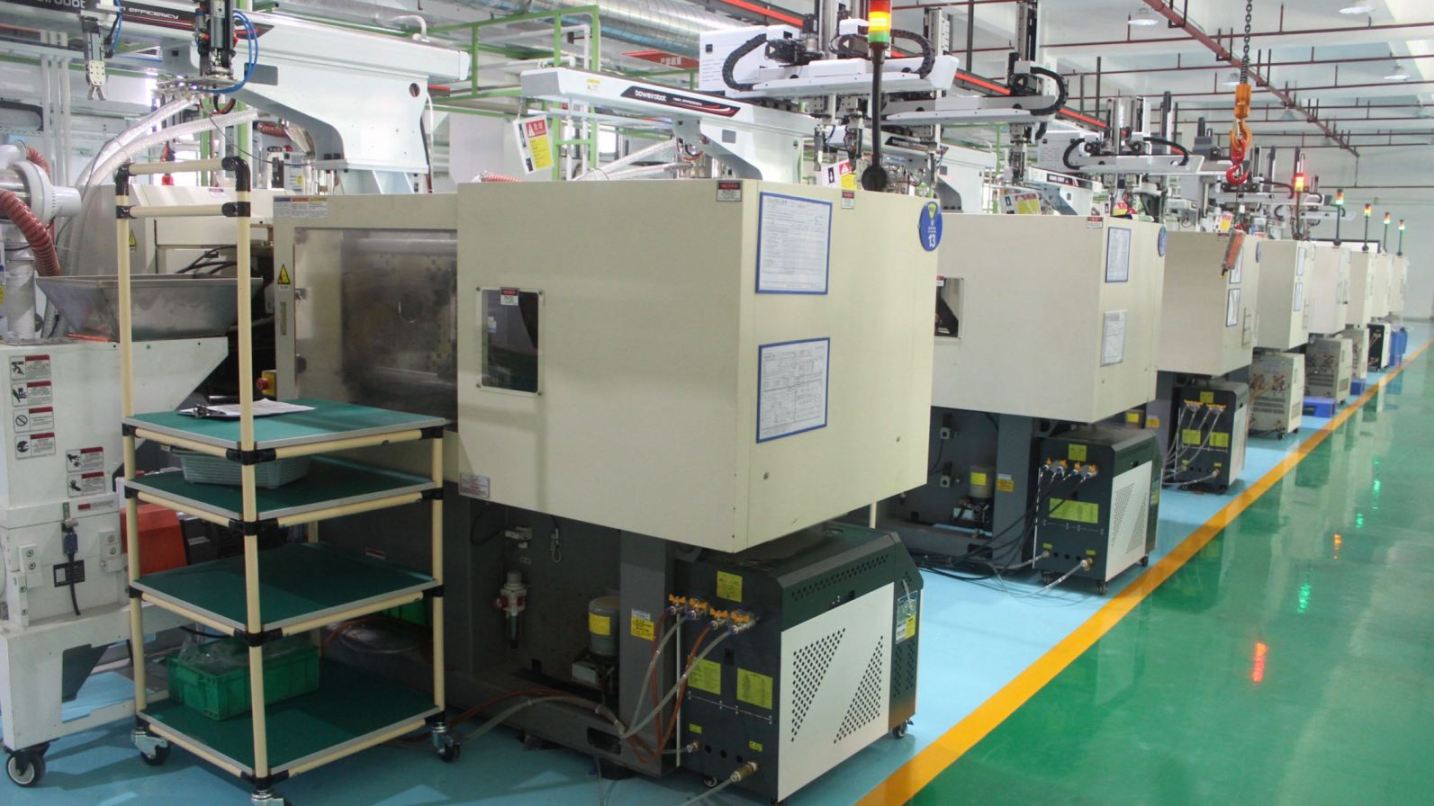
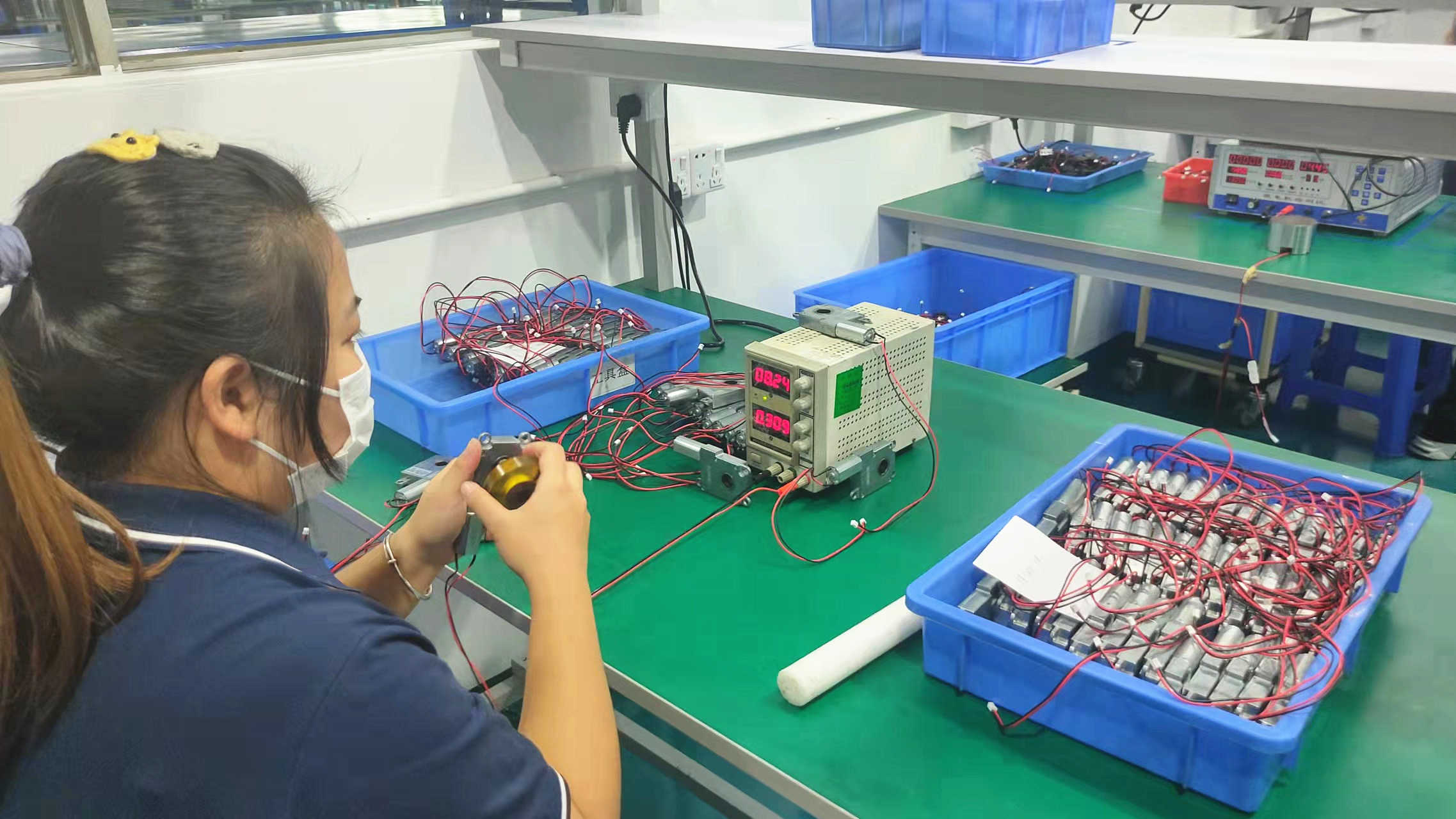
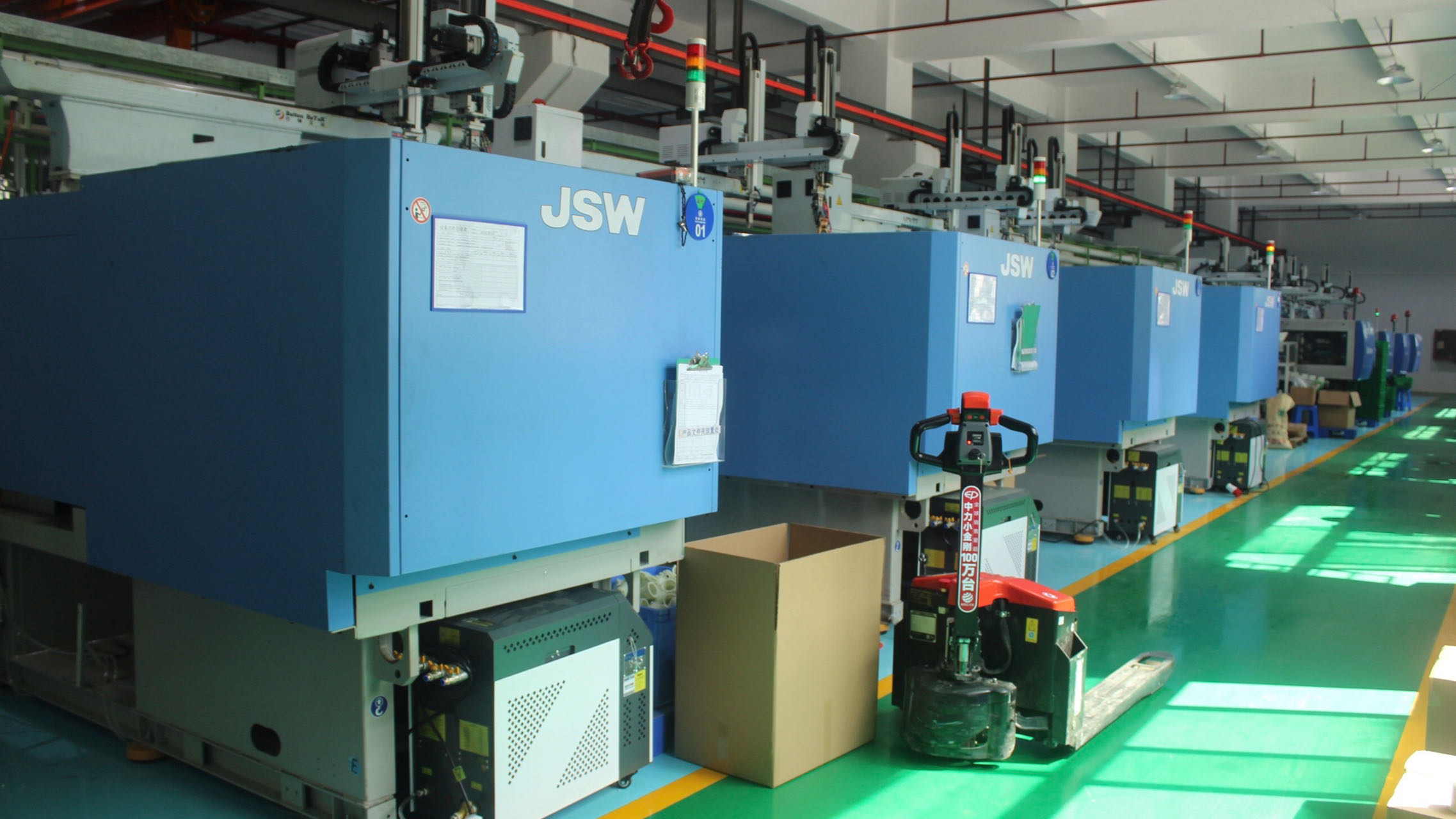
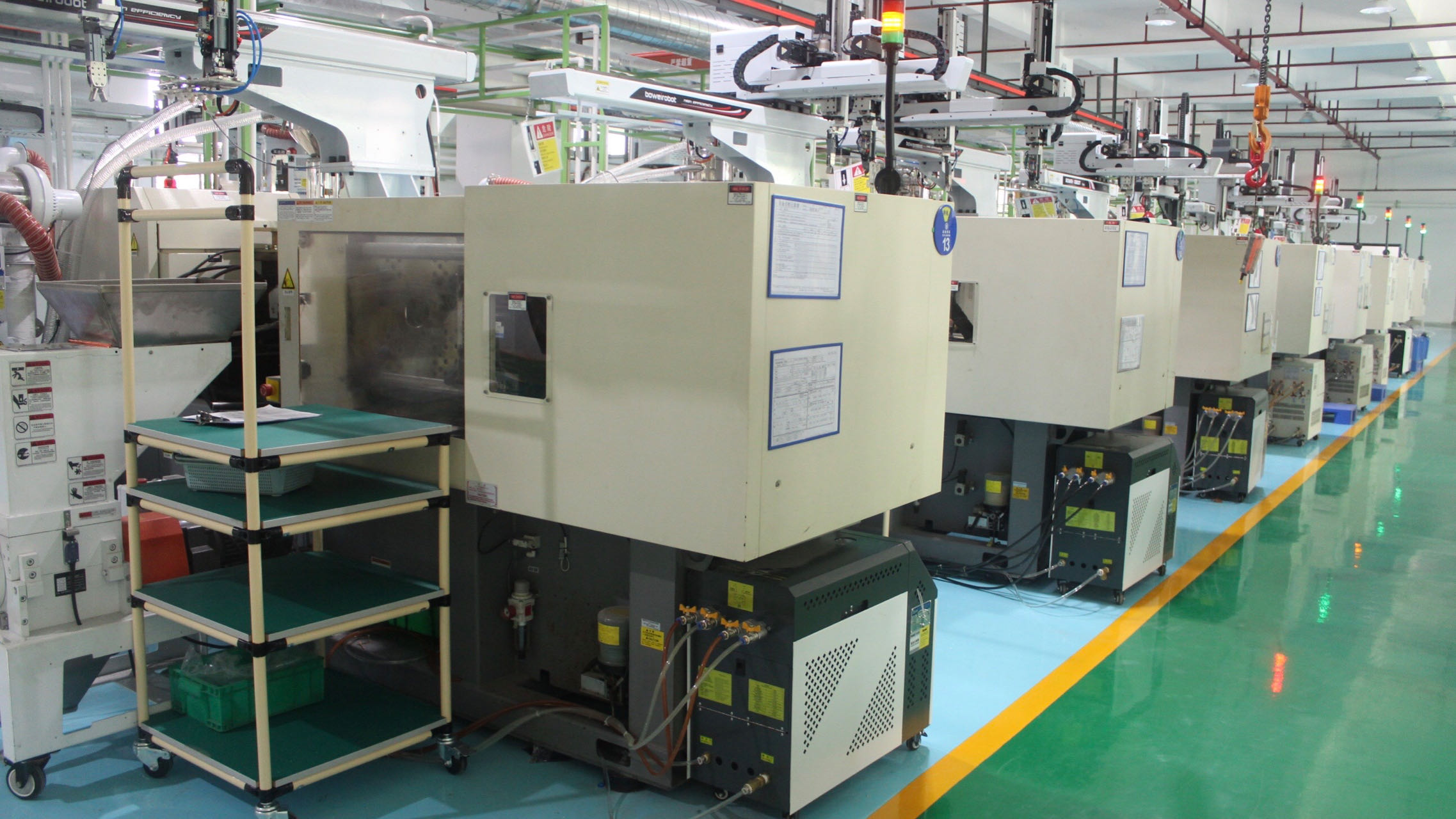
Our structured production processes ensure consistent product performance across high-volume automotive and consumer electronic orders.

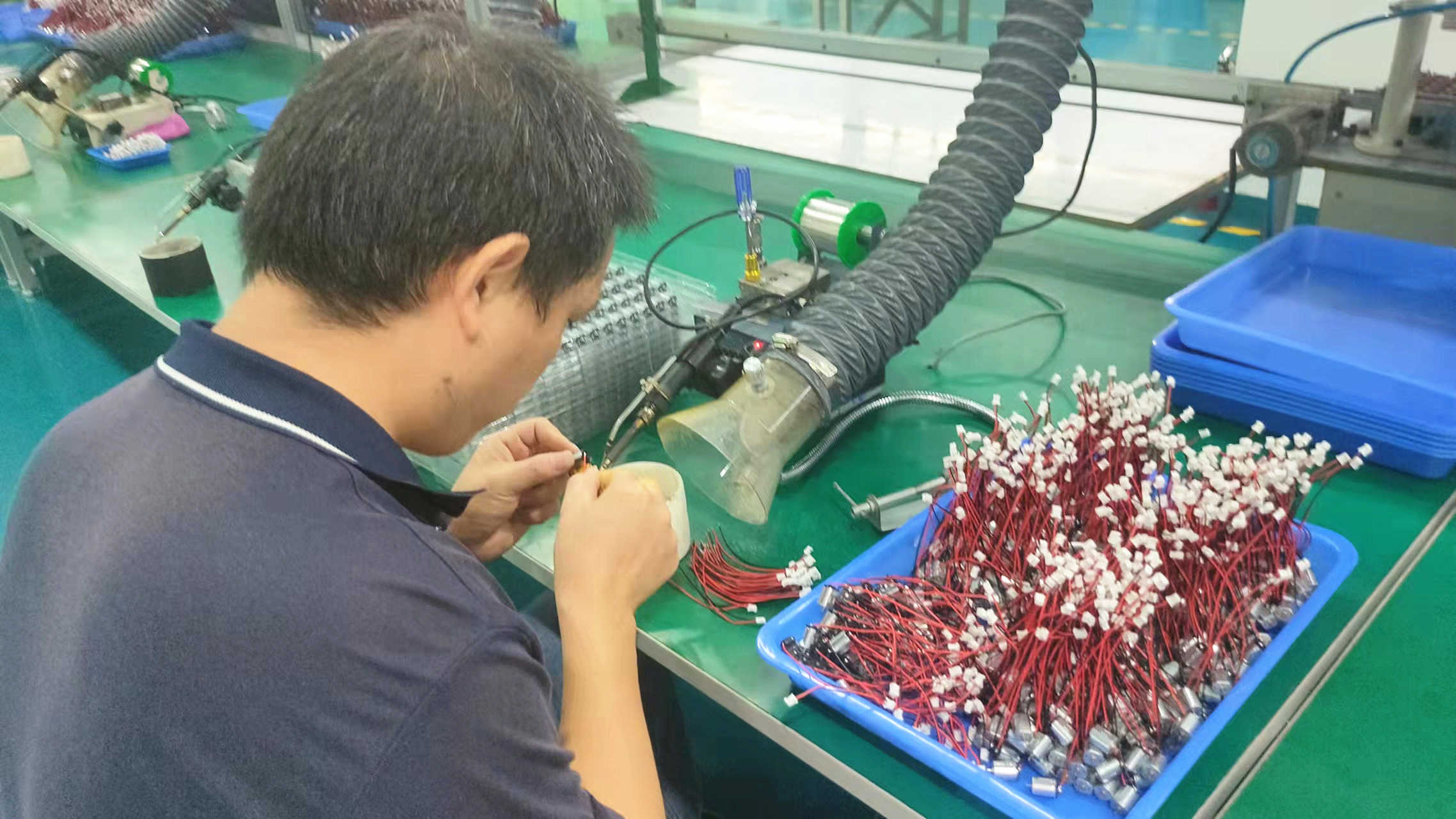
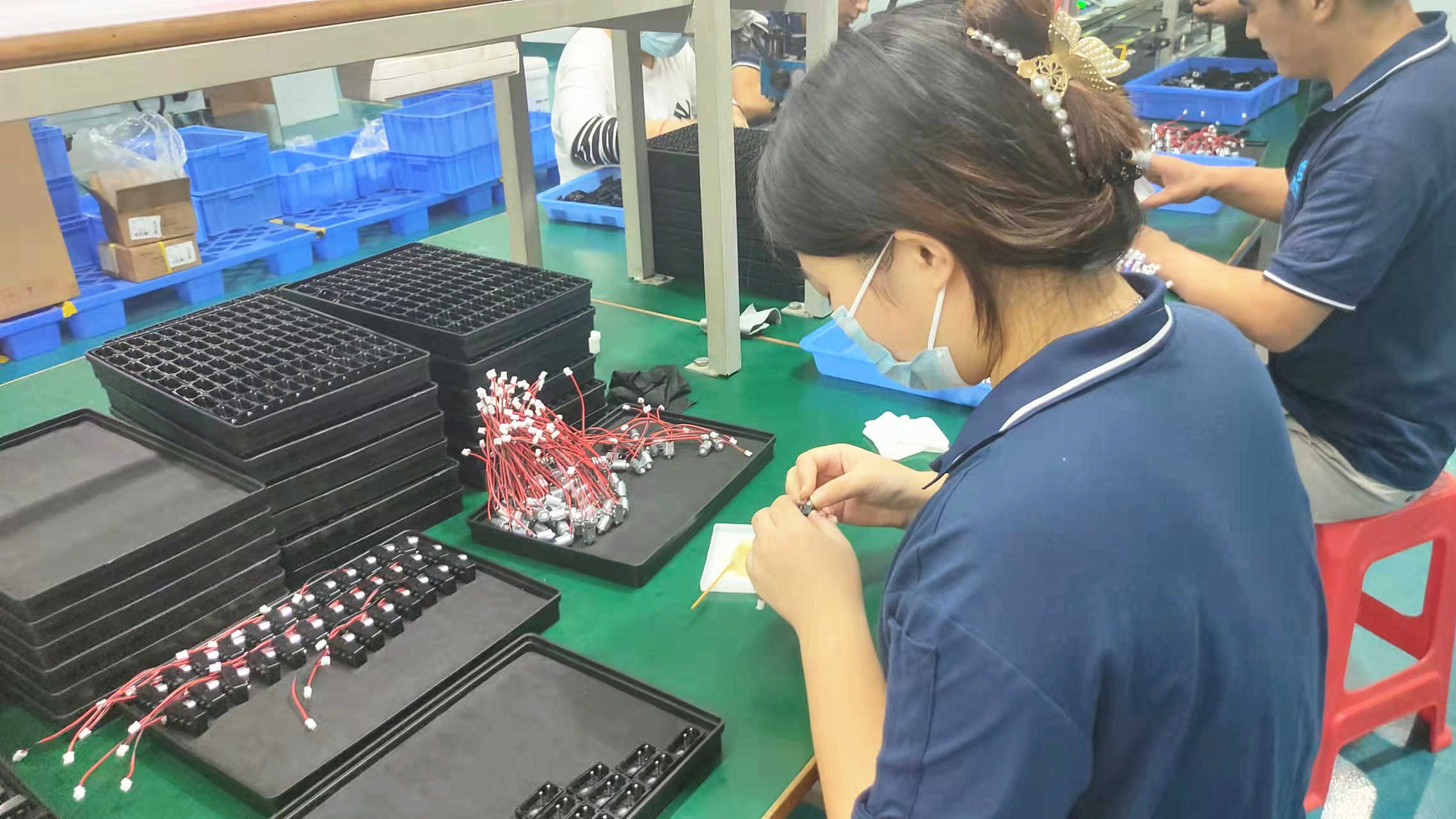
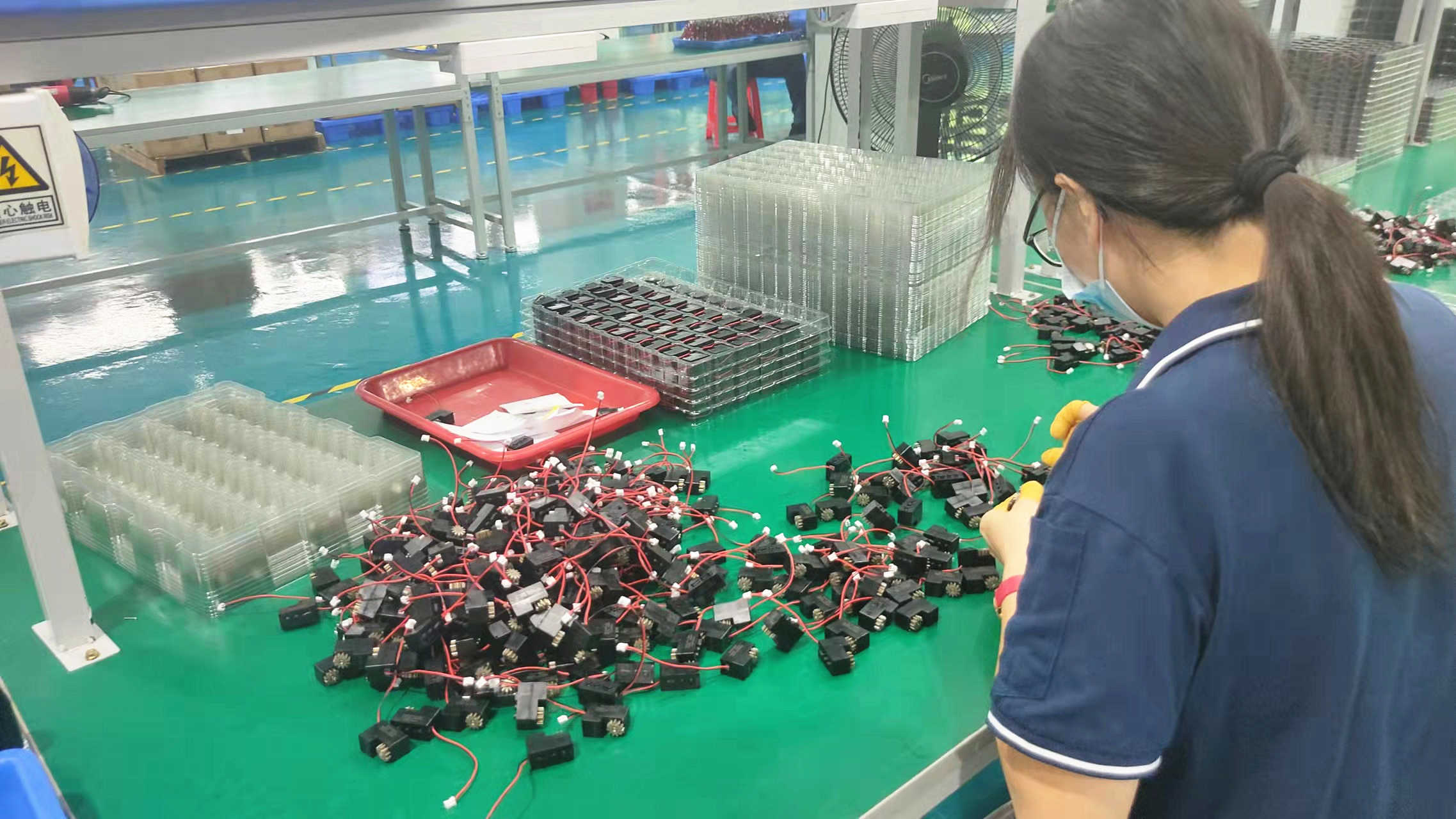
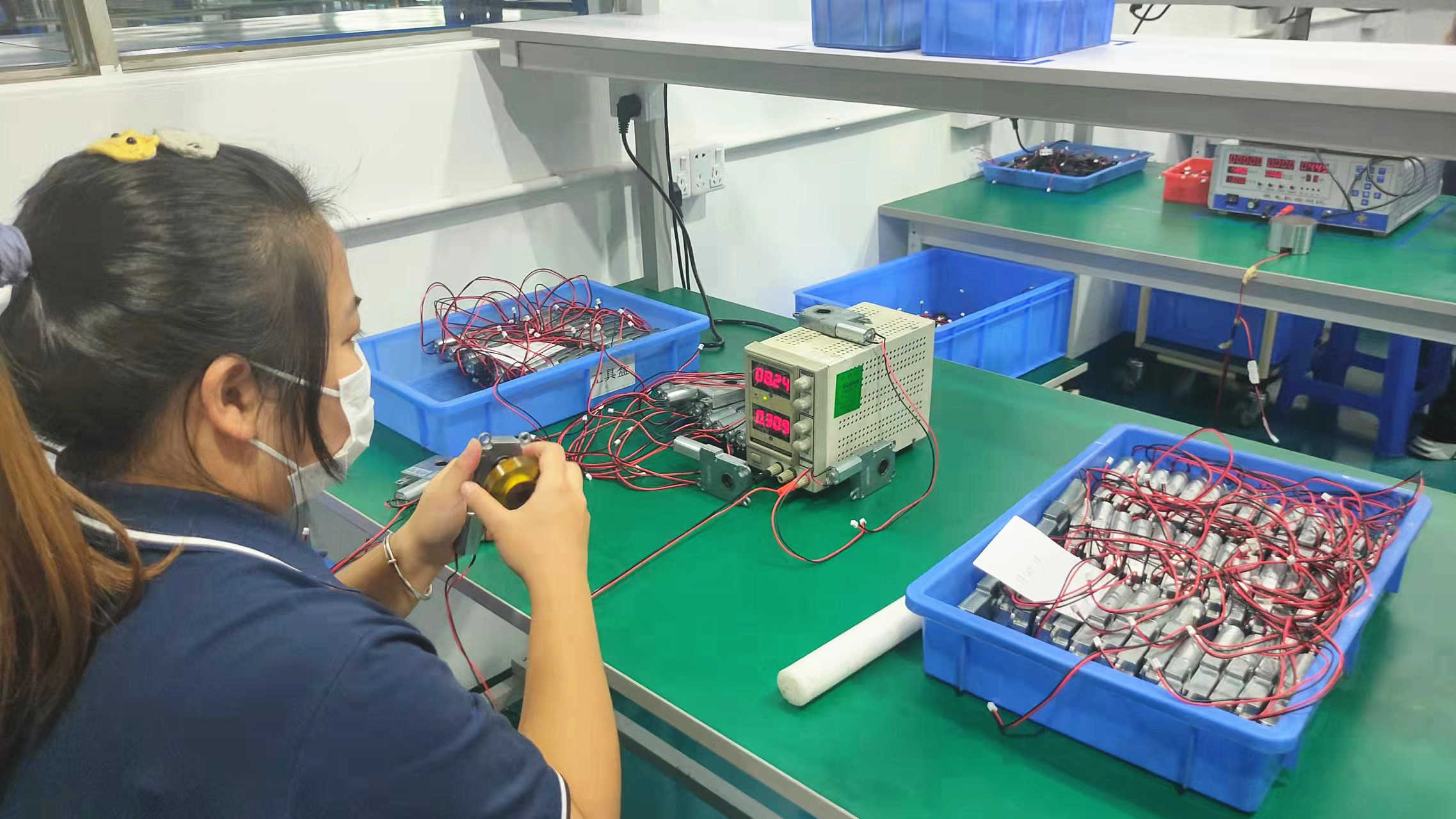

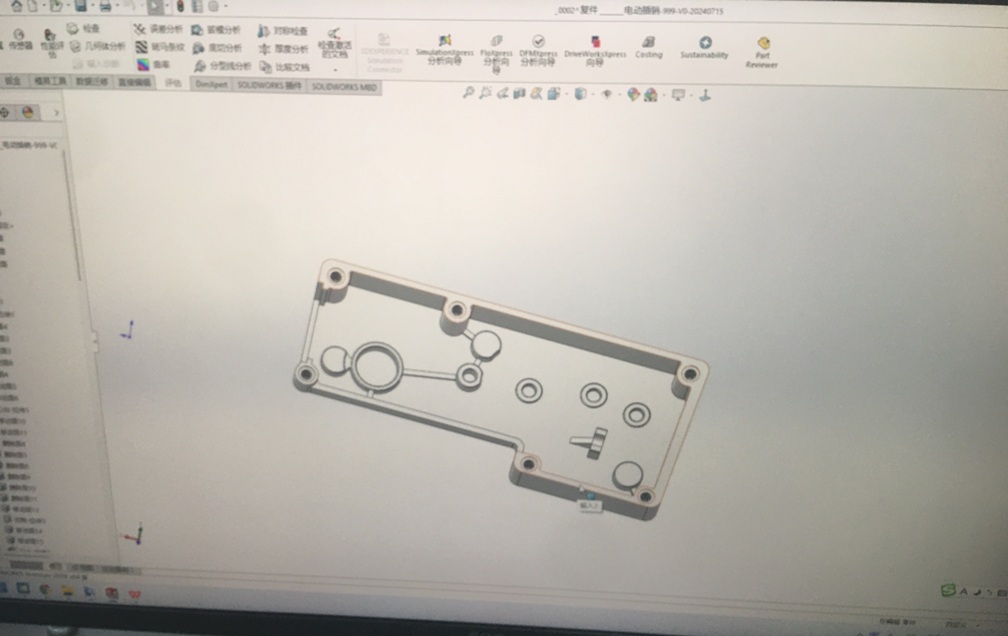
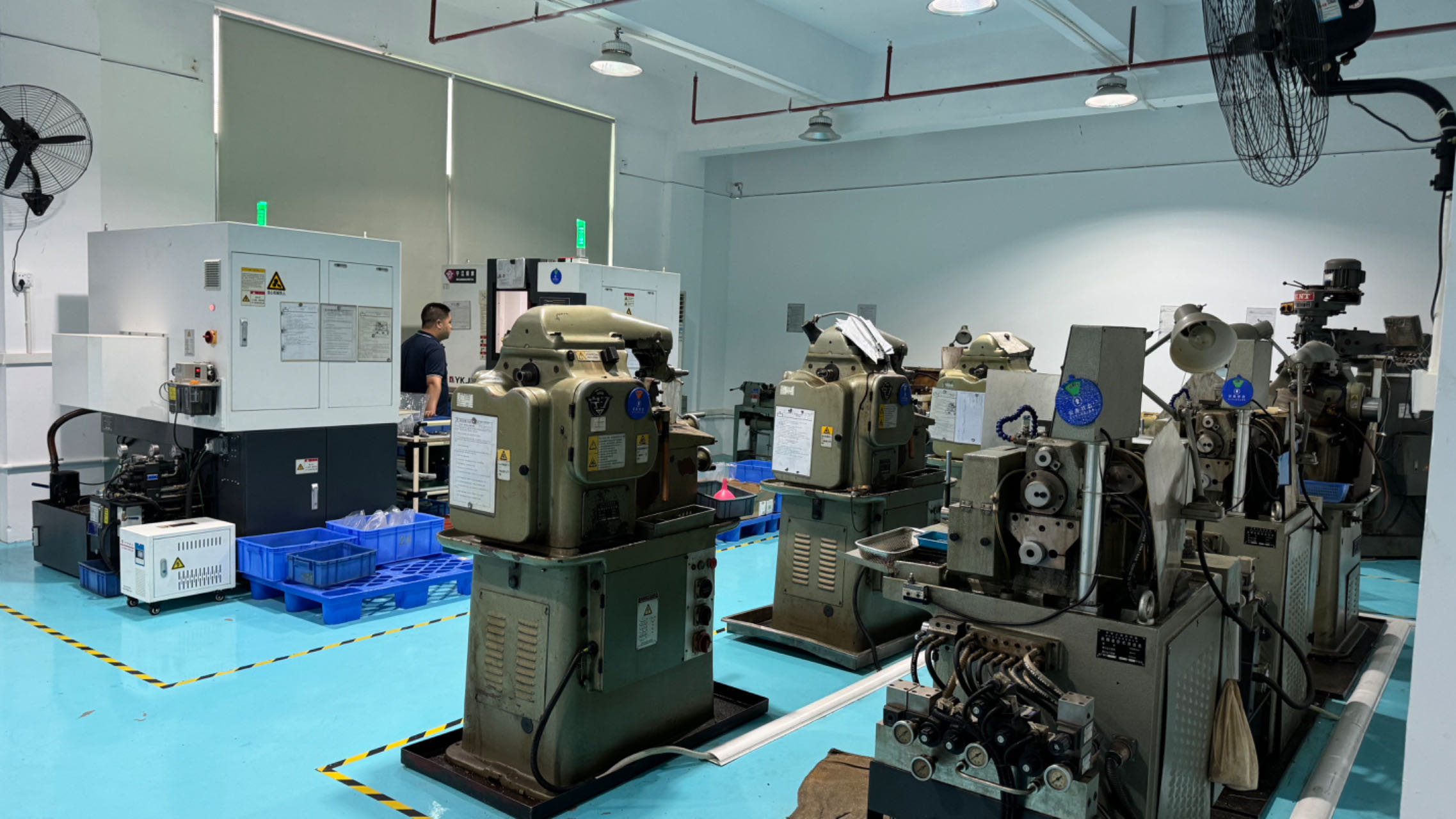
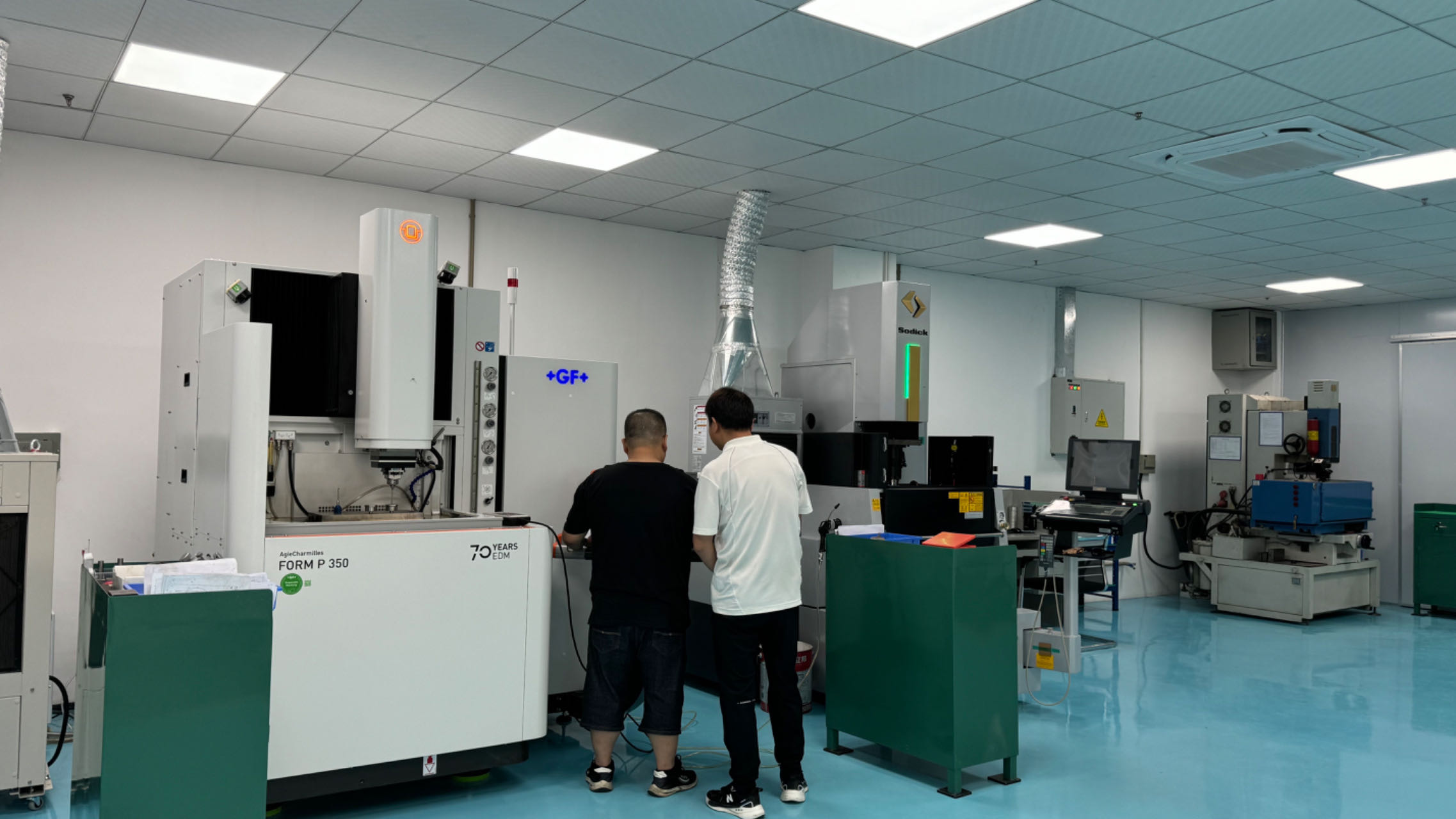
We invest in advanced CNC machining, precision hobbing, and automated winding equipment to support tight tolerances and repeatable production quality.
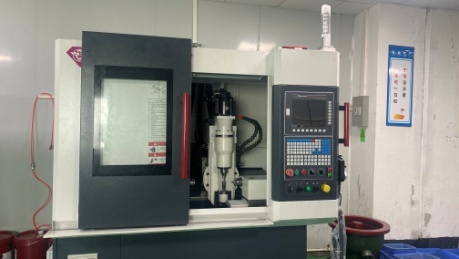
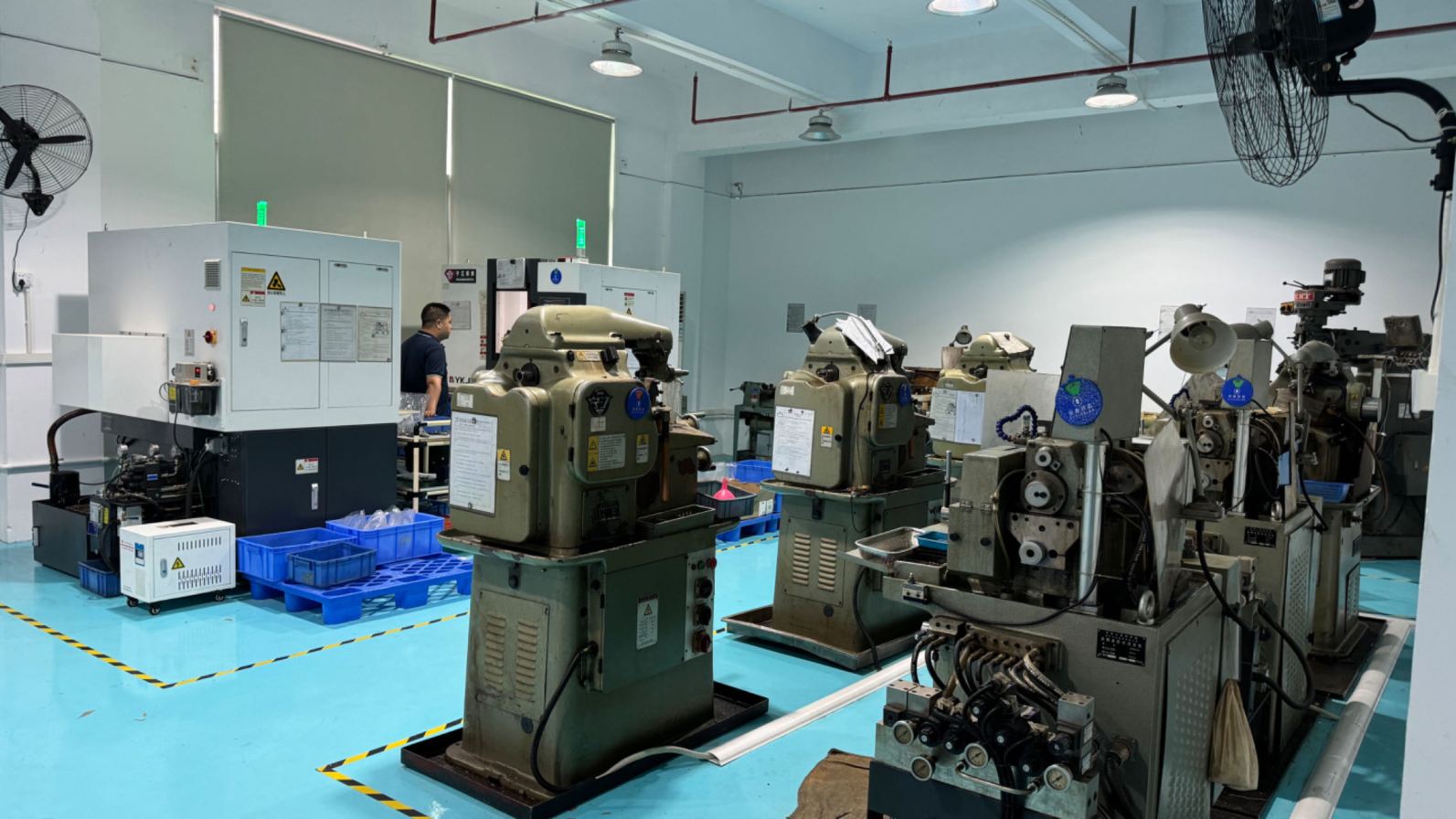
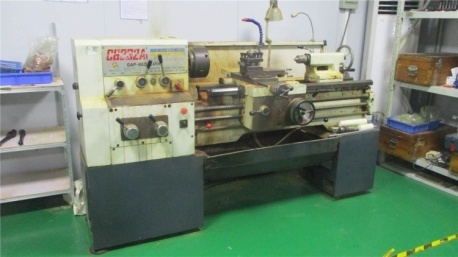
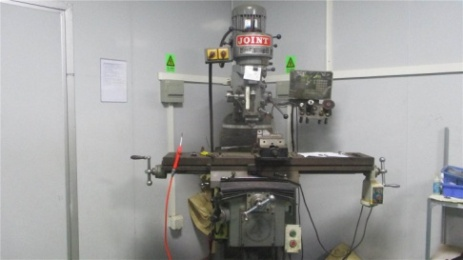
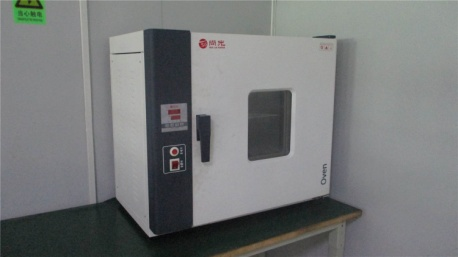
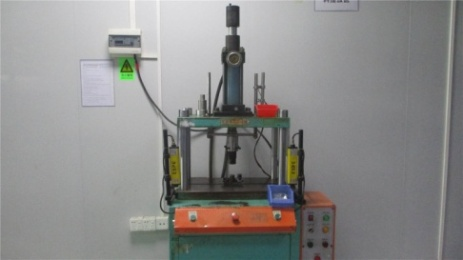
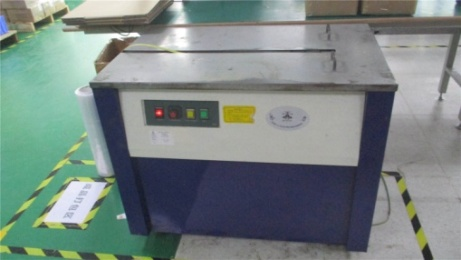
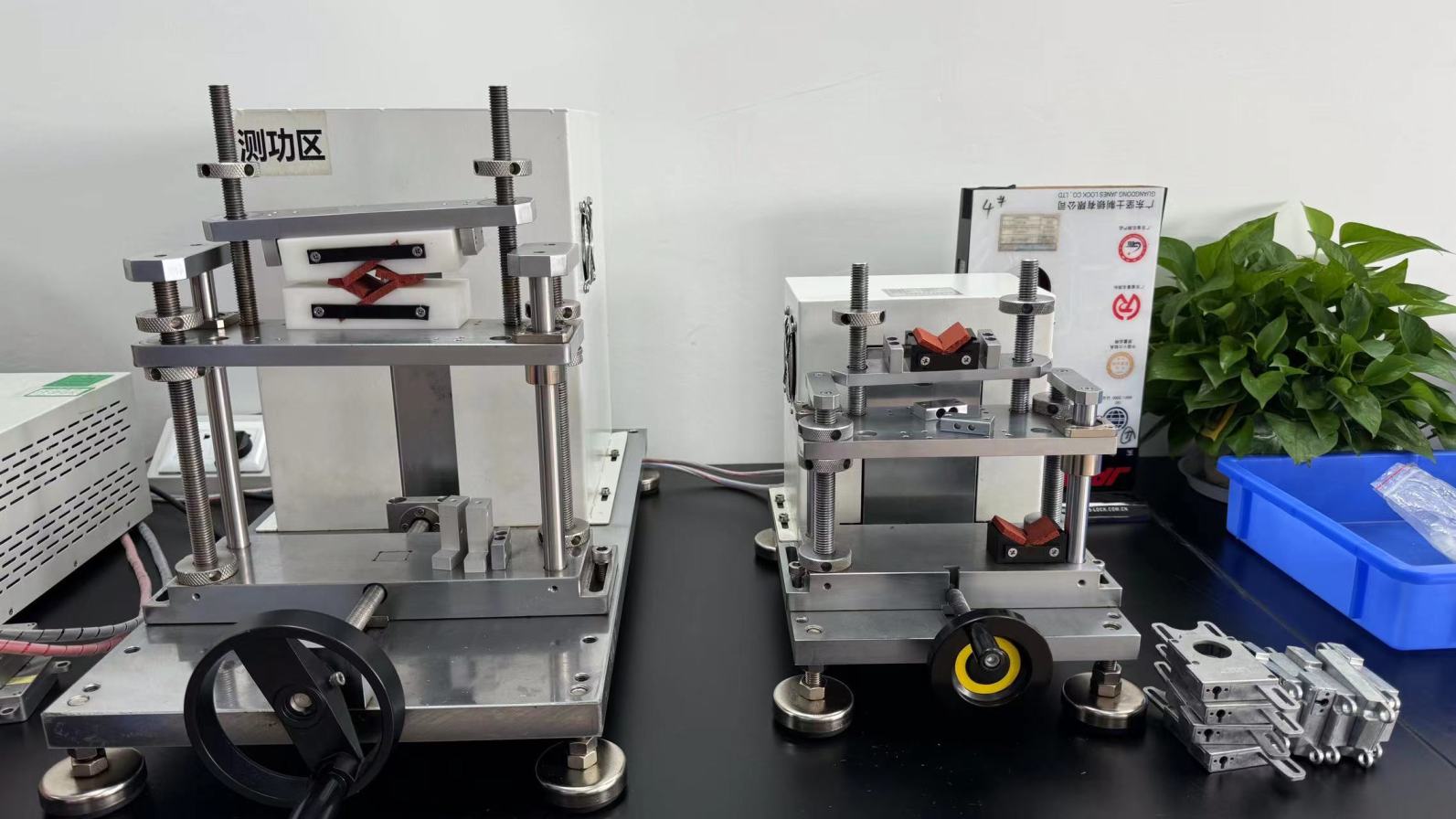
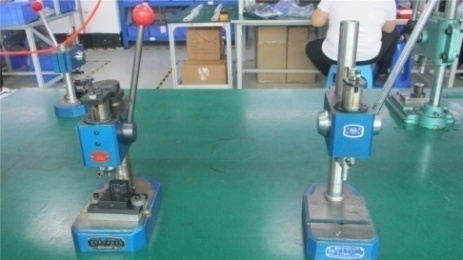
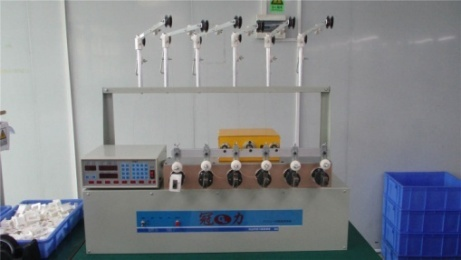
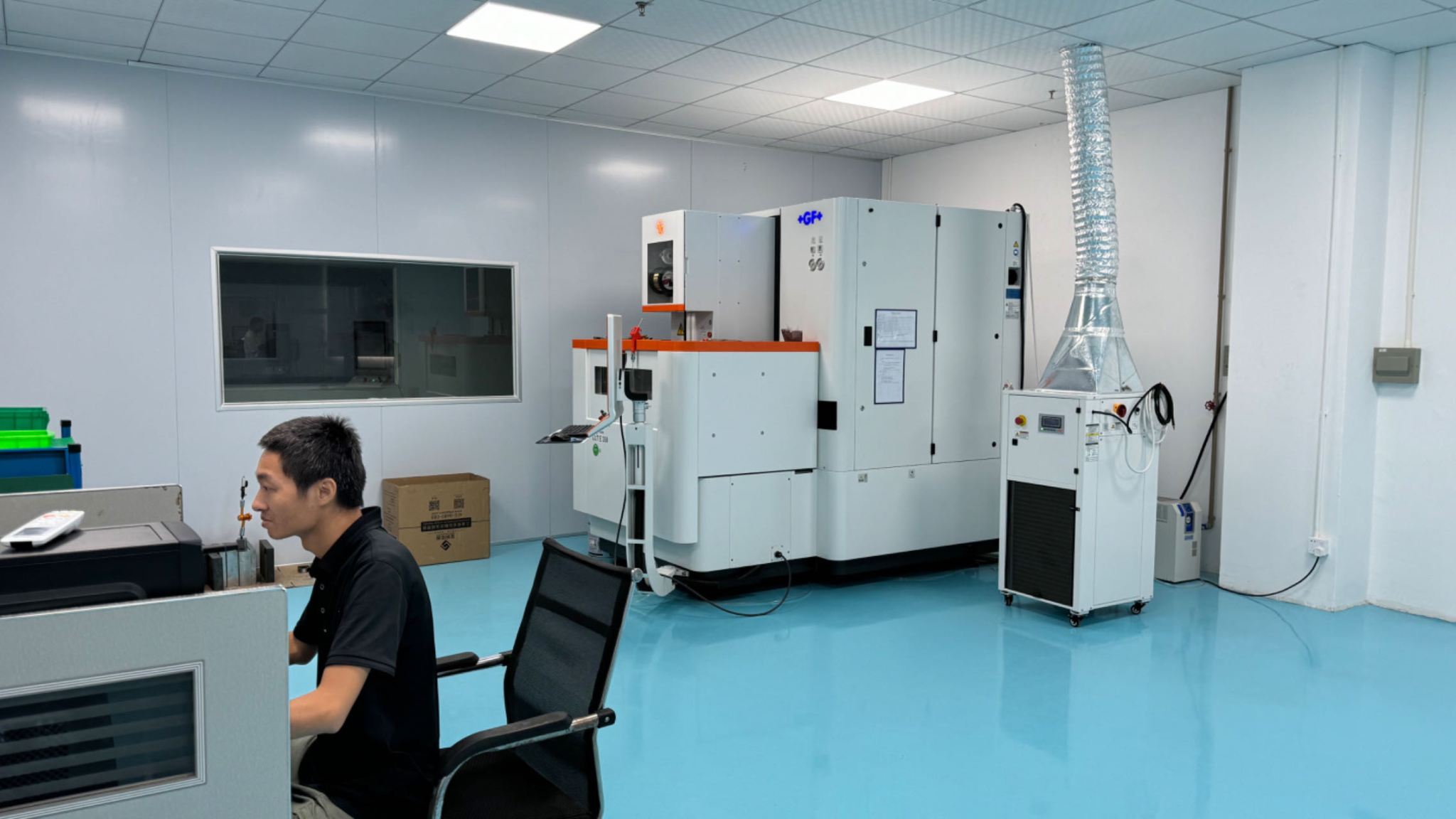
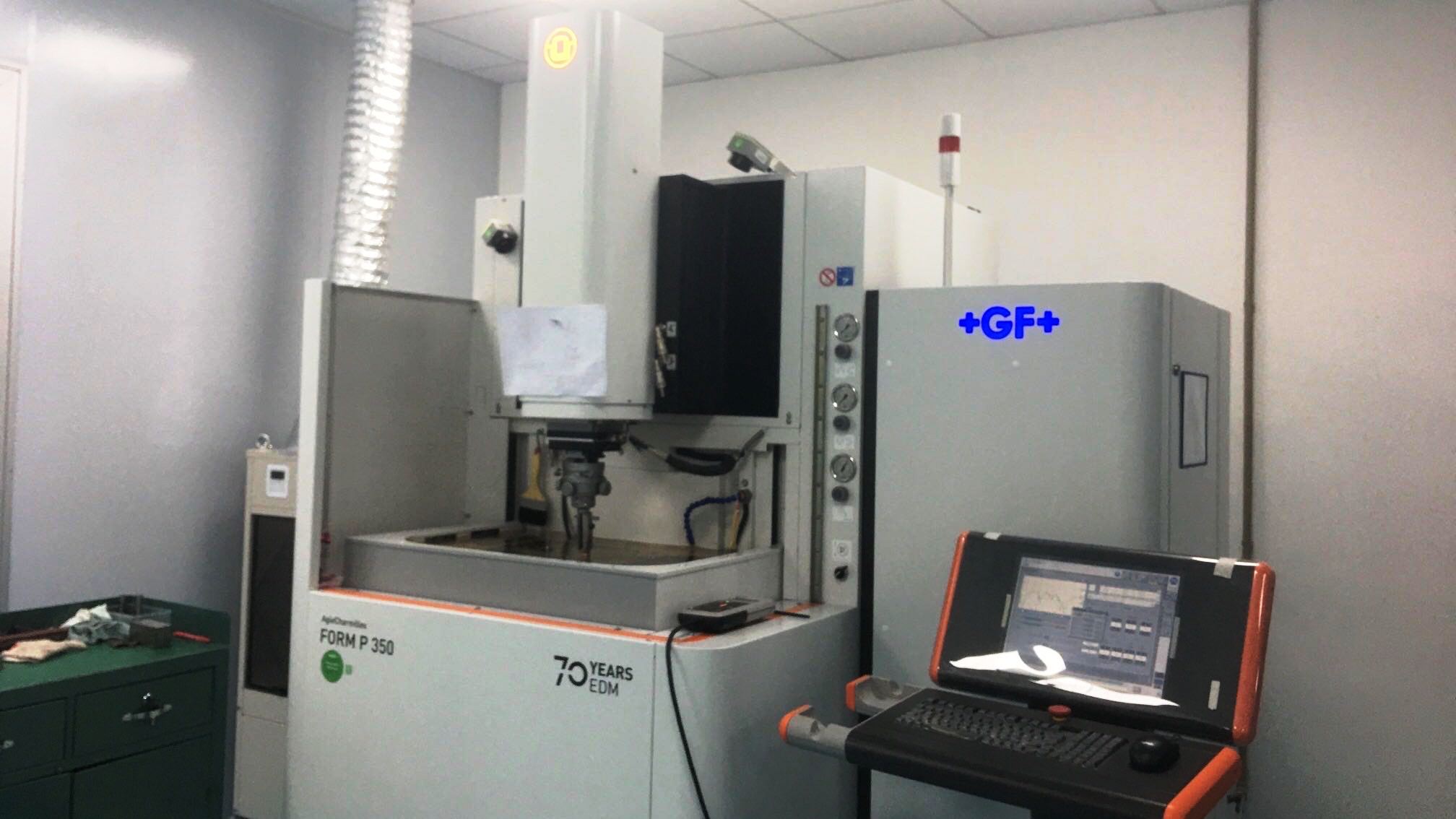
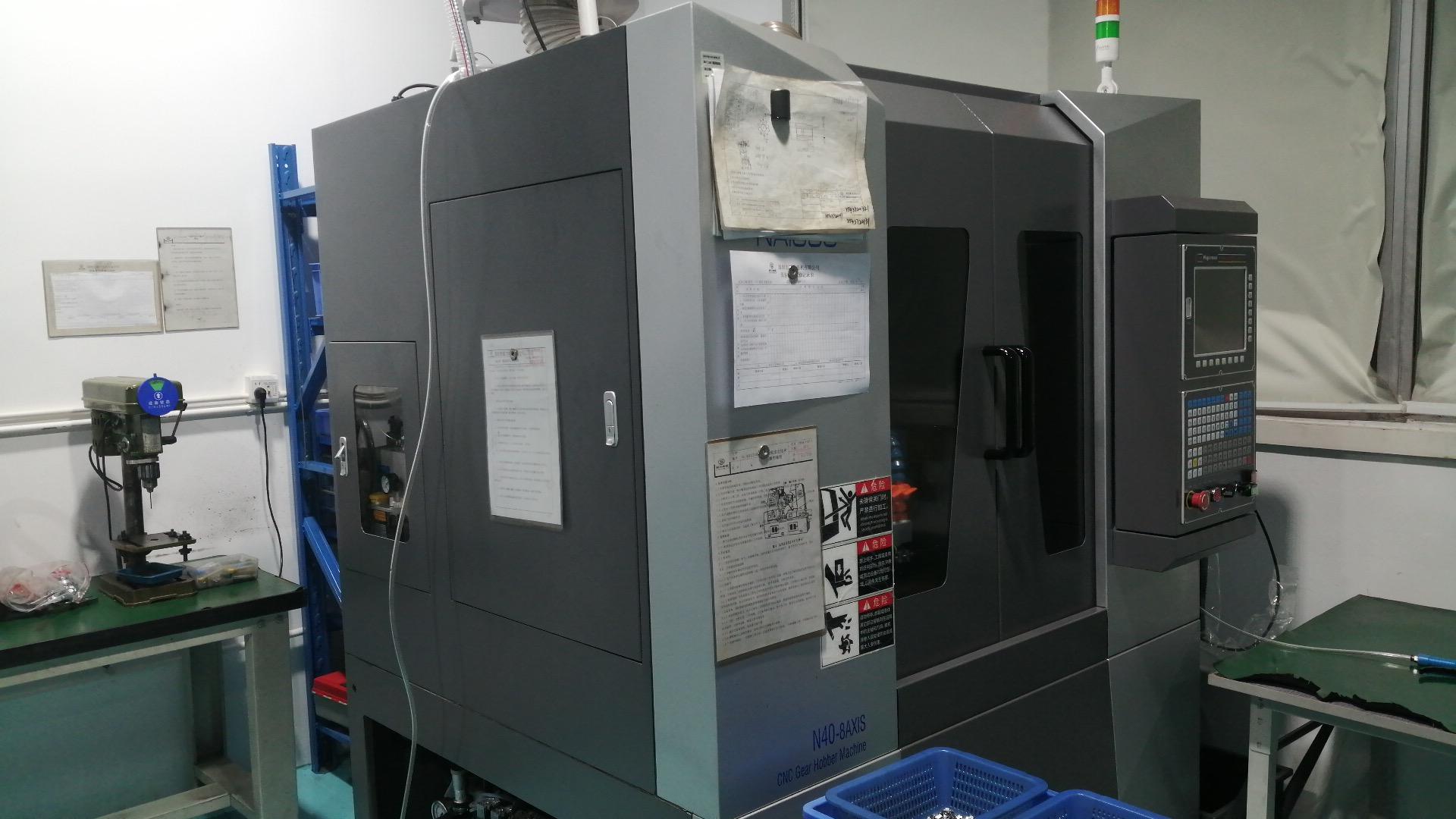
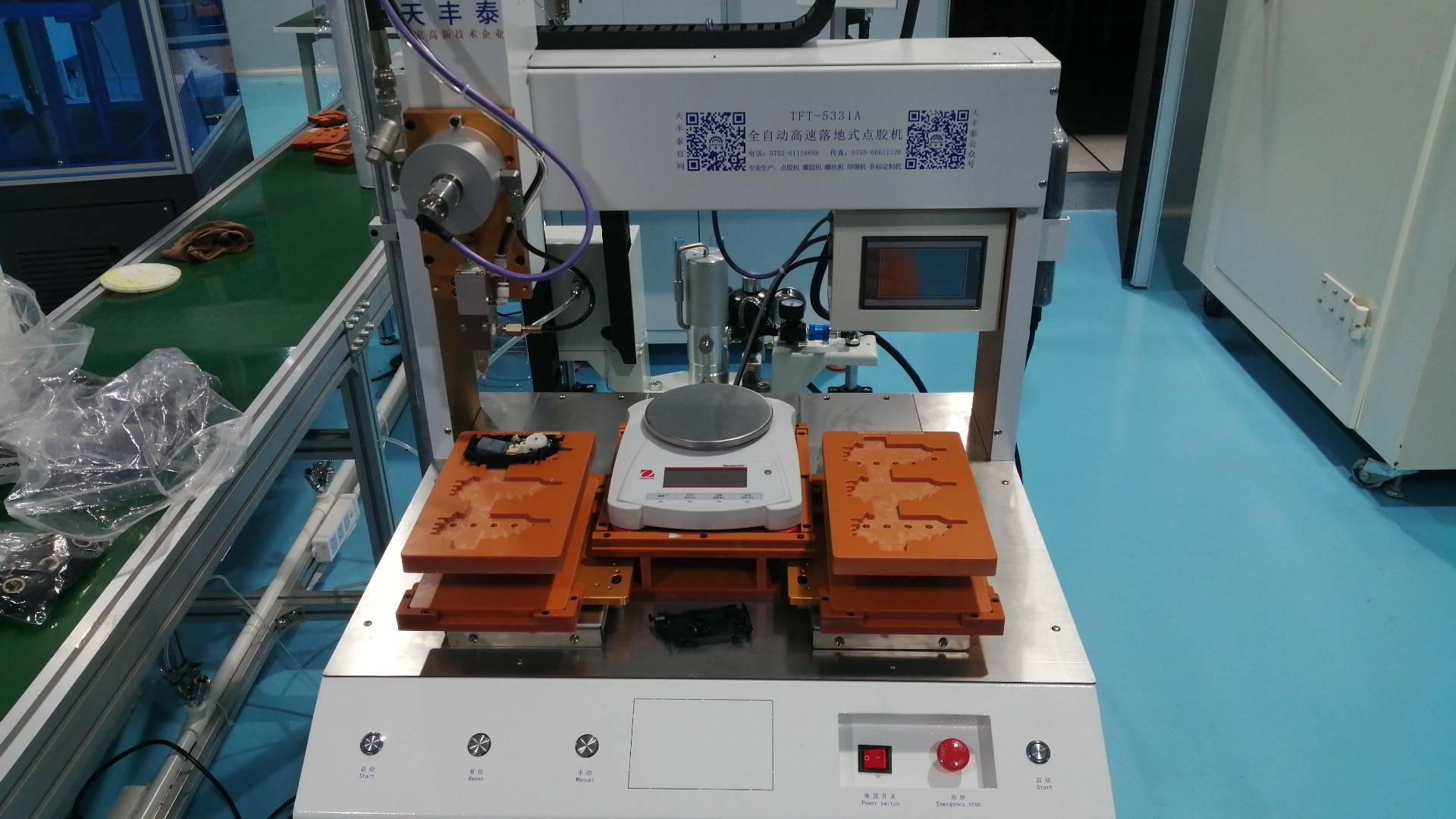
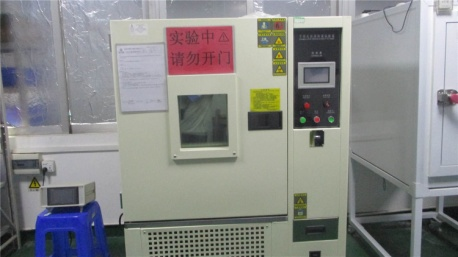
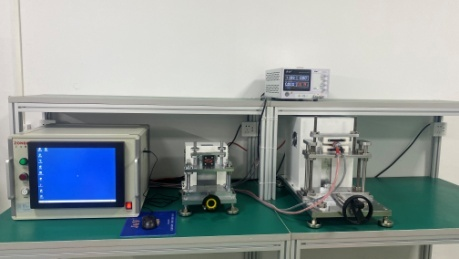
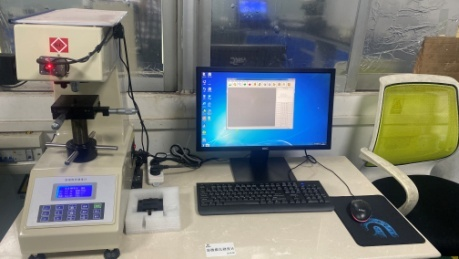
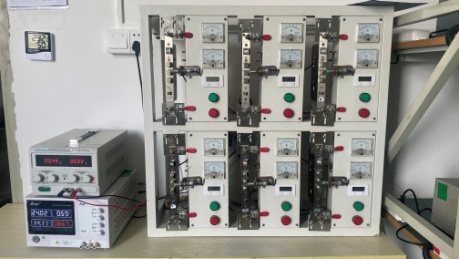
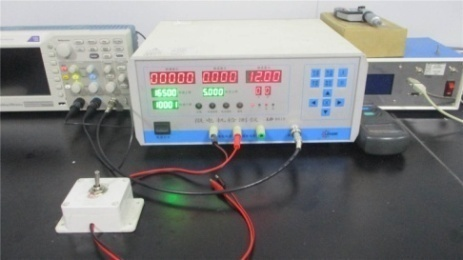
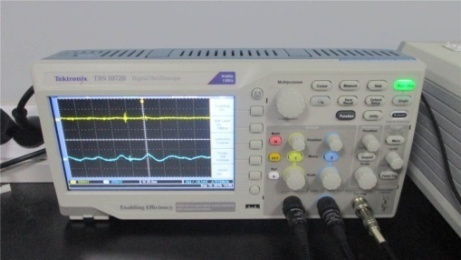
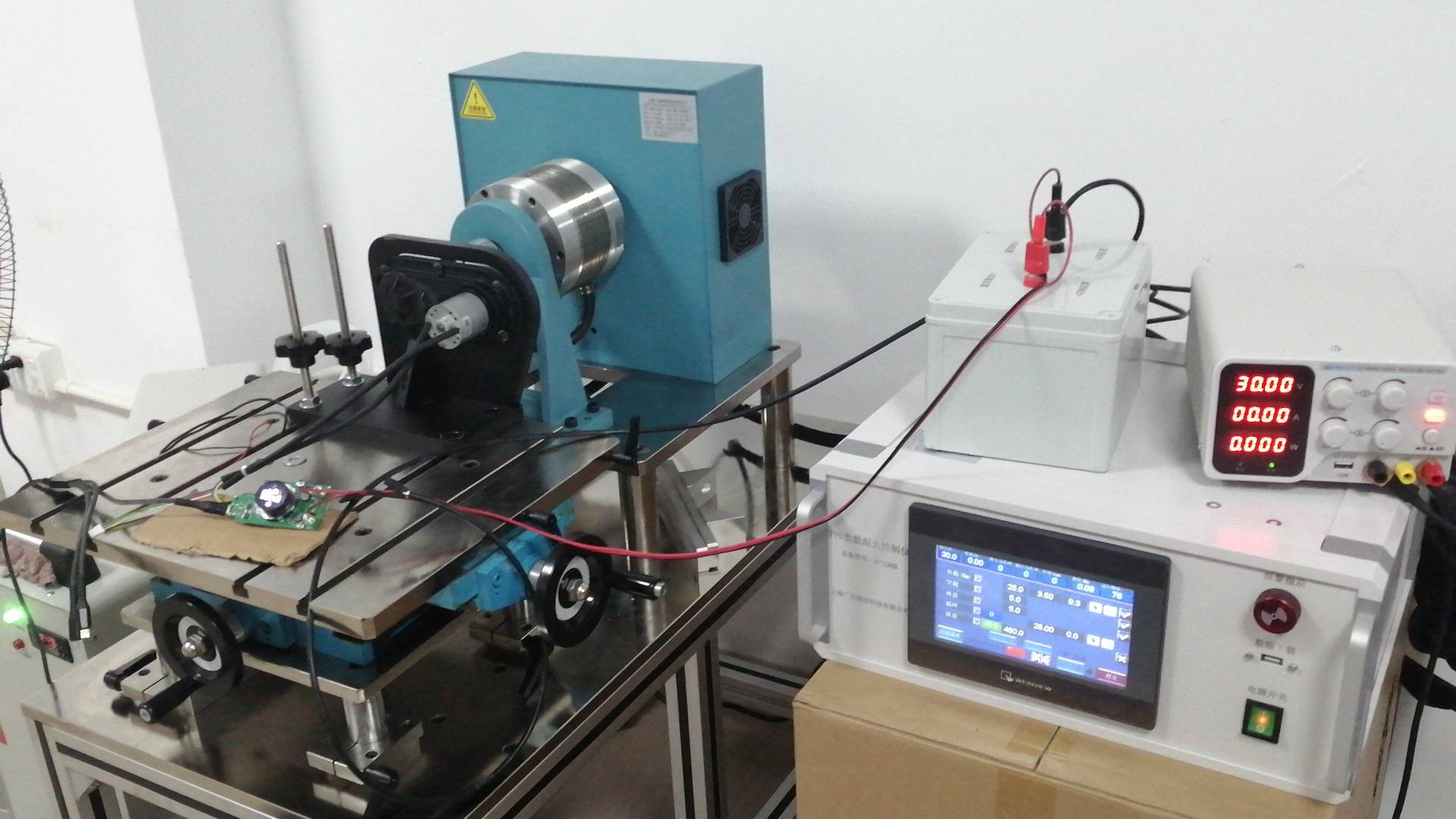
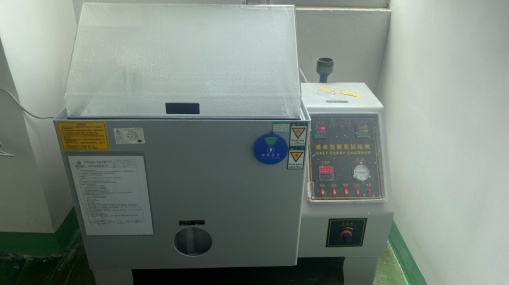
Our laboratories conduct reliability verification testing, validating mechanical lifespans under simulated environmental stress.
Providing compliant micromotion technology globally requires matching manufacturing precision with regional regulatory standards. Our CE-certified motors meet European Union directives, streamlining validation for our customers.
Our designs adhere to the Machinery Directive 2006/42/EC and the Electromagnetic Compatibility (EMC) Directive 2014/30/EU. This ensures minimal electromagnetic interference (EMI) when integrated into complex automotive ECUs.
All raw materials, insulation varnishes, and magnet wires meet RoHS and REACH regulations, avoiding restricted hazardous elements.
We support design engineers through dedicated field application teams, assisting with gear alignment, thermal optimization, and dynamic load testing.
Developing micro-drive technology that supports electrification and smart cabin applications.
Developing integrated sensorless Field-Oriented Control (FOC) micro-drives that provide smooth acceleration curves and precise positioning feedback without the cost or footprint of physical hall sensors.
Researching magnet configurations to minimize dependencies on rare-earth materials, working to maintain torque performance while reducing sensitivity to supply chain volatility.
Refining helical gear geometry and choosing polymer material combinations to keep structural gear mesh noise below 30dBA, supporting quiet electric vehicle cabin environments.
Answers to common engineering and sourcing questions regarding our micro-drive solutions.
CE certification confirms that our motors comply with essential European safety, health, and environmental protection standards. For automotive applications, it verifies compliance with electromagnetic compatibility (EMC) requirements, helping prevent interference with other electronic systems in the vehicle.
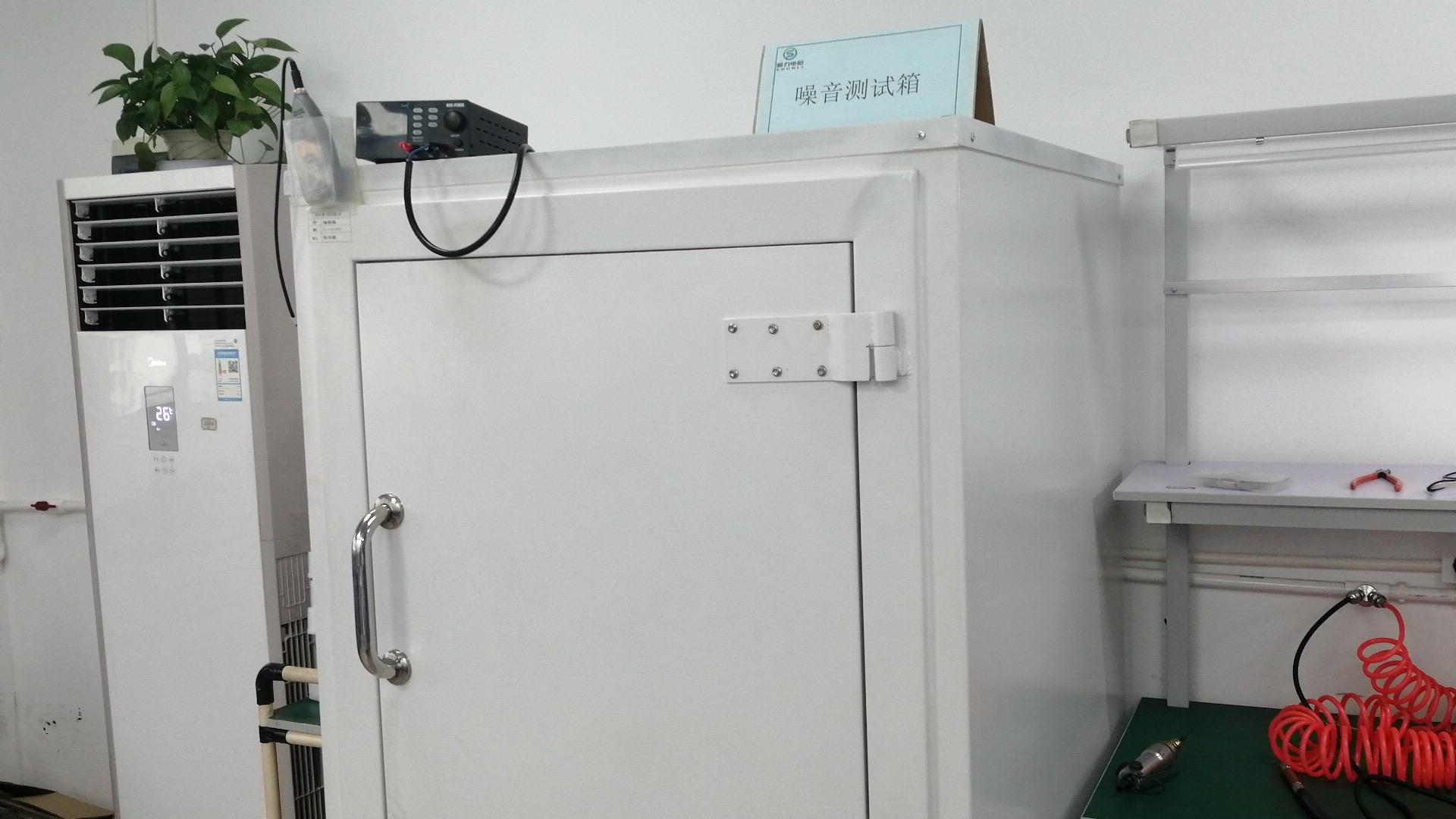
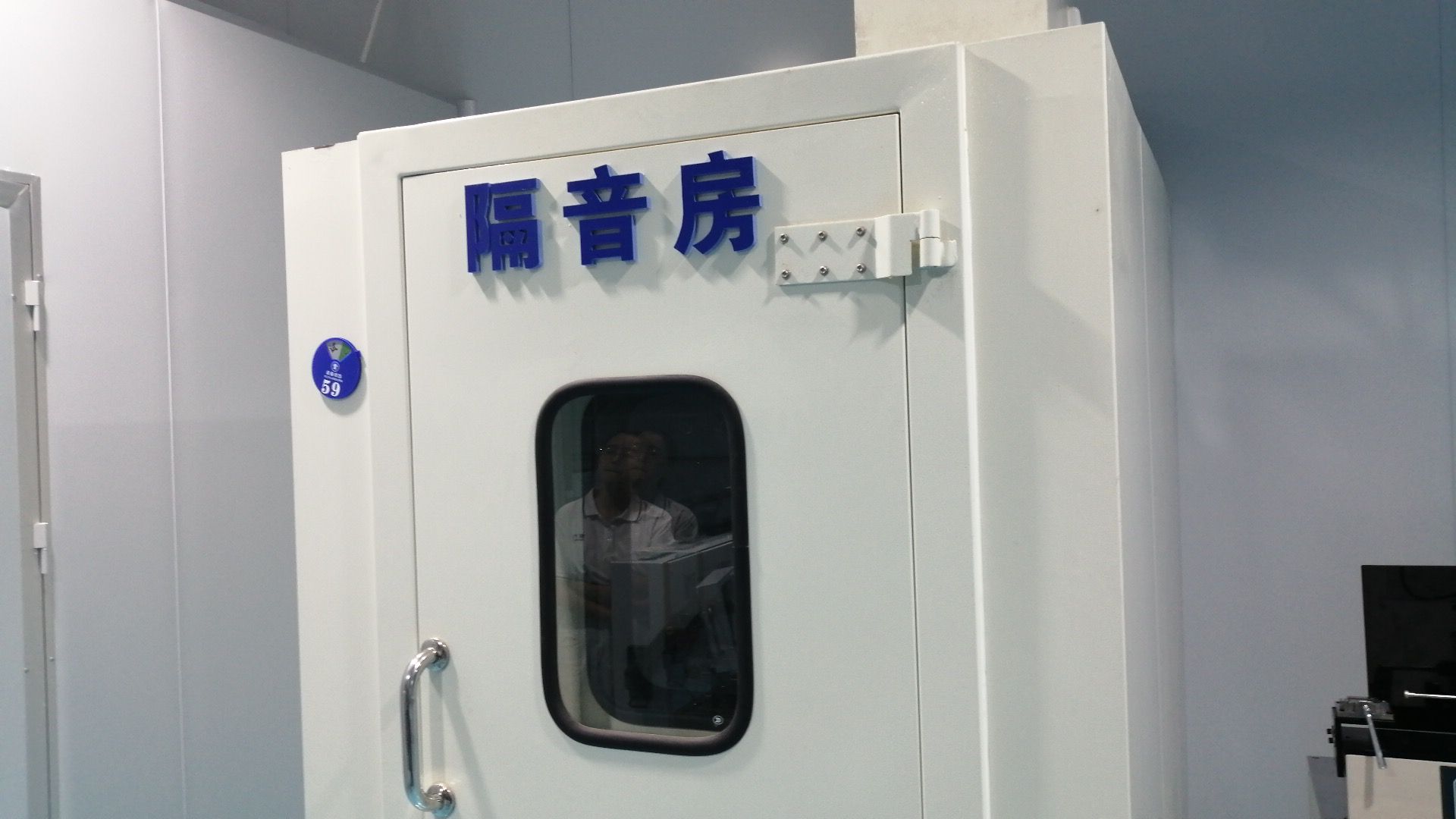
We manage noise levels through precision hobbing of micro-gears to tight tolerances (up to 0.02mm), dynamic balancing of rotors, and the use of engineered composite gears. Finished designs are verified in our dedicated soundproof noise-testing chambers.
Yes. We offer options for high/low temperature grease, customized shaft shapes, special winding wire options to handle voltage spikes, and custom housing seals to meet IP rating requirements for varied installation environments.
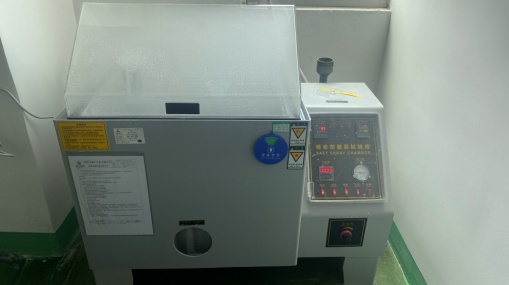
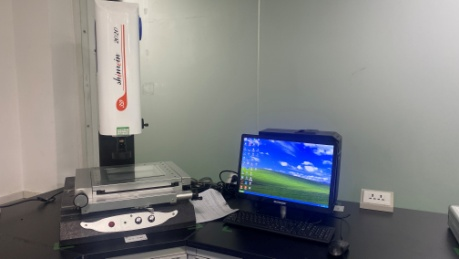
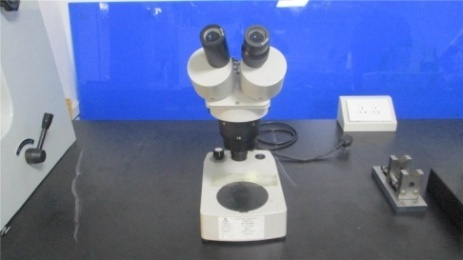
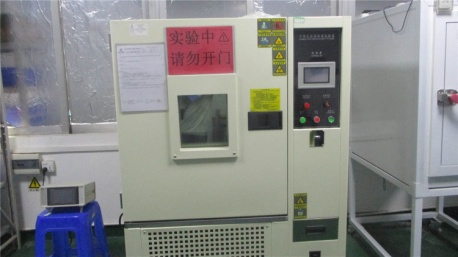
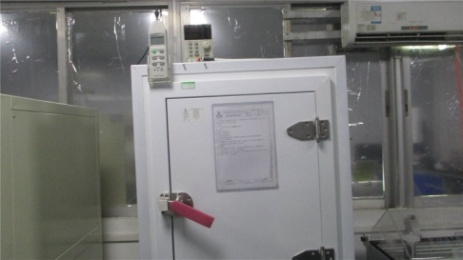
Our quality control laboratories utilize constant temperature and humidity chambers, salt spray testers for corrosion resistance, dynamometers for torque testing, and microscopes/video measuring systems to check dimensional accuracy.
Standard modifications of existing designs typically require 2 to 3 weeks for prototypes. Fully customized designs, including new injection molds or gear profiles, generally range from 6 to 8 weeks depending on engineering complexity.
Visual tour of WICCA Motor's production floor and quality controls.

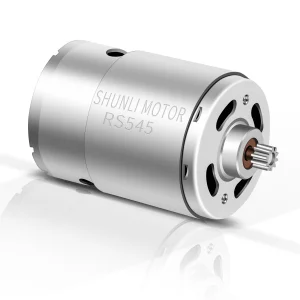
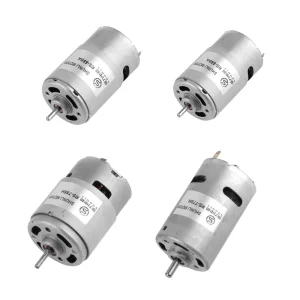
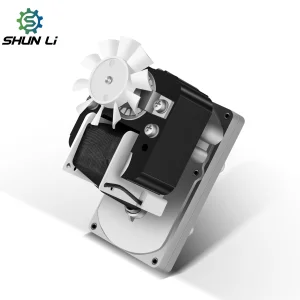
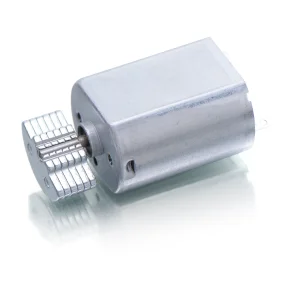
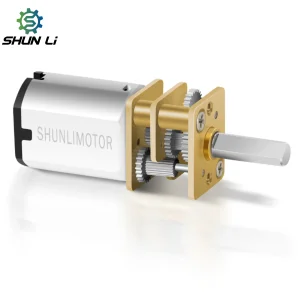
We supply a variety of micro motors, including high-torque worm-gear models and miniature stepper drives.
 WICCA Motor