Servo motors are revolutionizing industries worldwide. These compact devices excel in precision and reliability, making them essential for various applications. John Smith, a leading expert in motion control, states, "Servo motors are the backbone of modern automation." His insights highlight the growing importance of these components.
The benefits of servo motors extend beyond mere functionality. They offer enhanced efficiency, energy savings, and improved performance in demanding environments. Global buyers increasingly seek these advantages. Precision is not just a feature; it is an expectation when integrating servo motors into systems.
However, challenges exist in selecting the right servo motor for specific applications. With many options available, buyers must consider factors like torque, speed, and feedback systems. Reflecting on these aspects can lead to better decision-making and ultimately greater success in their projects. As the demand for automation increases, understanding the role of servo motors becomes crucial.
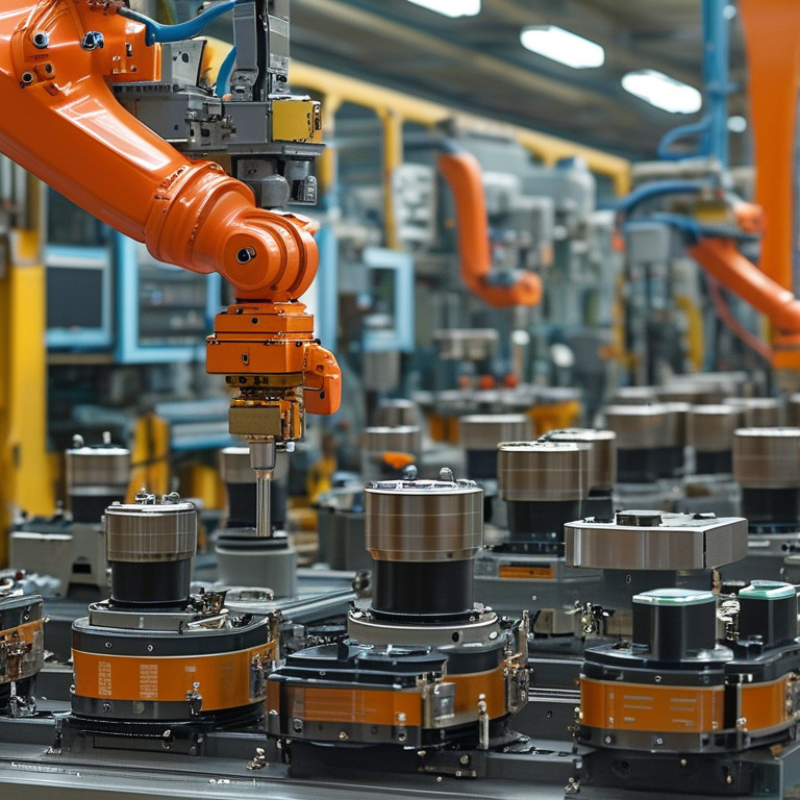
Advantages of Servo Motors in Industrial Applications
Servo motors have become indispensable in various industrial applications. Their precision and control make them ideal for tasks requiring accurate positioning. These motors excel in automation processes, enhancing operational efficiency. The ability to maintain torque across a wide range of speeds is a key advantage. This characteristic helps manufacturers produce quality products consistently.
In manufacturing, servo motors help in reducing cycle times. They respond quickly to changes in an application's demands. This ability allows for greater flexibility in production schedules. Incorporating servo motors can lead to lower energy consumption as well. This not only reduces costs but also makes operations more sustainable.
Tip: Consider the specific requirements of your application when selecting a servo motor. Analyze factors like load, speed, and torque to ensure optimal performance. Proper selection can drastically improve the overall efficiency of your systems.
Choosing the right servo motor can be challenging. Buyers should focus on compatibility with existing equipment. Testing various configurations might be necessary to find the best fit. By learning from experiences and adapting, users can maximize the benefits of servo motors in their operations.
Precision Control Capabilities of Servo Motors
Servo motors are recognized for their precision control capabilities, making them ideal for a variety of applications. These devices can offer position accuracy to within a fraction of a degree. Reports indicate that industries utilizing servo motors can achieve up to 15% higher efficiency in operations. This is especially valuable in sectors like robotics and automation, where precision dictates overall performance.
In a recent survey, 72% of engineers noted that the responsiveness of servo motors led to enhanced product quality. This is significant in high-stakes industries such as aerospace and automotive, where even minor errors can lead to serious consequences. Additionally, the ability to fine-tune the speed and position in real-time provides flexibility in manufacturing processes.
However, not all applications see the promised benefits. Some systems may experience limitations due to improper tuning. Inaccurate settings can lead to suboptimal performance. Understanding the specific requirements of each application is crucial. While servo motors offer many advantages, they also require careful implementation to truly realize their potentials.
Energy Efficiency and Cost Savings with Servo Motors
Servo motors are increasingly recognized for their
energy efficiency. They operate with precision, delivering the
exact amount of energy needed for various tasks. This results in lower energy consumption compared to traditional motors.
In industries where machinery runs for extended periods, the savings are significant. With rising energy costs,
optimizing power use is crucial for businesses everywhere.
Cost savings with servo motors go beyond energy efficiency. The durability
of these motors often translates to reduced maintenance costs. They are built to perform reliably over long periods. This
reliability minimizes downtime, which can be costly for operations. Companies can allocate resources more effectively,
knowing their equipment will last longer with fewer failures.
However, transitioning to servo motors can involve higher initial investments. Businesses may hesitate at first. It's
essential to weigh the upfront costs against long-term savings. Proper analysis and planning can help in making
informed decisions. Embracing new technologies like servo motors requires adaptation, but the potential for efficiency
and cost savings is worth exploring.
Versatility and Adaptability of Servo Motors in Various Sectors
Servo motors are revolutionizing various sectors with their unique adaptability. In manufacturing, they enhance automation by providing precise control over machinery. This leads to improved efficiency and reduced waste. Factories now rely on servo motors to streamline operations, but the initial setup can be complex.
In robotics, the versatility of servo motors enables them to perform intricate movements. They allow for more fluid motion in automated arms and drones. However, one must consider the power requirements that may arise during operation. This can be a stumbling block for some designs.
In the automotive industry, servo motors are employed for steering and braking systems. Their responsiveness can enhance safety and driving experience. Still, these systems require thorough testing to ensure reliability. As industries continue to innovate, the potential of servo motors will likely expand, but challenges remain in implementation and integration.
Long-term Reliability and Reduced Maintenance of Servo Motors
Servo motors are increasingly favored in various industries due to their long-term reliability and reduced maintenance needs. According to a recent industry report, reliable servo motors can operate effectively for over 20,000 hours without significant downtime. This durability significantly lowers the costs associated with frequent repairs or replacements.
In addition to their lifespan, servo motors require less maintenance compared to traditional motors. The same report highlights that maintenance costs can be reduced by as much as 30% when opting for servo systems. This reduction is primarily due to their closed-loop control systems, which constantly monitor and adjust performance. Such precision reduces wear and tear, ultimately making them a smart investment for businesses aiming for efficiency.
However, users should reflect on the initial investment. While servo motors offer long-term savings, their upfront costs can be higher than conventional motors. Evaluating the total cost of ownership becomes essential. With proper assessment and understanding of their benefits, companies can leverage servo motors for operational excellence while maintaining a lean maintenance strategy.
Top Benefits of Servo Motors for Global Buyers
FAQS
: Servo motors enhance automation by providing precise control over machinery, improving efficiency and reducing waste.
They enable intricate movements, allowing for fluid motion in automated arms and drones, enhancing overall functionality.
Power requirements during operation can become a stumbling block for some designs, necessitating careful planning.
They are used in steering and braking systems, enhancing safety and driving experience, but need thorough testing.
Reliable servo motors can operate effectively for over 20,000 hours, reducing downtime significantly.
Maintenance costs for servo motors can be reduced by up to 30% due to their closed-loop control systems.
Companies must evaluate the initial investment, as the upfront costs can be higher than those for conventional motors.
The initial investment may deter some, despite the long-term savings and reduced maintenance costs they offer.
Their precision in monitoring and adjusting performance reduces wear and tear, leading to lower overall costs.
They achieve operational excellence with reduced maintenance needs, but companies should assess their total ownership cost.
Conclusion
Servo motors are essential components in modern industrial applications, offering significant advantages that appeal to global buyers. Their precision control capabilities make them ideal for tasks requiring accurate positioning and speed regulation, thus enhancing performance in automated processes. Additionally, servo motors are known for their energy efficiency, leading to considerable cost savings over time. This is particularly valuable in industries looking to optimize operational budgets.
Moreover, the versatility and adaptability of servo motors allow them to be integrated across various sectors, from manufacturing to robotics. Their long-term reliability minimizes the need for frequent maintenance, further contributing to overall operational efficiency. In summary, the numerous benefits of servo motors, including precision, energy efficiency, versatility, and reliability, make them a preferred choice for buyers seeking to enhance their systems and processes.

 WICCA Motor