The Mini Gear Motor is an essential component in various mechanical applications. These compact devices combine a motor and gear system to deliver high torque in a small footprint. They are commonly used in robotics, automotive systems, and home appliances.
Understanding how the Mini Gear Motor works is crucial for those in engineering and design fields. By manipulating speed and torque through gear reductions, these motors offer efficient power delivery. Users must consider factors like load requirements and space constraints.
However, not every Mini Gear Motor performs the same. Variations in quality can lead to performance issues. It’s important to choose the right type for specific applications. A thorough evaluation of your needs can prevent costly mistakes.
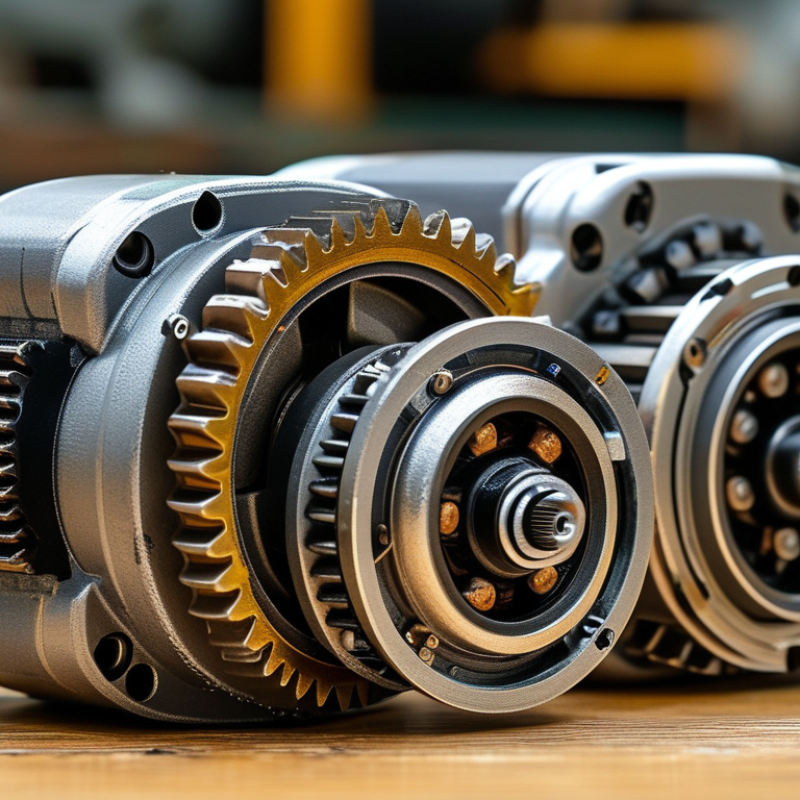
A mini gear motor is a compact device that combines an electric motor with a gear system. This combination allows for efficient torque conversion while maintaining a small footprint. These motors are commonly used in robotics, automotive applications, and consumer electronics. According to a recent market report by Mordor Intelligence, the global mini gear motor market is expected to grow at a CAGR of 6% from 2023 to 2028. This growth reflects their increasing demand across various sectors.
Mini gear motors typically feature a simple design, often with a DC motor paired with a reduction gearbox. The gearbox reduces speed while increasing torque, making these motors highly efficient for low-speed applications. For example, in robotics, accurate movement is crucial. A mini gear motor can provide precise control even at low velocities. However, one must consider potential drawbacks, like limited load capacity in certain designs.
Another aspect to consider is heat generation. Unlike larger motors, mini gear motors can overheat if not properly managed. This is particularly important in continuous operation scenarios. Users need to evaluate the trade-offs between size, power, and efficiency to ensure optimal performance in their specific application. Balancing these factors is essential for achieving reliable operation.
Mini gear motors are compact devices that combine a motor and a gear train. These motors are essential in various applications, from robotics to automotive systems. Understanding their components helps in grasping how they function effectively.
The key components include the motor unit, gear assembly, and output shaft. The motor unit generates the initial power. It typically employs a DC or stepper motor. Next, the gear assembly reduces speed while increasing torque. This transformation is crucial for maintaining high efficiency. Gears come in different materials like plastic or metal, which impact durability. The output shaft transmits motion. Its design often influences how the motor integrates with other systems.
These components work together to maximize performance. However, imperfect designs can lead to inefficiencies. If gears are misaligned, they create noise and wear. Moreover, if the motor is undersized, it may struggle under heavy loads. Careful engineering can address these issues. Focusing on material choice and design can enhance reliability.
Mini gear motors are compact devices, often found in various robotic applications. These motors combine an electric motor with a gear reduction system. The primary function of a mini gear motor is to reduce the speed of the output shaft while increasing torque. This allows for efficient power utilization in small spaces.
Understanding how mini gear motors work is essential. It begins with the electric motor, which transforms electrical energy into mechanical energy. The attached gears then manage the output speed and torque. As the motor turns, the gears decrease the speed. This adjustment enhances force, making it ideal for tasks that require precision and strength.
When selecting a mini gear motor, consider the required speed and torque specifications. Ensure that the motor's RPM matches your project's needs. It’s vital to assess the load the motor will handle. An overload can lead to premature failure, highlighting the importance of careful consideration. Choosing materials that fit your design can also affect performance and longevity.
Mini gear motors are increasingly essential in various industries due to their compact design and high efficiency. They provide reliable torque with minimal size, making them ideal for applications where space is limited. Mini gear motors can be found in robotics, automation, and consumer electronics. In robotics, they power movements in robotic arms, allowing precise control. In manufacturing, they drive conveyor belts, ensuring smooth operation and efficiency.
In consumer electronics, mini gear motors are used in devices like cameras and drones. Their small size enables manufacturers to design sleeker products without sacrificing performance. However, the impact of these motors on device design should be carefully evaluated. It's important to balance performance and durability.
When selecting mini gear motors, consider the torque requirements of your application. Choose a motor that matches your power needs. Efficiency should also be a priority. High-efficiency motors can significantly reduce energy consumption. Reflecting on these aspects will help you make informed decisions that enhance your product’s functionality while ensuring reliability.
| Application Area | Mini Gear Motor Type | Voltage (V) | Torque (Nm) | Speed (RPM) |
|---|---|---|---|---|
| Robotics | DC Mini Gear Motor | 12 | 0.5 | 300 |
| Automated Guided Vehicles | Stepper Mini Gear Motor | 24 | 1.0 | 100 |
| Conveyor Systems | AC Mini Gear Motor | 230 | 2.5 | 50 |
| Home Appliances | Brushless Mini Gear Motor | 12 | 0.3 | 1500 |
| Medical Devices | Precision Mini Gear Motor | 5 | 0.2 | 250 |
Mini gear motors are increasingly popular in various applications. They offer distinct advantages over traditional motors. One major benefit is their compact size, which makes them ideal for tight spaces. Despite their small form factor, mini gear motors provide high torque output. This means they can handle heavy loads efficiently.
Another advantage is energy efficiency. Mini gear motors are designed to operate with lower power consumption. This feature helps reduce energy costs in long-term use. Mini gear motors also have better speed control compared to other motor types. This allows for precise movements in applications like robotics and automation.
However, there are some considerations when using mini gear motors. They may not be suitable for every task. Potential users should evaluate the required torque and speed for their specific needs. While they excel in certain situations, their limitations must be acknowledged. Proper application knowledge is crucial to maximize their effectiveness.
: Mini gear motors reduce output shaft speed and increase torque for efficient power use in small spaces.
They combine an electric motor and a gear reduction system. The motor converts electrical energy into mechanical energy.
Evaluate the required speed and torque. Ensure the motor’s RPM suits your project needs and assess the load capacity.
They are compact, provide high torque output, and are energy efficient, making them suitable for tight spaces.
They offer better speed control and energy efficiency but may not fit all applications neatly.
Yes, they can handle heavy loads efficiently despite their small size, but proper evaluation is needed.
They are designed for lower power consumption, helping to reduce long-term energy costs.
Yes, they may not be suitable for every task. Understanding their limitations is essential for effective use.
Proper knowledge helps maximize mini gear motors' effectiveness and ensures they are used for appropriate tasks.
The choice of materials affects performance and longevity, which is important in maintaining motor effectiveness.
A Mini Gear Motor is a compact yet powerful device that combines the functionality of an electric motor with a gear mechanism to increase torque while reducing speed. This unique combination allows for efficient operation in various applications. Key components of a Mini Gear Motor include the motor itself, gears, and a housing that protects these elements. Understanding how these motors function involves a breakdown of their internal processes, from converting electrical energy to mechanical motion.
Mini Gear Motors are widely utilized across industries due to their versatility and efficiency. Common applications include robotics, automotive systems, and automation equipment. The advantages of using Mini Gear Motors over other types of motors include their space-saving design, increased torque output, and lower energy consumption, making them an ideal choice for many engineering solutions. Overall, Mini Gear Motors are essential components in modern technology, offering reliable performance across numerous applications.

WICCA Motor