In today's competitive market, choosing the right gear motor is crucial. Buyers worldwide are looking for the best solutions. The "Hot Sale Gear Motor" has gained significant attention in recent years. Its efficiency and reliability have made it a preferred choice for various applications. Many industries depend on high-quality gear motors to enhance their operations.
Understanding the specifications and features of gear motors is essential. It's not just about price; quality and durability matter too. Many buyers often overlook these factors, leading to costly mistakes. When selecting a "Hot Sale Gear Motor," potential customers should consider their specific needs. A wrong choice can result in inefficiency and additional expenses.
While the popularity of these motors continues to rise, not all products meet expectations. It's important to research manufacturers and reviews. This process can help buyers make informed decisions. Not every hot sale is the best sale. Therefore, taking the time to evaluate different options is crucial for ensuring long-term satisfaction.
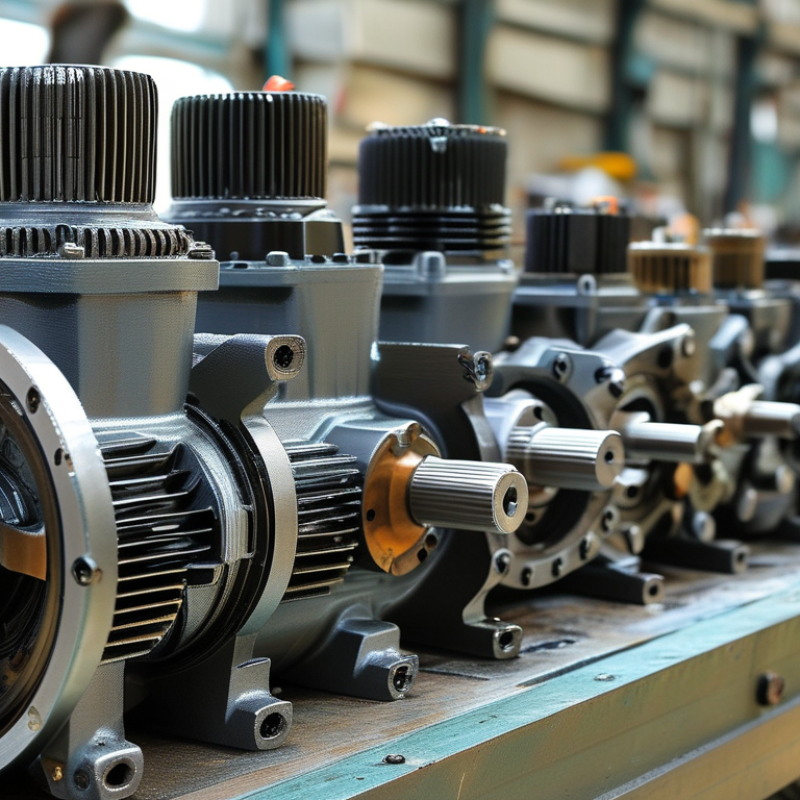
Gear motors are essential devices that transform electrical energy into mechanical energy. They consist of a motor paired with a gear reducer. This combination optimizes speed and torque, making them ideal in various applications. Industries such as manufacturing, automotive, and robotics heavily rely on gear motors. They are used to power conveyor belts, robotics arms, and even elevators. Their efficiency often increases productivity, offering significant operational advantages.
In the manufacturing sector, gear motors thrive in conveyor systems. They ensure smooth material handling. In the automotive industry, they contribute to electric window mechanisms and seat adjustments. Robotics systems utilize gear motors for precision movement, vital in assembly lines.
Despite their reliability, gear motors can face challenges like overheating or wear over time. Regular maintenance is essential to ensure longevity. Users must assess their specific requirements to select the right gear motor. Understanding these applications improves decision-making for buyers, ultimately impacting productivity.
Choosing the right gear motor is crucial for efficiency and performance. When selecting a gear motor, consider its torque ratings.
Torque determines how much load the motor can handle. High torque is essential for heavy-duty applications, while low torque is suitable for lighter tasks.
Evaluating these needs helps guide your decision.
Another factor to assess is the motor's efficiency. Higher efficiency means lower energy consumption, reducing operational costs. Think about the energy demands of your specific application.
Also, consider the gear ratio. A proper gear ratio ensures the motor operates at optimal speed and power for its intended use.
Don’t overlook the motor's durability and material. A well-crafted casing can prevent damage. Look for motors designed for specific environments,
such as high temperatures or moisture. Not all motors will perform well in every condition, which could lead to unexpected failures.
This emphasis on adaptability highlights the need for rigorous testing and evaluation before making a final choice.
When selecting gear motors, global buyers should consider several top manufacturers that stand out in the industry. These companies have a strong reputation for producing reliable and efficient gear motors. They offer a wide range of options suitable for various applications. Understanding their specializations can help buyers make informed choices.
Quality is a crucial aspect when evaluating gear motor manufacturers. Many reputable companies emphasize rigorous testing and quality assurance protocols. This ensures their products can withstand demanding conditions. Moreover, effective customer support is essential. Buyers appreciate manufacturers who offer guidance throughout the selection process. Collaboration fosters trust and satisfaction in the long term.
Innovations in gear motor technology are continually evolving. Some manufacturers invest heavily in research and development. They aim to create energy-efficient solutions that minimize environmental impact. However, potential buyers should also consider cost-effectiveness. While high-end models may promise superior performance, budget constraints often require a careful balance. Buyers must reflect on their specific needs and long-term goals before making a final decision.
This bar chart displays the sales data of gear motors in thousands of units across different global regions for 2023. The data provides insight into market demand and trends within these regions.
Gear motors have become increasingly popular in various industries, reflecting current technology trends and market demands. The rise of automation drives the need for efficient gear motors. These products are essential in applications ranging from manufacturing to robotics. As industries become more competitive, reliability and performance are key considerations.
Recent advancements in gear motor technology focus on energy efficiency. Many companies aim to produce motors that minimize energy consumption while maximizing output. High torque density and compact design are now common features. Buyers should pay attention to these innovations. However, some manufacturers struggle to balance performance with cost. This often leads to compromises in quality that buyers need to scrutinize.
Market demand for gear motors is influenced by several factors. Environmental regulations push for greener solutions. Many industries are adapting to meet these standards. Some buyers may overlook the significance of this shift. Evaluating a gear motor's environmental impact is becoming vital. As buyers navigate these complexities, informed decisions are crucial. The future of gear motors depends on ongoing innovation and adapting to changing market landscapes.
When sourcing gear motors internationally, it's crucial to understand the market dynamics. In 2022, the global gear motor market was valued at approximately $16.5 billion, with expectations to reach $25 billion by 2030, according to Technavio. This growth reflects increased demand in industries like automation and robotics.
To ensure successful sourcing, research potential suppliers thoroughly. Look for manufacturers with industry certifications and proven track records. Engage in direct conversations with suppliers to gauge their responsiveness and expertise. This can help mitigate risks associated with product quality and supply chain disruptions.
**Tip:** Always request product samples. This step can reveal the quality and functionality of the motors before making larger commitments.
Another consideration is logistics. Importing gear motors involves understanding tariffs and shipping regulations. For instance, customs duties can significantly affect total costs. Staying updated with international trade policies is essential for a smooth transaction.
**Tip:** Partner with a reliable logistics provider. They can offer insights into shipping schedules and manage potential delays effectively.
| Region | Typical Applications | Common Gear Motor Types | Average Price Range (USD) | Lead Time (Weeks) |
|---|---|---|---|---|
| North America | Automotive, Robotics | DC Gear Motors, AC Gear Motors | 300 - 1200 | 2-4 |
| Europe | Industrial Equipment, Consumer Electronics | Planetary Gear Motors, Stepper Gear Motors | 350 - 1500 | 3-5 |
| Asia | Textile, Packaging | Servo Gear Motors, Brushless Gear Motors | 200 - 1000 | 1-3 |
| South America | Agriculture, Construction | Geared Motors, Worm Gear Motors | 250 - 1100 | 4-6 |
: Gear motors transform electrical energy into mechanical energy. They combine a motor with a gear reducer.
Gear motors are used in manufacturing, automotive, and robotics. They power conveyor belts, robotic arms, and elevators.
They enhance conveyor system efficiency and ensure smooth material handling. This boosts overall productivity in factories.
Gear motors can overheat or wear out over time. Regular maintenance is important for extending their lifespan.
Current trends focus on energy efficiency and performance. Compact designs with high torque density are increasingly popular.
Buyers should evaluate specific requirements and environmental impacts. Understanding technology advancements aids better decision-making.
Research suppliers, check certifications, and request samples. Engaging directly with suppliers helps reduce risks.
Knowledge of tariffs and shipping regulations is crucial. Customs duties can impact total costs significantly.
Compromises in quality can lead to performance issues. Scrutinizing manufacturers ensures better product reliability.
Staying updated with trade policies and industry trends is essential. This helps navigate complexities better.
The article "Hot Sale Gear Motors for Global Buyers What to Know" provides a comprehensive overview of gear motors, highlighting their significance across various industries. Gear motors are essential for numerous applications, from manufacturing to robotics, due to their ability to deliver high torque and precise speed control. When selecting the right gear motor, buyers should consider key features such as size, efficiency, and durability to ensure optimal performance for their specific needs.
Additionally, the article discusses the top manufacturers that cater to global demand, with an emphasis on current trends in gear motor technology. As the market evolves, buyers are encouraged to stay informed about advancements that can enhance operational efficiency. Lastly, the article outlines best practices for sourcing gear motors internationally, emphasizing the importance of quality and reliability in procurement. Overall, understanding these aspects will help buyers navigate the market for hot sale gear motors effectively.

WICCA Motor