Choosing the right Variable Speed Motor is crucial for optimal performance in various applications. According to a report by MarketsandMarkets, the global market for variable speed motors is projected to grow significantly, reaching USD 19.36 billion by 2026. This growth reflects rising industrial automation and energy efficiency demands. Industrial facilities are increasingly adopting these motors to enhance productivity and reduce energy costs.
Understanding the unique requirements of your application can be challenging. Not all Variable Speed Motors are the same. Key factors include power rating, torque characteristics, and control methods. For instance, AC and DC motors serve different functions, impacting efficiency and control precision. It's essential to assess these details to make an informed decision.
Selecting the appropriate model involves reflecting on your operation’s specifics. A mismatch can lead to performance issues and unnecessary costs. Remember, investing in a suitable Variable Speed Motor can pay off significantly in energy savings and increased productivity. It's vital to consider both your immediate needs and long-term operational goals.
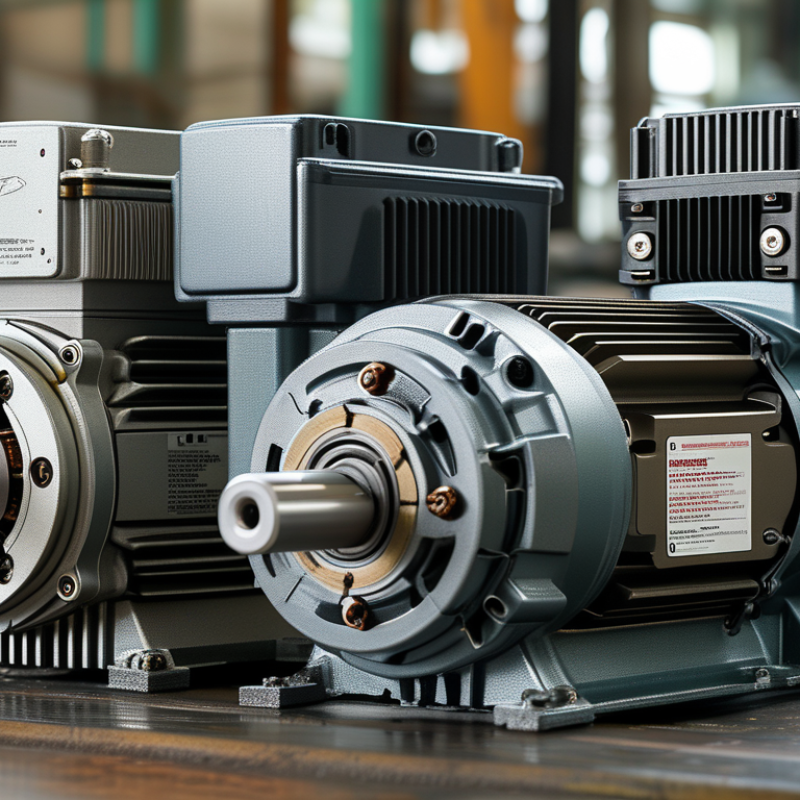
Variable speed motors are increasingly popular in various applications, ranging from HVAC systems to industrial machinery. These motors allow for precise speed control, which enhances efficiency and performance. According to reports from industry experts, the global variable speed motor market is projected to reach $35 billion by 2027, growing at a CAGR of 6.5%. This growth reflects a rising demand for energy-efficient solutions in multiple sectors.
When considering a variable speed motor, understanding its specific applications is crucial. These motors function by adjusting their speed to match the load requirements, which is vital in reducing energy consumption. For example, in HVAC systems, variable speed motors can lead to energy savings of up to 30%. Additionally, these motors minimize wear and tear on components, extending equipment life. However, selecting the wrong motor can lead to inefficiencies and increased costs—both operational and maintenance.
Consider the following: choose a motor with the right torque characteristics for your application. Assess the starting and full load speeds required. It's also essential to think about the control system used to manage the motor's speed. Inadequate planning can result in performance issues. Variable speed motors should not only meet current needs but also adapt to future demands.
When selecting a variable speed motor, there are essential factors to consider. One key aspect is the application requirements. Different industries, such as manufacturing or HVAC, need motors with specific torque and speed capabilities. Understanding these needs can guide your choice. Another crucial element is the operating environment. Motors designed for wet or humid conditions differ significantly from those used in dry settings.
Efficiency is another important consideration. An efficient variable speed motor can save energy over time. Look for models that have a high efficiency rating. Noise levels can also impact your decision. In quiet environments, a motor that produces less noise is preferable. Additionally, consider the control options available. Some motors come with advanced controls that enhance performance.
Lastly, do not overlook the importance of reliability. A dependable motor reduces the likelihood of downtime. Research different models and read reviews to gauge their long-term performance. Ultimately, selecting the right variable speed motor requires careful thought and research to align with your specific operational needs.
When selecting a variable speed motor, it’s crucial to understand the different types available. Each type serves unique purposes and applications. AC motors are commonly used in industrial settings. They are known for their reliability and efficiency. However, they may not provide the fine-tuning that some applications require.
DC motors offer higher torque at lower speeds, making them ideal for precise control in various tasks. They are often found in robotics and small machinery. Brushless DC motors, a subset, boast longer lifespans and reduced maintenance needs. They provide efficiency but may require more complex control systems.
Stepper motors stand out in applications needing exact positioning. These motors move in discrete steps, allowing for reliable control. However, they can struggle with high-speed applications. Understanding these nuances is key to making the right choice. Each motor type has its drawbacks. Assessing your specific needs can help in selecting which type fits best.
Choosing the right variable speed motor requires careful evaluation of key specifications like power, speed, and torque. Power determines the motor's ability to perform tasks effectively. For example, a motor rated at 1 HP has the capacity to handle various applications, but identifying the specific requirements of your task is crucial.
Speed is the next specification to consider. Variable speed motors can operate across a range of speeds. This adaptability allows for better control in different applications. High-speed motors may be beneficial for tasks requiring rapid adjustments. However, it’s essential to ensure that the speed aligns with the requirements of your machinery or equipment.
Torque is often overlooked but is a vital factor in motor selection. Torque measures the motor’s rotational force. Higher torque is essential for tasks that require starting heavy loads or maintaining power under strain. Assess your application's specific torque demands to avoid underperformance.
Consider understanding the balance between these factors. Sometimes, a motor may meet power specifications but underperform in torque or speed, leading to inefficiencies. Testing a motor under actual working conditions can reveal shortcomings that numbers alone may not indicate. Take time to consult with engineering experts before making a purchase.
| Motor Type | Power (HP) | Speed (RPM) | Torque (lb-ft) | Application |
|---|---|---|---|---|
| AC Motor | 5 | 1800 | 17.4 | Conveyor Systems |
| DC Motor | 2 | 3000 | 5.3 | Robotic Arms |
| Servo Motor | 3 | 4000 | 8.0 | CNC Machines |
| Brushless Motor | 1 | 5000 | 2.0 | Drones |
| Induction Motor | 7.5 | 1200 | 29.6 | Pumps |
When installing a variable speed motor, proper considerations can greatly impact performance. Ensure the motor is compatible with existing systems. Consider the environment, as temperature and humidity may affect operation. Pay attention to connection types, whether they are direct or via a drive. This aspect is crucial for efficiency and longevity.
Regular maintenance of variable speed motors is essential. Schedule inspections to check for wear and tear. Listen for unusual sounds, as they may indicate issues. Clean the motor and its components to prevent dust accumulation. This simple task can extend the lifespan of the motor significantly.
Reflect on the installation and maintenance process. It can be daunting for beginners. Mistakes may lead to inefficiency or damage. Seek expert advice if unsure about any step. Guidance can provide clarity and reduce the chances of errors. This approach is essential for ensuring your motor serves its purpose well.
: Focus on power, speed, and torque. Each plays a vital role in motor performance.
Power indicates the motor's effectiveness for specific tasks, such as handling loads.
Speed flexibility allows better control, but it must match your equipment's demands.
Torque measures rotational force. It's critical for starting heavy loads or maintaining power.
Insufficient torque may lead to underperformance and inefficiencies in tasks.
Verify compatibility with existing systems. Consider environmental factors too.
Schedule regular inspections and clean components to avoid dust buildup.
Experts can offer clarity and prevent installation mistakes, ensuring efficiency.
Listen for unusual sounds; they may indicate underlying problems needing attention.
Neglecting regular checks can lead to serious issues. Stay consistent and attentive.
Choosing the right variable speed motor involves a thorough understanding of its functionalities and applications. These motors are designed to adjust their speed and torque based on the demands of the task at hand, making them versatile for various industries. When selecting a variable speed motor, it’s essential to consider key factors such as power requirements, desired speed range, and torque specifications, ensuring the motor aligns with your specific needs.
Additionally, familiarity with the different types of variable speed motors is crucial, as each type serves unique applications and performance metrics. Evaluating motor specifications, including installation requirements and maintenance routines, ensures optimal performance and longevity of the motor. By considering these elements, you can effectively select a variable speed motor that meets your operational demands and enhances efficiency.

WICCA Motor