When purchasing a stepper motor, understanding the nuances is crucial. Stepper motors play a vital role in various industries, from robotics to manufacturing. As a global supplier, choosing the right stepper motor can greatly impact your operations.
This guide aims to provide insights into the key factors to consider. Selecting a stepper motor involves more than just specifications. It's essential to assess your application's unique requirements. A common mistake is overlooking torque ratings. This could lead to performance issues down the line.
Additionally, consider the type of control method. Different applications may require specific drive types. Seeking reliable suppliers with a proven track record can ensure quality. However, many suppliers may lack comprehensive information. Consequently, suppliers must strive to enhance their knowledge and service. Understanding these elements will empower buyers. Finding the ideal stepper motor demands careful evaluation and informed decisions.
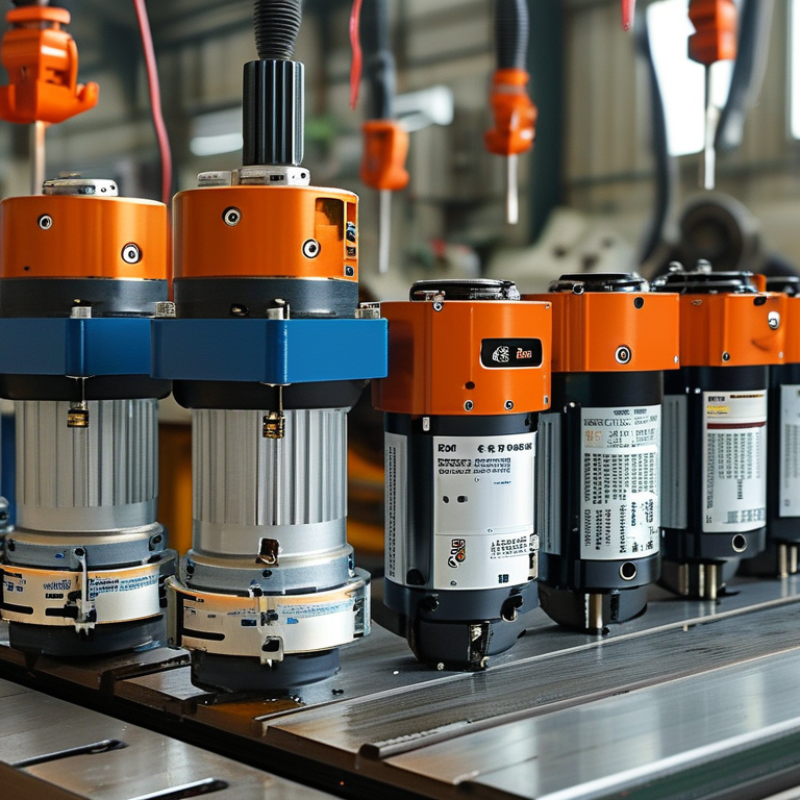
Stepper motors are widely used in various applications, ranging from 3D printers to robotics. Their unique ability to move in precise increments makes them invaluable in systems where accuracy is crucial. According to a report by ResearchAndMarkets, the global stepper motor market is expected to reach $3 billion by 2025, driven by advancements in automation and the rise of IoT devices.
Different types of stepper motors serve various needs. Permanent magnet stepper motors are popular for low-cost applications. They provide adequate torque but may struggle at higher speeds. Bipolar stepper motors, on the other hand, are known for their higher performance due to their design, making them suitable for CNC machines and medical devices. However, both types can generate excessive heat if not managed properly.
Applications of stepper motors continue to evolve. Industries are discovering new ways to integrate these motors into their processes. For example, in the textile industry, stepper motors enable precise fabric movement, improving efficiency. Nonetheless, potential challenges remain. Users must consider the torque requirements and the motion profiles needed for their systems. This level of precision often requires supplementary components, increasing complexity.
When purchasing stepper motors, several crucial factors come into play. Understanding motor types is fundamental. Variations include permanent magnet, hybrid, and reluctance stepper motors. Each type serves different applications. Reports suggest that the hybrid stepper motor holds about 40% of the market share, favored for its precision and torque.
Torque and speed ratings are also vital. The required torque depends on the load and application. For instance, a 1.8° stepper motor provides high precision but may struggle with heavy loads. Industry studies indicate that even a 10% miscalculation in torque can lead to failure in high-demand applications.
Another key consideration is control methods. Closed-loop systems enhance performance and reduce noise. However, they can be more expensive. Manual versus automated control choices also impact the motor's efficiency. Reports indicate that automating motor control can lead to 30% energy savings. Despite these advantages, many businesses overlook the importance of matching their stepper motor selection with their specific application needs. This gap often leads to suboptimal performance.
When evaluating stepper motors, specific specifications are crucial for ensuring quality and performance. The holding torque is one of the top metrics to consider. It influences how well the motor can maintain its position under load. A higher holding torque means better performance in precise applications.
Another key specification is step angle. This feature impacts the resolution of the motor. Smaller step angles provide finer control, resulting in smoother motion. Evaluate your project requirements to determine the necessary resolution.
Tips: Always check the thermal rating of the motor. Overheating can lead to failures. Ensure that the motor operates within safe temperature limits.
Furthermore, look for motors that offer high reliability ratings. This indicates that the motor has undergone rigorous testing. Reliable motors lead to reduced downtime in your projects.
Consider the available drive options as well. Some motors work better with specific controllers. Compatibility can save you future headaches. Evaluate your choices carefully to make the right decision.
When exploring stepper motors, a comparative analysis of leading brands reveals significant differences in performance and reliability. Each brand has unique specifications that cater to various applications. Understanding these nuances is essential for making an informed choice. Some brands excel in torque output, while others focus on precision control and low noise operation.
It’s crucial to consider the intended application when evaluating stepper motors. For instance, industrial automation may require different features compared to robotics or CNC machinery. Each brand may present strength, but not all can ensure consistent quality across the board. Motor heat generation and efficiency are often overlooked factors that may affect longevity and performance.
Additionally, evaluating customer feedback becomes vital in this decision-making process. User experiences can highlight potential flaws and areas for improvement. It’s not uncommon for a brand to have a strong reputation yet deliver variable results based on batch production. While some enthusiasts prioritize high torque, others may find that smooth operation is more valuable for their projects.
When sourcing stepper motors from global suppliers, it's crucial to assess key factors. Understanding the technical specifications is essential. Focus on the torque, size, and step angle. These details define performance in specific applications.
Communication with suppliers is vital. Establish clear expectations regarding delivery time and quality standards. Many suppliers offer varying lead times, which can affect project schedules. Explore options for sample testing before committing to larger orders. It's a step worth considering to ensure quality and reliability.
While price is always a concern, avoid solely focusing on it. A lower price might compromise quality. Research the supplier's reputation. Check for reviews and feedback from their previous clients. Relationships matter in this industry, so investing time in finding a reputable supplier may pay off in the long run. Constant reflection on your sourcing choices will help refine your approach.
: Holding torque determines how well a motor maintains its position under load. Higher torque means better performance.
Step angle affects the motor's resolution. Smaller angles allow finer control and smoother motion.
A proper thermal rating prevents overheating. Overheating can lead to motor failures in critical applications.
High reliability ratings indicate rigorous testing. Reliable motors reduce downtime in your projects.
Some motors work better with specific controllers. Understanding compatibility can save future technical headaches.
Different applications require varying features. Industrial automation needs differ from robotics or CNC machinery.
User feedback can reveal potential issues. It helps in understanding performance variations across different batches.
It depends on your project. Some require high torque while others benefit more from smooth operation.
This article serves as a comprehensive guide for those looking to purchase stepper motors, detailing essential factors to consider throughout the buying process. It begins with an understanding of stepper motors, outlining the different types available and their various applications across industries. Key considerations include torque specifications, precision, and compatibility with existing systems, which are crucial for ensuring optimal performance.
Furthermore, the article emphasizes the importance of evaluating top specifications to differentiate quality stepper motors from inferior options. A comparative analysis of leading brands is provided to help buyers understand their choices better. Finally, practical tips for sourcing stepper motors from global suppliers are offered, ensuring that purchasers can make informed decisions while navigating the complexities of the global market. This guide is invaluable for anyone aiming to optimize their use of stepper motors in their projects.

WICCA Motor